The “Canva Killer” Has Arrived: Claude Design is Here to Revolutionize Design
Remember when design felt like trying to build a magnificent LEGO castle, but your only tools were oven mitts and a vague instruction…
The “Canva Killer” Has Arrived: Claude Design is Here to Revolutionize Design
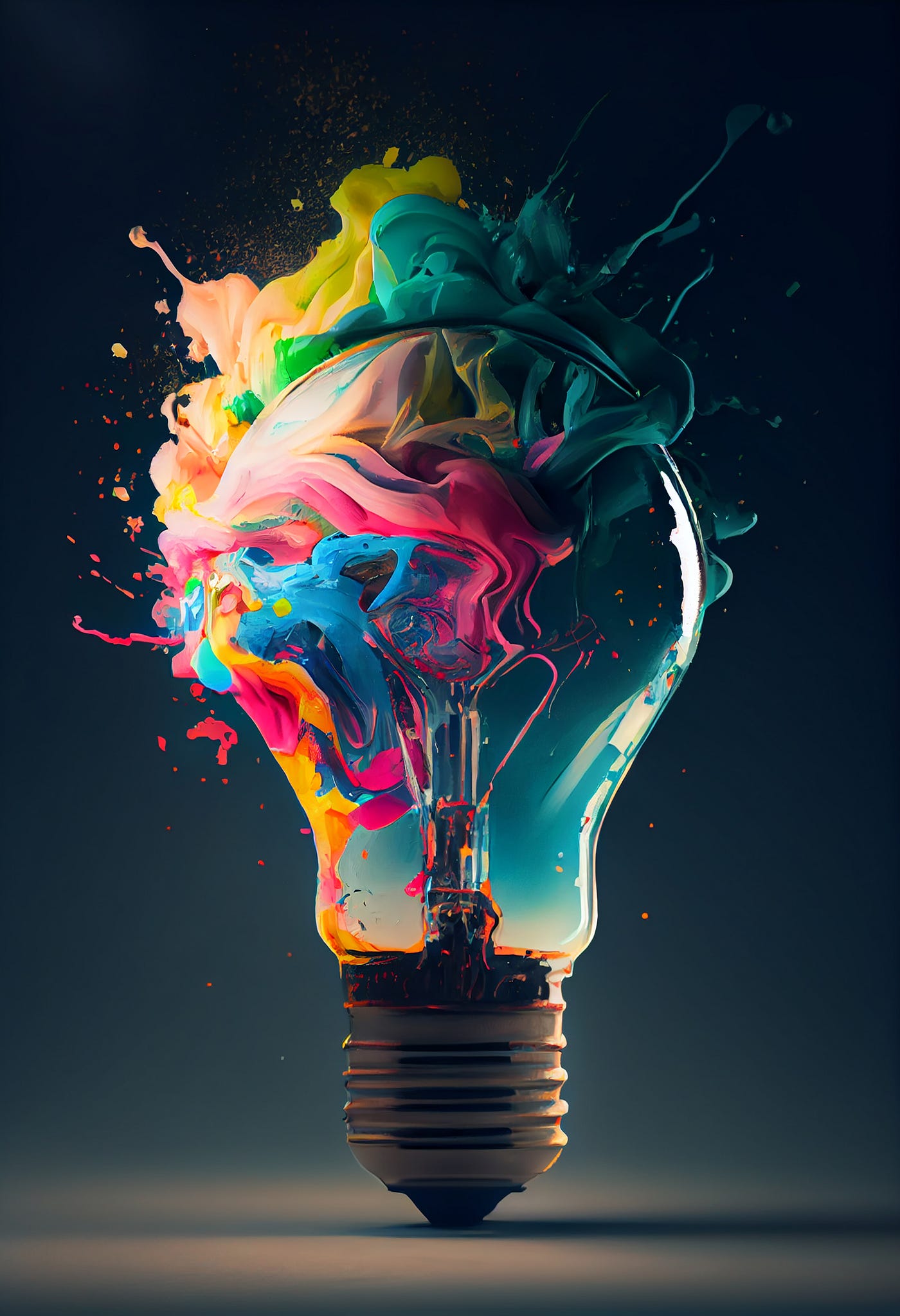
Designed by Freepik
Remember when design felt like trying to build a magnificent LEGO castle, but your only tools were oven mitts and a vague instruction manual? You’d painstakingly drag and drop elements, meticulously align pixels, and spend countless hours perfecting a layout, only to realize a minor tweak meant unravelling half your hard work. It was a labour of love, yes, but often more labour than love. Claude Design launched just a few days ago on April 17, 2026, and this groundbreaking offering from Anthropic is already sending seismic ripples through the design world, threatening the established empires of Figma and Canva with a fresh, conversational approach.
🚨 Hiring Tech Talent (Remote and Onsite) 💰 $3K–$10K/Month

The “Magic” Factor: Design by Conversation, Not Clicks
Just think of it like this… instead of wrestling with complex design software, navigating endless menus, and battling with bezier curves, you simply talk your vision into existence. That, my friends, is the core magic of Claude Design. It’s like having a design genie at your beck and call, ready to grant your every creative wish with a mere whisper. Forget the endless clicking, dragging, and resizing that defines traditional tools like Figma, with Claude Design, you can utter a command as natural as, “Make me a high-fidelity landing page for a juice bar using my brand’s specific blue, and pull the product photos from my ‘Marketing’ folder”. And boom, there it is. It’s the difference between painstakingly painting a masterpiece stroke by stroke and simply describing it to a hyper-talented artist who understands your every nuance, then watching them bring it to life before your eyes.
This isn’t just a fancy voice command feature, it’s a profound paradigm shift in how we interact with design tools.
Powered by advanced natural language processing and generative AI, Claude Design interprets your intent, understands context, and translates abstract ideas into tangible visual elements. It democratizes design, making it accessible to founders with a nascent idea, product managers needing a quick prototype, or marketers crafting a campaign, all without requiring a formal design background. It’s like giving everyone a superpower, transforming design from a specialized, often intimidating skill into a fluid, conversational art form. No longer do you need to be fluent in the arcane language of design software, you just need to be fluent in your own ideas.
The Design System “Brain”: Speaking Your Brand’s Native Tongue
This is where Claude Design truly flexes its intellectual muscles and differentiates itself from the pack, moving beyond mere generative aesthetics. While other AI design tools might try to guess your style based on a few keywords or visual cues, Claude Design goes straight to the source. It ingests your existing codebase, meticulously reading your CSS and React components . It’s like a very intelligent intern who doesn’t just observe your office culture, they meticulously read your company handbook, understand the unwritten rules, absorb the brand guidelines, and then flawlessly integrate into the team, producing work that is indistinguishable from a seasoned veteran.
This deep integration with a company’s design system is a game-changer. It ensures that the AI-generated designs don’t just look good, they look like your brand. They speak your brand’s unique visual language, adhering to established style guides, component libraries, and accessibility standards.
This drastically reduces the need for endless revisions and ensures consistency across all your digital touchpoints. No more rogue fonts, off-brand colour palettes, or misaligned buttons sneaking into your marketing materials or product interfaces. Claude Design acts as a vigilant guardian of your visual identity, ensuring everything is on-brand, every time, without you having to manually police every design element.
A Tremor in the Design Landscape
When a new player enters the arena with such disruptive potential, the market tends to react and react it did. Immediately following the announcement of Claude Design, the design world collectively held its breath, and then, the tremors began. Figma’s secondary market shares reportedly dipped nearly 7%. Some reports even pinpointed a precise drop of 6.8% to 7.5% on April 17, with the stock falling from approximately $20.32 to $18.84. Even Adobe, another design titan, saw its shares dip, albeit more modestly. This isn’t just a blip on the radar, it’s a clear, undeniable signal that the design world is taking notice, and perhaps, a little nervous.
Adding a delicious layer of intrigue to this market shake-up is the recent, strategically timed departure of Mike Krieger, Anthropic’s Chief Product Officer and co-founder of Instagram, from Figma’s board on April 14. Just three days before Claude Design’s grand unveiling. It doesn’t appear as if it’s a coincidence. In the high-stakes world of tech, such timing often speaks volumes. It’s the kind of strategic move that makes you wonder if he knew something big was brewing, a corporate chess match playing out in real-time, with the future of design as the prize.
While Anthropic has, with diplomatic grace, stated that Claude Design is intended to complement tools like Canva, allowing for seamless export and further editing within Canva’s ecosystem, the market sentiment suggests a far more competitive dynamic.
For solo developers, agile startups, and busy founders needing rapid prototypes, quick marketing assets, or initial UI concepts, Claude Design is proving to be a formidable, perhaps even irresistible, alternative. Some early creators are reportedly flocking to it, with claims that 73% of early users prefer it for initial drafts over traditional tools . It’s like the difference between ordering a custom-tailored suit (Figma, requiring precise measurements and fittings) and having a stylish, perfectly fitting outfit magically appear (Claude Design) when you need to make a quick, impactful impression. Both have their place, but one offers unparalleled speed and ease.
What This Means for Designers
So, what does this mean for the legions of designers who have honed their craft on Figma, Canva, and Adobe products? Is it time to panic? To declare the end of design as we know it? Not quite. Instead, it’s an evolution, a powerful new tool that will undoubtedly reshape workflows and redefine roles. Just as desktop publishing didn’t eliminate graphic designers but rather empowered them with new capabilities, Claude Design is poised to elevate the design profession.
Designers will likely shift from the laborious, pixel-pushing tasks to more strategic, high-level thinking. Their role will evolve into that of a design conductor, guiding the AI, refining its outputs, and ensuring the emotional resonance and strategic alignment of the final product. They’ll become the arbiters of taste, the guardians of brand integrity, and the innovators who push the boundaries of what AI can achieve. Instead of spending hours on repetitive tasks, they can focus on user research, conceptualization, user experience flows, and the subtle nuances that only human creativity can provide. It’s an opportunity to move up the value chain, to become more indispensable, not less.
Moreover, Claude Design’s ability to ingest existing codebases means a tighter integration between design and development. The age-old friction between designers and developers, the perennial “it looks different on my screen” debate, could become a relic of the past. By understanding the underlying code, Claude Design can generate designs that are inherently more feasible and consistent with the technical constraints and capabilities of a project. This fosters a more collaborative and efficient workflow, bridging the gap between creative vision and technical execution. It’s like having a universal translator between the artistic dreams of a designer and the logical structure of a developer’s code.
Conversational, Consistent, and Code-Aware
Claude Design isn’t just another tool, it’s a profound glimpse into the future of design. A future where creativity is unleashed from the shackles of manual labour, where brand consistency is baked into the very fabric of the design process, and where even those without formal design training can bring their visions to life with unprecedented ease. It’s a future where the barrier to entry for creating stunning visuals is dramatically lowered, empowering a new generation of creators and innovators.
While Figma and Canva will undoubtedly adapt, innovate, and continue to serve their vast user bases, Claude Design has thrown down the gauntlet. It challenges the status quo, pushing the boundaries of what AI can achieve in the creative sphere. This isn’t about replacing human creativity; it’s about augmenting it, accelerating it, and making it more accessible than ever before.
The design landscape is evolving, and with tools like Claude Design leading the charge, the future promises to be more intuitive, more integrated, and undeniably more magical.
Thank you for being a part of the community
Before you go:

👉 Be sure to clap and follow the writer ️👏️️
👉 Follow us: **Linkedin| [Medium](https://medium.com/codetodeploy)**
👉 CodeToDeploy Tech Community is live on Discord — **Join now!**
Disclosure: This post includes affiliate and partnership links.
메타데이터
- post_id
- a84fdc1e9f5f
- slug
- the-canva-killer-has-arrived-claude-design-is-here-to-revolutionize-design-a84fdc1e9f5f
- url
- https://medium.com/@mneekay/the-canva-killer-has-arrived-claude-design-is-here-to-revolutionize-design-a84fdc1e9f5f
- canonical_url
- https://medium.com/@mneekay/the-canva-killer-has-arrived-claude-design-is-here-to-revolutionize-design-a84fdc1e9f5f
- author_url
- https://medium.com/@mneekay
- status
- ok
- fetched_at
- 2026-06-15 20:49:13