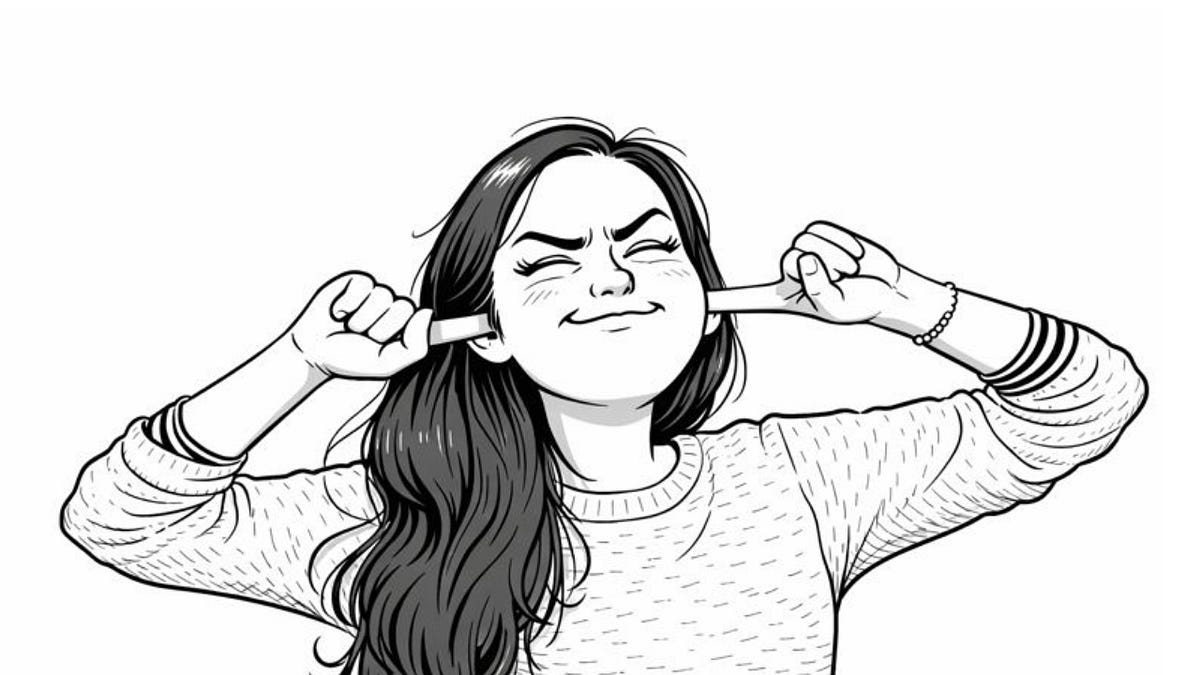
The Art of Seeing Things Another Way
Checking out new angles lightened my load
The Art of Seeing Things Another Way
Checking out new angles lightened my load
Photo by Mihail Cioinica on Unsplash
There are two sides to everything. Each story has a positive and a negative ending, depending on your outlook. And it’s helpful to note that there’s always another way to see an event that feels better than initial negativity.
Maybe that’s why I like this quote from the late Maya Angelou. Of course, I enjoy just about everything she wrote. Her words can change you. They are like refreshing cold water that helps you recognise life isn’t necessarily what you thought it was, and you can look at it differently.
“There were people who went to sleep last night, poor and rich and white and black, but they will never wake again.
And those dead folks would give anything at all for just five minutes of this weather or ten minutes of ploughing.
So, you watch yourself about complaining.
What you’re supposed to do when you don’t like a thing is change it. If you can’t change it, change the way you think about it.”
Angelou’s first line grabs my attention, reminding me that life is precious and its length uncertain. And the second line, about how those folks who never wake up would give anything to encounter the situations we complain about, is humbling.
Some of us grumble about inconsequential things.
We drop our buttered toast, spy a fly in the kitchen, or stub our toe and bemoan life.
However humbling her quote is, though, we don’t have to chastise ourselves for our irritability.
Maybe we naturally seek out what’s wrong so we can put it right.
The point is to keep waking ourselves up to the infinite beauty and wonder around us (and often in the very circumstances we criticise).
We can note the last line of her quote, too, which says so much.
“What you’re supposed to do when you don’t like a thing is change it. If you can’t change it, change the way you think about it.”
Her answer to unwanted change is simple and true. The first step when you dislike something is to see if you can change it, to improve matters.
But this isn’t always possible. Sometimes, we have to deal with challenges as they are, adjusting ourselves rather than the situation, which is exactly what she suggests. We need to change how we think about things so we approach them in a positive way.
Reframing how you see things
I’ll let you in on a secret. I’m used to reminding others to change how they think so they can see events differently. Doubtless, this stems from my work background in mental health.
But I sometimes forget to take my own advice. At times, I realise I’ve told myself a painful story repeatedly, and I could have looked at it from a helpful angle.
I’m always glad when I finally recall the benefits of changing my outlook to secure a better frame of mind. Anything that helps us gain peace puts a spring in our step. We feel lighter, liberated from nagging, critical self-talk.
Photo by Fien Schelstraete on Unsplash
And this scenario played out in the last few days.
We just endured a heatwave the likes of which are rare here in England, and our homes are not equipped to deal with the high temperatures. (No air conditioners). I wasn’t ready for the heat or the flash flood that left us bailing out the kitchen and the dining room.
After the big clean-up, during which I practised the British art of maintaining a cheery disposition during a crisis, I inwardly moaned and groaned. Just a little. But the inner complaints made everything worse.
My experience changed when I told myself a more positive story.
Tidying the mess gave me the opportunity to ditch a few ancient things we didn’t need and organise the larder and cupboards. I found items I didn’t know I had and a few I’d previously searched for in vain.
Telling myself this simple truth worked magic.
Changing my story about what was happening made everything look brighter. I switched from victim mode to interior designer mode.
Rather than being left with the notion that the weather ruined things, I now believe it did me a favour.
Had I stuck to the same old negative narrative, I’d be blue right now. But I’m on top form. Sometimes, it takes a hiccup in life to nudge us in the right direction. And this particular one reminded me of an old practice I intend to reignite.
I used to reframe every negative story I could purposely recall in 10-minute sessions. You’d be surprised how many accounts of woe you can come up with in such a short period.
Over a few years of practice, I reframed negative childhood narratives, stories about my ex-partners, and more besides. I tackled the deepest, most persistent tales and turned them around. Some were easier to reframe than others. However, I felt better each time I lightened my load.
Those stories that didn’t end well were still improvable. Rather than pretending they were fine (which would be lying), I focused on the lessons they taught me and how they made me more powerful and resilient. Remembering them as blessings rather than as damaging made all the difference.
We can’t make life go our way all the time, and it can hurt. But we’ve always got the option of thinking of what happens in ways that benefit us as opposed to harm us.
Working in mental health, I met many people who handle troubles differently. Those who can see the negatives philosophically, noticing what they gain as well as what they lose, cope much better than those who focus on painful aspects.
We don’t have to pretend life’s rosy when it's not or that we’ve never been hurt. But we can take a more rounded point of view, considering events from all angles, including those that offer life lessons that help us later on.
We might need to sit with a painful experience at times because it came as a shock, and we have to let it settle. We may benefit from going through the tough bits verbally with a therapist or a good friend, too.
Later, though, we reach a point where taking a bird’s-eye view of things helps us gain a perspective that aids healing.
Changing the way I think helps me see challenging events from angles that strengthen and improve me. The alternative is to get stuck like a vinyl record in a groove. The more the record is played, the deeper the groove and the harder it is to jump to a different tune.
For now, I’ve propped my mop back up against the wall, having finished clearing away the flood water, and I’ve stopped tidying. Standing back, I can see I’ve done a terrific job of turning things around. Perhaps I’ll remember to change my outlook faster the next time life offers me a challenge.

If you’ve found this story helpful, please consider reposting it so it reaches more people. And buying me a coffee will help me continue creating if you feel like it. I appreciate your support more than words can say!
메타데이터
- post_id
- a892d3b34ba4
- slug
- the-art-of-seeing-things-another-way-a892d3b34ba4
- url
- https://medium.com/bridget-webber-writes-mental-health-tips/the-art-of-seeing-things-another-way-a892d3b34ba4
- canonical_url
- https://medium.com/bridget-webber-writes-mental-health-tips/the-art-of-seeing-things-another-way-a892d3b34ba4
- author_url
- https://medium.com/@bridgetwebber
- status
- ok
- fetched_at
- 2026-07-09 13:13:48