Say Goodbye to Spoiled Meals With This Game-Changing Tool
Spoiled meals aren’t just a kitchen inconvenience for food businesses, they represent failed audits, wasted inventory, liability exposure…
Say Goodbye to Spoiled Meals With This Game-Changing Tool
Say Goodbye to Spoiled Meals With This Game-Changing Tool
Spoiled meals aren’t just a kitchen inconvenience for food businesses, they represent failed audits, wasted inventory, liability exposure, and lost customer trust. The root cause is almost always the same: outdated, manual food safety systems that can’t keep up with the complexity of modern food operations. A food safety management tool changes that equation. From automated temperature monitoring and real-time traceability to digital HACCP programs and allergen tracking, the right platform doesn’t just prevent spoilage it transforms how an entire operation runs.
This article explores how food manufacturers, distributors, retailers, and food service operators are using tools like Normex to eliminate manual processes, catch problems before they escalate, and build the kind of documented compliance record that satisfies regulators and impresses auditors. Whether you’re running a small dairy operation or a multi-location QSR, the case for modernizing your food safety management is clearer and more urgent than most operators realize.
The Problem Hiding in Plain Sight
Picture this: a walk-in cooler runs two degrees above the safe threshold overnight. Nobody catches it until the morning shift, three hours later. By then, the batch is compromised and depending on what was in it, so is your compliance record.
This kind of scenario plays out constantly across food operations of every size. And the frustrating part? It’s almost always preventable. The gap isn’t usually negligence; it’s a system problem. Paper logs can’t alert anyone at 2 a.m. A clipboard on the wall doesn’t flag a trend across thirty batches. Manual temperature checks happen when someone remembers to do them not on the schedule that actually keeps food safe.
That’s the real story behind spoiled product. And it’s exactly the problem a modern food safety management tool is built to solve.
What “Food Safety Management” Actually Means Day-to-Day
Let me explain why the term matters more than it sounds. Food safety management isn’t just about passing audits though that’s obviously important. It’s about the daily, operational discipline of keeping food safe from supplier intake all the way through to the customer’s hands. That means monitoring critical control points in real time, documenting corrective actions when something goes sideways, tracking allergens across product lines, and maintaining supplier records that hold up under regulatory scrutiny.
Done manually, that’s an enormous administrative burden. Quality managers at small and mid-sized manufacturers are often wearing six hats at once and “update the HACCP binder” doesn’t always make it to the top of the list when production is running hot.
A food safety management tool automates the routine work, which frees up the people who know your operation best to focus on the issues that actually need human judgment.
Here’s What Changes When You Automate
The shift from paper-based systems to a digital food safety management tool isn’t just about convenience. It’s about closing the gaps where contamination events and spoilage incidents actually happen.
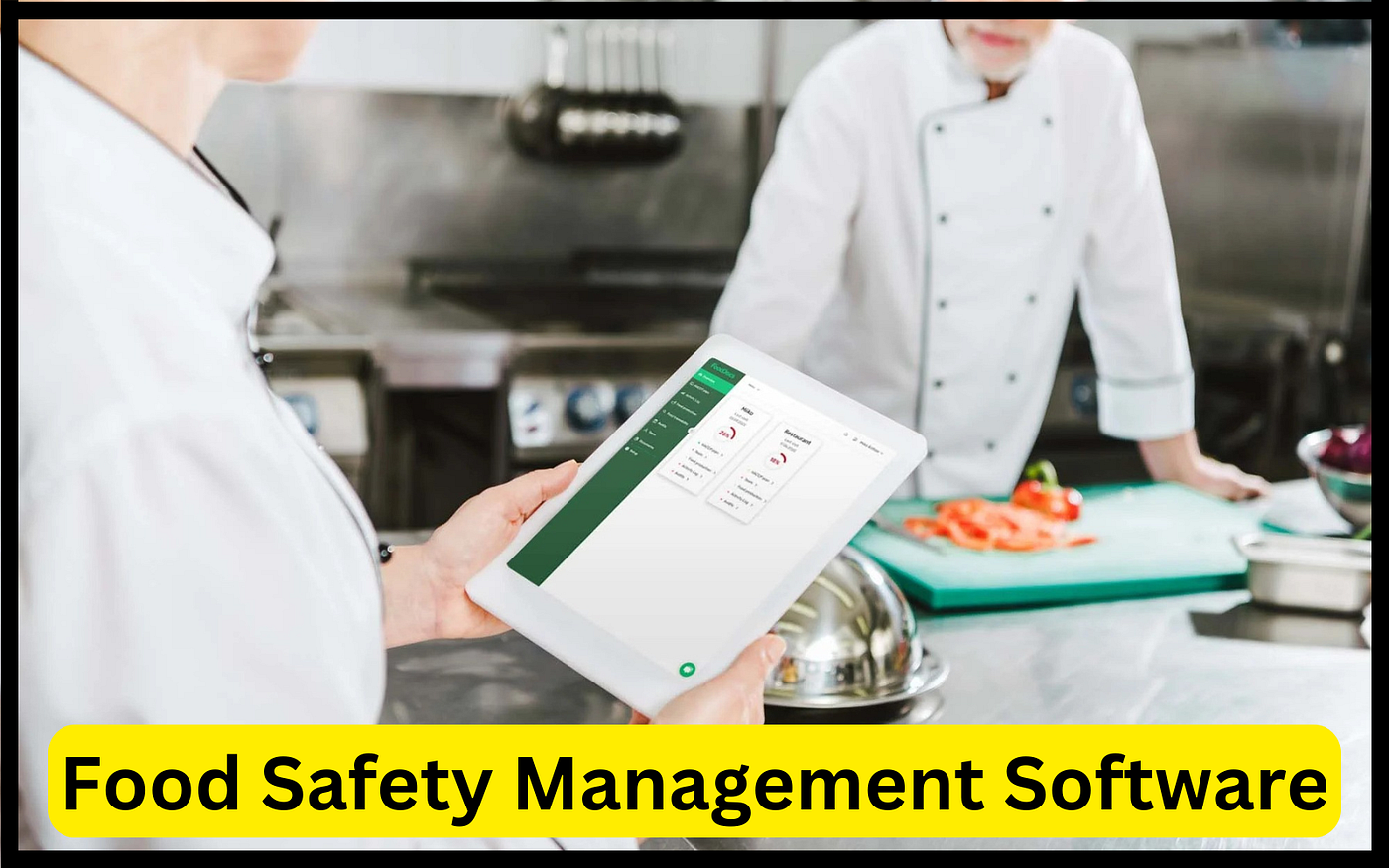
Take temperature monitoring. With IoT sensor integration the kind Normex supports your cold chain is under continuous surveillance. A deviation triggers an alert immediately, not hours later when someone walks by with a clipboard. That single capability alone can prevent significant product loss and the kind of critical limit violation that shows up on an FDA inspection report.
Traceability is another area where manual systems fall short fast. When there’s a contamination concern, regulators don’t have patience for “we’re looking through our records.” They want a lot number traced in minutes every supplier, every production run, every distribution point. Real-time traceability, the kind that’s baked into a proper food safety management tool, makes that possible. Companies using Normex have cut their traceability response time from days to hours.
And then there’s HACCP the backbone of food safety compliance. Automating your HACCP program means your critical control points are being monitored systematically, your corrective actions are documented automatically, and your records are audit-ready without a last-minute scramble. No more printing, signing, scanning, filing. The system handles it.
The Spoilage You Don’t Think About
Honestly, most people associate food spoilage with visible signs off smells, discoloration, texture changes. But from a food operations standpoint, the most costly spoilage is often invisible until it’s too late.
Allergen cross-contamination doesn’t smell like anything. A pathogen introduced at a supplier level doesn’t change how a product looks on the shelf. A cold chain failure at a distribution hub can compromise thousands of units that, on the surface, appear fine. These are the incidents that trigger recalls, generate liability, and in the worst cases harm consumers.
A food safety management tool addresses all of these. Allergen management modules track ingredient pathways and flag risks before they reach production. Supplier compliance tracking ensures that every vendor in your network meets documented safety standards. And the audit trail created by consistent digital monitoring gives you and regulators confidence that your system is working.
What Operators in the Field Are Actually Seeing
Food service operators, in particular, have seen dramatic shifts when they move to a digital food safety management platform. Kitchen managers in restaurant chains and QSRs report cutting manual documentation tasks by close to 90%. That’s not a small efficiency gain that’s hours per shift returned to the team, every single day.
For distributors and wholesalers dealing with cross-border regulatory complexity, the change is even more pronounced. Normex helped one distributor compress a CFIA compliance process from weeks to just a few days. That kind of acceleration doesn’t just save time; it means products move faster, cash flow improves, and regulatory relationships get easier to manage.
Food safety consultants who often manage compliance programs across multiple client operations find the multi-client architecture of platforms like Normex genuinely useful. Version control, training records, and HACCP documentation across a portfolio of clients, all in one place, is a different category of capability from what any paper system can offer.
The Investment That Pays for Itself
Here’s the thing about food safety management tools that tends to surprise people: the ROI isn’t theoretical. Normex users report efficiency gains around 30% and annual savings that frequently exceed $40,000 and that’s before you account for the insurance benefits, the avoided recall costs, and the audit outcomes that don’t end in a warning letter.
For C-level executives and operations managers evaluating the investment, the math is relatively straightforward. What does a single recall cost? What does a failed GFSI audit cost in terms of lost contracts? What’s the value of real-time dashboards that give you actual visibility into quality metrics rather than a monthly summary that’s already out of date?
The software cost looks very different when you put it next to those numbers.
Time to Stop Managing Risk With Yesterday’s Tools
Spoiled meals are a symptom. The underlying condition is a food safety system that wasn’t built for the complexity, speed, and regulatory pressure of modern food operations. Paper logs, manual temperature checks, and disconnected supplier records aren’t just inefficient they’re gaps waiting to become incidents.
A food safety management tool closes those gaps. It monitors what you can’t watch constantly, documents what you’d otherwise forget, and builds the kind of compliance record that protects your business when it matters most.
If your operation is still running on clipboards and spreadsheets, the question isn’t whether to change. It’s how long you can afford not to.
Explore what Normex can do for your food operation from automated HACCP and real-time traceability to full regulatory compliance support at normex.ca.
메타데이터
- post_id
- a894e1b5e6c3
- slug
- say-goodbye-to-spoiled-meals-with-this-game-changing-tool-a894e1b5e6c3
- url
- https://medium.com/@normexca/say-goodbye-to-spoiled-meals-with-this-game-changing-tool-a894e1b5e6c3
- canonical_url
- https://medium.com/@normexca/say-goodbye-to-spoiled-meals-with-this-game-changing-tool-a894e1b5e6c3
- author_url
- https://medium.com/@normexca
- status
- ok
- fetched_at
- 2026-06-24 04:09:36