Tomyris: The Warrior Queen Who Defeated a Great King
A Forgotten Chapter of Ancient Power and Resistance
Tomyris: The Warrior Queen Who Defeated a Great King
A Forgotten Chapter of Ancient Power and Resistance
We revisit a moment in ancient history that defies traditional narratives of conquest and empire. Tomyris, queen of the Massagetae, stands as one of the most formidable military leaders the ancient world ever witnessed. While history often glorifies male conquerors, we uncover the truth about a woman who confronted imperial ambition head-on and rewrote the rules of power. This is not a legend shaped by myth alone; it is a story grounded in strategy, leadership, and unyielding resolve.
The World Tomyris Ruled
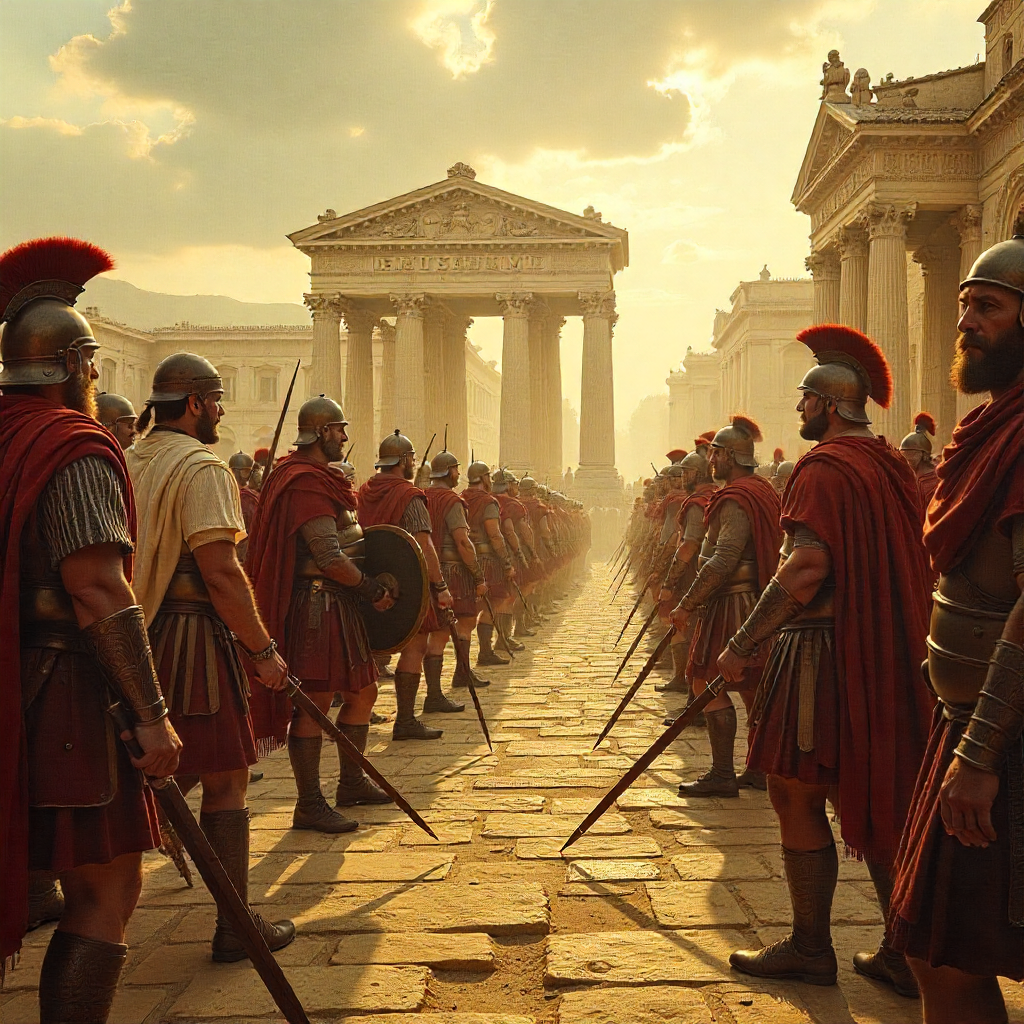
The Massagetae were a nomadic people living across Central Asia, dominating vast степpe lands critical for trade and military movement. We understand their society as fiercely independent, disciplined in warfare, and deeply resistant to foreign domination. Tomyris inherited not only a throne but also the collective responsibility of protecting her people’s sovereignty. Under her rule, leadership was not symbolic — it was decisive and absolute.
Cyrus the Great and the Expansion of Empire
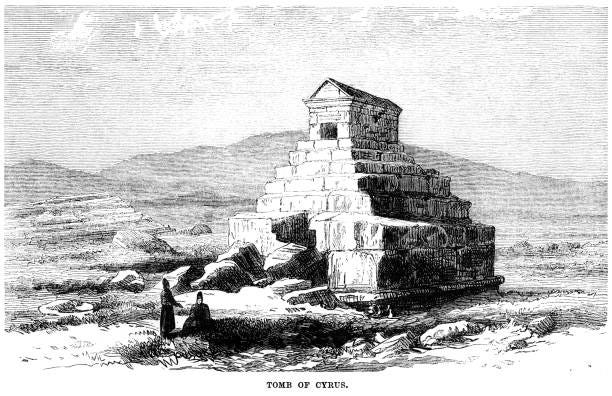
At the height of his power, Cyrus the Great commanded one of the most expansive empires the world had seen. His campaigns were calculated, relentless, and usually victorious. Persia absorbed kingdoms not merely through battle but through deception, diplomacy, and psychological warfare. When Cyrus set his sights on the Massagetae, he assumed dominance as inevitable. This assumption proved fatal.
Strategy Over Submission
We analyze Tomyris’ response to invasion not as emotional defiance, but as calculated resistance. When deception was used against her forces, resulting in personal loss, she did not collapse or surrender. Instead, she mobilized her full military strength with absolute clarity of purpose. Her leadership reflected an advanced understanding of terrain, enemy psychology, and force deployment.
This was not a spontaneous rebellion. It was a premeditated confrontation rooted in strategic knowledge and an unwillingness to compromise sovereignty.
The Battle That Changed History
The decisive battle between Tomyris and Cyrus became one of antiquity’s most consequential confrontations. We recognize this moment not only as a military victory but as the symbolic collapse of imperial arrogance. Persian forces were overwhelmed. Cyrus, the architect of conquest, was killed. Empires rarely record such defeats clearly — yet this one endured.
The importance of this victory extended far beyond the battlefield. It sent a message echoing across allied kingdoms and rival empires: no power is invincible.
Female Leadership in a Patriarchal World
Tomyris’ success challenges deeply rooted historical assumptions about gender and authority. We must acknowledge that her leadership was recognized, obeyed, and respected in a world defined by warfare and patriarchal norms. She commanded loyalty not through lineage alone but through competence, vision, and strength.
This redefines how we understand ancient leadership. Authority was earned, not assumed. Power was demonstrated, not inherited passively.
Why History Nearly Erased Her
We confront a difficult reality: historical narratives are often shaped by victors, archivists, and later political interests. Female rulers like Tomyris threatened dominant frameworks of power and were therefore minimized or mythologized. By restoring her story, we correct an imbalance and challenge selective memory.
Rediscovering Tomyris is not revisionism — it is historical accountability.
Modern Lessons From an Ancient Queen
The relevance of Tomyris extends beyond history. Her leadership offers enduring lessons in resistance, strategy, and national identity. We observe how she prioritized collective survival over appeasement, clarity over hesitation, and action over negotiation when sovereignty was at stake.
In a modern context, her example resonates with leaders faced with overwhelming pressure from larger powers. Strength, when guided by principle, remains timeless.
Cultural Impact and Legacy
Tomyris’ story influenced later narratives of warrior queens, resistance leaders, and revolutionary figures. Her victory became part of Central Asian cultural memory, reinforcing identity against colonization and erasure. While her name may not dominate mainstream textbooks, her impact persists in cultural consciousness and scholarly discourse.
Reclaiming the Narrative
We assert that Tomyris deserves recognition not as a footnote, but as a central figure in global history. Her story belongs alongside the most studied military leaders of antiquity. By restoring her place, we do more than honor a queen — we expand the boundaries of historical truth.
Conclusion: Power Remembered
Tomyris was not merely a ruler who won a battle. She was a leader who shattered assumptions, halted an empire, and proven that strength is not defined by gender or scale, but by resolve and action. History remembers conquerors — but it must also remember those who stopped them.
메타데이터
- post_id
- a898ff5b30b5
- slug
- tomyris-the-warrior-queen-who-defeated-a-great-king-a898ff5b30b5
- url
- https://medium.com/@aalikinfo/tomyris-the-warrior-queen-who-defeated-a-great-king-a898ff5b30b5
- canonical_url
- https://medium.com/@aalikinfo/tomyris-the-warrior-queen-who-defeated-a-great-king-a898ff5b30b5
- author_url
- https://medium.com/@aalikinfo
- status
- ok
- fetched_at
- 2026-07-30 05:10:06