Managing Updates: Bath Installers’ Approach to Product Model Changes
Explore how bath installers effectively manage product model updates during design and installation for seamless results.
How Do Bath Installers Handle Updates and Changes to Product Models During the Design and Installation Process?
The world of construction and home design is continually evolving, particularly in the bathroom sector. Bath installers play a crucial role in bringing designs to life, and they must navigate various challenges, including updates and changes to product models.
This article delves into how bath installers adapt to these changes during the design and installation process, ensuring that their work meets the latest standards while satisfying client needs.
Understanding the Importance of Product Updates
Why Product Updates Matter
In the fast-paced world of construction, keeping up with product updates is essential for several reasons:
- Improved Features: New models often come with enhanced functionality and design elements.
- Regulatory Compliance: Updated products may meet new building codes and standards.
- Consumer Preferences: As trends evolve, so do customer expectations regarding aesthetics and functionality.
The Role of Bath Installers
Bath installers are responsible for the successful implementation of bathroom designs. They must be well-versed in the latest product offerings to ensure that installations are not only visually appealing but also practical and compliant with regulations.
The Design Phase: Anticipating Changes
Initial Planning and Design
During the design phase, bath installers collaborate with architects and designers to create a functional layout. This stage includes:
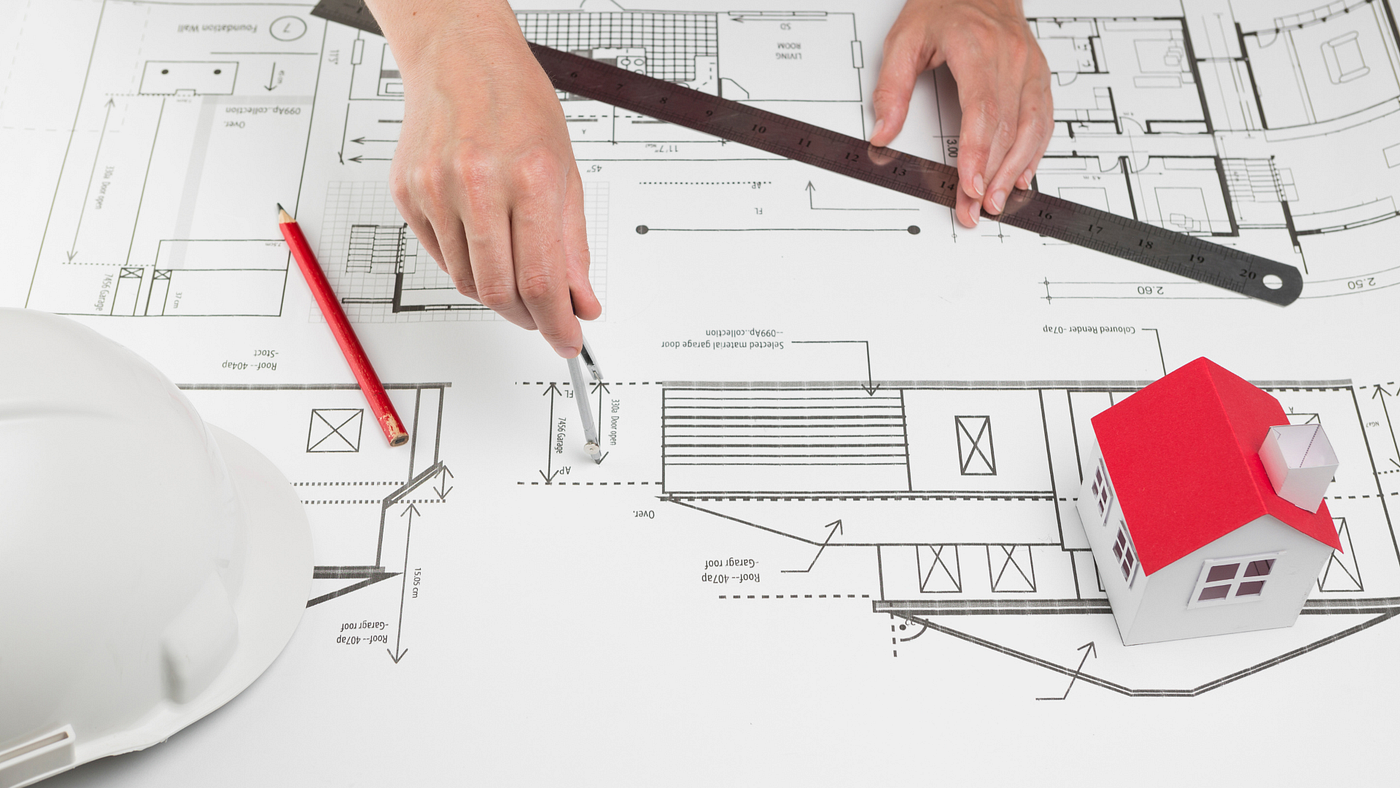
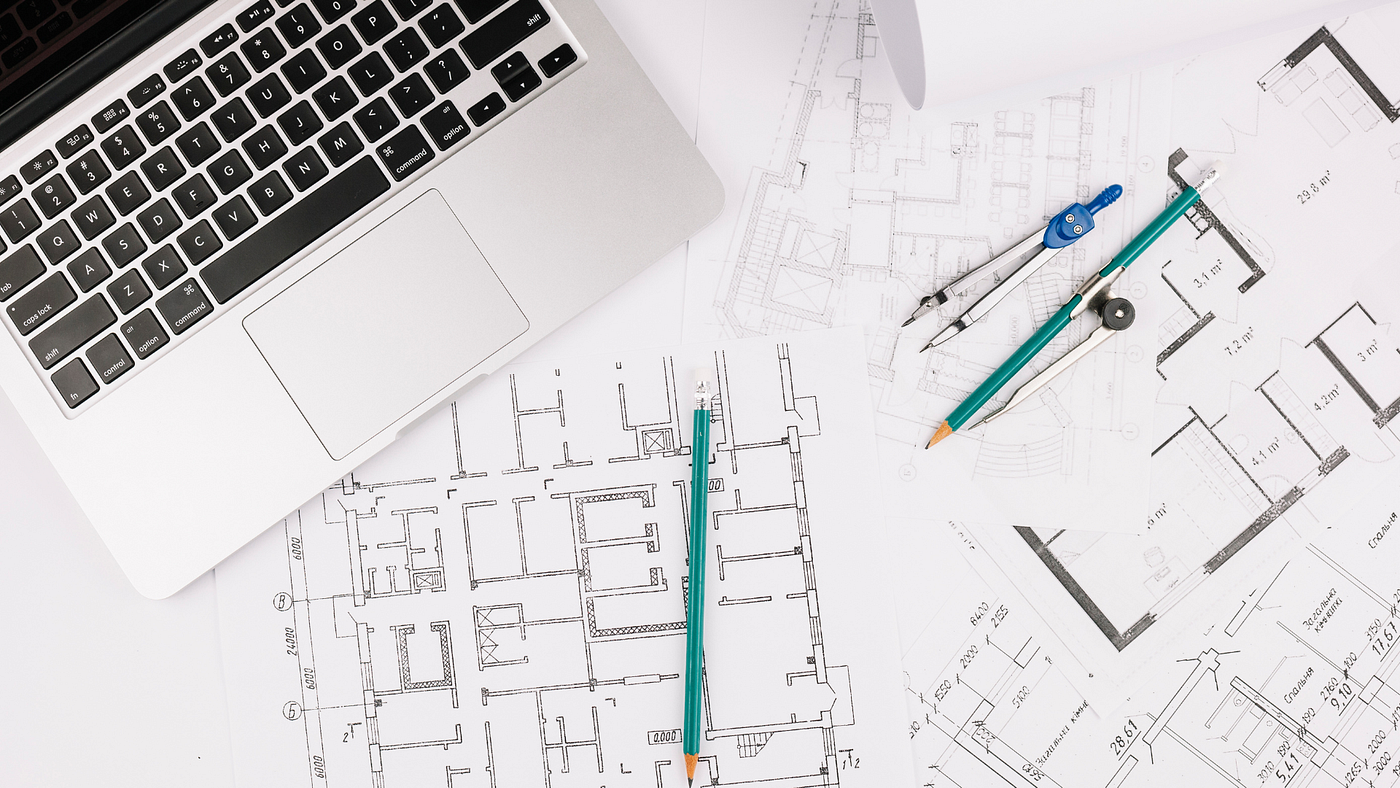
- Blueprints and CAD Models: Visual representations help clarify spatial arrangements.
- Material Selection: Choosing fixtures, tiles, and other materials that align with the overall design.
Staying Informed About Product Updates
To effectively handle updates, bath installers should:
- Attend Industry Trade Shows: These events showcase the latest products and innovations.
- Subscribe to Manufacturer Newsletters: Regular updates from manufacturers provide insights into new releases.
- Join Professional Networks: Engaging with peers can help installers stay informed about trends and changes.
Incorporating Flexibility into Designs
Anticipating changes requires a flexible design approach. Installers can implement strategies such as:
- Modular Designs: Using interchangeable components allows for easy upgrades.
- Standardization: Adopting common dimensions and fittings reduces the impact of product changes.
The Installation Phase: Adapting to Changes
Pre-Installation Preparations
Before installation begins, bath installers must ensure they are prepared for any updates or changes:
- Reviewing Product Specifications: Understanding the features and requirements of new models.
- Updating Installation Plans: Adjusting installation procedures to accommodate new products.
Handling Last-Minute Changes
Changes can arise unexpectedly, necessitating quick adaptations. Bath installers typically follow these steps:
- Clear Communication: Discuss changes with clients and design teams to ensure everyone is aligned.
- Rapid Assessment: Evaluate how the new product will affect existing plans and materials.
- Revising Work Orders: Update any contracts or work orders to reflect the changes.
Problem-Solving During Installation
The installation phase can present unforeseen challenges. Bath installers must be equipped to handle these issues:
- Material Substitutions: If a product becomes unavailable, installers should have alternative options ready.
- On-Site Adjustments: Adapting the installation to fit new product dimensions or requirements.
Post-Installation Considerations
Quality Control Checks
After installation, bath installers must conduct thorough quality control checks to ensure:
- Functionality: All fixtures operate as intended.
- Compliance: Products meet all regulatory requirements.
Client Education
Educating clients about their new installations is crucial. Installers should provide:
- Maintenance Instructions: How to care for and maintain new products.
- Warranty Information: Details on manufacturer warranties and service options.
Feedback and Follow-Up
Post-installation feedback is essential for continuous improvement. Installers can:
- Request Client Feedback: Understanding the client’s experience can highlight areas for improvement.
- Follow Up on Performance: Check in to ensure everything is functioning correctly.
Best Practices for Bath Installers
To effectively handle updates and changes during the design and installation process, bath installers can adopt several best practices:
Build Strong Relationships with Manufacturers
Developing strong ties with manufacturers allows installers to gain insights into upcoming products and changes, enabling proactive adaptations.
Utilize Technology
Leveraging software tools for design, project management, and communication can streamline processes. Some useful technologies include:
- BIM (Building Information Modeling): For detailed project visualizations.
- Project Management Software: To track progress and changes efficiently.
Continuous Education and Training
Staying updated with the latest techniques, products, and regulations is vital. Bath installers should:
- Attend workshops and seminars regularly.
- Participate in certification programs to enhance their skills.
Conclusion
Handling updates and changes to product models is a critical aspect of the bath installation process. By staying informed, maintaining flexibility in design, and ensuring clear communication, bath installers can successfully navigate these challenges. As the industry continues to evolve, embracing best practices will not only enhance the quality of installations but also improve client satisfaction.
In the competitive landscape of home building and architecture, the ability to adapt to changes is not just an asset but a necessity. By prioritizing ongoing education and effective communication, bath installers can position themselves as reliable partners in the construction process, ensuring that every bathroom project meets modern standards and client expectations.
메타데이터
- post_id
- a8a2a4e6b586
- slug
- managing-updates-bath-installers-approach-to-product-model-changes-a8a2a4e6b586
- url
- https://medium.com/@anuj.rawat_17321/managing-updates-bath-installers-approach-to-product-model-changes-a8a2a4e6b586
- canonical_url
- https://medium.com/@anuj.rawat_17321/managing-updates-bath-installers-approach-to-product-model-changes-a8a2a4e6b586
- author_url
- https://medium.com/@anuj.rawat_17321
- status
- ok
- fetched_at
- 2026-06-27 23:56:40