Why API 6A 15M Gate Valves Matter More Than Ever in Modern Wellsite Operations
The oilfield has changed. Pressures are higher, frac cycles are faster, sand loads are worse, and downtime is more expensive than ever. Yet…
Why API 6A 15M Gate Valves Matter More Than Ever in Modern Wellsite Operations
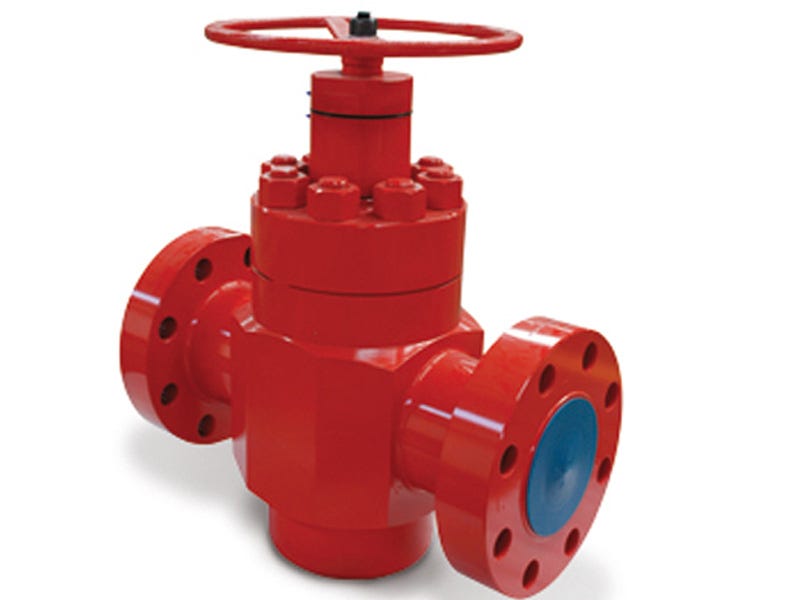
The oilfield has changed. Pressures are higher, frac cycles are faster, sand loads are worse, and downtime is more expensive than ever. Yet one piece of equipment keeps showing up as the root cause of failure reports:
the gate valve.
Most operators focus on iron, pumps, flowlines, or tree components… but at 15,000 PSI, the wrong valve choice will shut down your entire operation, sometimes in seconds.
After two decades around drilling rigs, frac spreads, and flowback packages, I’ve learned one thing very clearly:
A 15M valve doesn’t fail because it’s “old” — it fails because someone selected the wrong design for the job.
This Medium post breaks down the real selection logic behind API 6A 15M gate valves — not from a manufacturer’s brochure, but from field-level experience.
If you want the fully expanded engineering version, you can read the complete technical guide here: 👉 Full Blog: https://blazess.com/api-6a-15m-gate-valves-selection-guide
The Real Job of a 15M Valve
Engineers often talk about “pressure rating,” but that number only tells part of the story. A 15M valve must handle:
- extreme pressure spikes
- high-rate frac flow
- abrasive sand loads
- rapid cycling
- torque that climbs dangerously fast
- unplanned shut-in events
A good valve isn’t one that passes a test — it’s one that keeps performing after months of abuse.
Three Valve Styles That Actually Work at 15M
Forget the dozens of configurations you see in catalogs. In real operations, three valve types consistently survive high-pressure work.
1. FC-Style Manual or Hydraulic Valve
The workhorse for drilling, isolation, and standard well control. Stable, reliable, proven. Not your best option in heavy sand.
2. Hydraulic FLSR Valve
When you need safety, speed, or distance between the operator and the pressure path, hydraulic actuation wins every time. Perfect for choke/kill, drilling manifolds, and anywhere manual torque becomes unsafe.
3. FLSR Ball-Screw Valve
This is the frac and flowback champion. If you’re dealing with:
- high sand concentration
- rapid cycling
- pressure swings
…this design beats everything else.
I’ve seen operations destroy an FC valve in a single shift — and an FLSR ball-screw sit in the same environment for weeks without a complaint.
How to Choose the Right Valve (The 4-Point Framework)
Whether you’re a drilling engineer, frac supervisor, or procurement lead responsible for uptime, this simple framework eliminates 90% of selection mistakes.
1. Start With the Application
Drilling ≠ frac. Flowback ≠ production.
- Drilling → FC hydraulic
- Frac → FLSR ball screw
- Flowback (sand-heavy) → FLSR ball screw
- Wellhead production → FC manual or hydraulic
2. Pick the Correct Bore Size
Bigger is NOT automatically better. The right bore stabilizes flow, reduces erosion, and matches the rest of your iron.
Common bores: 3–1/16”, 4–1/16”, 5–1/8”, 7–1/16”
3. Decide on Actuation
Manual, ball-screw manual, or hydraulic — this is really a safety question, not a convenience question.
If torque can exceed safe manual limits, hydraulic will save you trouble (and risk).
4. Match to the Media
Nothing kills a gate faster than sand running through a valve not built for it.
- Sand → FLSR
- High-rate gas → larger bore
- Mud → FC hydraulic
- Liquids → FC fine
The Most Common Failure I See in the Field
People buy 10M valves for borderline 15M operations. It works fine until the first pressure spike — then it fails exactly the way you’d expect.
If you’re touching 15,000 PSI, don’t gamble.
If You Need 15M Valves Built for Real Field Use
We supply a complete lineup of API 6A-compliant 15M valves — FC, FLSR, ball-screw, hydraulic, and custom configurations.
Browse all available models here: 👉 15M Gate Valves & API 6A Equipment: https://blazess.com/shop/api-6a-gate-valves
Every configuration includes:
- API 6A compliance
- correct PSL and material class
- pressure test data
- traceability
- serviceability support
Because at 15,000 PSI, equipment integrity isn’t optional.
Final Thoughts
Medium isn’t where we publish technical manuals — it’s where we talk honestly about what actually works in the field.
And after 20+ years in high-pressure environments, the truth is simple:
A 15M valve is only “good” if it’s the right valve for the job.
If you want the complete engineering breakdown, including bore charts, valve comparisons, and selection checklists, read the full detailed guide: 👉 https://blazess.com/api-6a-15m-gate-valves-selection-guide
메타데이터
- post_id
- a8a9819c62e1
- slug
- why-api-6a-15m-gate-valves-matter-more-than-ever-in-modern-wellsite-operations-a8a9819c62e1
- url
- https://medium.com/@blazess/why-api-6a-15m-gate-valves-matter-more-than-ever-in-modern-wellsite-operations-a8a9819c62e1
- canonical_url
- https://medium.com/@blazess/why-api-6a-15m-gate-valves-matter-more-than-ever-in-modern-wellsite-operations-a8a9819c62e1
- author_url
- https://medium.com/@blazess
- status
- ok
- fetched_at
- 2026-07-14 09:04:03