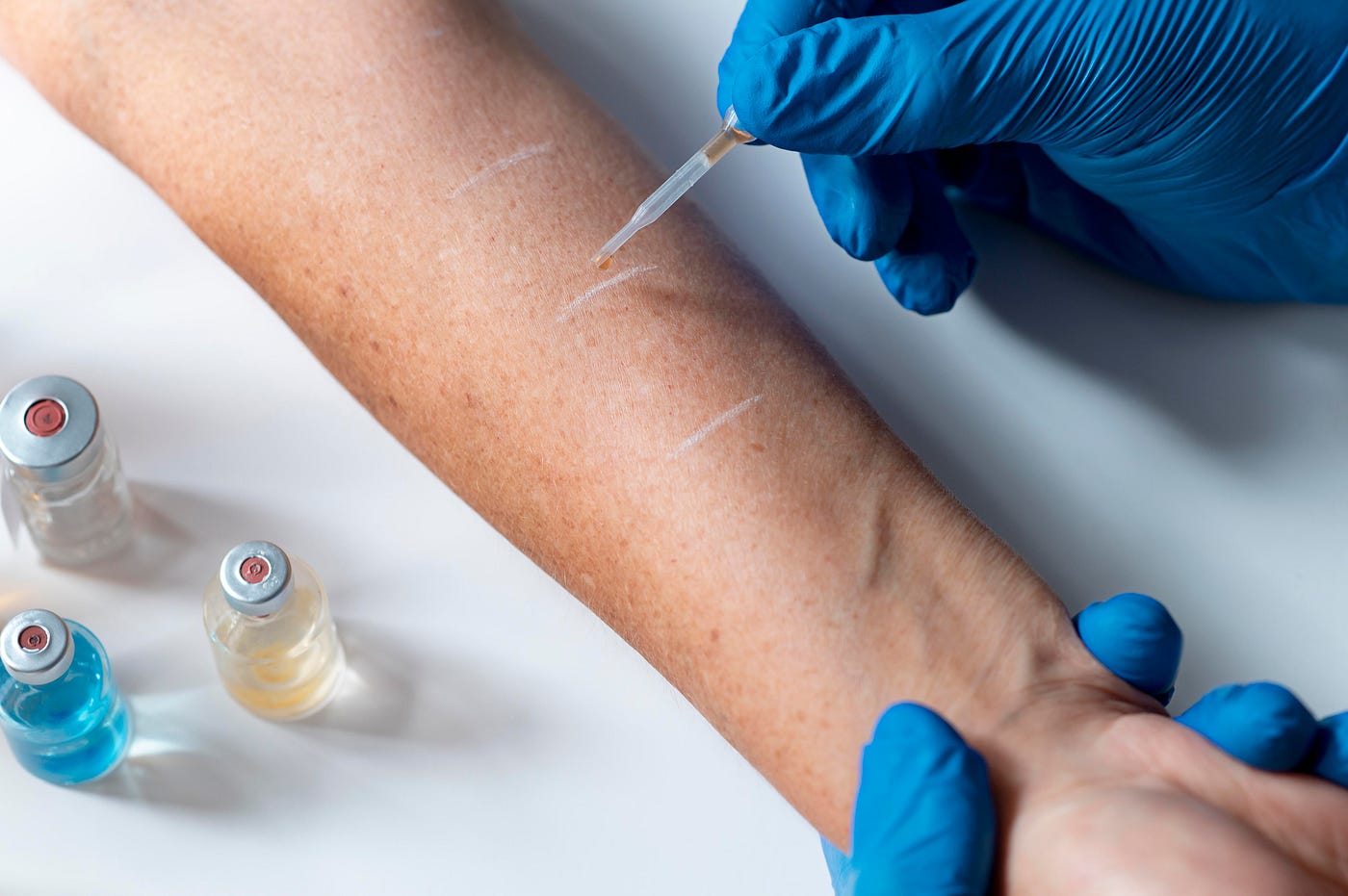
Advanced Approaches to Wound Care: Promoting Faster Healing and Better Health
Dealing with wounds that won’t heal can be a frustrating and painful experience. Whether caused by injury, surgery, or chronic health…
Advanced Approaches to Wound Care: Promoting Faster Healing and Better Health

Dealing with wounds that won’t heal can be a frustrating and painful experience. Whether caused by injury, surgery, or chronic health conditions, wounds require careful management to prevent infection, reduce complications, and support the body’s natural healing process. Modern wound care combines advanced medical techniques, technology, and personalized treatment to improve outcomes for patients of all ages.
In this article, we will explore what wound care entails, types of wounds, advanced treatment options, and the importance of specialized care.
Understanding Wound Care and Its Importance
Wound care is a medical practice focused on treating injuries to the skin and underlying tissues. The primary goals of wound care are:
- Preventing infection
- Accelerating the healing process
- Minimizing scarring
- Reducing pain and discomfort
- Maintaining overall health
Proper care is particularly important for individuals with diabetes, circulatory problems, or other conditions that can hinder the body’s natural ability to heal. Without timely intervention, even minor wounds can develop into chronic issues, increasing the risk of serious complications.
Types of Wounds That Require Specialized Treatment
Wounds can vary in severity and healing potential. Some heal naturally with basic care, while others require professional intervention.
Acute Wounds Acute wounds occur suddenly, such as cuts, burns, or surgical incisions. They typically heal within a predictable timeframe with proper care.
Chronic Wounds Chronic wounds are persistent and slow to heal, often due to underlying medical conditions. Common chronic wounds include:
- Diabetic foot ulcers
- Venous stasis ulcers
- Pressure sores
- Post-surgical wounds
- Burns or radiation-related skin injuries
- Bone infections
Patients seeking wound care in Merrimack Valley, MA often present with these complex wounds, highlighting the need for expert treatment.
Factors That Affect Wound Healing
Understanding why some wounds fail to heal is critical to effective management. Delayed healing can result from:
- Poor blood circulation
- Diabetes or high blood sugar levels
- Repeated pressure or friction
- Infection
- Nutritional deficiencies
- Advanced age or weakened immunity
Specialized wound care addresses these factors directly, using both surgical and non-surgical methods to encourage faster recovery.
Advanced Treatment Options
Modern wound care offers several evidence-based therapies to promote healing:
Hyperbaric Oxygen Therapy This method increases oxygen delivery to tissues, enhancing the body’s natural repair processes and helping fight infection.
Negative Pressure Wound Therapy Vacuum-assisted therapy removes excess fluid, improves blood flow, and stimulates tissue regeneration from the inside out.
Bioengineered Skin Substitutes These materials replicate natural skin and support tissue growth over chronic or complex wounds.
Specialized Dressings Biological and biosynthetic dressings maintain ideal moisture levels, protect from infection, and encourage healing.
Growth Factor Therapy Natural proteins stimulate cell growth and tissue repair, speeding up recovery for hard-to-heal wounds.
The Role of Blood Circulation in Wound Healing
Good circulation is essential for delivering oxygen and nutrients to the wound site. Poor vascular health can delay healing and increase the risk of infection. Experts in wound care often evaluate and treat circulatory issues alongside direct wound management to ensure optimal outcomes.
Personalized Treatment Plans
Every patient and wound is unique. A tailored treatment plan may include:
- Detailed wound assessment
- Identification of underlying causes
- Use of advanced therapies
- Regular monitoring and adjustments
- Guidance on home care and lifestyle changes
Personalized care ensures that treatment is effective, sustainable, and aligned with the patient’s needs.
Preventing Complications Through Timely Care
Delayed or inadequate treatment can lead to severe complications such as infection, tissue loss, chronic pain, or even amputation. Early intervention is key to preventing these outcomes. Patients who seek wound care in Merrimack Valley, MA benefit from timely, expert management that improves healing and reduces long-term risks.
Nutrition and Healing
A balanced diet supports the body’s repair processes. Key nutrients for wound healing include:
- Protein for tissue regeneration
- Vitamin C for collagen formation
- Zinc for immune system support
- Iron for oxygen transport
Proper nutrition can significantly enhance healing and recovery outcomes.
Emotional Support and Well-Being
Chronic wounds can affect not only physical health but also emotional well-being. Stress, anxiety, and frustration are common among patients dealing with slow-healing wounds. A comprehensive wound care program often includes counseling, reassurance, and patient education to support both emotional and physical recovery.
Frequently Asked Questions (FAQ)
What is the difference between acute and chronic wounds? Acute wounds heal within a predictable timeframe, while chronic wounds persist and require specialized care due to underlying health conditions.
When should I consult a wound care specialist? If a wound is not healing after a few days or shows signs of infection, consult a specialist for proper evaluation and treatment.
Can diabetes affect wound healing? Yes, high blood sugar can impair healing, making specialized care essential for diabetic patients.
Are advanced wound treatments safe? Yes, modern treatments like hyperbaric oxygen therapy and growth factor therapy are safe and supported by medical research.
How long does wound healing take? Healing time depends on the wound type, overall health, and chosen treatment method. Chronic wounds may take weeks to months to heal fully.
Conclusion
Wound care is a comprehensive approach that combines advanced therapies, personalized treatment plans, and patient education to promote faster healing and prevent complications. Patients with chronic or difficult-to-heal wounds benefit from timely intervention, expert guidance, and access to modern treatment options.
For anyone dealing with persistent wounds, seeking professional care ensures the best possible outcomes. With proper wound care, patients can achieve recovery, improve their quality of life, and return to daily activities confidently.
메타데이터
- post_id
- a8b1ffa34874
- slug
- advanced-approaches-to-wound-care-promoting-faster-healing-and-better-health-a8b1ffa34874
- url
- https://medium.com/the-surgical-perspective/advanced-approaches-to-wound-care-promoting-faster-healing-and-better-health-a8b1ffa34874
- canonical_url
- https://medium.com/the-surgical-perspective/advanced-approaches-to-wound-care-promoting-faster-healing-and-better-health-a8b1ffa34874
- author_url
- https://medium.com/@liamolive
- status
- ok
- fetched_at
- 2026-06-15 20:49:13