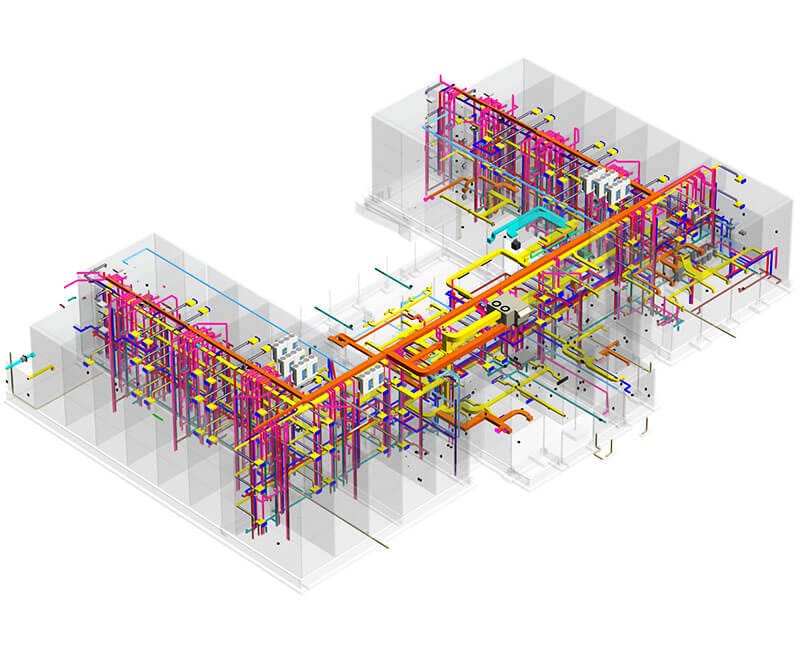
Best Practices for Cost-Effective MEP Design.
Introduction
Best Practices for Cost-Effective MEP Design.
Introduction
Mechanical, Electrical, and Plumbing (MEP) systems form the backbone of every modern building. Whether it is a commercial office, residential complex, healthcare facility, educational institution, industrial plant, or hospitality project, MEP Design systems significantly influence construction costs, operational efficiency, occupant comfort, and long-term building performance.
As construction costs continue to rise and sustainability requirements become increasingly important, owners, developers, architects, and engineers are focusing more than ever on cost-effective **MEP design**. However, cost-effective design does not mean simply selecting the cheapest equipment or reducing system capacity.
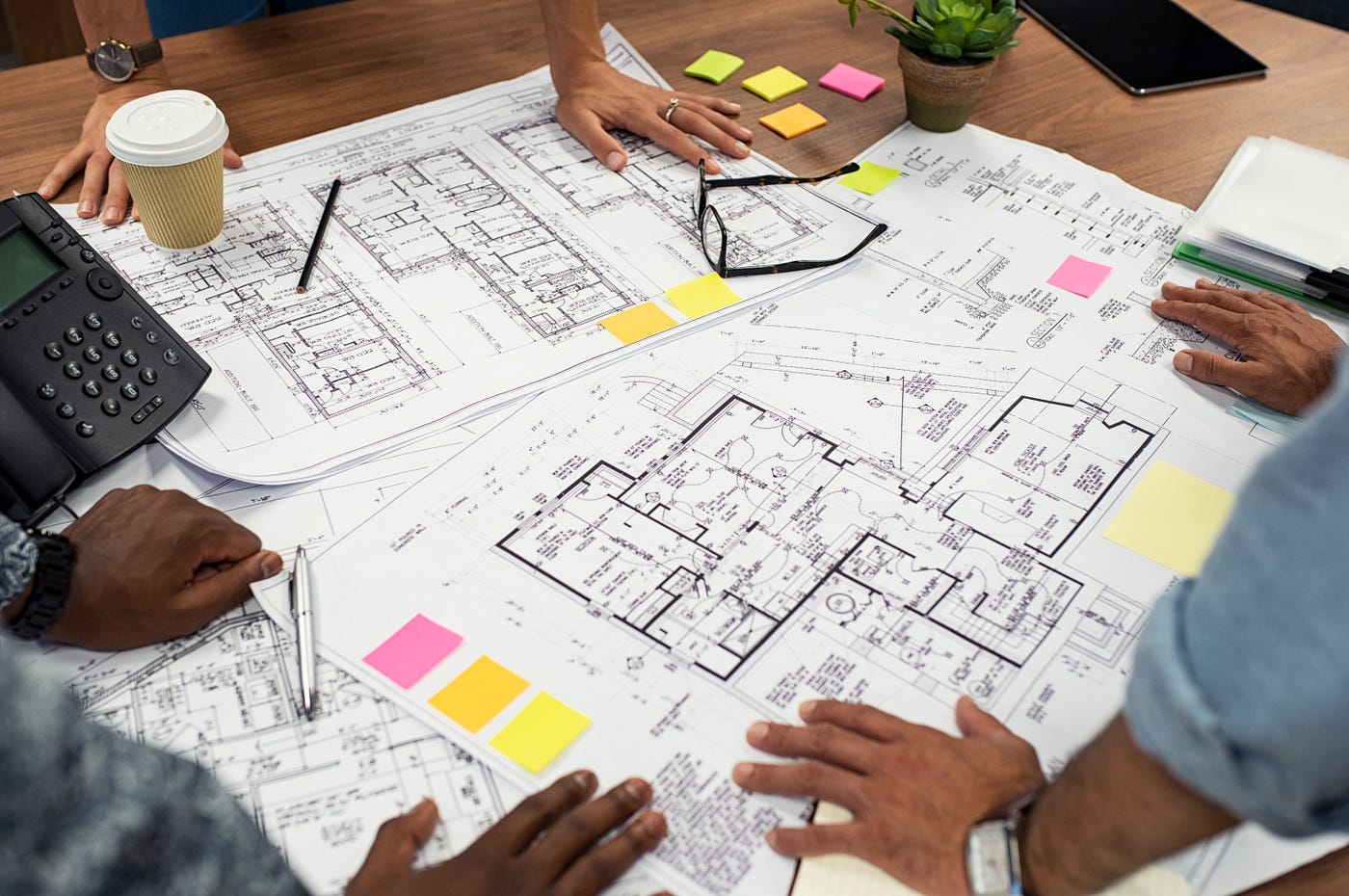
A well-planned MEP design reduces construction costs, improves energy efficiency, and enhances building performance. **MVN Engineering Service** provides cost-effective MEP design services, including HVAC, electrical, plumbing, and BIM solutions, helping clients achieve efficient, sustainable, and code-compliant buildings.
Understanding Cost-Effective MEP Design
Cost-effective MEP design focuses on delivering maximum value by optimizing system performance and reducing unnecessary expenditures throughout the project lifecycle. The primary objectives include:
- Reducing construction costs
- Minimizing energy consumption
- Lowering maintenance expenses
- Improving system reliability
- Enhancing occupant comfort
- Extending equipment lifespan
- Ensuring code compliance
- Supporting sustainability goals
The most successful MEP projects consider both short-term and long-term financial impacts rather than focusing solely on upfront costs.
1. Integrate MEP Design Early in the Project Lifecycle
One of the most effective ways to control costs is to involve MEP engineers during the conceptual design phase. Many construction projects encounter expensive redesigns because MEP systems are considered only after architectural layouts are finalized. Early collaboration allows engineers to identify opportunities for optimization before construction documents are developed.
Benefits of Early MEP Coordination
Reduced Design Conflicts Early planning helps prevent clashes between architectural, structural, and MEP systems, reducing costly design changes during construction.
- Structural elements
- HVAC ductwork
- Electrical conduits
- Plumbing systems
- Fire protection networks
Resolving conflicts during design is significantly less expensive than making modifications during construction.
Improved Space Utilization MEP engineers can recommend efficient equipment placement, optimized layouts, energy-efficient systems, and better space utilization to reduce costs.
- Efficient equipment placement
- Optimized service shafts
- Compact plant rooms
- Reduced ceiling congestion
This can free up valuable usable floor space and improve project profitability.
2. Adopt a Lifecycle Cost Approach
While initial purchase costs influence budgeting decisions, lifecycle cost analysis considers energy usage, maintenance, repairs, and replacement expenses over time, helping project teams choose MEP systems that maximize efficiency, reliability, and long-term cost savings.
Lifecycle costs include:
- Equipment purchase
- Installation
- Energy consumption
- Maintenance
- Repairs
- Replacement
- Disposal
Example
A high efficiency chiller may cost more initially but could reduce energy bills by 20–30% annually. Over a 20-year lifespan, the energy savings may far exceed the additional investment. When evaluating alternatives, compare:
- Initial cost
- Operating cost
- Maintenance cost
- Service life
- Energy efficiency
3. Optimize HVAC System Design
HVAC systems often account for the largest share of MEP Design costs and building energy consumption. An efficiently designed HVAC system improves indoor comfort, reduces equipment and installation costs, lowers energy usage, and minimizes long-term maintenance and operating expenses.
Perform Accurate Load Calculations Oversized HVAC systems result in:
- Higher equipment costs
- Increased energy consumption
- Frequent cycling
- Reduced equipment lifespan
Accurate heating and cooling load calculations help determine the correct equipment size.
Use High-Efficiency Equipment
- Variable Refrigerant Flow (VRF) systems
- High-efficiency chillers
- Energy-efficient pumps
- Variable speed drives (VFDs)
- Heat recovery systems
Although these systems may require higher initial investment, they often deliver substantial long-term savings.
Optimize Ductwork Layout Efficient duct design can:
- Reduce material requirements
- Lower installation costs
- Minimize pressure losses
- Improve airflow performance
Shorter duct runs generally lead to lower operating expenses.
4. Implement Energy-Efficient Electrical Design
Electrical systems directly impact operational costs throughout a building’s lifespan. Efficient electrical design reduces energy consumption, minimizes power losses, improves load management, and enhances system reliability, ultimately lowering maintenance expenses and ensuring safe, cost-effective building operations.
Use LED Lighting
- Lower energy consumption
- Longer lifespan
- Reduced maintenance costs
- Better lighting quality
Compared with conventional lighting, LED systems can reduce energy use by up to 70%.
Incorporate Smart Controls Smart lighting systems can include:
- Occupancy sensors
- Daylight sensors
- Scheduling controls
- Building automation integration
Optimize Power Distribution Efficient electrical distribution design reduces:
- Voltage drops
- Cable lengths
- Material costs
- Energy losses
5. Utilize Building Information Modeling (BIM)
Building Information Modeling has transformed MEP design and coordination. BIM enables project teams to create intelligent 3D models that integrate architectural, structural, and MEP systems. It improves clash detection, enhances collaboration among stakeholders, supports accurate quantity take-offs, and reduces errors, rework, and project delays during construction.
Cost Benefits of BIM
Clash Detection BIM identifies conflicts before construction begins, reducing:
- Rework costs
- Construction delays
- Material waste
Improved Coordination Teams can collaborate more effectively, resulting in:
- Faster approvals
- Better design quality
- Reduced change orders
Accurate Quantity Estimation BIM supports precise material takeoffs, helping improve procurement planning and cost control. It enables accurate estimation of quantities, reduces material wastage, streamlines ordering processes, and ensures better budget management throughout the project lifecycle.

6. Standardize Equipment and Components
Standardization can significantly reduce both capital and operational expenses by simplifying procurement, enabling bulk purchasing, reducing spare parts inventory, and improving maintenance efficiency through the use of uniform equipment and components across projects.
Advantages of Standardization
Lower Procurement Costs Using common equipment models allows bulk purchasing and supplier discounts, reduces procurement complexity, ensures consistent performance across systems, and helps control project costs while improving long-term maintenance efficiency and spare parts availability.
Simplified Maintenance Maintenance teams become familiar with fewer equipment types, improving service efficiency, reducing training time, minimizing errors during repairs, and enabling faster troubleshooting and maintenance response across building systems.
Reduced Spare Parts Inventory Facilities can maintain smaller inventories of replacement components, which reduces storage requirements, lowers inventory holding costs, minimizes capital blockage, and simplifies spare parts management while still ensuring quick availability for routine maintenance and repairs.
Examples include:
- Standard pump models
- Uniform lighting fixtures
- Common valve types
- Consistent electrical panels
7. Design for Maintainability
Maintenance considerations are often overlooked during design. Poor accessibility can dramatically increase maintenance costs over a building’s lifetime by making inspections, repairs, and replacements more time-consuming, labor-intensive, and expensive, while also increasing system downtime and operational inefficiency.
Best Practices
Provide Adequate Access Ensure sufficient clearance around MEP equipment like AHUs, pumps, panels, chillers, valves, and heaters for safe maintenance, inspection, and repairs.
- Air handling units
- Electrical panels
- Pumps
- Valves
- Water heaters
Use Modular Equipment Modular systems simplify installation, maintenance, and future upgrades by allowing easy replacement of components, reducing downtime, improving flexibility, and lowering labor and lifecycle costs in MEP projects.
- Repairs
- Replacements
- Future expansions
Minimize Complex Layouts Simple designs reduce troubleshooting time and maintenance labor costs.
8. Incorporate Water Efficient Plumbing Systems
Water conservation strategies help reduce both utility costs and environmental impact by minimizing water consumption, lowering wastewater generation, improving system efficiency, and supporting sustainable building operations through efficient plumbing design and smart water management practices.
Rainwater Harvesting Collected rainwater can be used for irrigation, toilet flushing, cooling systems, cleaning, and groundwater recharge, reducing municipal water demand and overall utility costs.
- Irrigation
- Toilet flushing
- Cooling tower makeup water
Efficient Pipe Routing Optimized plumbing layouts reduce material usage, installation time, labor costs, pressure losses, and maintenance complexity while improving system efficiency, water flow performance, and overall reliability of building plumbing systems.
- Material costs
- Installation labor
- Pressure losses
Shorter pipe runs also improve system efficiency.
9. Utilize Building Automation Systems (BAS)
Modern buildings benefit greatly from intelligent control systems. Building automation enables centralized monitoring and management of HVAC systems, lighting, power distribution, water usage, and indoor air quality, improving efficiency, comfort, and operational cost control.
- HVAC systems
- Lighting systems
- Power consumption
- Water usage
- Indoor air quality
Cost-Saving Benefits
Energy Optimization Automated controls adjust system performance based on actual occupancy and demand, optimizing energy usage, improving comfort levels, and reducing unnecessary operational costs in buildings.
Predictive Maintenance Monitoring equipment performance helps identify issues before failures occur, enabling predictive maintenance, reducing unexpected downtime, extending equipment lifespan, and lowering repair and operational costs in building systems.
Reduced Labor Costs Facility managers can control multiple systems through a single platform, enabling centralized monitoring, improved coordination, faster decision-making, reduced manual effort, and more efficient building operations across HVAC, lighting, power, and water systems.
10. Prioritize Energy Modeling and Simulation
Energy modeling provides valuable insights before construction begins. Simulation tools help evaluate:
- Building orientation
- HVAC performance
- Lighting efficiency
- Envelope performance
- Renewable energy opportunities
Benefits Energy modeling allows project teams to:
- Compare design alternatives
- Predict utility costs
- Optimize equipment selection
- Improve sustainability ratings
11. Select Materials Based on Long-Term Value
Choosing materials solely based on lowest purchase price can increase future maintenance costs due to reduced durability, frequent replacements, higher repair needs, and inefficient performance, ultimately raising the total lifecycle cost of building systems.
Consider Durability
High-quality materials often offer:
- Longer service life
- Better reliability
- Lower maintenance costs
Evaluate Total Cost of Ownership The least expensive material today may become costlier over time due to frequent repairs, replacements, higher maintenance needs, and reduced durability affecting lifecycle costs.
12. Design for Future Expansion
Buildings frequently undergo renovations and capacity increases. Future-ready designs reduce the cost of modifications later by providing flexibility, spare capacity, and scalable MEP infrastructure that supports easy expansion without major redesign or disruption.
Expansion Strategies
Reserve Space
- Electrical panels
- HVAC equipment
- Plumbing risers
- Communication infrastructure
Install Spare Capacity Allow future growth through scalable, flexible MEP systems with spare capacity, enabling easy expansion without major cost increases.
Use Flexible Infrastructure Modular systems can adapt more easily to changing building requirements, allowing quick upgrades, expansions, and reconfiguration while reducing downtime, installation effort, and overall lifecycle costs in MEP projects.
13. Conduct Value Engineering Workshops
Value engineering is a structured process that identifies opportunities to improve project value. The goal is not merely to reduce costs but to maximize performance per dollar spent by optimizing design, materials, systems, and construction methods without compromising quality, safety, or functionality.
Areas to Evaluate
- Equipment selection
- System configurations
- Material alternatives
- Installation methods
- Energy-saving opportunities
14. Ensure Compliance with Codes and Standards
Non-compliance often leads to expensive redesigns, delays, and penalties. Design teams should stay updated with applicable rules, technical guidelines, approval criteria, and industry best practices to ensure smooth project execution and avoid costly setbacks.
- Local building regulations
- Energy codes
- Fire safety requirements
- Electrical standards
- Plumbing codes
15. Embrace Sustainable Design Strategies
Sustainability and cost-effectiveness often go hand in hand. Green building strategies can reduce long-term operating expenses while improving building performance.
Renewable Energy Integration
- Solar photovoltaic systems
- Solar water heating
- Energy storage systems

The Role of Technology in Cost-Effective MEP Design
Emerging technologies continue to improve MEP efficiency and project economics. Key innovations include:
- Artificial Intelligence (AI)
- Digital Twins
- IoT-enabled monitoring
- Smart sensors
- Advanced energy analytics
- Cloud-based facility management systems
These technologies provide real-time performance insights and support continuous optimization throughout the building lifecycle.
Conclusion
Cost effective MEP design is not about cutting corners it is about making intelligent decisions that maximize value throughout a building’s lifecycle. Successful projects combine efficient planning, accurate engineering, advanced technology, energy conscious strategies, and strong interdisciplinary coordination to achieve optimal results. By integrating MEP systems early, adopting lifecycle cost analysis, leveraging BIM technology, optimizing HVAC and electrical systems, incorporating sustainable practices, and designing for maintainability and future expansion, project teams can significantly reduce construction and operational costs while enhancing building performance. As buildings become smarter, more energy-efficient, and increasingly focused on sustainability, cost-effective MEP design will continue to play a critical role in delivering high performing facilities that meet both financial and environmental objectives. Organizations that invest in thoughtful MEP planning today will benefit from lower operating expenses, improved occupant satisfaction, enhanced asset value, and greater long-term returns on investment for years to come.
메타데이터
- post_id
- a8ba0f844aa2
- slug
- best-practices-for-cost-effective-mep-design-a8ba0f844aa2
- url
- https://medium.com/@mepinsight/best-practices-for-cost-effective-mep-design-a8ba0f844aa2
- canonical_url
- https://medium.com/@mepinsight/best-practices-for-cost-effective-mep-design-a8ba0f844aa2
- author_url
- https://medium.com/@mepinsight
- status
- ok
- fetched_at
- 2026-07-15 22:08:41