The Psychology of Self-Sabotage in Intelligent People: Why Overthinkers Struggle With Happiness
The Psychology of Self-Sabotage in Intelligent People: Why Overthinkers Struggle With Happiness

Intelligence is often associated with success, awareness, and problem-solving ability. However, highly intelligent individuals frequently experience internal struggles that remain invisible to others. Many overthinkers battle anxiety, emotional exhaustion, perfectionism, and self-sabotaging behaviours despite appearing capable externally. Their minds constantly analyse possibilities, predict outcomes, and question decisions, which can create emotional fatigue instead of peace. In many cases, intelligence becomes both a strength and a burden simultaneously.
Self-sabotage among intelligent people usually does not appear as laziness or lack of ambition. Instead, it appears through excessive thinking, fear of failure, emotional avoidance, procrastination, and unrealistic self-expectations. The mind becomes trapped in endless analysis, making happiness feel difficult to sustain.
Overthinking Creates Emotional Paralysis

Highly analytical individuals often process situations more deeply than others. While this ability helps with critical thinking and creativity, it can also create emotional paralysis. Overthinkers tend to examine every possible outcome before taking action. This constant mental simulation increases anxiety because the brain begins focusing equally on negative possibilities.
As a result, intelligent individuals may delay decisions, avoid opportunities, or hesitate during important moments. They often seek certainty before acting, even though certainty rarely exists in real life. The fear of making the wrong decision gradually becomes stronger than the desire to move forward. This cycle creates frustration because the individual recognizes their own potential yet struggles to fully use it.
Overthinking also reduces present-moment enjoyment. The mind continuously shifts between future worries and past analysis, leaving little emotional space for peace or satisfaction.
Perfectionism and Fear of Failure
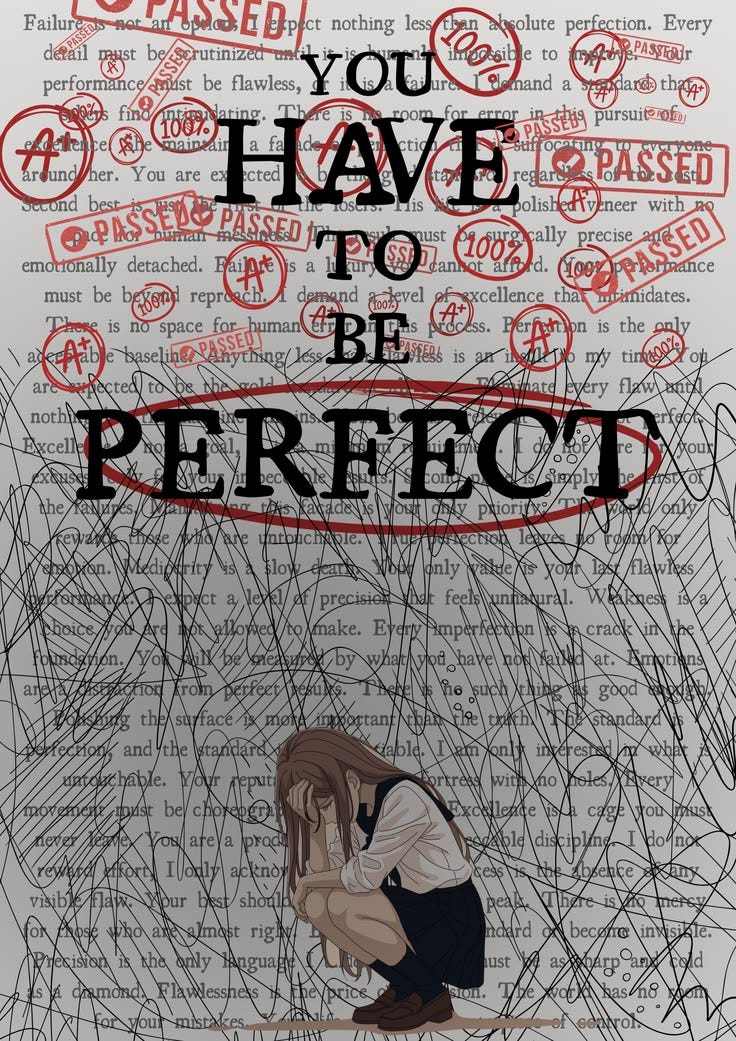
Many intelligent people develop perfectionist tendencies because they are highly aware of mistakes and consequences. They often place enormous pressure on themselves to meet unrealistic standards. Instead of celebrating progress, they focus intensely on flaws, weaknesses, or areas needing improvement.
This perfectionism can become self-sabotaging because the fear of imperfection prevents consistent action. Intelligent individuals sometimes abandon projects, relationships, or opportunities simply because they fear failure, criticism, or disappointment. In some situations, they subconsciously prefer not trying at all rather than risking visible failure.
Psychologically, this behavior acts as a defense mechanism. If they never fully commit, failure feels emotionally easier to justify. Unfortunately, this habit also prevents growth, confidence, and long-term happiness.
Why Happiness Feels Complicated for Overthinkers

Happiness often requires emotional presence, simplicity, and acceptance of uncertainty. Overthinkers struggle with these qualities because their minds naturally seek control and explanation. They constantly evaluate emotions instead of fully experiencing them. Even during positive moments, they may analyze whether the happiness will last or whether something could go wrong.
Intelligent individuals also tend to carry greater existential awareness. They think deeply about life purpose, societal pressures, identity, and personal meaning. While this depth creates wisdom and creativity, it may also increase emotional heaviness. The brain rarely rests because it continuously searches for understanding.
Learning emotional balance becomes essential for breaking self-sabotaging patterns. Overthinkers benefit from practicing mindfulness, emotional acceptance, and imperfect action. Happiness usually grows not from controlling every possibility, but from learning how to exist peacefully despite uncertainty.
The psychology of self-sabotage in intelligent people reveals how excessive thinking can interfere with emotional well-being. Overthinkers often struggle not because they lack ability, but because their minds rarely slow down enough to experience peace. Intelligence can provide remarkable insight, creativity, and awareness, but without emotional balance, it may also create anxiety and self-doubt. True happiness often begins when intelligent individuals stop trying to mentally control every outcome and allow themselves to simply live more freely.
— Bansi Joshi
메타데이터
- post_id
- a8bb0a6b53f1
- slug
- the-psychology-of-self-sabotage-in-intelligent-people-why-overthinkers-struggle-with-happiness-a8bb0a6b53f1
- url
- https://hanomatimes.com/the-psychology-of-self-sabotage-in-intelligent-people-why-overthinkers-struggle-with-happiness-a8bb0a6b53f1
- canonical_url
- https://hanomatimes.com/the-psychology-of-self-sabotage-in-intelligent-people-why-overthinkers-struggle-with-happiness-a8bb0a6b53f1
- author_url
- https://medium.com/@bansihanoma
- status
- ok
- fetched_at
- 2026-06-09 15:37:30