How Much Hair Fall Is Normal? When Should You Be Concerned?
Seeing hair on your pillow, in the shower drain, or on your hairbrush is something most people experience daily. It is natural to wonder…
How Much Hair Fall Is Normal? When Should You Be Concerned?
Seeing hair on your pillow, in the shower drain, or on your hairbrush is something most people experience daily. It is natural to wonder whether what you are losing is within the normal range or a sign of something that needs attention.

Hair fall is one of the most common concerns among both men and women in urban India. Pollution, stress, dietary gaps, and hormonal shifts all play a role. Knowing where normal ends and a problem begins can save you from unnecessary anxiety, or prompt you to seek timely help. For those already noticing significant thinning, **Hair Fall Treatment in Delhi **has become an increasingly sought-after solution, with more people choosing to address the issue early rather than waiting until it becomes severe.
This blog breaks down what normal hair fall looks like, what signs should concern you, and when it is time to see a professional.
Understanding the Hair Growth Cycle
To understand hair fall, it helps to know how hair grows.
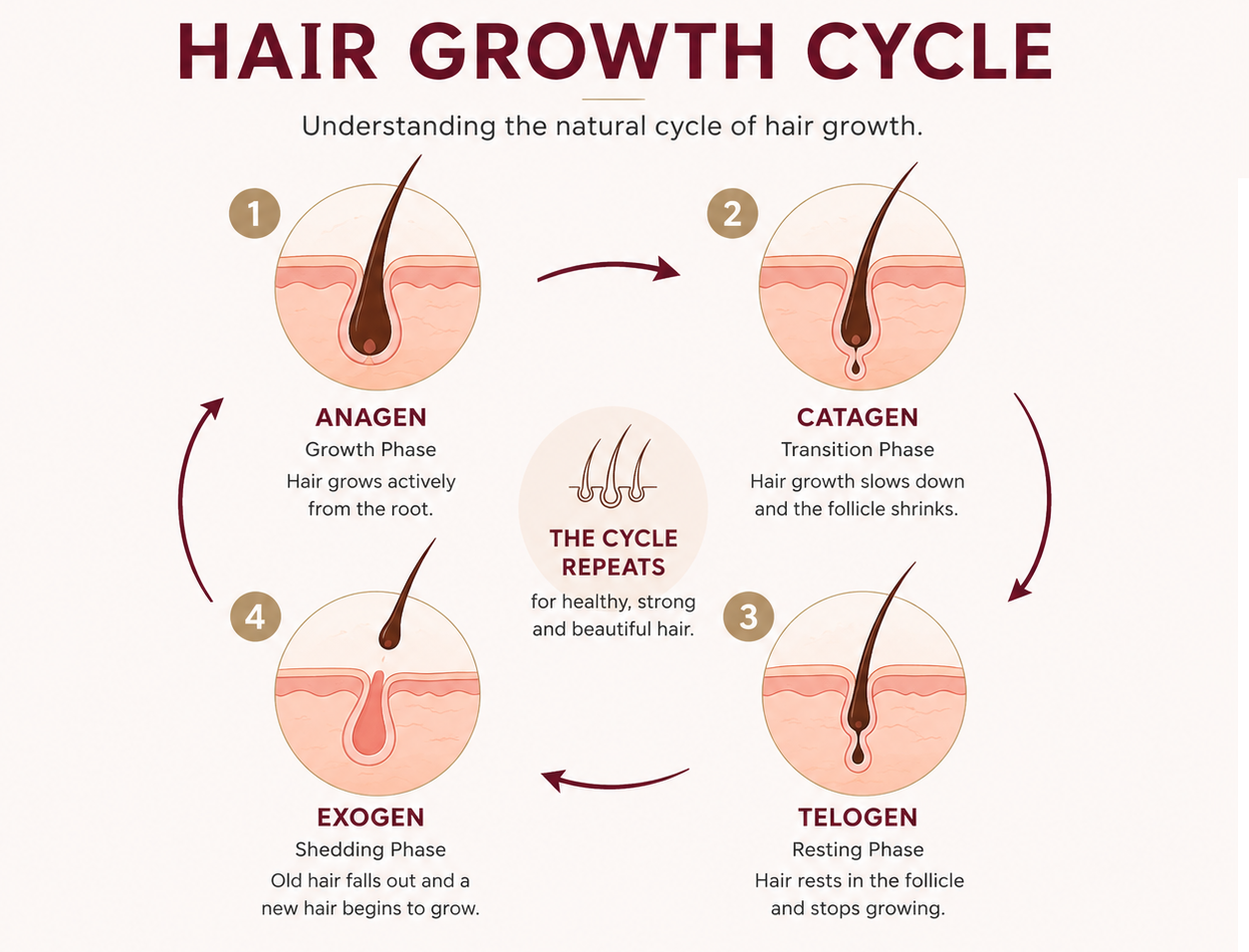
Each hair follicle goes through three phases:
- Anagen Phase (Growth Phase): This is the active growth stage and can last several years.
- Catagen Phase (Transition Phase): A short phase where hair growth slows and the follicle begins to shrink.
- Telogen Phase (Resting and Shedding Phase): The hair eventually sheds, making room for new hair growth.
Since different hairs are in different stages at any given time, shedding a certain number of strands daily is completely normal.
What Is Considered Normal Hair Fall?
The average person has between 100,000 and 150,000 hair follicles on the scalp. Hair grows in cycles, and at any point, a percentage of those follicles are in a resting or shedding phase.
Losing between 50 and 100 strands per day is considered completely normal. This accounts for hairs that have completed their natural growth cycle and are being replaced by new ones.
You may notice slightly more shedding:
- After washing hair
- When brushing or combing
- During seasonal changes, particularly autumn
- After periods of physical or emotional stress
In these situations, increased hair fall is usually temporary and self-correcting.
What Causes Normal Shedding to Increase?
Several common factors can push daily shedding above the usual range without it being a sign of a long-term problem.
Telogen Effluvium: This is a temporary condition where a large number of hair follicles enter the resting phase simultaneously. It is often triggered by illness, surgery, extreme dieting, childbirth, or significant emotional stress. Hair typically regrows within three to six months once the trigger is resolved.
Nutritional Deficiencies: Low levels of iron, vitamin D, biotin, zinc, or protein can disrupt the hair growth cycle. This is particularly common among people following restrictive diets or those with absorption issues.
Hormonal Changes: Thyroid imbalances, polycystic ovary syndrome, and post-pregnancy hormonal shifts are frequent contributors to increased hair fall in women.
Scalp Conditions: Dandruff, seborrheic dermatitis, or scalp infections can weaken hair at the root and increase shedding if left unaddressed.
When Should You Be Concerned About Hair Fall?
Not all hair loss is temporary or harmless. Certain patterns and signs indicate that something more than normal shedding is happening.
Seek professional advice if you notice:
- Losing more than 100 to 150 strands consistently every day
- Visible thinning at the crown, temples, or parting line
- A receding hairline that is progressively moving back
- Bald patches appearing suddenly on the scalp
- Hair not regrowing after several months of increased shedding
- Itching, scaling, or redness on the scalp alongside hair loss
- Hair fall that began after starting a new medication
These signs point toward conditions such as androgenetic alopecia, alopecia areata, or scalp-related disorders that require proper diagnosis and targeted treatment.
Why Early Intervention Matters
Hair follicles that are weakened over time can become permanently inactive if the underlying cause is not addressed. Early treatment preserves more follicles and leads to better outcomes compared to waiting until hair loss is advanced.
Many patients delay seeking help because they normalize their shedding or assume it will resolve on its own. While some cases do self-correct, others progress silently until significant thinning is visible. Getting a professional assessment early removes the guesswork entirely.
Choosing the Right Place for Diagnosis
Accurate diagnosis is the foundation of effective treatment. A blood panel, scalp examination, and a review of your medical history are typically needed to identify the root cause. Visiting the **Best Skin Clinic in Delhi **ensures you receive a thorough evaluation rather than a generalised prescription.

At Delhi Wellness Clinic, hair fall concerns are assessed with a structured approach. The team evaluates both the scalp and systemic factors that may be contributing to your hair loss before recommending any treatment. Whether the cause is nutritional, hormonal, genetic, or stress-related, the treatment plan is built around your specific case.
Final Takeaway
Losing 50 to 100 strands a day is normal. Consistent excessive shedding, visible thinning, bald patches, or hair that stops regrowing are not. Understanding the difference allows you to respond at the right time with the right care.

Hair fall is treatable in most cases, especially when addressed early. The key is accurate diagnosis followed by a personalized plan.
If you have noticed changes in your hair density or scalp health, do not wait. Book a consultation with the **Best Dermatologist in Delhi** at Delhi Wellness Clinic and get a clear, professional assessment of what your hair actually needs.
Original Source:- https://sites.google.com/view/delhi-wellness-clinics/home/blog/how-much-hair-fall-is-normal-when-should-you-be-concerned
메타데이터
- post_id
- a8bbcbc2f579
- slug
- how-much-hair-fall-is-normal-when-should-you-be-concerned-a8bbcbc2f579
- url
- https://medium.com/@delhiwellnessclinics/how-much-hair-fall-is-normal-when-should-you-be-concerned-a8bbcbc2f579
- canonical_url
- https://medium.com/@delhiwellnessclinics/how-much-hair-fall-is-normal-when-should-you-be-concerned-a8bbcbc2f579
- author_url
- https://medium.com/@delhiwellnessclinics
- status
- ok
- fetched_at
- 2026-06-27 07:40:21