Custom NVIDIA Jetson Carrier Board Design for Robotics and Edge AI Applications
Not Every Jetson Project Needs a Custom Carrier Board — But Many Production Products Eventually Do
Custom NVIDIA Jetson Carrier Board Design for Robotics and Edge AI Applications
Not Every Jetson Project Needs a Custom Carrier Board — But Many Production Products Eventually Do
For many robotics and Edge AI teams, product development starts with an NVIDIA Jetson Developer Kit.
It’s a practical way to evaluate AI performance, connect cameras, integrate sensors, and begin software development without designing hardware from scratch.
For early-stage projects, that’s exactly what a development kit is designed for.
But as the project matures, the questions begin to change.
It’s no longer:
“Can our AI model run on Jetson?”
Instead, it becomes:
- Can the hardware fit inside our enclosure?
- How do we connect six cameras instead of two?
- Can we simplify the wiring?
- Do we really need all the interfaces on the development kit?
- How do we reduce the BOM cost before mass production?
- Can we manufacture hundreds or thousands of units consistently?
These questions usually signal the same thing:
The project is moving from evaluation to product development.
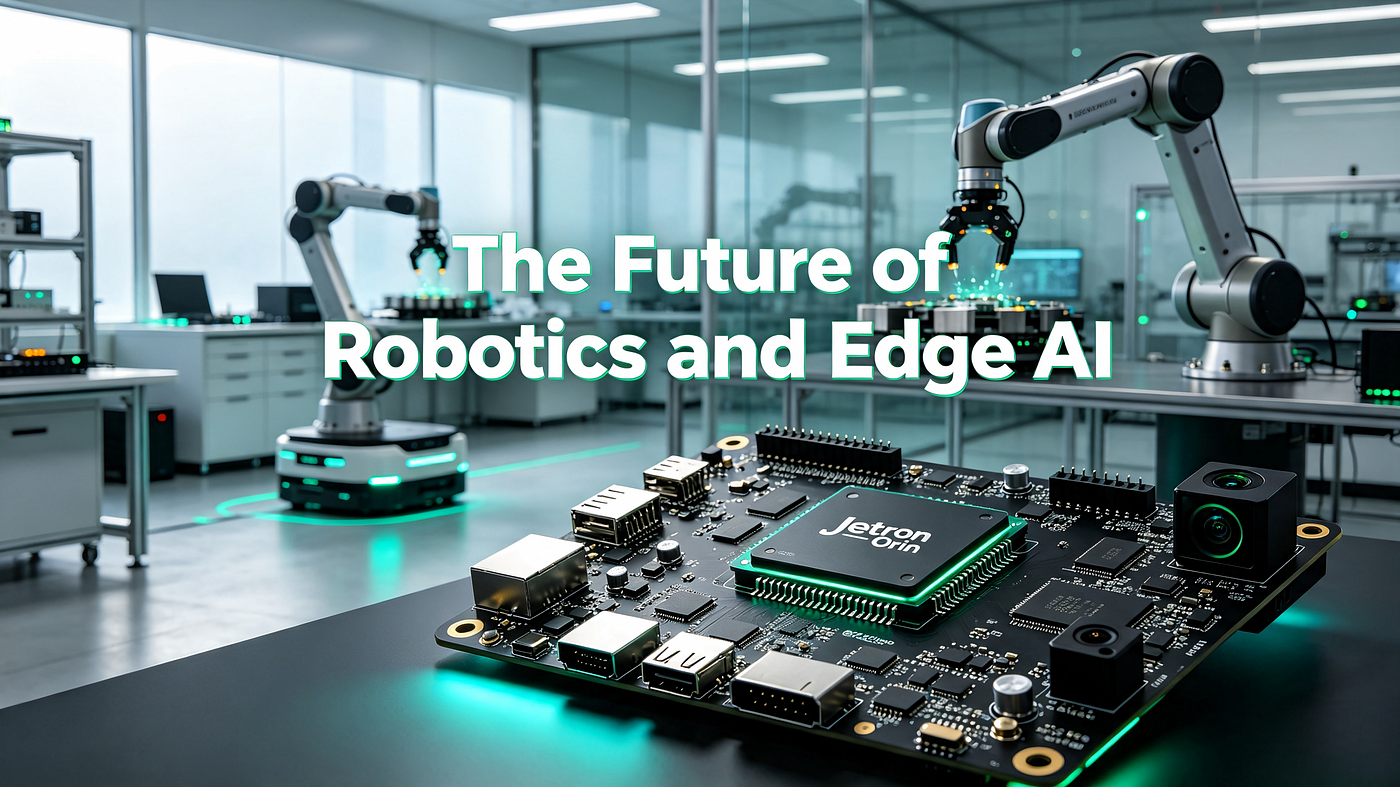
A Development Kit Is Designed for Evaluation
NVIDIA’s development kits are intentionally flexible.
They expose a wide range of interfaces, making it easy for engineers to experiment with different peripherals and software stacks.
That flexibility is valuable during R&D.
However, flexibility also comes with trade-offs.
Development kits are rarely optimized for:
- Product size
- Mechanical integration
- Cost optimization
- Power architecture
- Long-term component planning
- Manufacturing efficiency
In many commercial products, a large portion of the development board simply isn’t used.
Yet the product still needs to accommodate its size, connectors, and power requirements.
Every Robot Has Different Hardware Requirements
One thing we’ve learned from embedded hardware projects is that no two robotics products are exactly alike.
An AMR may prioritize Ethernet, CAN bus, and battery efficiency.
An AI camera may need multiple MIPI CSI interfaces and optimized thermal performance.
An industrial inspection system may require additional GPIOs, isolated I/O, or specialized expansion interfaces.
Trying to adapt every application to a standard development board often leads to unnecessary compromises.
A custom carrier board allows the hardware to be designed around the product instead of forcing the product to adapt to the hardware.
The PCB Is Only Part of the Design
When people talk about custom carrier boards, they often think about PCB layout.
In reality, PCB design is only one step in a much larger engineering process.
Before routing a single trace, engineers usually spend considerable time defining system requirements.
Questions such as these often determine the final hardware architecture:
- Which Jetson module best matches the application?
- How many cameras are required?
- Which communication interfaces are essential?
- How should power be distributed?
- What operating temperature should the system support?
- Will the product eventually need multiple hardware variants?
These decisions have a much greater impact on the final product than component placement alone.

Wallys AI BOX
Designing for Manufacturing Is Different from Designing for Demonstration
One prototype proving the concept is a great milestone.
But manufacturing hundreds or thousands of units introduces a different set of priorities.
Hardware engineers start paying attention to things that are easy to overlook during prototyping:
- Component lifecycle
- Alternative parts
- Assembly efficiency
- Functional testing
- Repairability
- Supply chain risks
Good hardware isn’t just hardware that works.
It’s hardware that can be built repeatedly with predictable quality.
Looking Beyond Today’s Requirements
Another common lesson is that hardware platforms often stay in the market much longer than expected.
A robot launched today may still be sold three or five years later.
Future requirements may include:
- Additional cameras
- New communication modules
- Higher-performance Jetson modules
- Different storage options
- Expanded I/O
Planning for future revisions early can significantly reduce redesign effort later.
Where Wallys Fits In
At Wallys, we’ve spent years designing embedded networking and industrial communication hardware.
As more robotics and Edge AI companies adopt NVIDIA Jetson modules, we’ve been expanding our engineering capabilities to support custom carrier board development for production applications.
Our work typically involves much more than PCB design.
It includes:
- Hardware architecture planning
- Schematic design
- PCB layout
- Interface customization
- Prototype bring-up
- Functional validation
- Small-batch production
- Manufacturing support
Every project is different, and there is rarely a universal hardware solution.
Our goal is to work with customers early in the product development process so the hardware platform supports both today’s requirements and tomorrow’s production plans.

sales1@wallystech.com
A custom Jetson carrier board is not something every project needs.
For many early-stage prototypes, a development kit is still the fastest and most practical option.
But once a product starts moving toward commercialization, hardware decisions become increasingly important.
The question is no longer whether the AI model can run.
It’s whether the hardware platform can support the product throughout its entire lifecycle — from prototype to production.
For teams building robotics or Edge AI products, at what stage did you realize the standard development kit was no longer enough?
메타데이터
- post_id
- a8bef9565c43
- slug
- custom-nvidia-jetson-carrier-board-design-for-robotics-and-edge-ai-applications-a8bef9565c43
- url
- https://medium.com/@lilyliwallys/custom-nvidia-jetson-carrier-board-design-for-robotics-and-edge-ai-applications-a8bef9565c43
- canonical_url
- https://medium.com/@lilyliwallys/custom-nvidia-jetson-carrier-board-design-for-robotics-and-edge-ai-applications-a8bef9565c43
- author_url
- https://medium.com/@lilyliwallys
- status
- ok
- fetched_at
- 2026-08-11 08:03:21