The Unintended Consequences of Another Man's Decision
You Didn’t Choose This: Negative Externalities in Everyday Life
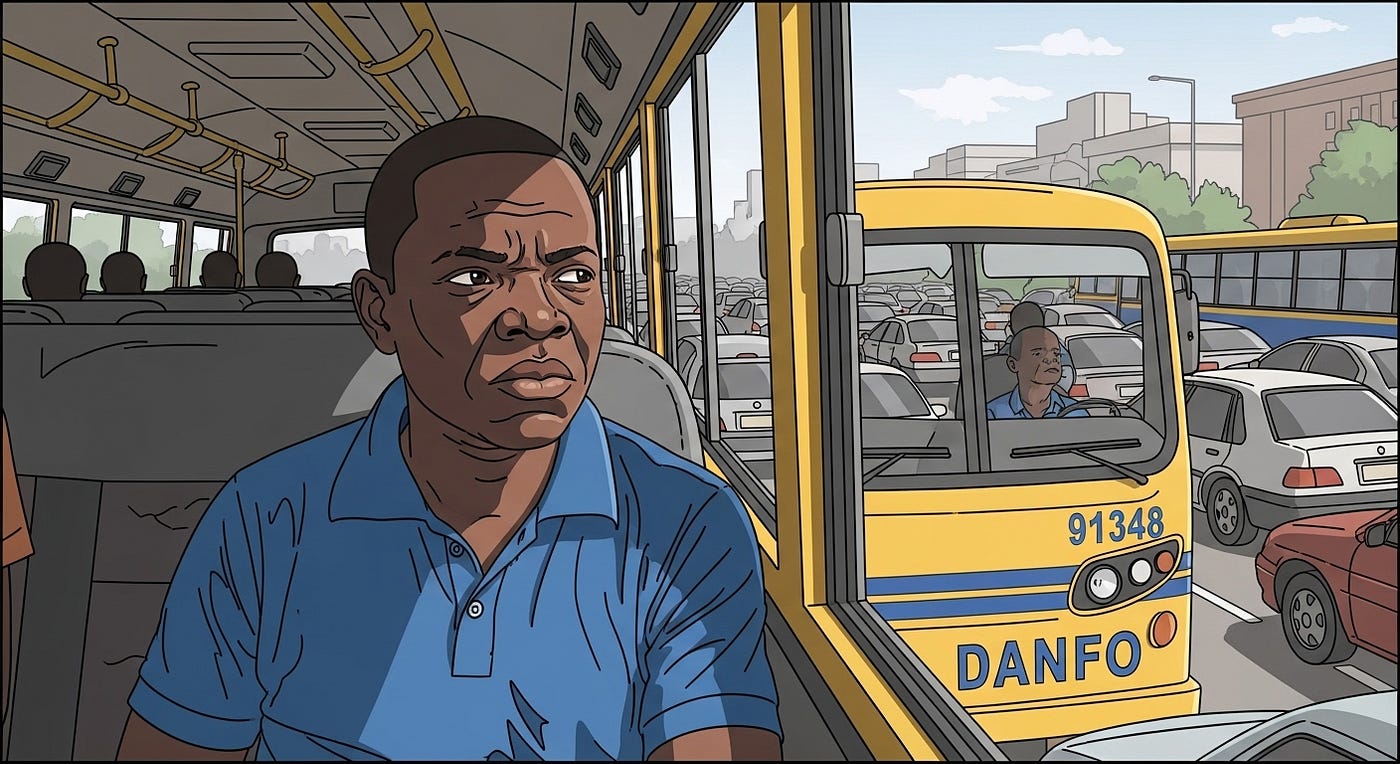
Some days, the experiences we go through are not the direct result of our own decisions. They are the consequences of someone else’s choice — made intentionally or unintentionally, for good or for bad.
You leave home early to beat Lagos traffic, plan your schedule, and do “everything right” — yet you still find yourself stuck in a standstill on the Ekó Mainland Bridge of Lagos. Not because you decided to be there, but because:
- Someone decided to park a truck badly and block a lane.
- Your Danfo driver decided to take a “shortcut” that made things worse.
- Another driver refused to service his car, and it broke down in the middle of the road.
- A traffic officer decided that today was the day to stop and question almost every vehicle.
The result? You’re late for your meeting or work. Your boss is angry. Your mood is ruined. Your whole day is coloured by the consequences of someone else’s choice.
This is what I call the Negative Externality Effect: when the impact of another person’s decision lands on you — uninvited, uncompensated, and often unnoticed by the person who caused it.
We may not always notice it, but it happens constantly. Many people encounter this reality every single day.
What Is an Externality?
In economics, externality is a well-known concept.
It describes a situation where the actions or decisions of one person (or organization) impose uncompensated costs or benefits on others who had no involvement in the original decision.
In other words, someone makes a decision, but someone else experiences the consequences.
Externalities can be positive or negative.
- Negative externality: A factory pollutes a river. Nearby residents get sick, lose income, or spend more money treating water — yet the factory doesn’t pay for these harms.
- Positive externality: A homeowner plants beautiful flowers in front of their house. Neighbours and passersby enjoy the view for free; their experience is improved by a decision they didn’t make.
Externalities are everywhere. They’re not just economic; they’re personal, social, emotional, and relational. And most of the time, the decision-maker doesn’t fully carry the cost — someone else does.
That “someone else” is often you.
Everyday Negative Externalities: More Than Just Theory
Think of these situations:
- The Lagos traffic jam: Your punctuality, peace of mind, and even your job security can be shaken by the decisions of drivers, law enforcement, or infrastructure managers you’ve never met.
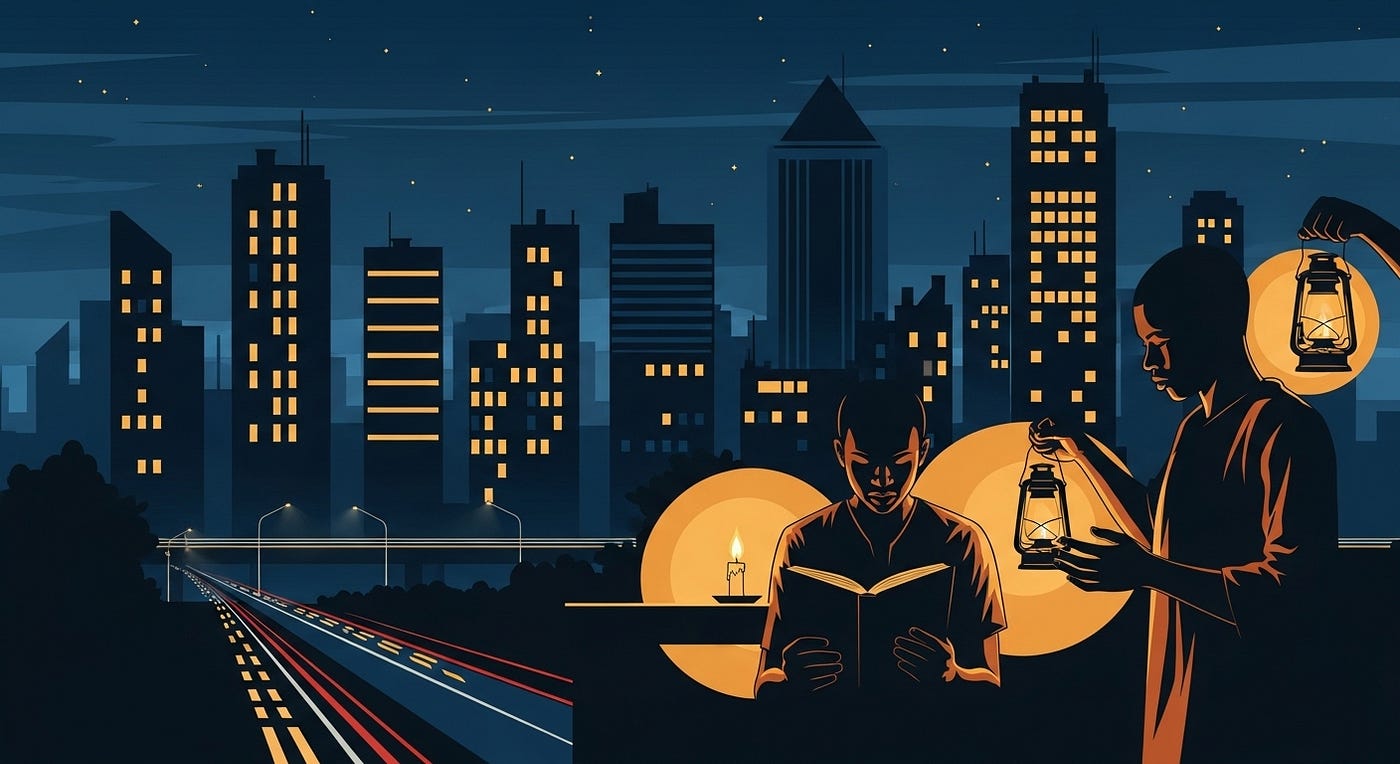
- The dropped internet call: You’re in a crucial online interview with a potential employer. Suddenly, the power cuts or the internet drops. Maybe it was:
-
- A decision by the internet service provider to delay maintenance.
-
- A failure in the national grid.
- A government decision impacting power or connectivity. You end up looking unprofessional, anxious, or even losing the opportunity — not because you were careless, but because someone else’s decision rippled into your life.
- Workplace decisions made “above your pay grade”: Senior management decides to restructure. People you love working with lose their jobs. Your workload doubles. Morale collapses. You had no vote, yet you bear the stress.
These are all third-party effects — the spillover of choices made elsewhere, by someone else, that still shape your reality.
Why It Hurts So Much
Negative externalities feel particularly painful because they hit three core human sensitivities:
- Loss of control: You’re affected by something you couldn’t predict, stop, or consent to.
- Perceived unfairness: The person who caused the problem often doesn’t feel the worst of the consequences. You do.
- Emotional residue: Anger, frustration, bitterness, and helplessness can linger long after the event itself.
Some people call this “bearing the brunt” — absorbing the harshest impact of someone else’s actions. In more extreme cases, it can turn into “scapegoating”, where you not only suffer the consequence but are also blamed for the outcome.
Whether we call it “being a victim of circumstances” or “collateral damage”, the reality is the same: you’re paying a price for a decision you never made.
The question then becomes: What can you actually do about it?
What to Do When You’re the “Third Party”
When you’re on the receiving end of a negative externality, it helps to separate the problem into two layers:
- Personal and relational: How someone close to you (a partner, colleague, boss, friend) makes decisions that spill over into your life.
- Systemic: How structures (government, companies, infrastructure, policies) create repeated patterns of harm.
In both cases, your response matters — not because you can control everything, but because you can control how much power those decisions continue to have over you.
Personal and Relational Strategies (Where You Have the Most Leverage)
These are the tools you use in your day-to-day relationships — with family, friends, colleagues, and even neighbours.
1. Establish Boundaries
You cannot stop every bad decision, but you can limit how close you stand to its impact.
- With a chronically late friend or colleague, you can say: “I really value our time, but your lateness affects my schedule. If you’re more than 20 minutes late next time, I’ll have to leave or start without you.”
- With a partner whose financial decisions constantly affect you, you can insist on clearer joint agreements, separate accounts, or shared budgeting.
Boundaries are not punishments. They are protective walls that define where someone else’s decisions stop and your peace of mind begins.
2. Shift from Reaction to Response
When you’re blindsided by someone else’s decision, your first impulse is often raw emotion: anger, insults, withdrawal, or revenge.
But there’s a powerful difference between reaction and response:
- Reaction: Automatic, emotional, often regretted later.
- Response: Considered, intentional, aligned with your values.
Take a breath before you speak. Ask yourself:
- “What outcome do I actually want here?”
- “If I respond this way, will it bring me closer or further from that outcome?”
You may not control the decision that harmed you, but you do control whether you multiply the damage through your own reactions.
3. Practice Perspective-Taking
This is not about excusing harmful behaviour. It’s about reducing how tightly you hold onto the pain.
Ask yourself:
- “What might have led them/him/her to this decision?”
- “What pressures, fears, or blind spots were at play?”
Understanding doesn’t erase the consequence, but it can transform your emotional state from pure anger to measured clarity. That often makes it easier to have difficult conversations and to choose the right next step.
4. Seek Mediation When Needed
Some conflicts are too loaded to resolve one-on-one — especially when emotions, history, or power differences are involved.
A neutral third party (mediator, HR officer, trusted elder, counsellor, coach) can:
- Help both parties feel heard.
- Clarify what actually happened and what each person needs.
- Suggest options that neither of you could see alone.
When negative externalities show up repeatedly in a relationship or workplace, mediation can be the bridge between “I’m tired of this” and “Here’s how we can move forward”.
Cognitive Approaches: Reclaiming Your Inner World
External events are often beyond our control. What remains within our control is how we interpret and respond to them.
Even when you can’t change the situation immediately, you can change what it does to your inner life. This is where cognitive and emotional tools become powerful.
1. Radical Acceptance
Radical acceptance doesn’t mean you approve of what happened. It means you stop fighting the reality that it did happen.
- “This is painful.”
- “This is unfair.”
- “But it is real — and I will now decide what to do with it.”
That shift from resisting reality to accepting it gives you back mental energy to plan, adapt, or walk away.
2. Stoic Indifference
From Stoic philosophy: focus only on what you can control, and treat everything else as weather — inconvenient, but not defining.
You can’t control:
- The traffic officer’s temper.
- The national grid.
- Your CEO’s restructuring plans.
You can control:
- How early you leave.
- Having backup plans where possible.
- How you speak to your boss about delays.
- How much emotional real estate you let this occupy.
Stoic indifference is not coldness; it is emotional discipline.
3. Cognitive Behavioural Therapy (CBT) Tools
CBT teaches that thoughts shape feelings, and feelings shape actions.
A simple CBT-style check-in:
- Situation: “My interview dropped because of power cuts.”
- Automatic thought: “I’m cursed. Nothing works for me. I’ll never get a good job.”
- Alternative thought: “This was outside my control. I will explain the situation to the interviewer and look for ways to avoid this next time.”
The second thought won’t magically fix the problem, but it reduces despair and keeps you moving.
4. Mindfulness
Mindfulness pulls you back from endless “what ifs” and “why me?” into the present moment.
Simple practices:
- Focus on your breathing for 60 seconds.
- Notice the sensations in your body — tension in your shoulders, tightness in your jaw.
- Label your emotions: “I feel angry and disappointed.”
Naming and noticing creates space between you and what happened. That space is where healing and wise decisions live.
5. Emotional Intelligence & Positive Focus
Negative externalities tempt you to define your life by other people’s mistakes. Emotional intelligence invites you to:
- Recognize your emotions without letting them rule you.
- Recognize others’ emotions without being controlled by them.
Then, balance your view by intentionally focusing on:
- Gratitude: Practicing gratitude shifts mental focus away from inconvenience and toward appreciation. What still works? Who still shows up for you? What small gifts did today bring?
- Positive experiences: Joy, laughter, successes — even minor ones.
- Rest and sleep: Even simple factors like proper sleep can influence how well we handle stressful situations caused by others. A tired brain magnifies problems. A rested mind sees options.
These are not “soft” ideas. They are mental infrastructure — the inner grid that keeps your life powered even when the outer grid fails.
These cognitive strategies help build resilience.
Systemic Remedies: When the Problem Is Bigger Than You
Sometimes the harm you experience is not just personal — it’s built into systems: policies, corporate practices, government failures.
In such cases:
- Internalization of costs: In economic language, this means making the decision-maker bear the cost they imposed on you. This might look like negotiation, demanding compensation, or pushing for policy changes.
- Legal action: Where harm is serious, litigation may be necessary to seek justice or set a precedent that protects others.
These routes take time and energy, and they’re not always accessible. But they remind us that we’re not completely powerless in the face of large-scale negative externalities.

The Take-Home Message
Life is deeply interconnected.
You will always live in a world shaped by other people’s decisions. Sometimes you will benefit; other times you will bear the brunt.
Every decision creates ripples that extend beyond the person who makes it.
Understanding the idea of negative externalities helps us interpret these moments with greater clarity.
You may not always control the external decision, but you can:
- Protect yourself with clear boundaries and healthier relationships.
- Move from raw reaction to thoughtful response.
- Use cognitive tools to keep your inner world from collapsing under outer chaos.
- Discern when a problem is personal and when it is systemic, and choose your battles accordingly.
You did not choose every storm you walk through. But you can choose how you walk, who you walk with, and who you become on the other side of it.
And sometimes, the best response is simply this:
Recognize the domino effect, regain your composure, and make the next decision wisely — because your decision may become someone else’s externality.
메타데이터
- post_id
- a8c8015b2e78
- slug
- the-unintended-consequences-of-another-mans-decision-a8c8015b2e78
- url
- https://medium.com/@ekfinbarr/the-unintended-consequences-of-another-mans-decision-a8c8015b2e78
- canonical_url
- https://medium.com/@ekfinbarr/the-unintended-consequences-of-another-mans-decision-a8c8015b2e78
- author_url
- https://medium.com/@ekfinbarr
- status
- ok
- fetched_at
- 2026-06-17 14:34:23