How Digital Healthcare Platforms Are Reshaping Care in Singapore
Singapore has long been recognized for its strong healthcare infrastructure. Today, the system is entering a new phase — one driven by…
How Digital Healthcare Platforms Are Reshaping Care in Singapore
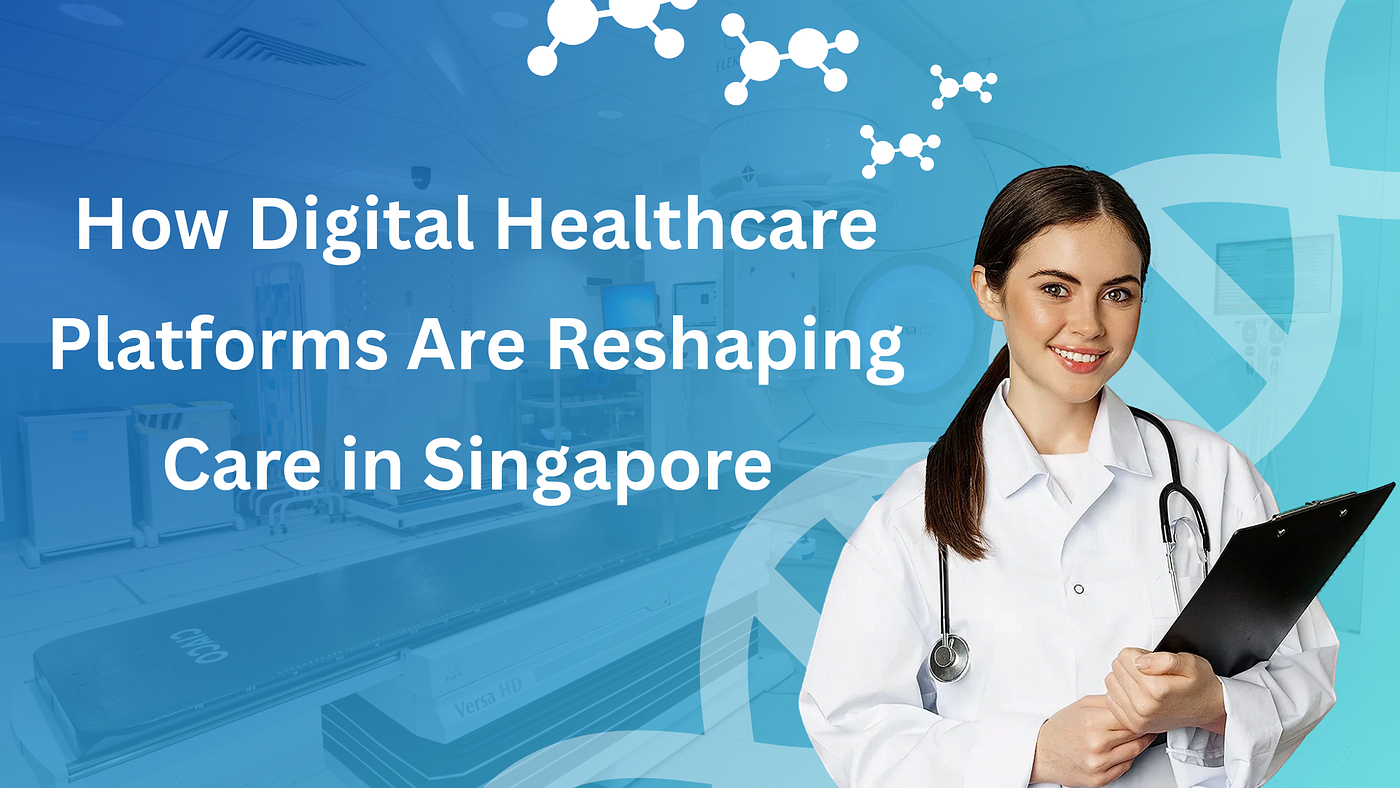
Singapore has long been recognized for its strong healthcare infrastructure. Today, the system is entering a new phase — one driven by digital healthcare platforms that improve access, efficiency, and patient outcomes. From virtual consultations to real-time health monitoring, technology helps providers deliver care beyond physical clinics across the country.
As patient expectations evolve and demand for convenient healthcare grows, hospitals, clinics, and health tech startups are investing in smarter solutions. This shift is not just about technology adoption — it’s about reshaping how care is delivered, managed, and experienced for patients and providers alike.
2. What Are Digital Healthcare Platforms?
Digital healthcare platforms are integrated software solutions that connect patients, healthcare providers, and medical systems through digital channels. These platforms combine features such as video consultations, patient records, e-prescriptions, and analytics into one secure ecosystem.
A modern telemedicine app development company typically builds these platforms to support end-to-end care delivery — from appointment booking to post-treatment follow-ups — while ensuring regulatory compliance and data security.
In simple terms, digital healthcare platforms bring the clinic experience online, making healthcare more accessible and efficient for everyone involved.
3. Key Drivers Behind Digital Healthcare Adoption in Singapore
Several factors are accelerating digital healthcare adoption across the country:
Government Support and Smart Nation Vision
Singapore’s Smart Nation initiative encourages healthcare providers to embrace digital solutions that improve service delivery and data-driven decision-making.
Growing Demand for Remote Care
Busy lifestyles and rising healthcare needs have increased demand for virtual consultations and remote monitoring services.
Aging Population and Chronic Care Needs
With an aging population, digital platforms help manage long-term conditions such as diabetes, hypertension, and heart disease more effectively.
Technology Readiness
High smartphone usage and strong internet infrastructure make digital healthcare platforms easier to adopt in Singapore than in many other regions.
4. Types of Digital Healthcare Platforms Transforming Care
Digital healthcare solutions come in various forms, each addressing specific healthcare needs.
Virtual Consultation Platforms
These platforms enable patients to consult doctors through video, chat, or voice calls. Many telemedicine app development services focus on building secure and scalable virtual consultation systems for clinics and hospitals.
Remote Patient Monitoring Systems
Using IoT devices and mobile apps, these platforms track patient vitals in real time and alert doctors when intervention is needed.
E-Prescription and Digital Pharmacy Platforms
Doctors can issue prescriptions digitally, while patients receive medicines through partner pharmacies or home delivery services.
Hospital and Clinic Management Systems
These systems manage appointments, billing, electronic health records (EHR), and internal workflows.
AI-Powered Diagnostic Platforms
AI tools help doctors detect patterns, predict risks, and improve diagnostic accuracy.
5. Benefits of Digital Healthcare Platforms for Providers and Patients
Digital healthcare platforms bring value to both healthcare providers and patients.
Improved Access to Care
Patients can consult doctors from anywhere, reducing travel time and waiting periods.
Better Patient Engagement
Mobile apps, reminders, and health tracking tools encourage patients to take an active role in their care.
Operational Efficiency
Clinics reduce administrative workload through automation, allowing staff to focus more on patient care.
Data-Driven Decisions
Advanced analytics help healthcare providers make informed clinical and operational decisions.
This is why many organizations are partnering with a Telemedicine App Development Company to create platforms tailored to their specific workflow and patient needs.
6. Essential Features of a Modern Digital Healthcare Platform
A successful digital healthcare platform must include the right mix of functionality, security, and user experience.
Secure Video Consultations
High-quality, encrypted video communication ensures safe doctor-patient interactions.
Patient Data Management
Centralized health records help providers access complete patient histories instantly.
System Integrations
Integration with hospital systems, labs, and pharmacies ensures seamless workflows.
Compliance and Security
Data protection is critical, especially when dealing with sensitive medical information.
Scalability
Platforms must support future growth as patient numbers and services expand.
Most telemedicine app development companies in Singapore focus on building scalable, compliant, and future-ready healthcare platforms.
7. Data Security and Regulatory Compliance in Singapore
Healthcare data is highly sensitive, making security a top priority. Digital healthcare platforms must comply with the Personal Data Protection Act (PDPA) and healthcare-specific guidelines.
Key compliance considerations include:
- Secure data storage and encryption
- Role-based access control
- Audit trails and activity logs
- Regular security testing and updates
Choosing the right telemedicine app development services ensures that platforms are built with compliance at the core, reducing legal and operational risks.
8. Challenges in Implementing Digital Healthcare Platforms
Despite the benefits, implementation comes with challenges:
Integration with Legacy Systems
Older hospital systems may not easily connect with new digital platforms.
User Adoption
Doctors and patients may need time and training to adapt to new technologies.
Data Privacy Concerns
Ensuring trust in digital platforms is essential for long-term success.
Technical Complexity
Building a secure, scalable, and reliable platform requires experienced development expertise.
9. Best Practices for Building a Successful Digital Healthcare Platform
Healthcare providers planning to invest in digital platforms should follow proven best practices.
Choose the Right Technology Partner
Working with an experienced Telemedicine App Development Company ensures technical reliability and healthcare compliance.
Focus on User Experience
Simple, intuitive design increases adoption among doctors and patients.
Plan for Scalability
Platforms should be built to support new features, users, and integrations over time.
Continuous Testing and Optimization
Regular updates help improve performance and security while meeting changing healthcare needs.
10. The Future of Digital Healthcare in Singapore
Digital healthcare in Singapore is moving toward predictive, personalized, and preventive care.
AI and Predictive Analytics
AI will help detect health risks early and recommend preventive actions.
IoT and Wearable Integration
Continuous health monitoring will become a standard part of care delivery.
Interoperable Health Systems
Future platforms will connect across hospitals, clinics, labs, and insurers, creating a unified healthcare ecosystem.
As technology evolves, **telemedicine app development services** will play a critical role in enabling these next-generation healthcare experiences.
11. Conclusion: Embracing the Future of Connected Care
Digital healthcare platforms have become a necessity rather than a choice in today’s healthcare landscape. They are transforming care delivery by making services more accessible, efficient, and outcome-focused for both providers and patients.
Healthcare organizations that adopt the right digital solutions now will be better equipped to handle evolving patient needs, regulatory requirements, and future healthcare demands. Success depends on creating secure, scalable, and easy-to-use platforms that enable seamless, connected care experiences.
12. FAQs About Digital Healthcare Platforms in Singapore
Is digital healthcare safe in Singapore? Platforms designed with PDPA compliance and robust security frameworks ensure safe and dependable healthcare operations.
Are virtual consultations legally allowed? Yes, virtual care is supported under Singapore’s healthcare regulations when proper guidelines are followed.
How much time is required to develop a digital healthcare platform? The development timeline depends on the platform’s features and complexity, but it typically takes around 3 to 6 months, with more advanced solutions requiring additional time.
Who should invest in digital healthcare platforms? Digital healthcare solutions are valuable for hospitals, clinics, health tech startups, and specialty care providers looking to improve care delivery and operations.
메타데이터
- post_id
- a8d39d0c72cc
- slug
- how-digital-healthcare-platforms-are-reshaping-care-in-singapore-a8d39d0c72cc
- url
- https://medium.com/science-for-life/how-digital-healthcare-platforms-are-reshaping-care-in-singapore-a8d39d0c72cc
- canonical_url
- https://medium.com/science-for-life/how-digital-healthcare-platforms-are-reshaping-care-in-singapore-a8d39d0c72cc
- author_url
- https://medium.com/@gracemitchel
- status
- ok
- fetched_at
- 2026-06-09 15:37:30