What to Consider Before Investing in an eBike Conversion Kit
Understanding the Key Factors That Influence Performance, Compatibility, Battery Life, and Long-Term Value
What to Consider Before Investing in an eBike Conversion Kit
Understanding the Key Factors That Influence Performance, Compatibility, Battery Life, and Long-Term Value
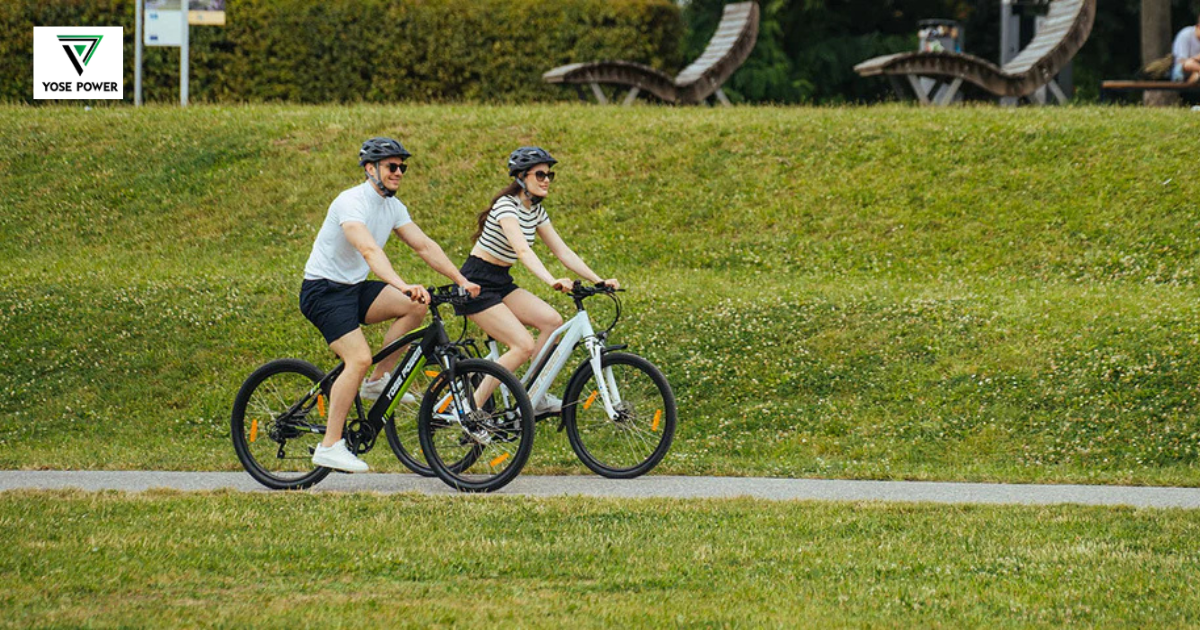
Electric bicycles have become an increasingly popular transportation option for commuters, recreational riders, and environmentally conscious consumers. While purchasing a complete eBike is one route, many cyclists are exploring eBike conversion kits from as a way to upgrade an existing bicycle and enjoy the benefits of electric assistance without replacing a bike they already own.
However, investing in an eBike conversion kit requires careful evaluation. Compatibility, battery performance, motor type, installation requirements, and long-term ownership costs can all significantly affect the overall experience.
This guide explores the most important considerations to help cyclists make informed decisions before investing in an eBike conversion kit.
What Is an eBike Conversion Kit?
An eBike conversion kit is a collection of components designed to transform a traditional bicycle into an electrically assisted bike. Most kits typically include:
- An electric motor
- A battery pack
- A controller
- Display and control systems
- Sensors and wiring components
Once installed, the system provides assistance while pedaling, helping riders travel longer distances with less physical effort.
For consumers researching cycling upgrades, reviewing **smart ways to save on cycling and mobility equipment** can provide useful insights into evaluating products based on long-term value rather than initial cost alone.
Why Riders Choose Conversion Kits
Many cyclists choose conversion kits because they offer flexibility and customization opportunities.
Some common reasons include:
- Extending the lifespan of an existing bicycle
- Avoiding the cost of purchasing a completely new eBike
- Retaining a preferred frame and riding position
- Customizing performance according to specific needs
- Upgrading transportation options for commuting or recreation
Understanding your personal goals can help determine whether a conversion kit is the right solution.
Compatibility Should Be Your First Priority
One of the most important considerations is ensuring that the conversion kit is compatible with the bicycle you plan to upgrade.
Frame Compatibility
Not every frame design accommodates every motor or battery system.
Factors to evaluate include:
- Frame geometry
- Available mounting locations
- Material strength
- Weight capacity
Wheel Size
Many conversion kits are designed for specific wheel dimensions. Verifying compatibility before purchase can help avoid installation challenges later.
Brake Systems
Electric assistance increases overall speed and weight, making braking performance especially important.
Cyclists should evaluate whether their current braking system is suitable for an electrically assisted bicycle.
Understanding Different Motor Types
The motor is one of the most influential components in any eBike conversion system.
Hub Motors
Hub motors are mounted directly inside the front or rear wheel.
Advantages often include:
- Simpler installation
- Lower maintenance requirements
- Reliable operation
These systems are commonly selected by commuters and recreational riders.
Mid-Drive Motors
Mid-drive motors are positioned near the bicycle’s crankset and use the existing drivetrain to deliver power.
Potential benefits include:
- Improved climbing performance
- Better weight distribution
- Enhanced efficiency on varied terrain
The best choice depends largely on riding style, terrain, and performance expectations.
Battery Capacity and Range
Battery performance directly affects how far an eBike can travel before requiring a recharge.
When evaluating battery options, consider:
- Watt-hour (Wh) capacity
- Charging time
- Expected lifespan
- Weight
- Replacement availability
Actual riding range can vary significantly based on factors such as:
- Rider weight
- Terrain
- Weather conditions
- Speed
- Assistance level
Because battery replacement can represent a substantial long-term expense, understanding battery specifications is essential before investing.
Matching the Kit to Your Riding Needs
Not all riders use their bicycles in the same way.
Daily Commuting
Commuters often prioritize:
- Reliability
- Battery range
- Weather resistance
- Low maintenance requirements
Recreational Cycling
Leisure riders may focus on:
- Comfort
- Ease of use
- Moderate assistance levels
Hills and Challenging Terrain
Cyclists who regularly ride steep routes may benefit from:
- Higher-torque motors
- Larger battery capacities
- Mid-drive systems
Selecting a kit that aligns with your intended use often leads to better long-term satisfaction.
Installation Requirements and Technical Skills
Some conversion kits are designed for straightforward installation, while others require more advanced mechanical knowledge.
Before purchasing, consider:
- Required tools
- Installation complexity
- Availability of instructions
- Access to professional installation services
Cyclists comparing products and accessories often explore how to find verified coupon codes for cycling products when researching related equipment purchases.
Considering Weight and Ride Quality
Adding a motor and battery naturally increases the overall weight of a bicycle.
This can influence:
- Handling characteristics
- Storage convenience
- Transportation requirements
- Riding experience when the battery is depleted
While electric assistance helps offset the additional weight during operation, understanding these trade-offs is important when evaluating different systems.
Maintenance and Long-Term Ownership Costs
Like any transportation-related equipment, eBike conversion kits require ongoing maintenance.
Common ownership considerations include:
- Battery care
- Motor inspections
- Software updates
- Wiring maintenance
- Replacement components
Consumers evaluating overall value often benefit from reviewing a guide to comparing deals & offers on cycling equipment to better understand ownership costs beyond the initial purchase.
Legal and Regulatory Considerations
eBike regulations vary by location and can affect:
- Maximum motor power
- Speed limits
- Road access permissions
- Safety requirements
Before investing in a conversion kit, cyclists should review local regulations to ensure compliance.
Future Trends in eBike Technology
The eBike industry continues to evolve rapidly through innovations such as:
- More efficient battery systems
- Lightweight motor designs
- Enhanced connectivity features
- Improved energy management
- Advanced rider assistance technology
As new options enter the market, consumers often consult smart ways to compare technology deals before buying to determine whether emerging features provide meaningful value.
Final Thoughts
An eBike conversion kit can be an effective way to upgrade an existing bicycle while gaining the benefits of electric-assisted cycling. However, making the right investment requires careful consideration of compatibility, motor selection, battery performance, installation requirements, maintenance responsibilities, and long-term ownership costs.
By focusing on practical needs and understanding the factors that influence performance and value, cyclists can make informed decisions and choose a conversion solution that supports their riding goals for years to come.
메타데이터
- post_id
- a90ceafaaefe
- slug
- what-to-consider-before-investing-in-an-ebike-conversion-kit-a90ceafaaefe
- url
- https://medium.com/@arooj.shoppingspout/what-to-consider-before-investing-in-an-ebike-conversion-kit-a90ceafaaefe
- canonical_url
- https://medium.com/@arooj.shoppingspout/what-to-consider-before-investing-in-an-ebike-conversion-kit-a90ceafaaefe
- author_url
- https://medium.com/@arooj.shoppingspout
- status
- ok
- fetched_at
- 2026-06-23 17:05:31