Aromagraphy of the Coffee-Making Process
Introduction: Capturing Process Through Scent
Aromagraphy of the Coffee-Making Process
Introduction: Capturing Process Through Scent
Aromagraphy is the art of capturing, storing, and releasing odours using specialized devices such as the scent camera. It enables the creation of new mono- or multisensory experiences by preserving smells in a way similar to how photography preserves images or audio recording preserves sound.
An aromagrapher is an individual who captures, stores, and releases olfactory experiences, often in combination with audio-visual media. Through this practice, scent becomes a medium for storytelling, documentation, and exploration.
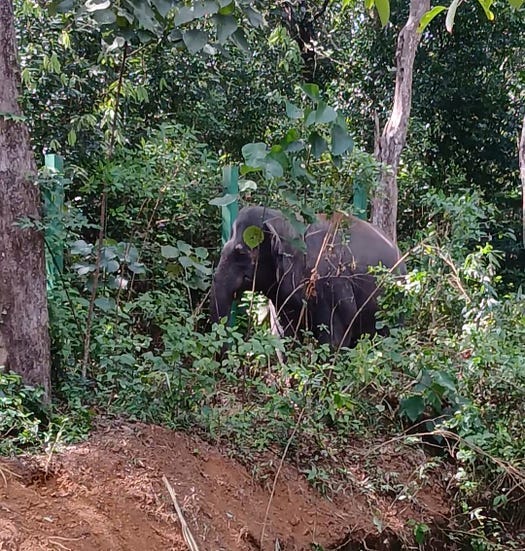
One of the most interesting olfactory experiences observed in Colombia, Indonesia, and India is the process of coffee making — from growing and processing to roasting, brewing, and serving. This process reveals a wide and dynamic range of aromas.
From Harvest to Drying
In regions around Bogotá, the early stages of coffee production already demonstrate olfactory diversity. After harvesting coffee cherries and extracting the beans, the drying process begins.
There are different processing methods, including fermented and non-fermented approaches. Each produces distinct scent characteristics, with fermentation often introducing more complex and evolving aromas. At this stage, the smell is present but subtle, continuously changing as the beans transform.
Roasting: The Emergence of Aroma
Roasting is one of the most significant stages in the development of coffee aroma. Heat transforms the chemical composition of the beans, releasing rich and complex scent profiles.
In the Toraja region of Sulawesi, cafés that roast coffee on-site reveal surprisingly sweet and intense aromas during this process. Similarly, in Chiang Mai, coffee professionals emphasize that aroma evolves throughout roasting depending on temperature, duration, and technique.
Brewing Methods and Scent Variation
The next stage of transformation occurs during brewing. Even when using the same beans, different brewing methods produce distinct olfactory experiences.
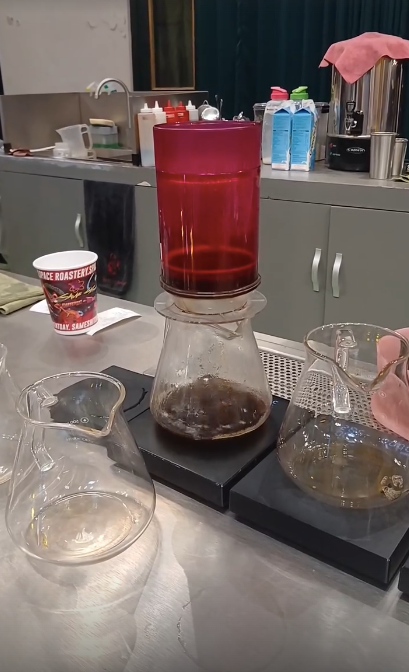
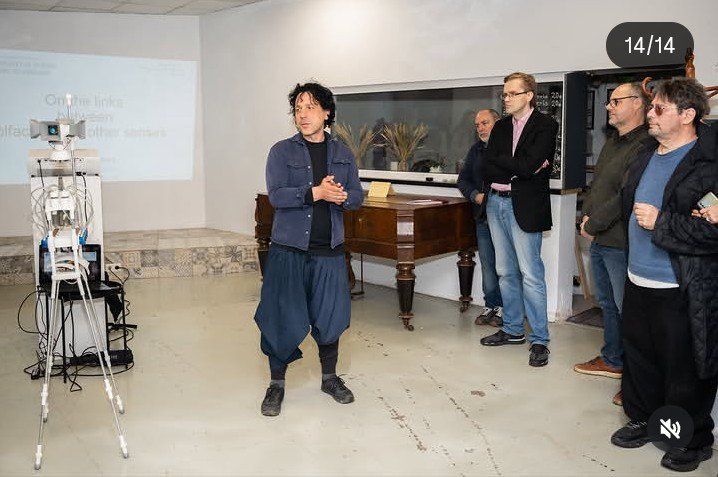
Photo by Sandris Murins
In cities such as Yogyakarta, Bogotá, and Thiruvananthapuram, it becomes clear that coffee prepared using methods such as V60, AeroPress, espresso machine, Chemex, French press, or South Indian (Kerala-style) filter results in noticeably different aromas.
For example, Chemex brewing often produces a cleaner and lighter scent, while French press creates a heavier and more intense aromatic profile. Kerala filter coffee introduces another variation shaped by both technique and cultural context.
Serving and Perception
An often overlooked aspect of coffee aroma is how it is served. The shape and material of the cup can influence both aroma and taste perception.
In Delhi, specialty coffee spaces demonstrate that even when the coffee itself remains unchanged, altering the cup can significantly affect the sensory experience. This highlights that aroma is not only produced but also shaped by its presentation.
Aromagraphy of Transformation
Documenting the coffee-making process through aromagraphy would allow us to capture how scent evolves across each stage — from raw material to final experience.
Such documentation could:
- reveal hidden layers of the process
- deepen understanding of how aromas are formed
- create new multisensory narratives around everyday practices
Coffee becomes not only a beverage, but a complex olfactory system in motion.
Beyond Coffee: Expanding Process Aromagraphy
The coffee-making process is just one example of a broader category — process-based aromagraphy. Many other processes could be explored through scent, including cultivation, cooking, fermentation, and biological transformation.
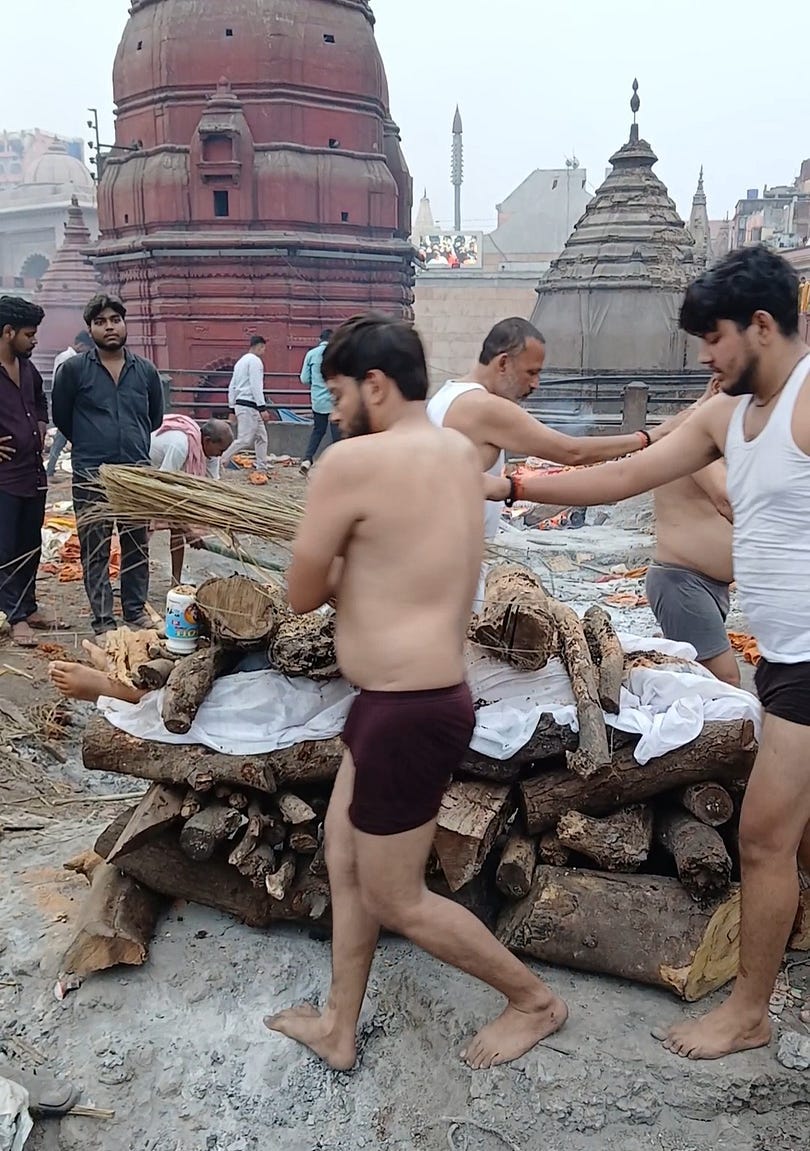
For example, artist Eeva-Liisa Puhakka explored the scent of human decomposition in her work presented at the Scent Art Festival 2025, demonstrating how powerful and meaningful process-based scent documentation can be.
Conclusion
Aromagraphy of the coffee-making process reveals how smell can document transformation rather than static moments. It captures the dynamics of change and allows us to experience processes in a deeper and more immersive way.
By recording these evolving olfactory layers, aromagraphy expands sensory media and opens new ways of understanding the world — not only through what we see and hear, but also through what we smell.
메타데이터
- post_id
- a99b8bf87dad
- slug
- aromagraphy-of-the-coffee-making-process-a99b8bf87dad
- url
- https://medium.com/scentgrapher/aromagraphy-of-the-coffee-making-process-a99b8bf87dad
- canonical_url
- https://medium.com/scentgrapher/aromagraphy-of-the-coffee-making-process-a99b8bf87dad
- author_url
- https://medium.com/@sandrismurins
- status
- ok
- fetched_at
- 2026-07-09 01:22:44