The Coccyx: The Tailbone of Your Backbone
The human body is a marvel of nature, and one of the most intricate parts of this complex system is the spine. The spinal column, also…
The Coccyx: The Tailbone of Your Backbone
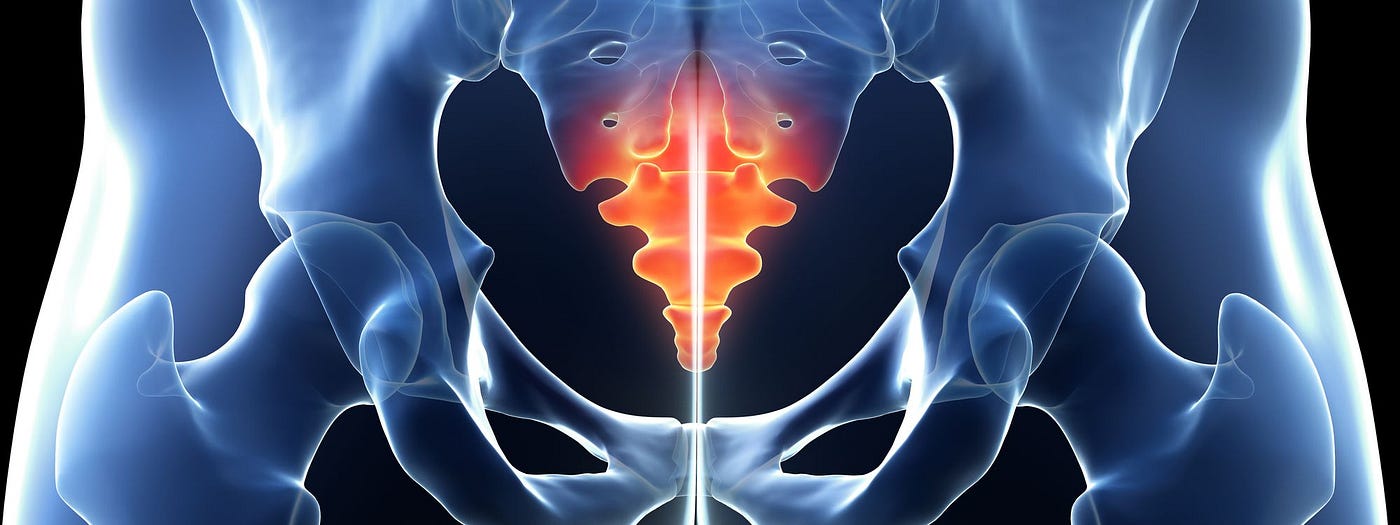
The human body is a marvel of nature, and one of the most intricate parts of this complex system is the spine. The spinal column, also known as the vertebral column or backbone, is a vital part of our anatomy that supports our body and protects the spinal cord. At the very end of this column, we find a small, triangular bone structure known as the coccyx.
What is the Coccyx?
The coccyx, commonly referred to as the tailbone, is a small, triangular bone structure located at the base of the spinal column. It is typically composed of four vertebrae, though the number can range from three to six. The coccyx has a unique structure, with its size decreasing from top to bottom. This means that the first coccygeal vertebra is the largest, while the last is the smallest.
The coccyx is a remnant of the tail present in our ancestors, a vestigial structure that has lost its original function through the process of evolution. Despite this, it still holds some importance in the human body, which we will explore in the following sections.
Anatomy of the Coccyx
The coccyx consists of several key areas: the base of the coccyx, the apex of the coccyx, the anterior surface, the posterior surface, and the two lateral surfaces. The base of the coccyx is the flat portion located at the top, representing the junction point with the sacrum. The apex of the coccyx is the lower portion, representing the end of the spinal column. The anterior surface faces the inside of the body, while the posterior surface faces the opposite direction.
The coccyx participates in one joint known as the sacrococcygeal joint. This joint represents the contact point between the last sacral vertebra and the first coccygeal vertebra. The sacrococcygeal joint allows minimal extension and flexion movements of the coccyx, particularly during specific moments such as defecation or childbirth.
Function of the Coccyx
The coccyx may be a small and seemingly insignificant part of our anatomy, but it serves a few essential functions. First, it offers protection to the terminal section of the spinal cord. Second, it supports the weight of the body when we are seated, particularly when we lean backward. Third, it provides attachments for important muscles, ligaments, and tendons, such as the gluteus maximus and the levator ani muscles.
Development of the Coccyx
The coccyx originates from a structure known as the caudal eminence during embryonic development. Its formation occurs between the fourth and eighth week of gestation. As the embryo continues to develop, the caudal eminence regresses, but the coccyx remains. The vertebrae of the coccyx are initially separated but undergo a fusion process during adulthood.
Associated Pathologies
Despite its small size and seemingly insignificant role, the coccyx can be affected by several pathologies. These include bone fractures, coccydynia (a painful inflammatory condition), and sacrococcygeal teratoma (a tumor that develops at the base of the coccyx).
Coccyx fractures are typically caused by traumatic incidents such as accidental falls or impacts during physical activities. Coccydynia, on the other hand, can be caused by various factors, including trauma, childbirth, incorrect postures, and aging. Sacrococcygeal teratoma is a relatively rare condition, affecting one newborn in every 35,000.
In conclusion, the coccyx may be a small part of our anatomy, but it plays a crucial role in our body. It serves as a support structure, a point of attachment for muscles and ligaments, and a protector for the terminal section of the spinal cord. Despite its size, the coccyx should not be overlooked when considering spinal health and overall well-being.
Publishing Disclaimer
This article is cross-copied from www.wellyme.org. Wellyme owns the intellectual property of this article and it’s compliant with Medium Rules (“You are allowed to cross-post content from your blog to Medium, provided you own the rights for the content.”).
Medical Disclaimer
This article is solely for informational purposes, any medical information contained is not a substitute for professional medical advice and readers should not rely on it as such.
If you believe there may be errors or misinformation in this article, we encourage you to comment (down below).
메타데이터
- post_id
- a99d6b3046ea
- slug
- the-coccyx-the-tailbone-of-your-backbone-a99d6b3046ea
- url
- https://medium.com/@wellyme/the-coccyx-the-tailbone-of-your-backbone-a99d6b3046ea
- canonical_url
- https://medium.com/@wellyme/the-coccyx-the-tailbone-of-your-backbone-a99d6b3046ea
- author_url
- https://medium.com/@wellyme
- status
- ok
- fetched_at
- 2026-07-24 02:50:28