The Hidden Science of Fasting: Why Your Blood Sugar Spikes When You Stop Eating

The Hidden Science of Fasting: Why Your Blood Sugar Spikes When You Stop Eating
Most people start intermittent fasting or a Keto diet with one clear goal: to lower their blood sugar and fix their insulin sensitivity. So, imagine the panic when they wake up after a 24-hour fast, check their Continuous Glucose Monitor (CGM), and see their blood sugar levels are higher than when they went to bed. It feels like a betrayal. You haven’t eaten a single gram of carbs, yet your numbers are climbing. Is your body failing you? Are you broken? Or worse, is that steak you had for dinner turning into sugar and kicking you out of ketosis? Today, we are going to debunk the biggest myths surrounding fasting glucose spikes and explain the fascinating biological process that is actually a sign of a high-functioning body.
The Gluconeogenesis Myth: Is Protein Really Your Enemy?
One of the most persistent bro-science myths in the fitness world is that eating too much protein is just like eating cake. The theory is that through a process called Gluconeogenesis (GNG), your body takes that extra steak and converts it into glucose, spiking your insulin and making you fat.
Here is the truth: Gluconeogenesis is a demand-driven process, not a supply-driven one.
Your body doesn't turn protein into sugar just because the protein is there. It only does it when it absolutely needs to. Think of it like a factory that only produces what customers order. No matter how much raw material (protein) is in the warehouse, the machines won't start unless there is a specific demand for glucose.
watsh video:Preview
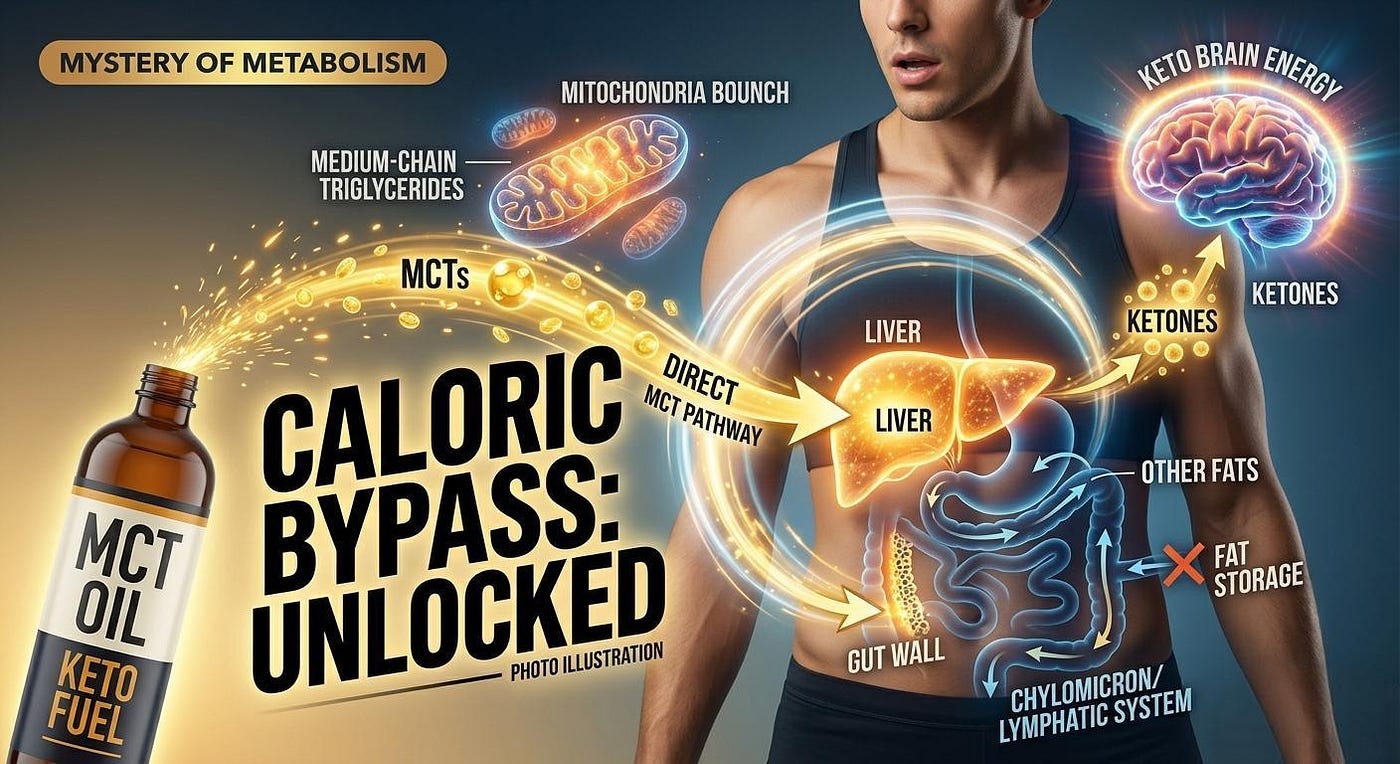
Why Your Body Must Create Sugar Even on Keto
You might wonder, if I am in deep ketosis, why do I need sugar at all? While most of your organs—like your brain and heart—love burning ketones and fatty acids, there are certain picky cells in your body that cannot use fat for fuel.
Your red blood cells are the perfect example. They lack mitochondria, which means they physically cannot process ketones. They require glucose to survive and carry oxygen to your tissues.
This is where your liver comes in. It is a master chemist. Every single minute, whether you are eating or fasting, your liver is performing Gluconeogenesis to ensure your red blood cells and parts of your brain have the exact amount of fuel they need. This isn't a mistake; it’s a life-saving feature.
The 3 AM Surprise: Understanding the Dawn Phenomenon
Many fasters notice a spike specifically in the early morning. You haven't eaten for 12 or 16 hours, yet your sugar jumps by 20 or 30 points. This is often called the Dawn Phenomenon.
As your body prepares to wake up and start the day, it releases a cocktail of hormones: cortisol, adrenaline, and growth hormone. These hormones tell the liver, Hey, we need energy for the day! In response, the liver dumps a bit of stored glucose into the bloodstream to give you the energy to get out of bed and hunt for your first meal (even if that meal is just a cup of black coffee).
Fasting and Exercise: The Perfect Storm for Glucose Spikes
If you work out while fasting, don't be shocked if your CGM looks like a roller coaster. When you lift weights or do high-intensity intervals, your muscles demand immediate fuel. Your body isn't going to wait for fat to slowly break down; it’s going to ramp up glucose production to meet the intensity of the workout.
This isn't pathological high blood sugar. It is physiological sugar. It’s the difference between a house on fire (Type 2 Diabetes) and a controlled fire in a fireplace (Fasting Glucose Spike). One is a disaster; the other is a source of warmth and energy.
The Verdict for the Keto and Carnivore Community
If you are eating a carnivore, ketovore, or strict low-carb diet, you need to stop living in fear of your glucose monitor. A slight elevation during a 72-hour fast or after a heavy lifting session is normal, natural, and expected.
You aren't stimulating Gluconeogenesis in a way that causes harm. You are simply watching a beautiful, ancient biological system keeping you alive and energized in the absence of food.
Stop worrying about the minor spikes and start focusing on how you feel, your energy levels, and your long-term health markers. Your liver knows exactly what it’s doing—trust it.
메타데이터
- post_id
- a9b652aa3ffb
- slug
- the-hidden-science-of-fasting-why-your-blood-sugar-spikes-when-you-stop-eating-a9b652aa3ffb
- url
- https://medium.com/@bardisshassan/the-hidden-science-of-fasting-why-your-blood-sugar-spikes-when-you-stop-eating-a9b652aa3ffb
- canonical_url
- https://medium.com/@bardisshassan/the-hidden-science-of-fasting-why-your-blood-sugar-spikes-when-you-stop-eating-a9b652aa3ffb
- author_url
- https://medium.com/@bardisshassan
- status
- ok
- fetched_at
- 2026-07-10 19:15:58