Nollywood Matriarch: The Legacy of Toun Oni
How “Mama T” shattered language barriers, anchored television’s golden era, and contributed to the architectural blueprint for modern…
NOLLYWOOD HISTORY
Nollywood Matriarch: The Legacy of Toun Oni
How “Mama T” shattered language barriers, anchored television’s golden era, and contributed to the architectural blueprint for modern African cinema.

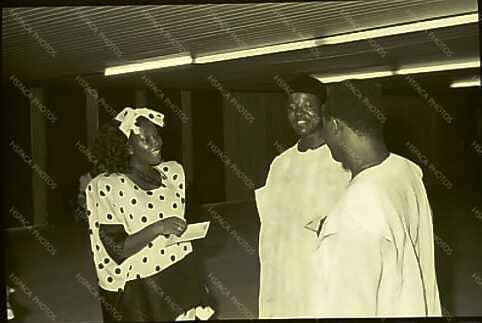
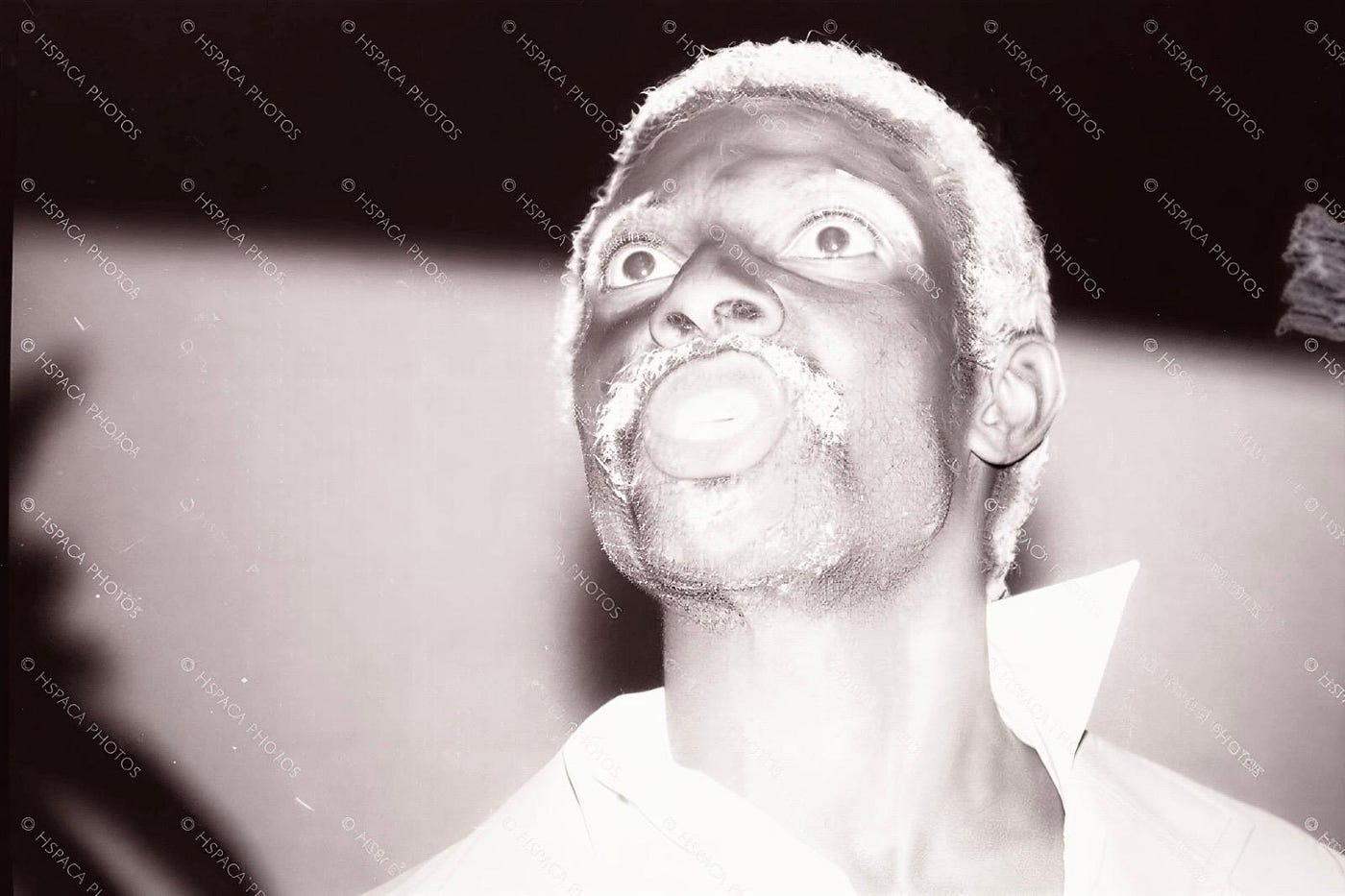
Photo of Toun Oni by Hakeem Shitta Image enhanced with AI. Copyright HSPACA.
Toun Oni, affectionately known to millions as “Mama T” or “Mama Tee,” was a pioneering Nigerian actress and dancer whose career serves as a blueprint for modern crossover performance in African cinema.
She navigated English and Yoruba language Nollywood with equal brilliance, establishing her artistry as a vital bridge between early postcolonial theatrical movements and the modern blockbuster era.
While retrospective historical profiles sometimes record her date of birth as September 29, 1938, contemporaneous industry accounts and reports at the time of her passing note that she was 67 years old when she died.
Her sudden passing on Wednesday, July 7, 2010, deeply mourned across the entertainment world, occurred while she was being rushed from her residence to a hospital.
Today, her footprint continues to shape the aesthetics, linguistic fluidity, and production choices of contemporary African storytellers.
From Traveling Theater to Screen Immortality
Mama T began her journey in the creative arts during Nigeria’s culturally vibrant 1970s. She cut her teeth as a dancer, vocalist, and stage actress with Professor Ola Rotimi’s Ori Olokun Players, a legendary theatre troupe that merged traditional African performance forms with contemporary storytelling.
This traveling theater bedrock instilled a deep sense of artistic discipline and cultural nuance that she effortlessly transitioned into television and film.
As noted by Professor Segun Ojewuyi, while modern audiences often celebrate her celluloid presence in Nollywood, her foundational legacy was forged on the live stage. Alongside an elite cohort of powerhouse contemporaries, including Olu Okekanye, Ben Okoegwale, Golda John, Sam Loco Efe, and Ajayi Olatide, Mama T built and sustained Nigerian theater as a throbbing success for three unbroken decades.
They operated in an era where live performers were routinely underpaid and underfunded, yet their profound work ethic was never compromised. This devotion to artistic rigor on stage created the backbone of performance standards that later elevated Nigerian television and home video.
Her impact on Nigeria’s broadcasting history remains anchored by these unforgettable television roles. She starred in Checkmate, one of Nigeria’s marathon and most celebrated television soap operas.
Later, she captured the hearts of families across the continent as Mama Moji, the iron-willed yet deeply humorous senior wife in Amaka Igwe’s legendary comedy sitcom, Fuji House of Commotion.
Her television portfolio also included roles in the drama series Family Circle and Acada Campus. As modern streaming platforms draw inspiration from classic African formats, Mama T’s performances stand as a standard in comedy, demonstrating how to ground complex domestic narratives with wit, maternal authority, and dignity.
A Prolific Filmography and Crossover Artistry
On the silver screen, Mama T was an exceptional force for crossover artistry. Before Nollywood’s modern global commercialization, the industry operated under invisible divisions between English language and indigenous language caucuses. She was one of the pioneers who shattered these boundaries. Her expansive range was showcased across decades of cinematic work.
In 1988, she made an early screen appearance in Vigilante where she played the role of a resident. She later portrayed the character Mama Ronke in the 1996 film The Golden Cage, which set up a highly active period of cinematic work. In 1997 alone, she expanded her footprint across multiple genres. She was featured in Tunde Kelani’s celluloid masterpiece Ò le kù, which became a benchmark for Yoruba language cinema.
That same year, she played the memorable character Aunty Sheri in Owo Blow: The Genesis, stepped into the role of the Matron in When Flowers Turn Black, and added to her credits with a prominent appearance in Back to Africa.
She continued to anchor landmark projects in the digital film era, most notably playing the role of the Foster Mother to the main character, Dewunmi, in the 2006 film Irapada. Her presence lent invaluable veteran credibility to a young Kunle Afolayan making his directorial debut, and he continues to honour her memory by noting that her motherly support on set was critical to completing the movie.
She remained dedicated to her craft until the end of her life, with Maje npasan in 2008 marking one of her final recorded film appearances. Today’s elite Nollywood stars rely on this exact multi-lingual agility to dominate international streaming charts, proving that her career broke the language barrier long before globalization took hold.
Relevance Today and Lasting Impact
Decades after her early stage beginnings, Mama T’s artistic choices remain relevant to the structure of modern African media. In an era where global streaming giants actively commission Nigerian content, the industry’s survival relies heavily on multilingual agility and cultural fluidity, the exact boundaries she fought to dissolve.
Modern blockbusters frequently mirror the dual English-Yoruba framework she mastered, utilizing her template to achieve crossover appeal that scales globally while remaining firmly rooted in indigenous heritage.
Furthermore, her comedic timing and performance as Mama Moji in Fuji House of Commotion serve as an evergreen matrix for powerhouse cast television formats and family dramas dominant on domestic television and digital networks today. Modern showrunners continually study her balance of sharp witted humor and maternal dignity to navigate complex, mosaic African domestic narratives.
Beyond her visual choices, her dedication to uplifting the next generation acts as a cornerstone for contemporary cinema. By lending her star power to indie projects like Kunle Afolayan’s Irapada, she validated a technical, premium aesthetic that eventually transformed Nollywood from a direct streaming ecosystem into a mega budget global cinematic force.
Mentorship, State Honors, and National Memory
Beyond her celluloid genius, Madam T’s willingness to champion emerging talent transformed the trajectory of contemporary cinema. Her legacy pulsates through the new wave of directors and producers who drive a big pocket global industry today.
Her portrait is featured in Portraits of Nigerian Artistes, published by Hakeem Shitta. She was among the creatives celebrated in the October 25–31, 1999, edition of Arts Illustrated Weekly, which paid tribute to the passing of theatre legend Akara Ogun and honoured legendary cultural figures born in September and October.
The comprehensive birthday list featured in that commemorative issue includes: Taiwo Aliu, Segun Arinze, Prof. Chuck Mike, Wale Obadeyi, Toun Oni, Salawa Abeni, Sola Osofisan, Jab Adu, Tunji Oyelana, Sunday Omobolanle, James Iroha, Biyi Bandele Thomas, Fela Anikulapo Kuti, Esther Idowu Phillips, Enoh Irukwu, Ken Saro-Wiwa, and Abayomi Barber.
In 2006, in recognition of her lifelong contributions to the development of Nigerian Theatre and Arts, the Federal Government of Nigeria conferred her with a national honor, the Officer of the Order of the Niger (OON).
Through her enduring body of work, “Mama T” remains immortalized in the history of African storytelling. Several of her iconic moments were captured through the lens of Hakeem Shitta and sit as a cornerstone of the Hakeem Shitta Photography and Cultural Archive (HSPACA), a reference repository dedicated to preserving the visual memory and artistic heritage of Nigeria.
Acknowledgments & Editorial Disclosure
Special thanks to Professors Kole Odutola & Segun Ojewuyi and Mr Edmond Enaibe. This article is based on original research assisting with the Hakeem Shitta Photography and Cultural Archive (HSPACA). AI assistance was utilized as an editorial tool to polish prose and refine grammatical flow.
메타데이터
- post_id
- a9d71b7c873d
- slug
- toun-oni-nollywood-legacy-mama-t-hspaca-a9d71b7c873d
- url
- https://medium.com/write-your-world/toun-oni-nollywood-legacy-mama-t-hspaca-a9d71b7c873d
- canonical_url
- https://medium.com/write-your-world/toun-oni-nollywood-legacy-mama-t-hspaca-a9d71b7c873d
- author_url
- https://medium.com/@seguncoladimeji
- status
- ok
- fetched_at
- 2026-07-13 06:23:13