The Politicized Fed, the Iran Peace Deal, and Why RiskOn Is Coming Back Louder Than Ever
Macro conditions are aligning in a way most traders haven’t seen in years. Here’s why Q3/Q4 2026 could be the quarter that resurrects everyt
The Politicized Fed, the Iran Peace Deal, and Why RiskOn Is Coming Back Louder Than Ever

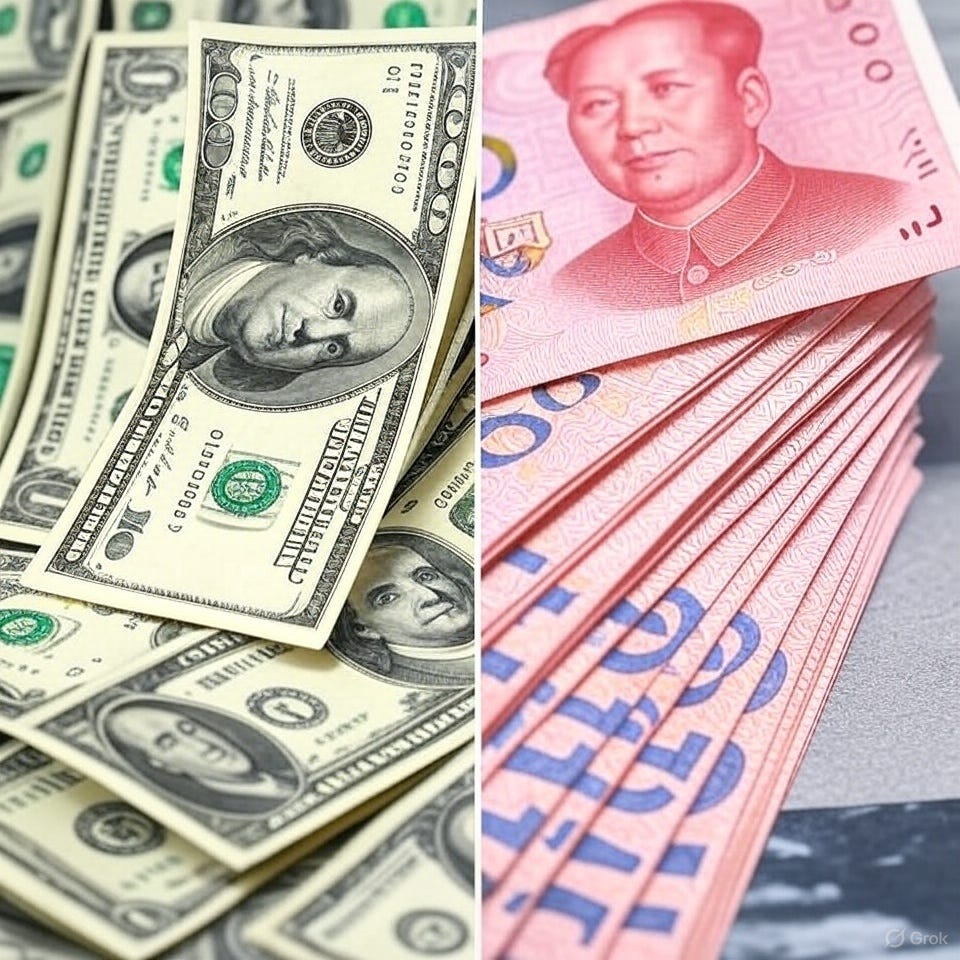
Image: AI Generated / Grok
There’s a specific kind of quiet that falls over markets right before they explode upward. Not the silence of stability, the silence of exhaustion. Traders worn down by eighteen months of rate anxiety, geopolitical shock, and macro uncertainty. Portfolios repositioned defensively. Risk assets bleeding. Crypto Twitter: crickets.
That quiet is what we’re in right now. And if you know how to read the macro, you know what comes next.
The Fed Is No Longer Just a Central Bank
Let’s start with the uncomfortable truth: the Federal Reserve is politically compromised and markets know it.
The pressure campaign on Powell has been relentless public calls to cut, executive frustration broadcast in real time, and a White House that has made no secret of what it wants from monetary policy. But here’s what makes this cycle different from previous Fed politicization episodes: Trump doesn’t actually need Powell to comply. He just needs to wait him out.
Enter Kevin Warsh.
Warsh is the frontrunner to replace Powell as Fed chair, and critically, he aligns with the rate cut direction. This isn’t speculation, it’s a personnel play that makes the cut structurally inevitable. You don’t need to pressure an institution when you’re about to install leadership that already agrees with you. The moment Warsh’s nomination looks certain, markets will begin pricing the new rate trajectory before he sits in the chair. That’s how powerful a Fed chair transition is, it front-runs itself.
So the politicization here isn’t just external noise. It’s institutional repositioning. The dual mandate of price stability and maximum employment has always had political dimensions, but what we’re watching now is a deliberate reshaping of who makes the calls and what those calls will be.
The Fed will cut. The question was never really if. It was always what gives them the cover to do it without looking like a pure political capitulation.
The answer is arriving from an unlikely direction.
Iran Changes Everything at the Margin
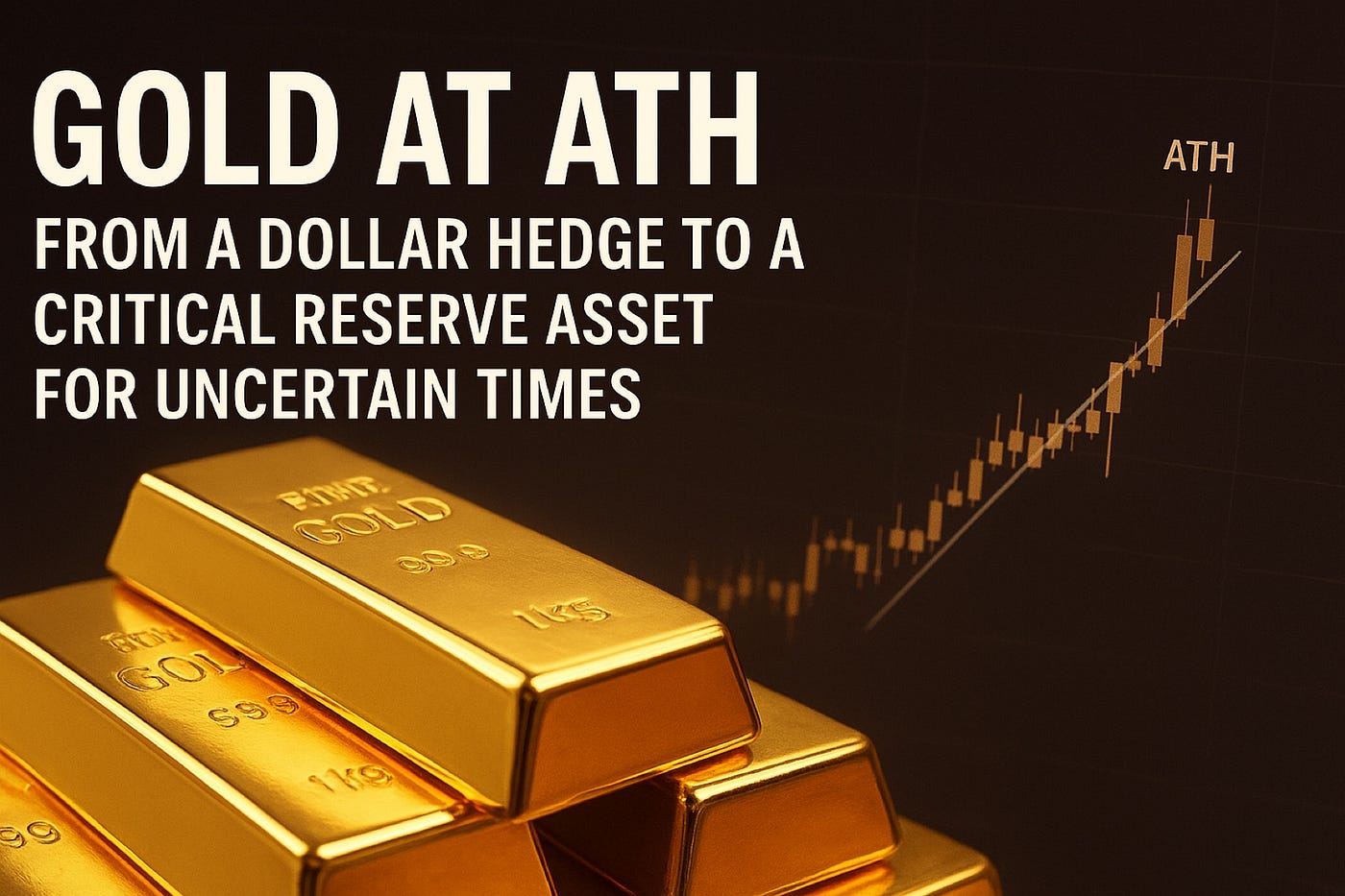
Markets have spent the better part of 2026 pricing in geopolitical risk premium across energy, the dollar, and risk assets. The Iran conflict sent oil higher, added uncertainty to global supply chains, and gave the Fed an argument for staying cautious, you don’t cut into a supply-side inflation shock.
But peace deals change the calculus entirely.
If an Iran deal materializes and the diplomatic signals are increasingly pointing that way, you get an almost immediate unwind of that geopolitical premium. Oil pulls back. Energy input costs ease. The supply-side inflation narrative loses its teeth. Suddenly the Fed doesn’t need to hide behind geopolitical caution anymore.
This is the unlock. Not just for the Fed’s credibility, but for the entire macro sequence that follows.
The Inflation Ease Sequence
Here’s how the dominos fall:
Iran deal → energy risk premium collapses → oil softens → headline CPI cools faster than expected → the Fed gets clean cover to cut.
This isn’t the Fed cutting because Trump wants them to. This is the Fed cutting because the data finally allows it and the political pressure happens to align. That distinction matters for how markets interpret the move. A cut with clean macro cover is a different animal from a political capitulation. The former triggers real risk appetite. The latter spooks bond markets.
What we’re building toward is the former.
Core inflation has already been trending in the right direction. Strip out the energy volatility that the Iran conflict injected, and the disinflation story was always still intact underneath. An Iran peace deal doesn’t just help, it completes the picture.
What RiskOn Looks Like From the Trenches
Here’s where it gets interesting and where the macro connects to the street.
The crypto market has been in the trenches. Not dead, but quiet in the way that only happens after genuine pain. The tourists left. The leverage got wiped. The only people still paying attention are the ones who never left the traders who understand that crypto doesn’t move in isolation. It moves with global liquidity, risk appetite, and the dollar.
When the Fed cuts into a clean macro environment, not panic cuts, but coordinated easing with inflation cooling, global liquidity expands. The dollar weakens at the margin. Real yields compress. And risk assets, led historically by the most liquid and most sensitive instruments, reprice fast.
Crypto is that instrument.
The resurrection won’t announce itself. It rarely does. It’ll start with Bitcoin holding levels it had no business holding. Then altcoin volume creeping back. Then the traders who went silent in 2025 suddenly back with conviction, because the macro has given them what they needed: a reason that isn’t just hope.
The Q3/Q4 2026 Setup
This is not a call to go all-in tomorrow. This is a read of the conditions assembling in real time.
For Q3/Q4 2026 to be genuinely bullish, not a dead-cat bounce, but a structural risk-on rotation, three things need to hold:
- The Iran peace process stays on track. One escalation reverses the energy narrative instantly.
- The Fed delivers at least one cut with clean language — no stagflation hedging, no “data dependent” ambiguity that markets read as hawkish. The cut needs to signal a direction, not just a concession.
- Dollar weakens without chaos. A disorderly dollar move kills the trade. An orderly one is jet fuel.
If those three hold and right now the probability is higher than it’s been at any point this year then what’s coming isn’t just a rally. It’s a repricing of everything that got sold down on the assumption that tight money and geopolitical friction were permanent features of 2026.
They’re not permanent. They’re conditions. And conditions change.
Watch the peace signals. Watch the Fed language. Watch what the dollar does when both shift.
The traders in the trenches already are.
#RiskOn
Aleeko writes about macro, geopolitics, and markets — and how they factor into real economic decisions.
메타데이터
- post_id
- a9ee8a48128d
- slug
- the-politicized-fed-the-iran-peace-deal-and-why-riskon-is-coming-back-louder-than-ever-a9ee8a48128d
- url
- https://medium.com/the-geopolitical-economist/the-politicized-fed-the-iran-peace-deal-and-why-riskon-is-coming-back-louder-than-ever-a9ee8a48128d
- canonical_url
- https://medium.com/the-geopolitical-economist/the-politicized-fed-the-iran-peace-deal-and-why-riskon-is-coming-back-louder-than-ever-a9ee8a48128d
- author_url
- https://medium.com/@aleeko419
- status
- ok
- fetched_at
- 2026-06-09 15:37:30