PD-1 and PD-L1 Explained: The Game-Changers in Cancer Immunotherapy
Have you ever thought that our body is an incredible fortress, constantly working to defend us from harmful invaders like bacteria and…
PD-1 and PD-L1 Explained: The Game-Changers in Cancer Immunotherapy
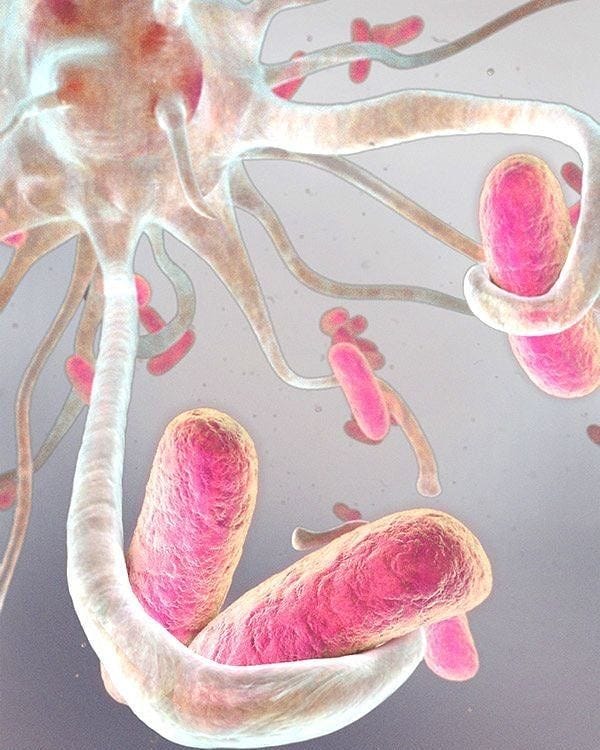
Have you ever thought that our body is an incredible fortress, constantly working to defend us from harmful invaders like bacteria and viruses. This defence system is known as the Immune system, and it’s made up of various components working together to keep us safe.
However, when it comes to cancer, the immune system faces a unique challenge. While it can fight off infections and foreign invaders, cancer cells are our own body’s cells gone rogue, making them much harder to recognize and destroy.
Cancer cells have an advantage over viruses and bacteria because they are not foreign invaders — they are our own cells. The immune system is highly trained to detect and attack things that don’t belong in the body, But cancer cells, being part of the body, often appear “normal” to the immune system, making it difficult to target them.
What is PD-1 Immunotherapy?
So, PD-1 Immunotherapy is a class of cancer treatments targeting the Programmed Cell Death Protein 1 (PD-1) pathway. It helps the immune system recognize and attack cancer cells more effectively. It is part of immune checkpoint inhibitors, which boost the body’s natural defences against cancer.
Hard to understand!! Right?
Let me Explain …
How PD-1 Immunotherapy Works? (Explained in Simple Terms)
So, PD-1 Protein also known as “Programmed Cell Death Protein 1” is a receptor which works as a safety switch on T-cells (a type of immune cell). It regulates immune responses to prevent the immune system from attacking normal cells.
So, Cancer uses a Sneaky Tactic as Cancer cells can develop ways to hide from the immune system. Cancer cells use special proteins like PD-L1 (Programmed Death-Ligand 1) as a shield to send signals that tell immune cells (T-cells) to stop attacking.PD-L1 binds to PD-1 receptors, turning off T-cells and preventing them from attacking cancer cells.
The Role of Immunotherapy
Although cancer cells are skilled at evading the immune system, scientists have developed immunotherapy as a way to enhance the immune system’s ability to recognize and destroy cancer cells. Treatments like PD-1 inhibitors block the signals that cancer cells use to evade immune detection, allowing the immune system to resume its fight against the tumour.
For example, PD-1 inhibitors can prevent cancer cells from turning off the immune response, effectively freeing up the T-cells to target and destroy the cancer.
Advantages of Advanced PD-1 Immunotherapy
- Personalized Treatment: Effective even in cases resistant to chemotherapy or radiation.
- Durable Response: Long-term remission is possible for some patients.
- Less Toxicity: Generally fewer side effects compared to traditional treatments.
Limitations and Challenges
- Response Variability: Not all patients respond due to genetic or tumour microenvironment differences.
- Immune-related Side Effects: This may trigger inflammation or autoimmune reactions in some cases.
- High Costs: Treatment expenses remain a barrier in many countries.
However, with advancements in immunotherapy, we are beginning to arm the immune system with the tools it needs to recognize and destroy cancer cells, hoping for more effective treatments in the fight against cancer.
Stay Tuned for More
Until then
Cheers!!
메타데이터
- post_id
- aa47f2d5ec14
- slug
- pd-1-and-pd-l1-explained-the-game-changers-in-cancer-immunotherapy-aa47f2d5ec14
- url
- https://medium.com/@ad1tyarawat/pd-1-and-pd-l1-explained-the-game-changers-in-cancer-immunotherapy-aa47f2d5ec14
- canonical_url
- https://medium.com/@ad1tyarawat/pd-1-and-pd-l1-explained-the-game-changers-in-cancer-immunotherapy-aa47f2d5ec14
- author_url
- https://medium.com/@ad1tyarawat
- status
- ok
- fetched_at
- 2026-06-16 19:09:56



