The King’s Men: Lord North, George III, and the War Nobody on Either Side Actually Wanted
A prime minister who tried to resign for years and was repeatedly refused. A king who privately considered abdicating the throne rather…
The King’s Men: Lord North, George III, and the War Nobody on Either Side Actually Wanted
A prime minister who tried to resign for years and was repeatedly refused. A king who privately considered abdicating the throne rather than accept American independence. Historians still genuinely disagree about how much blame either man personally deserves. Day 10 of The Unfinished Founding turns to the other side of the story.
[embed]
The King’s Men: Lord North, George III, and the War Nobody on Either Side Actually Wanted
A prime minister who tried to resign for years and was repeatedly refused. A king who privately considered abdicating the throne rather than accept American independence. Historians still genuinely disagree about how much blame either man personally deserves. Day 10 of The Unfinished Founding turns to the other side of the story.
Nine days of this series have told the story of the American founding almost entirely from the colonial side. This article turns, deliberately, to the other side of the desk — the government in London actually making the decisions the rest of this series has spent nine days reacting to.
A Capable Administrator Handed a Crisis
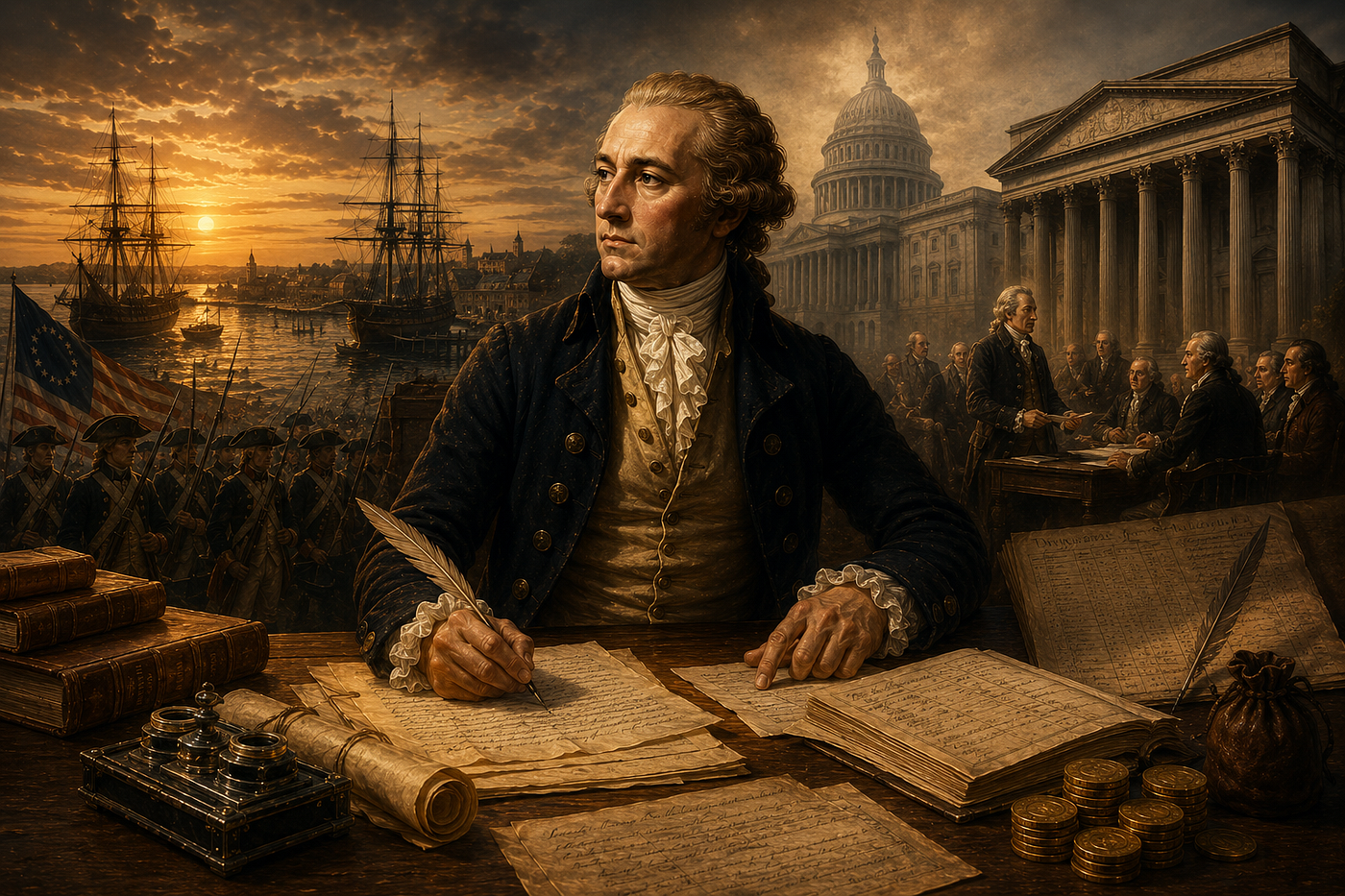
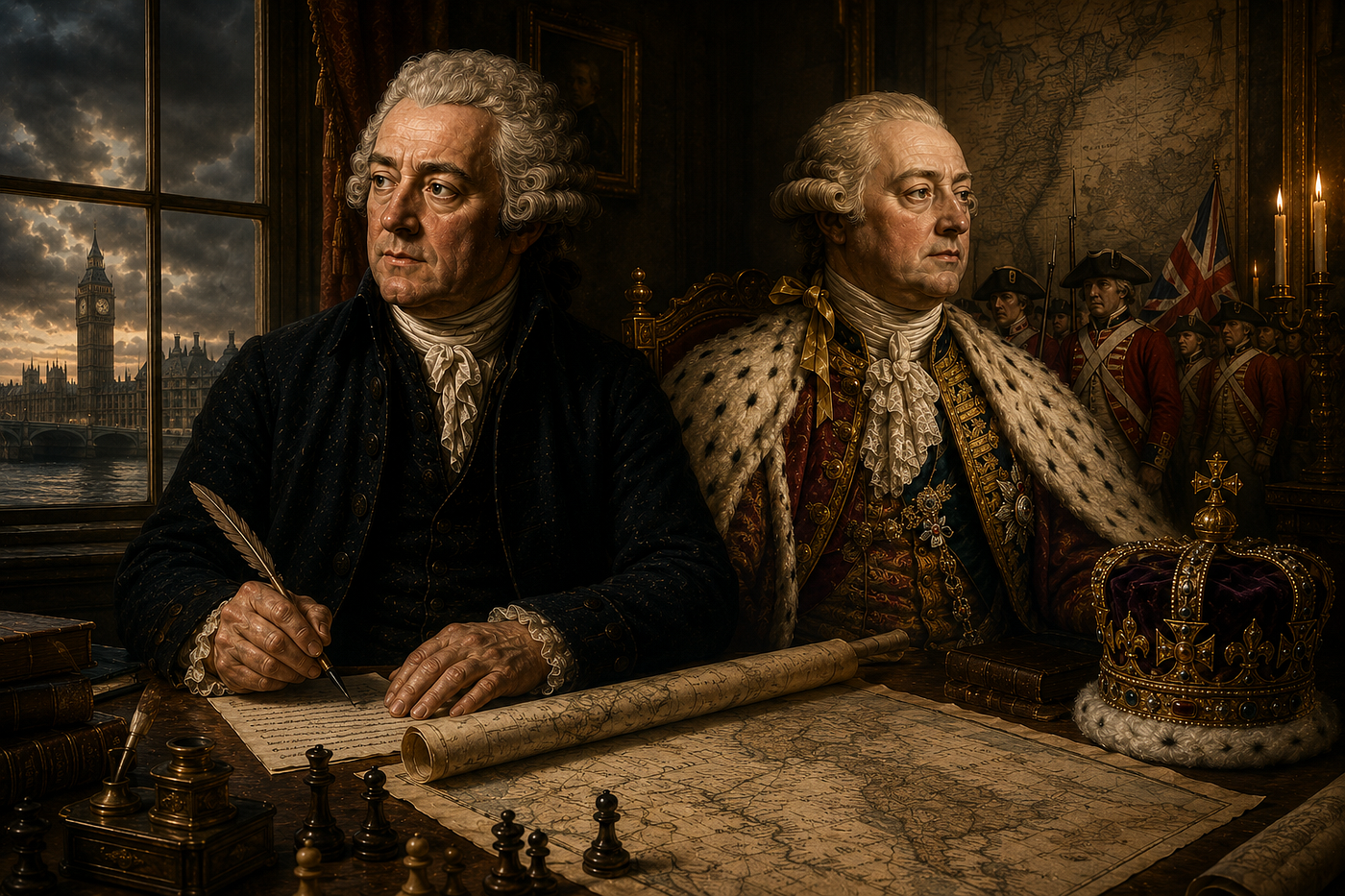
Frederick North — Lord North, a courtesy title — was born April 13, 1732, into a wealthy aristocratic family, educated at Eton and Trinity College, Oxford. By the time George III appointed him Prime Minister in January 1770, North had built a genuine reputation as a careful, diligent administrator, well liked in Parliament, capable of real competence handling Britain’s enormous post-war debt and reforming colonial governance in Asia.
North stabilized a government that had cycled through short-lived ministries for a decade, developing an unusually productive working relationship with George III in an era when the boundaries of royal versus Parliamentary power remained genuinely contested. For roughly his first four years in office, this should have defined his legacy.
The American colonies overshadowed all of it. North inherited an already-escalating fiscal dispute — the Seven Years’ War debt crisis examined in Day 1 of this series — not a blank slate. With Parliament’s clear support, his government responded to the Boston Tea Party with what colonists called the Intolerable Acts, closing Boston’s port and stripping Massachusetts of self-governance.
A Genuinely Disputed Question
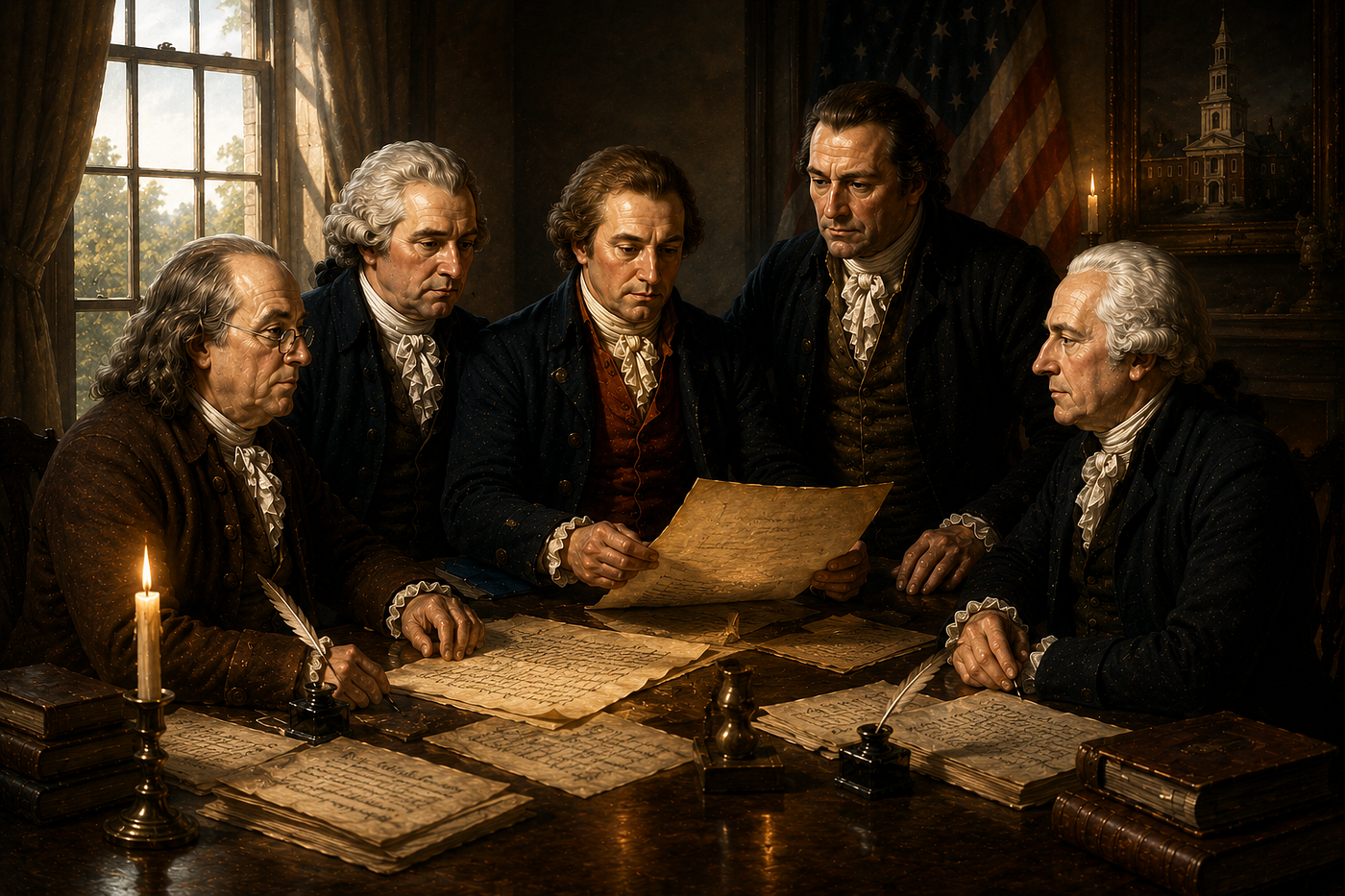
How much of this was George III’s personal initiative, versus George functioning as a constitutional monarch endorsing his ministers’ policy? This remains genuinely, actively disputed among serious historians, and this article isn’t going to resolve it artificially in either direction.
The popular image — reinforced directly by Jefferson’s Declaration, which accused George of “absolute Tyranny” — casts the king as the war’s personal architect. Multiple historians examining the detailed documentary record of these specific years have reached a more qualified conclusion. One prominent scholar’s assessment: the evidence from 1763 to 1775 “tends to exonerate George III from any real responsibility for the American Revolution,” describing a king whose hopes in this period “were centred on a political solution,” who consistently deferred to his cabinet’s judgment even when privately skeptical.
This is a live scholarly disagreement, not a settled question. Both contemporary Americans and many older historical accounts characterized George as a personal tyrant. Other historians, examining the same record, conclude the structural reality of decision-making in this period doesn’t support that characterization — at least for the years before the war itself began.
A War Run by a Man Who Didn’t Believe in It
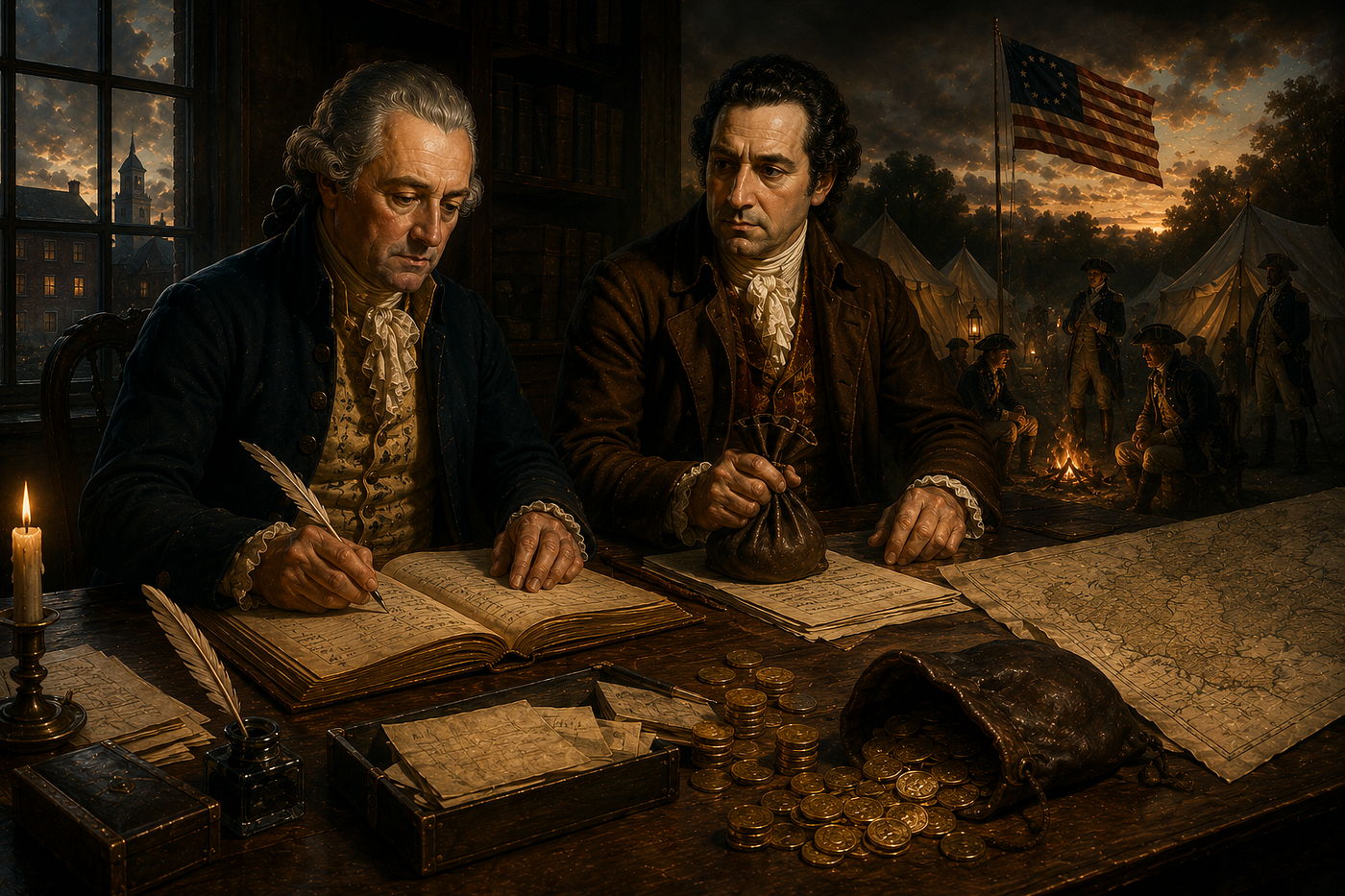
What’s not disputed is the practical situation North found himself managing once war began: a rebellion proving far more difficult and expensive than anticipated, prosecuted by a government suffering documented strategic confusion almost from the outset. King George, most of his cabinet, and most of Parliament had limited direct knowledge of the colonies — many had never set foot in North America. Lord George Germain, managing the war’s prosecution, was by most accounts an overconfident former officer poorly suited to the coordination the conflict required. North himself, whatever his peacetime administrative talents, was by most assessments simply not a strong wartime leader.
North’s private doubts predate the war’s most famous turning points. As early as October 1776, members of his own government — including the Right Honorable Thomas Townshend — were privately writing that the war was “unjust in its Principle and ruinous in its consequences.” After the catastrophic British defeat at Saratoga in 1777 — the battle covered in this series’ Franklin episode as the decisive trigger for the French alliance — North actively searched for a way to end the war before France’s formal entry worsened the strategic picture, arguing directly to the king that continuing would “ruin” Britain.
George’s response that summer: further concession “is a joke.”
Refused, Three Times
North tried to resign at least three separate times in the years that followed. George III refused each time.
This deserves more weight than the popular telling usually gives it, because it directly complicates any simple narrative of a unified British government marching in lockstep toward the war’s conclusion. The prime minister actually running the war had concluded, years before its end, that the effort was a mistake — and was kept in place against his own explicit, repeated wishes.
George’s reasons were practical as well as personal: replacing North would require negotiating with opposition factions who would extract real concessions on ending the war, concessions George wasn’t yet willing to make. By most assessments, the war had become something close to a personal contest for George III specifically — one he was determined not to lose regardless of mounting military and political evidence.
“Oh God! It’s All Over”
The British surrender at Yorktown in October 1781 finally broke the political stalemate, though it took months of Parliamentary maneuvering to do it. North’s diary entry upon hearing the news survives: “Oh God! It’s all over.”
Even then, George did not accept defeat. His correspondence from this period shows him actively discouraging peace negotiations, insisting the war’s continuation remained both possible and necessary. Parliament disagreed. On February 22, 1782, a motion to end offensive military operations in North America narrowly failed by one vote. A nearly identical motion the following week passed, 234 to 215. North tried to resign again. George refused again.
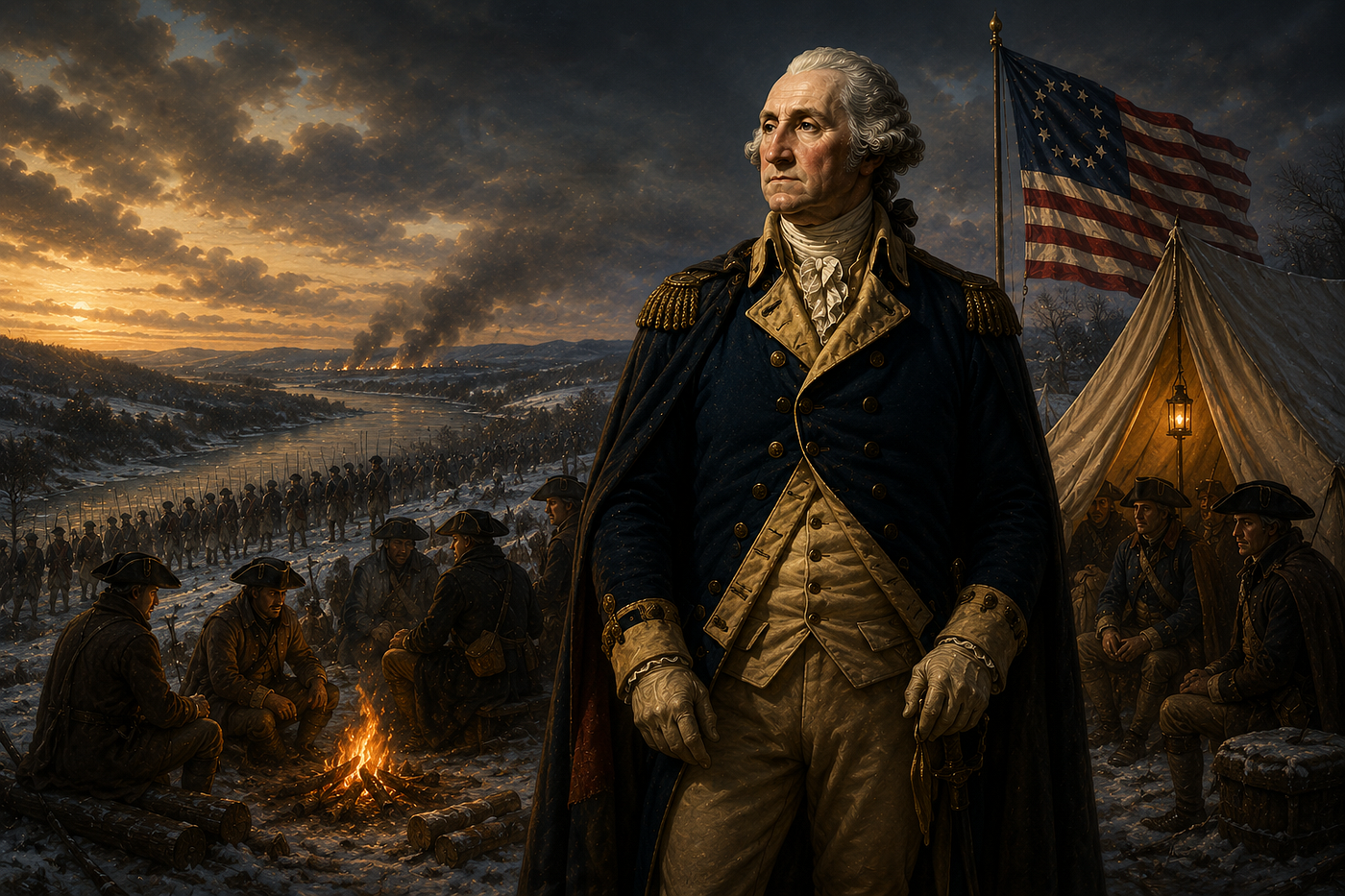
This time the refusal didn’t hold. North insisted, formally resigning on March 20, 1782 — establishing an important constitutional precedent that a Prime Minister resigns upon losing the Commons’ confidence, with his cabinet resigning alongside him. George accepted the resignation “with much sorrow,” writing privately that he could be of “no further Utility to His Native Country.” Historians studying his private papers from this period have found something more remarkable alongside that language: a draft memorandum of abdication. George III seriously considered giving up the throne entirely rather than personally preside over the formal loss of America.
He did not abdicate. North, leaving the Commons chamber, offered a dry parting line: “Sometimes, it is good to be in on the secret” — quiet relief from a man finally freed of a position he’d spent years trying to leave.
An Unlikely Postscript
North’s political career didn’t end with his 1782 resignation. In April 1783, he returned to government as Home Secretary in an unlikely alliance with Charles James Fox — a man who had fiercely opposed both North and the king throughout the war. George disliked the arrangement intensely; it collapsed by the end of that same year.
What the Full Picture Shows
Lord North was not an enthusiastic architect of tyranny. He was a competent peacetime administrator handed an escalating crisis he hadn’t created, who concluded years before the war’s end that the entire enterprise was a mistake — and said so directly to the king — only to be kept in his post against his own repeated, explicit wishes.
George III’s role remains genuinely disputed. The documentary evidence from before the war complicates the image of a unilateral tyrant. The evidence from the war’s final years — refusing his own prime minister’s repeated resignations, treating American independence as a personal defeat he wouldn’t accept even after Yorktown, privately drafting his own abdication rather than preside over that defeat — shows a monarch whose personal investment had become total by the war’s final act, whatever weight that carries against his more constitutionally constrained earlier conduct.
Both pictures belong in the record. An honest investigation holds both, rather than choosing whichever makes the simpler story.
File 47: Investigative History — opening the cases that the official account left closed. This is Day 10 of The Unfinished Founding, a special daily series running through July for America’s 250th anniversary.
메타데이터
- post_id
- aa5eb658a331
- slug
- the-kings-men-lord-north-george-iii-and-the-war-nobody-on-either-side-actually-wanted-aa5eb658a331
- url
- https://medium.com/file-47/the-kings-men-lord-north-george-iii-and-the-war-nobody-on-either-side-actually-wanted-aa5eb658a331
- canonical_url
- https://medium.com/file-47/the-kings-men-lord-north-george-iii-and-the-war-nobody-on-either-side-actually-wanted-aa5eb658a331
- author_url
- https://medium.com/@mb661054
- status
- ok
- fetched_at
- 2026-07-13 06:23:13