Metabolomics 101: The Chemical Language of Life
Have you ever wondered how scientists can decode what’s really happening inside our bodies — right now, not just from our genes, but in…
Metabolomics 101: The Chemical Language of Life
Have you ever wondered how scientists can decode what’s really happening inside our bodies — right now, not just from our genes, but in real time?
Welcome to the world of metabolomics, the science of tiny molecules with big stories to tell.
What Is Metabolomics?
Imagine our body as a giant, bustling city. The DNA is like the blueprint of every building, and the proteins are the workers keeping everything running. But what about the traffic on the streets — the deliveries, the waste, the fuel being burned? That’s where metabolites come in.
Metabolites are the small molecules — like sugars, amino acids, lipids, and organic acids — that flow through our blood, urine, tissues, and even breath. They’re the real-time indicators of everything from our last meal to our stress levels, disease states, or how well a drug is working.
Metabolomics is the science of measuring and interpreting these molecules. It’s like putting a stethoscope directly on our metabolism.

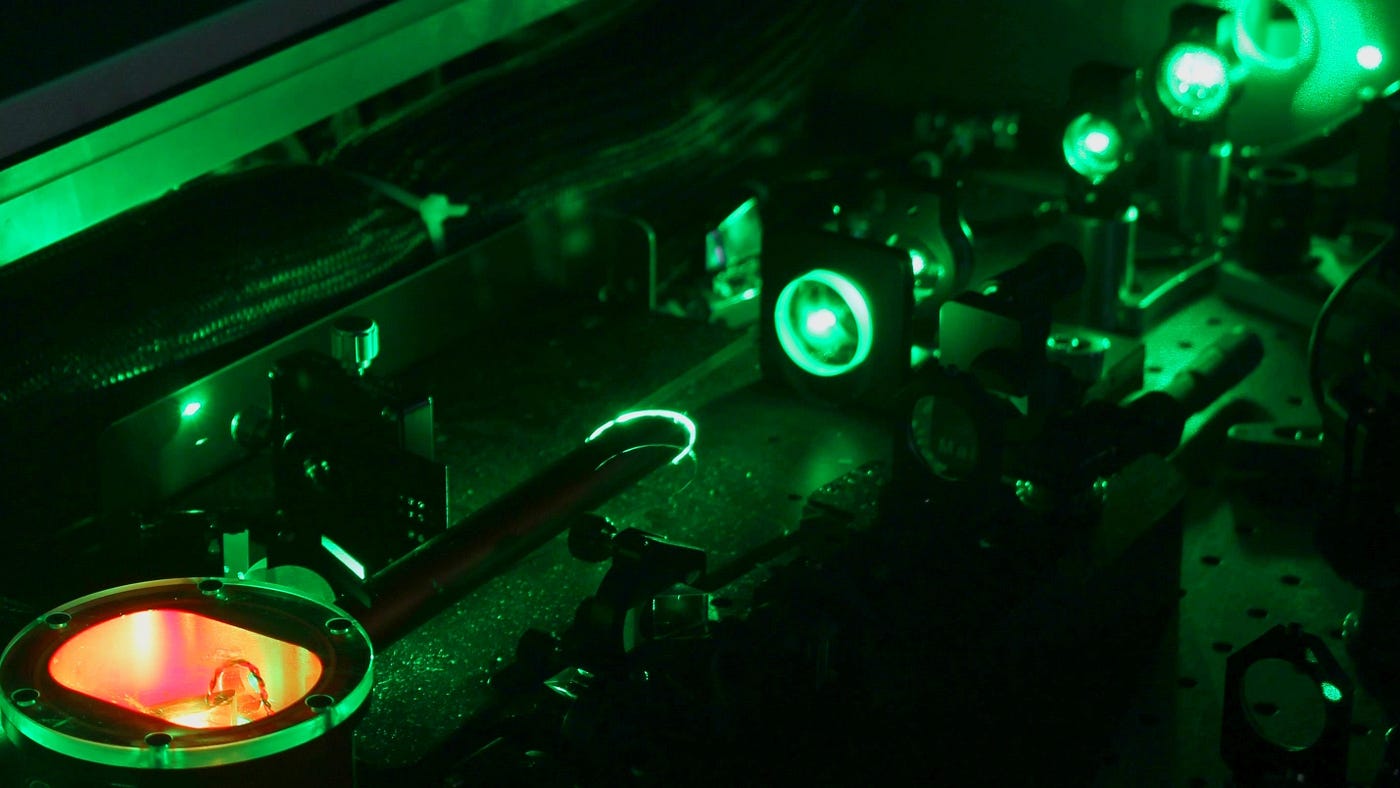
Metabolomics: The science of small molecules (Image courtesy: Bruker)
Why Metabolomics Matters?
While genomics tells us what could happen (our genetic potential), and proteomics shows what might be happening (the proteins being made), metabolomics reveals what’s actually happening right now in our body.
Here’s why it’s powerful-
Early disease detection: Subtle shifts in metabolites can signal diseases like diabetes, cancer, or kidney dysfunction — often before symptoms appear.
Precision medicine: Tailoring treatments based on our unique metabolic profile.
Nutrition & lifestyle monitoring: Tracking how our body responds to diet, fasting, exercise, or stress.
Drug development & toxicology: Understanding how the body processes and responds to chemicals and medications.
In short, it’s the science that brings biology from blueprint to behavior.
Revolutionizing Science: Metabolomics Across Disciplines
Metabolomics is no longer confined to laboratory benches — it’s making waves across many branches of science and society. Here’s how:
Healthcare & Precision Medicine
Metabolomics is helping doctors move away from “one-size-fits-all” treatment. Instead of relying solely on symptoms or static lab tests, doctors can now monitor real-time molecular signatures in blood or urine.
Cancer detection: Certain metabolites act as early indicators of tumor growth.
Diabetes management: Metabolic fingerprints can predict insulin resistance or kidney damage before it worsens.
Mental health: Researchers are exploring metabolic changes in depression, schizophrenia, and PTSD.
Genetics & Systems Biology
Genes provide the script. Metabolites show how the script is actually being read and performed. Metabolomics bridges the gap between genotype and phenotype, revealing how genes and environment interact. In large studies, it’s often used to validate genetic associations — known as metabolite GWAS (mGWAS).
Agriculture & Food Science
Plants have their own metabolites too — many of which determine flavor, aroma, nutritional value, and stress responses. Crop scientists use metabolomics to breed drought-resistant or nutrient-rich varieties.
Food companies apply it to ensure authenticity and quality control — is that olive oil really extra virgin?
Environmental Monitoring
Metabolomics is like a chemical surveillance system for ecosystems. By studying metabolites in soil microbes, water, or wildlife, scientists can track pollution, climate effects, and ecological health. Metabolomics also helps assess toxin exposure in fish, frogs, and even humans living in industrial zones.
Microbiome Research
Our gut microbiome — those trillions of microbes inside us — communicates with our body by making and modifying metabolites. Metabolomics is key to understanding this gut–brain axis, gut–kidney axis, and the role of microbes in diseases like obesity, IBD, and neurodegeneration.
How Does Metabolomics Work?
The process usually follows these steps:
Sample Collection: This could be blood, urine, saliva, tissue — even sweat or breath.
Metabolite Detection: Scientists use powerful instruments like Mass Spectrometry (MS) and Nuclear Magnetic Resonance (NMR) to detect hundreds to thousands of metabolites at once.
Data Crunching: Since the data is massive and complex, computational tools align peaks, filter out noise, and run statistical analyses (like PCA or clustering).
Pathway Mapping: Significant metabolites are matched to known biochemical pathways — like energy metabolism, amino acid turnover, or oxidative stress.
This reveals not just which metabolites are present, but how they connect in networks of health and disease.
Targeted vs Untargeted Metabolomics
There are two main flavors of metabolomics:
Targeted: We look for specific molecules — like a blood test for glucose or creatinine.
Untargeted: We scan everything possible — like turning over every rock to see what might be hiding.
Untargeted metabolomics is great for discovery; targeted is key for validation and diagnostics.
The Bigger Picture: Systems Biology
Metabolomics doesn’t live in a vacuum. It’s increasingly being integrated with other “omics”:
Genomics: What genes we have.
Transcriptomics: What genes are being expressed.
Proteomics: What proteins are being made.
Metabolomics: What our body is actually doing right now.
This multi-omics approach is helping scientists understand chronic diseases, aging, cancer metabolism, and the gut microbiome more holistically.
Where to Learn More: Recent Must-Reads
If this piqued your curiosity, here are some excellent resources I found while preparing this blog:
“What is metabolomics all about?” A clear, beginner-friendly introduction to the entire field by Roessner & Bowne. Read it here
“An Introduction to Metabolomics” — The Scientist Breaks down complex concepts into relatable metaphors — ideal for new readers. Check it out
Arome Science Blog: Offers digestible definitions and use cases in food safety, health, and pharma. Visit blog
“Metabolomics: A Primer” — PubMed Overview Great for graduate students and science-savvy readers wanting more depth. View abstract
Metabolomics is more than a scientific buzzword. It’s becoming a cornerstone of precision health, a powerful ally in agriculture, a watchdog for the environment, and a translator for the complex crosstalk between our microbiome and metabolism.
As technology evolves, so does our ability to catch diseases earlier, design smarter treatments, and understand life at its most fundamental level.
We are only just beginning to speak the language of metabolites. And the stories they tell? They’re nothing short of transformative.
If you enjoyed this post, follow me for more insights on biomedical research, health tech, and the fascinating world of metabolomics.
메타데이터
- post_id
- aa74a6c3868c
- slug
- metabolomics-101-the-chemical-language-of-life-aa74a6c3868c
- url
- https://medium.com/@keshmonalisa/metabolomics-101-the-chemical-language-of-life-aa74a6c3868c
- canonical_url
- https://medium.com/@keshmonalisa/metabolomics-101-the-chemical-language-of-life-aa74a6c3868c
- author_url
- https://medium.com/@keshmonalisa
- status
- ok
- fetched_at
- 2026-06-09 15:37:30