How Do On Demand App Development Companies Adapt to Multi-Service Platforms?
The on-demand economy has transformed from a single-service application to a multi-service application, where a single application provides…
How Do On Demand App Development Companies Adapt to Multi-Service Platforms?

The on-demand economy has transformed from a single-service application to a multi-service application, where a single application provides all the services that were previously offered separately, such as ride-hailing, food delivery, and home services, and so on. This has made every **On Demand App Development Company** redesign their strategy for developing, growing, and maintaining an application that provides a number of services within a single application environment.
No longer are developers required to create a single application, but instead, they are required to work within an environment where flexibility, interoperability, and extensibility are key considerations for an application that provides a number of services within a single application environment.
The Shift Toward Platform-Centric Thinking
From Single-Service Apps to Service Ecosystems
On-demand apps used to have only one type of transaction. Now, an on-demand app combines logistics, payment systems, and user management for multiple types of services. This has changed the way an on-demand app development company goes about designing the product.
Multi-service apps are no longer about features; they are about an ecosystem of services that share resources but also have their own workflow. This means developers are changing the way they go about things by decoupling business logic from service logic
Unified User Experience Across Services
Users expect a smooth flow when switching between services within the same application. Developers concentrate on providing uniform navigation, authentication, and account management. The aim is to deliver a smooth service transition and not a fragmented one..
Architectural Adaptation for Multi-Service Scale
Modular System Design
To facilitate multiple services under one umbrella, developers prefer to have modular architecture. Each service runs independently as a module with its connection to the core system. This helps to introduce new services without affecting the entire architecture.
An **On-demand home services app development** usually uses service-oriented or microservice architecture to ensure that changes to any service do not affect other services.
Shared Infrastructure, Isolated Logic
Payment gateways, notification engines, and analytics systems are commonly shared across services. However, service-specific rules — such as pricing models or fulfillment logic — remain isolated. This balance enables operational efficiency while preserving flexibility.
Data Strategy in Multi-Service Platforms
Centralized User Profiles
Multi-service platforms rely on unified user profiles that store preferences, transaction history, and behavioral data across services. Development teams design data schemas that support cross-service insights without creating dependency bottlenecks.
Service-Specific Data Layers
While user data is centralized, service data remains compartmentalized. This separation allows platforms to evolve individual services independently while maintaining platform-wide consistency.
Operational Adaptation in Development Workflows
Parallel Development Streams
Multi-service platforms demand parallel development. Teams work on different services simultaneously without blocking one another. This requires strict API contracts and version control discipline.
An On Demand App Development Company adapts by organizing teams around service domains rather than technical layers. Each team owns its service lifecycle while aligning with shared platform standards.
Continuous Iteration Models
Instead of monolithic release cycles, updates are rolled out incrementally. New services or enhancements are introduced gradually, allowing real-world usage data to guide further development.
This approach often aligns with **MVP app development**, where platforms test service combinations and user adoption patterns before committing to deeper integration.
Role of Mobile-First Design
Multi-service platforms are predominantly accessed via smartphones. Development teams prioritize mobile performance, responsiveness, and usability across service categories. The complexity of handling multiple services inside one interface requires careful attention to layout hierarchy and interaction design.
Within **mobile app development**, this often translates into adaptive UI components that adjust based on the selected service while maintaining a consistent brand identity.
Business Logic Flexibility Across Services
Service-Specific Rules Engines
Each service on a multi-service platform may operate under different rules — pricing structures, availability windows, or provider matching logic. Development teams build configurable rules engines that allow business teams to modify service behavior without code changes.
Independent Scaling Mechanisms
Demand patterns vary across services. Food delivery may peak at meal times, while home services follow different cycles. Platforms adapt by scaling services independently at the infrastructure level, avoiding resource contention.
Platform Governance and Control Layers
Administrative Dashboards
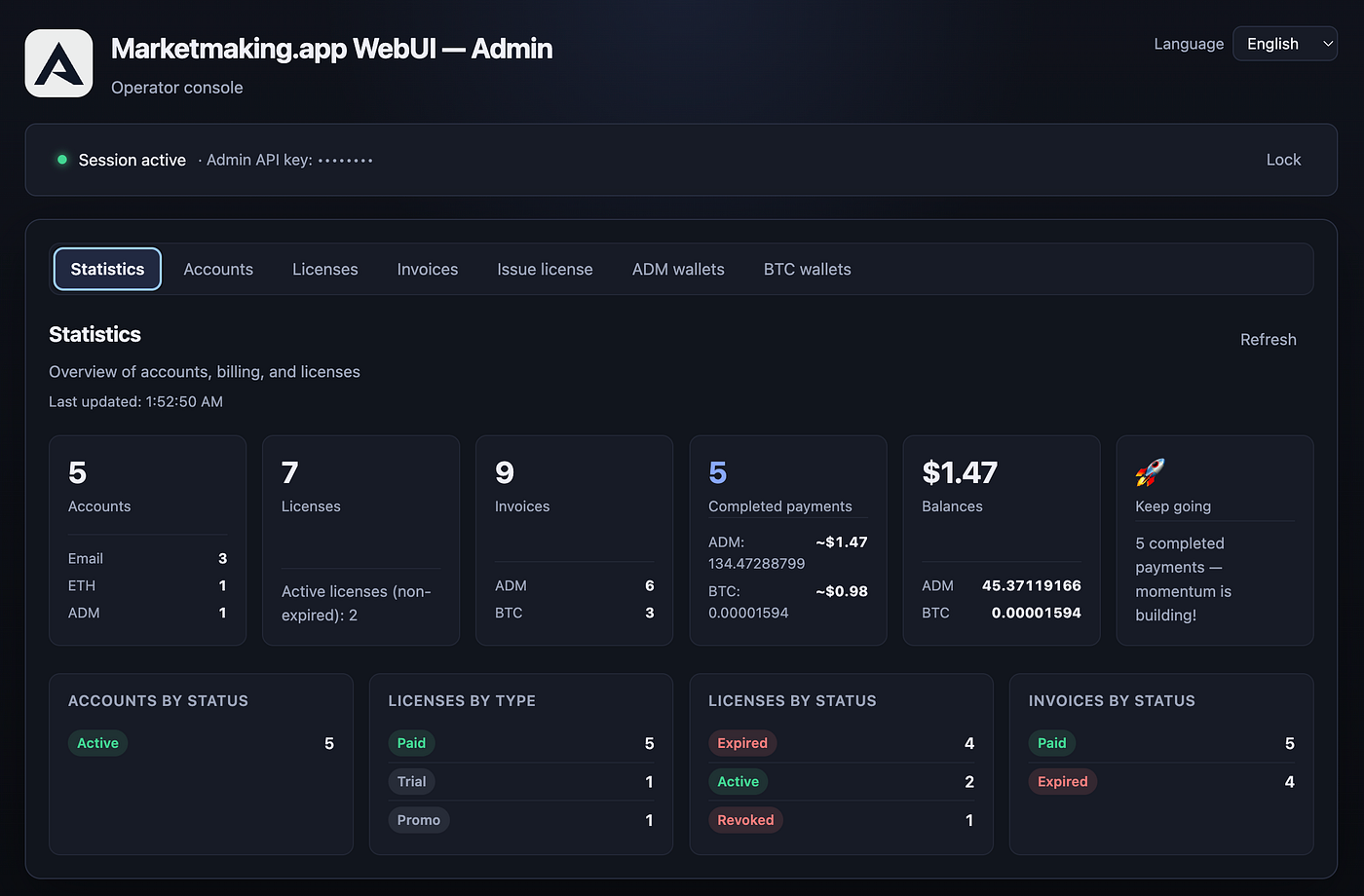
Multi-service platforms require centralized dashboards for monitoring operations, user activity, and service performance. Development teams design admin systems that offer granular control over each service while presenting aggregated insights.
Policy and Compliance Alignment
Different services may operate under different regulatory frameworks. Development teams structure compliance logic so that policies apply selectively based on service type and geography.
Strategic Evolution Over Time
Multi-service platforms are rarely complete at launch. They evolve as user behavior reveals which services gain traction. An On Demand App Development Company adapts by treating the platform as a living system rather than a finished product.
New services are introduced experimentally, refined through usage data, and either expanded or retired based on performance. This evolutionary mindset defines how modern on-demand platforms sustain relevance.
Conclusion
For an On Demand App Development Company, the changing landscape of multi-service platforms is met through a shift from linear application development to an ecosystem approach. This includes a focus on modularity, infrastructure sharing, parallel development, and flexibility in dealing with data. This allows multi-service platforms to be stable while supporting a variety of services.
Through an approach that aligns with the ever-changing needs of users and the market, an On Demand App Development Company is able to develop platforms that are always expandable. As multi-service platforms become the rule rather than the exception, it is clear that flexibility, both in approach and strategy, is what will define an On Demand App Development Company in the future.
메타데이터
- post_id
- aa76d1118daf
- slug
- how-do-on-demand-app-development-companies-adapt-to-multi-service-platforms-aa76d1118daf
- url
- https://medium.com/tech-circular/how-do-on-demand-app-development-companies-adapt-to-multi-service-platforms-aa76d1118daf
- canonical_url
- https://medium.com/tech-circular/how-do-on-demand-app-development-companies-adapt-to-multi-service-platforms-aa76d1118daf
- author_url
- https://medium.com/@bradsiemn
- status
- ok
- fetched_at
- 2026-06-12 10:20:10