Today, many church gatherings follow a structured, staff-led format often called “worship services.”
This paper explores the scriptural foundation and historical context of participatory church meetings, comparing them with the modern…
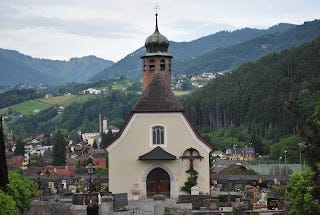
Today, many church gatherings follow a structured, staff-led format often called “worship services.” While this method has its strengths, it raises an important question: does it reflect the practices of the early church as described in the Bible? In Scripture, we see a different approach — gatherings where believers actively participate and contribute. These participatory meetings appear to align more closely with the biblical model.
This paper explores the scriptural foundation and historical context of participatory church meetings, comparing them with the modern pulpit-centered culture. I began studying this topic in 2001 and have since immersed myself in intensive research, drawing insights from modern studies, historical texts, and contemporary writings. Through this work, I aim to share my findings and present a thoughtful perspective on this important subject.
Scriptural Basis for Interactive Meetings
The New Testament portrays early Christian gatherings as highly interactive. The Apostle Paul describes this in 1 Corinthians 14:26:
· “When you come together, everyone has a hymn, or a word of instruction, a revelation, a tongue, or an interpretation. All of these must be done for the strengthening of the church.”
· Paul’s use of the word everyone highlights inclusiveness, where all believers participate actively. If Scripture had instead said “only one,” it would better reflect today’s typical services where participation is limited to a few.
Further guidelines emphasize this interactive nature:
· 1 Corinthians 14:27–28: Regulates speaking, ensuring order in a participatory setting.
· 1 Corinthians 14:29–32: Provides rules for prophetic contributions, allowing multiple speakers.
· Acts 20:7 and Hebrews 10:25: Describe gatherings that were focused on mutual encouragement and teaching.
These examples suggest that early church meetings prioritized the strengthening of believers through shared contributions rather than a one-sided presentation.
Challenges of the Worship Service Model
Modern church gatherings are often framed as “worship services,” typically led by professional teams. This term, while practical, shifts the focus. Worship, as seen in the New Testament, is not confined to corporate singing or ceremonial acts. Jesus explained to the Samaritan woman:
· “A time is coming when you will worship the Father neither on this mountain nor in Jerusalem… true worshipers will worship the Father in spirit and truth” (John 4:21–24).
The Greek words for worship, proskuneo and latreia, provide further clarity:
· Proskuneo refers to an inner attitude of reverence, awe, and humility before God.
· Latreia involves practical obedience and service, expressing worship through daily actions.
By narrowing church meetings to “worship services,” other aspects of edification — such as teaching, fellowship, and shared testimonies — are often overshadowed. This creates a spectator mindset, where people expect polished programs, inspiring music, and emotional highs rather than active participation.
Historical Context: From Homes to Basilicas
The early church primarily met in homes, as seen in the New Testament. For example, the church in Rome gathered in the home of Priscilla and Aquila (Romans 16:3–5), while believers in Colossae met in the house of Philemon (Philemon 1:2). These small, intimate settings allowed for open participation, fostering community, mutual edification, and Spirit-led contributions. Paul highlights this dynamic in 1 Corinthians 14:26, encouraging every believer to bring hymns, teachings, or revelations for the strengthening of the church.
However, the 4th century brought dramatic changes to Christian worship and gatherings, shifting from this grassroots, participatory model to a more hierarchical and formalized structure.
The Shift to Imperial Religion
-
Legalization and Institutionalization: With Emperor Constantine’s Edict of Milan (AD 313), Christianity transitioned from a persecuted movement to an accepted and favored religion. By AD 380, Emperor Theodosius declared Christianity the official religion of the Roman Empire, intertwining it with state power.
-
Repurposing Pagan Temples: Pagan temples were converted into Christian basilicas. Unlike homes, these formal structures emphasized hierarchy and spectatorship. A central altar or pulpit became the focus, where select clergy officiated, reducing the congregation to passive observers.
-
Adoption of Roman Rituals: Roman religious practices — such as processions, incense, ornate vestments, and hierarchical ceremonies — were incorporated into Christian worship. These changes emphasized formality and reverence over the dynamic, participatory gatherings of the early church.
-
Clergy-Laity Divide: As Christianity aligned with Roman political structures, the division between clergy and laity became pronounced:
The clergy assumed the role of mediators of God’s truth, administering sacraments and delivering sermons from elevated pulpits.
The laity became passive recipients, losing their active role in worship.
This model stifled the interactive nature of gatherings, replacing dialogue with monologue preaching.
Pulpit Culture and the Notion of Sacred Space
The pulpit culture that emerged emphasized physical and symbolic separation:
-
Elevated Clergy Roles: The raised platform or pulpit and the centrality of the altar physically placed clergy above the congregation, symbolizing their spiritual authority. This reinforced the idea that access to God was mediated by ordained leaders.
-
Sacramental Focus: The sacraments, especially the Eucharist, became the primary act of worship, celebrated with heightened solemnity. Only the clergy were deemed qualified to officiate, creating a culture where “holy matters” were inaccessible to ordinary believers.
-
Sacred Spaces: Basilicas and their elaborate rituals cultivated the idea of the church building as a uniquely holy place, contrasting with the early church’s understanding that worship could happen wherever believers gathered (John 4:21–24).
Theological Implications of the Transition
These shifts profoundly altered the experience of worship:
-
Worship as Spectacle: Worship evolved from being a shared, Spirit-led, participatory experience into an event to be attended. The congregation became an audience, observing rather than contributing. The focus shifted toward performance and presentation, with elaborate rituals, ornate vestments, and grand architecture creating an atmosphere of showmanship rather than communal edification.
-
Loss of Mutual Edification: The participatory nature of early gatherings, where believers encouraged and built one another up (Hebrews 10:24–25), was overshadowed by clergy-led rites. Interaction gave way to monologue sermons and formal ceremonies, sidelining the contributions of ordinary believers. This loss diluted the biblical model of worship as a body functioning together (1 Corinthians 12:12–27).
-
Suppression of Home Gatherings: The centralization of worship in basilicas discouraged small, intimate home meetings, which had fostered deep fellowship and shared growth. House churches were seen as informal and less authoritative compared to the grandeur of basilicas, contributing to a hierarchy that separated clergy from laity.
-
Shift Toward Showmanship: Worship practices increasingly emphasized aesthetics, precision, and spectacle, moving further from the functional, Spirit-led gatherings of the early church. The grandeur of formalized worship often obscured its primary purpose: to glorify God and edify believers in unity and simplicity.
This transformation set the stage for the “Dark Ages” of Christian interaction, where worship became largely passive, and the laity’s role in spiritual growth diminished.
The Stone-Campbell Movement, emerging in the early 19th century, was motivated by a desire to restore the practices of the early church. Its leaders — Thomas and Alexander Campbell, and Barton W. Stone — sought to purify Christian worship by eliminating denominational divisions and returning to what they perceived as the simple, scriptural pattern of the New Testament church. However, the worship pattern they promoted still retained a formal structure, particularly around preaching and communion.
Stone-Campbell Movement Worship Pattern
- Preaching-Centered Services
The worship pattern of the Stone-Campbell Movement was distinctly sermon-centered. The central element of the service was the preaching of the Word, with a focus on biblical exposition. The sermon, delivered by an ordained minister or preacher, was a key feature of the service, and while it was rooted in Scripture, it did not encourage the level of congregational participation that characterized early church gatherings. Instead, the congregation largely acted as listeners.
-
Centrality of Communion The Lord’s Supper (communion) was restored as a central practice in weekly worship, but it was generally administered by the preacher or a designated leader, rather than being a participatory, communal act. While the Campbell advocated for a return to this biblical practice, it was still part of a formal service where the congregation observed, rather than actively participated in, the rituals.
-
Structured Worship Format Worship services in the Stone-Campbell Movement were more structured than the early church’s gatherings. There were elements like singing and prayer, but the congregation’s role was more passive in these aspects compared to the early church model, where members were encouraged to contribute spontaneously. The worship was orderly and focused on key doctrinal points, with little room for spontaneous interaction.
-
Lack of Full Congregational Participation Despite its goal of restoring New Testament practices, the Stone-Campbell Movement did not fully recover the participatory nature of early Christian worship, where all members had the freedom to contribute to the service. Instead, a distinct division existed between the clergy and the laity, with clergy taking the lead in the sermon, communion, and overall service structure.
The Psychological Toll of Podium Culture on Preachers
When a preacher steps up to the podium, it’s not just about delivering a sermon — it’s about navigating a complex psychological landscape. Podium culture can deeply affect a preacher’s mental and emotional well-being, often leading to burnout, compassion fatigue, and various psychological syndromes. The pressure of public speaking, combined with the performance aspect of preaching, can trigger dopamine highs (linked to excitement and reward) but also high stress, creating a challenging environment.
This can lead to issues like Imposter Syndrome, where preachers feel like frauds despite their success, or the Hero Complex, where they feel they must save everyone. Perfectionism, Narcissistic Vulnerability Syndrome, and even Identity Disturbance Syndrome may emerge as they try to meet unrealistic expectations. The emotional toll can also lead to Secondary Trauma (Vicarious Trauma) as preachers absorb the pain of their congregation, and the Messiah Syndrome can push them to burn out, believing they must be everything to everyone.
One major effect of podium culture is the heightened sense of authority and control. Preachers wield significant influence over their congregation, which can boost their confidence but also bring pressure to maintain control. This pressure can lead to performance anxiety or an overwhelming sense of responsibility. Emotional manipulation also comes into play — preachers might feel guilty or even manipulative as they use their influence.
Social isolation is another downside. The boundaries set by their role can leave preachers feeling disconnected, leading to emotional depletion and burnout. Positive feedback from the congregation can give an ego boost, but it can also create dependence on external validation, which may fuel narcissistic traits or feelings of inadequacy, leading to Imposter Syndrome.
In contrast, Jesus engaged with people in a relational, participatory way, using parables and stories to guide them through their spiritual journeys. His approach fostered dialogue, understanding, and shared experiences, rather than a one-sided performance. Jesus’ method of pastoral care was deeply relational — He met people where they were, listened to their stories, and invited them into a conversation about their faith. This is the model of care we are called to in pastoral roles: engaging directly with people, walking alongside them, and creating space for mutual growth and support. Such an approach requires critical thinking and an analytical mindset to engage vibrantly, fostering meaningful connections that promote deeper spiritual understanding and growth — unlike podium culture, where preachers often follow a set pattern of preaching, distancing themselves from direct interaction with the congregation. This can lead to a scenario where people forget about the sermon the moment they step out of church, and certainly within a few days, because the experience lacks the personal, transformative connection that Jesus modeled.
Historical Examples of Burnout in Religious Figures
Throughout history, many religious leaders have struggled with the emotional toll of leadership:
· Martin Luther battled emotional and psychological strain, particularly after posting his 95 Theses. His writings reflect deep feelings of inadequacy, exhaustion, and isolation.
· John Wesley and early Methodists often preached tirelessly, even to the point of collapse, driven by an overwhelming sense of duty to save souls.
· Rev. Dr. Howard Thurman, a theologian, faced the emotional burden of leadership, leading to periods of burnout and introspection. These figures illustrate how the emotional weight of pastoral care, combined with podium culture, can lead to a crisis of identity and purpose.
Restoring the Participatory Spirit
The participatory ethos of the early church has resurfaced throughout history in movements like the Anabaptists during the Reformation, the Quakers in the 17th century, and modern house church gatherings. These efforts prioritize simplicity, interaction, and the active involvement of all believers in worship, emphasizing that the church is not a building but a community united in Christ. Key principles of participatory worship include:
-
Encouragement: Believers are called to exhort and build one another up (Hebrews 10:24–25).
-
Teaching and Learning: Contributions from multiple individuals allow for diverse insights and mutual edification (1 Corinthians 14:29–31).
-
Prayer and Fellowship: Corporate prayer and the breaking of bread remain central to fostering unity and spiritual growth (Acts 2:42).
Insights from Modern Research
Recent studies on group dynamics and learning environments affirm the effectiveness of participatory approaches:
-
Engagement Promotes Growth: Research in organizational and educational psychology shows that active participation fosters learning and retention. In a church context, allowing individuals to contribute their experiences and insights creates a richer and more memorable spiritual experience. This aligns with Paul’s vision of a church where everyone contributes for mutual strengthening (1 Corinthians 14:26).
-
Small Groups Build Stronger Connections: Studies, such as those by sociologist Robert Putnam in Bowling Alone, emphasize the power of small groups in fostering community and trust. Smaller gatherings allow for meaningful relationships, echoing the New Testament model of house churches (Romans 16:5; Philemon 1:2). Small groups also make it easier for believers to share openly, pray for one another, and grow in faith together.
-
Empowerment Increases Engagement: Leadership expert Simon Sinek highlights that people are more committed when they feel valued and empowered. In the church, this means creating opportunities for all members to use their spiritual gifts. When believers actively serve and contribute, they experience a deeper sense of purpose and connection to the church body (Romans 12:6–8).
-
Participatory Worship Deepens Faith: Research from theologians like Robert Webber (in Ancient-Future Faith) suggests that participatory worship — where believers engage in dialogue, shared prayers, and testimonies — nurtures a more vibrant and personal relationship with God. This contrasts with passive attendance, which can sometimes lead to disengagement and spiritual stagnation.
Practical Steps for Implementation
To restore the participatory model, churches can take intentional steps that combine biblical principles with modern insights:
- Encourage Shared Contributions:
Dedicate portions of meetings to open sharing, allowing believers to offer hymns, testimonies, or teachings, as described in 1 Corinthians 14:26.
Use small group discussions during larger gatherings to give everyone a voice.
2. Prioritize Small Group Gatherings:
Build a strong foundation of small groups where believers can connect deeply, study Scripture, and pray together.
Ensure that leaders are facilitators, not just teachers, encouraging dialogue and shared insights.
3. Train and Empower Leaders:
Equip leaders to identify and nurture spiritual gifts within the congregation, aligning with Ephesians 4:11–12.
Encourage leaders to delegate responsibilities and create space for others to contribute.
4. Foster a Spirit of Humility and Unity:
Teach on the biblical concept of the church as a body, where all parts are equally important (1 Corinthians 12:12–27).
o Address any cultural or hierarchical barriers that discourage participation.
- Leverage Technology
Technology offers powerful tools to enhance participatory gatherings, especially in today’s interconnected world. By using digital platforms thoughtfully, churches can make meetings more interactive and inclusive while aligning with biblical principles of community and encouragement:
· Online Tools for Collaboration: Platforms like Zoom, Microsoft Teams, or WhatsApp can facilitate collaborative Bible studies, prayer chains, and shared discussions, especially for those unable to attend in person. These tools create opportunities for believers to connect, share insights, and pray together, even when separated by distance. Technology allows this gathering to transcend physical boundaries.
· Interactive Elements During Services: Churches can incorporate features like live Q&A sessions or group reflections during or after sermons. This encourages believers to ask questions, share interpretations, or apply the message practically in their lives, fostering deeper engagement.
· Hybrid Meetings for Inclusivity: Offer both in-person and online participation options to ensure that everyone, including the elderly, those with disabilities, or individuals in remote areas, can contribute meaningfully to the gathering.
· Encourage Shared Digital Resources: Use apps and platforms for collaborative note-taking, sharing testimonies, or creating shared playlists of hymns and worship songs. These tools enable believers to prepare for and contribute to meetings actively.
By integrating these technological strategies, churches can create a participatory atmosphere that is engaging, inclusive, and aligned with the interactive model of the early church.
Benefits of Restoring the Model
Implementing a participatory model not only aligns with Scripture but also brings practical benefits:
· Deeper Discipleship: Believers grow as they actively engage with Scripture and one another.
· Stronger Community: Participation fosters trust, accountability, and a sense of belonging.
· Increased Retention: Active involvement keeps members connected to the church.
· Enhanced Worship: When believers contribute their gifts, worship becomes a dynamic expression of the body of Christ.
Conclusion
Restoring a participatory model requires intentional effort, but it reflects the biblical vision for the church as a living, active body. Modern research supports this approach, showing that shared participation strengthens relationships, deepens engagement, and fosters spiritual growth. By empowering every believer to contribute, the church can truly fulfill its mission to edify and build one another up in love (Ephesians 4:16).
Participatory Worship Session Format
- Opening Songs
4 Songs were selected and led by the choir to set the tone for worship.
- Opening Reflection-
Led by any volunteer who has informed the coordinator in advance. The reflection may include a personal testimony, a prayer, or a short reading related to the theme of the day.
- Song Before Communion
A reflective song led by the choir to prepare hearts for communion.
- Communion
Led by any volunteer who has informed the coordinator in advance. They may offer a brief Scripture reading and prayer before the elements are shared.
- Message Format
Scripture Sent in Advance: The congregation is encouraged to meditate on the selected passage during the week.
Interactive Message:
The facilitator introduces the passage and presents open-ended questions or scenarios to spark discussion.
Participants share insights, ask questions, or reflect on how the Scripture applies to their lives.
Everyone is given an assignment to complete during fellowship time, such as applying the message in a practical way or sharing their reflections with others.
- Closing Song
A joyful or reflective song led by the choir to conclude the service.
- Closing Prayer
Offered by a volunteer or the facilitator, focusing on the takeaways from the session and the week’s assignment.
- Bibliography:
- Holy Bible. New International Version. Zondervan, 2011.
- Stark, Rodney. The Rise of Christianity: History, Documents, and Key Questions. HarperOne, 1996. MacCulloch, Diarmaid. Christianity: The First Three Thousand Years. Viking, 2011. Books of David W.Bercot.
- MacCulloch, Diarmaid. Christianity: The First Three Thousand Years. Viking, 2011.
- Books of David W.Bercot.
- D.Jacoby’s web site.
- Josephus “The Complete works”
- A Serious Call To A Devout and Holy Life. 1931 edition.
- Davies, J.G. The Early Christian Church, Baker, 1981.
- Goppelt, Leonhard. Apostolic & Post-Apostolic Times, Baker, 1980.
- Grudem, Wayne. The Gift of Prophecy in 1 Corinthians. Univ Press of America , 1982.
- Hanson, Anthony. The Pioneer Ministry: The Relation of Church & Ministry. Westminster , 1961.
- Lindsay, Thomas M. The Church & the Ministry in the Early Centuries. James Family Pub., 1977.
- Niebuhr, H. Richard. The Ministry in Historical Perspectives, Harper & Row, 1983
- Guder, Darrell L., ed. Missional Church: A Vision for the Sending of the Church in North America. Eerdmans, 1998. Nouwen, Henri J. M. The Way of the Heart: The Spirituality of the Desert Fathers and Mothers. HarperCollins, 2002. Warkentin, Marjorie. Ordination: A Biblical-Historical View. Eerdmans, 1982.
- Nouwen, Henri J. M. The Way of the Heart: The Spirituality of the Desert Fathers and Mothers. HarperCollins, 2002.
- Warkentin, Marjorie. Ordination: A Biblical-Historical View. Eerdmans, 1982.
- Rogers, Robert. “The Transformation of Worship in the Early Church.” Church History Journal, vol. 72, no. 2, 2003, pp. 250–265.
- Dulles, Avery. “The Ecclesiology of the Early Church and Its Implications for Modern Worship.” Theological Studies, vol. 58, no. 3, 1997, pp. 489–507.
- Pastors at greater risk by H.B.London, Jr. Neil B.Wiseman
- Grosch, W. N., & Olsen, D. M. (2000). Care of Clergy: Psychological and Spiritual Dimensions of Pastoral Care. American Psychological Association.
- Collins, C. M. (2006). The Emotional and Psychological Impact of the Ministry: A Handbook for Ministers and Churches. Christian Ministry Press.
- Gilbert, D. (2009). “Preachers and Mental Health: Addressing Burnout in Ministry.” Pastoral Psychology, 58(5), 483–494.
- McGrath, A. E. (1999). John Wesley: A Biography. Zondervan.
- Luther, M. (1997). Luther’s Works: Volume 34, Career of the Reformer I. Concordia Publishing House.
- Thurman, H. (1977). Meditations of the Heart. Beacon Press
- PARTICIPATORY TEACHING AND LEARNING by Malawi Institute of Education
- Lecture by Dr. Jane Doe, Church History 101. Online course, University of Theology, 2020
메타데이터
- post_id
- aa7e692bd1b8
- slug
- today-many-church-gatherings-follow-a-structured-staff-led-format-often-called-worship-services-aa7e692bd1b8
- url
- https://medium.com/@mukund175d/today-many-church-gatherings-follow-a-structured-staff-led-format-often-called-worship-services-aa7e692bd1b8
- canonical_url
- https://medium.com/@mukund175d/today-many-church-gatherings-follow-a-structured-staff-led-format-often-called-worship-services-aa7e692bd1b8
- author_url
- https://medium.com/@mukund175d
- status
- ok
- fetched_at
- 2026-07-20 21:37:36




