The Rise of Hybrid Warfare and New Security Threats
The Rise of Hybrid Warfare and New Security Threats
For decades, political leaders, diplomats, and international institutions have promised a safer and more peaceful world. Yet conflicts continue to erupt across multiple regions, producing humanitarian disasters, economic disruption, and long‑term instability. The persistence of these challenges raises difficult questions about whether existing approaches are capable of addressing the realities of modern conflict.
One of the central problems facing the international community is that many peace and security institutions were designed for a very different era. Traditional wars between nation states are no longer the only threat. Today’s conflicts often involve non‑state actors, cyberattacks, proxy forces, terrorist organizations, disinformation campaigns, and economic coercion. These evolving threats frequently outpace the systems designed to contain them.
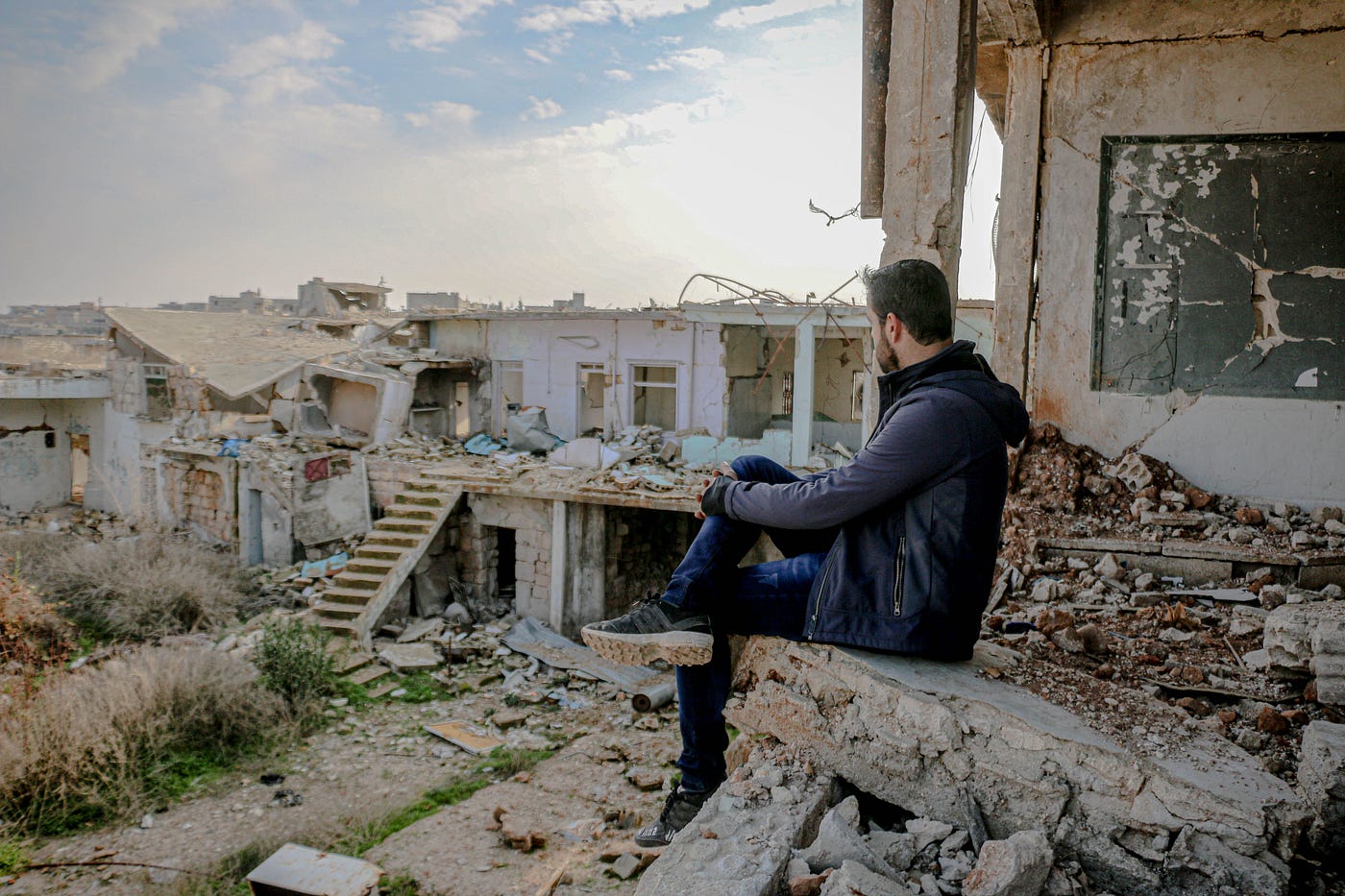
The consequences extend far beyond the battlefield. When conflict breaks out, healthcare systems deteriorate, schools close, infrastructure is destroyed, and investment disappears. Communities that once had opportunities for growth can spend decades trying to recover. Children lose access to education, families become displaced, and entire generations grow up under conditions of uncertainty and fear.
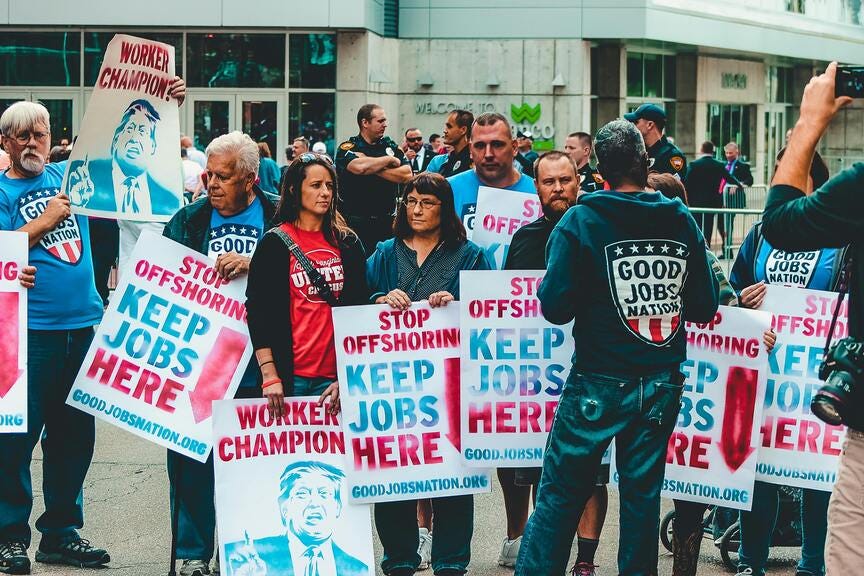
Economic consequences are equally severe. Governments divert resources toward military spending and emergency responses. Trade routes become disrupted. Businesses postpone investment decisions. Tourism declines. International supply chains become less reliable. Even countries far removed from the conflict can experience rising prices, shortages, and economic instability.
Another challenge is the fragmented nature of international decision‑making. Nations often agree that peace is desirable while disagreeing on how to achieve it. Strategic interests, political alliances, domestic considerations, and historical rivalries frequently influence responses to international crises. As a result, urgent action is delayed while conditions on the ground continue to worsen.
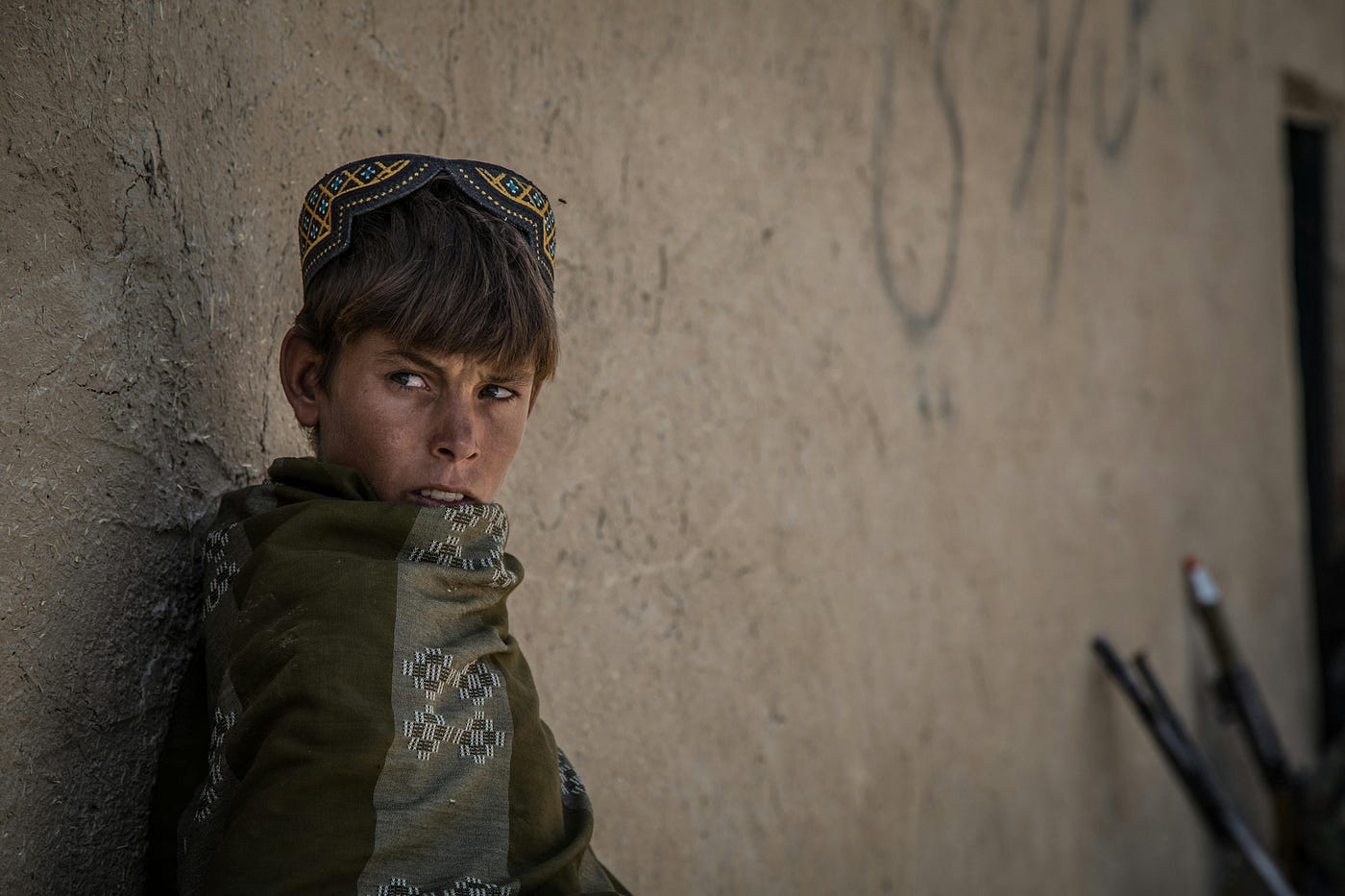
Humanitarian consequences can be devastating. Millions of people around the world have been forced to flee their homes because of war and violence. Refugee camps often struggle to provide adequate housing, healthcare, education, and employment opportunities. Host countries frequently shoulder significant burdens while attempting to support displaced populations.
Technology has added new dimensions to conflict. Cyberattacks can target critical infrastructure. Disinformation campaigns can influence public opinion and increase polarization. Artificial intelligence and emerging technologies create both opportunities and risks for security planners. The line between war and peace is becoming increasingly blurred.
Many experts argue that prevention should receive far greater attention than reaction. Once violence escalates, the costs become enormous. Earlier diplomatic engagement, stronger international coordination, and more effective conflict‑prevention mechanisms could potentially reduce suffering and save resources. However, achieving this level of cooperation remains a major challenge.
A related issue is accountability. When aggressors believe there will be few consequences for destabilizing behavior, deterrence weakens. International systems must balance diplomacy with credible enforcement if they hope to maintain stability. Without accountability, agreements can become symbolic rather than effective.
The discussion is not simply about military strategy. Sustainable peace depends upon economic opportunity, functioning institutions, education, healthcare, and social trust. Lasting stability requires addressing root causes rather than merely managing symptoms. This broader perspective is increasingly important in a world where security challenges are interconnected.
These themes have become increasingly prominent in debates about global governance and international security. Policymakers, academics, and civil society organizations continue to explore ways of creating more effective systems for conflict prevention and peacebuilding. While there is no single solution, there is growing recognition that existing structures face significant limitations.
Readers interested in a deeper examination of these issues may find value in The Global Peace Alliance: A Bold Vision for Global Peace and Security by Kizzi Nkwocha. The book focuses on the shortcomings of current peacekeeping approaches, the human and economic costs of conflict, and the possibility of a more coordinated international response to global security challenges. The book is available on Amazon: https://a.co/d/0di4zXm8
GlobalPeace,#Peacekeeping,#ConflictResolution,#InternationalRelations,#GlobalSecurity,#Diplomacy,#HumanRights,#WorldAffairs,#Geopolitics,#PeaceStudies
메타데이터
- post_id
- aa98fdf8a6e7
- slug
- the-rise-of-hybrid-warfare-and-new-security-threats-aa98fdf8a6e7
- url
- https://medium.com/@bonjoureditor/the-rise-of-hybrid-warfare-and-new-security-threats-aa98fdf8a6e7
- canonical_url
- https://medium.com/@bonjoureditor/the-rise-of-hybrid-warfare-and-new-security-threats-aa98fdf8a6e7
- author_url
- https://medium.com/@bonjoureditor
- status
- ok
- fetched_at
- 2026-06-14 11:28:49