“Cashew Apple as a Sustainable Alternative to Synthetic Sweeteners”
1. Introduction
“Cashew Apple as a Sustainable Alternative to Synthetic Sweeteners”
1. Introduction
1.1 What Is the Cashew Apple?
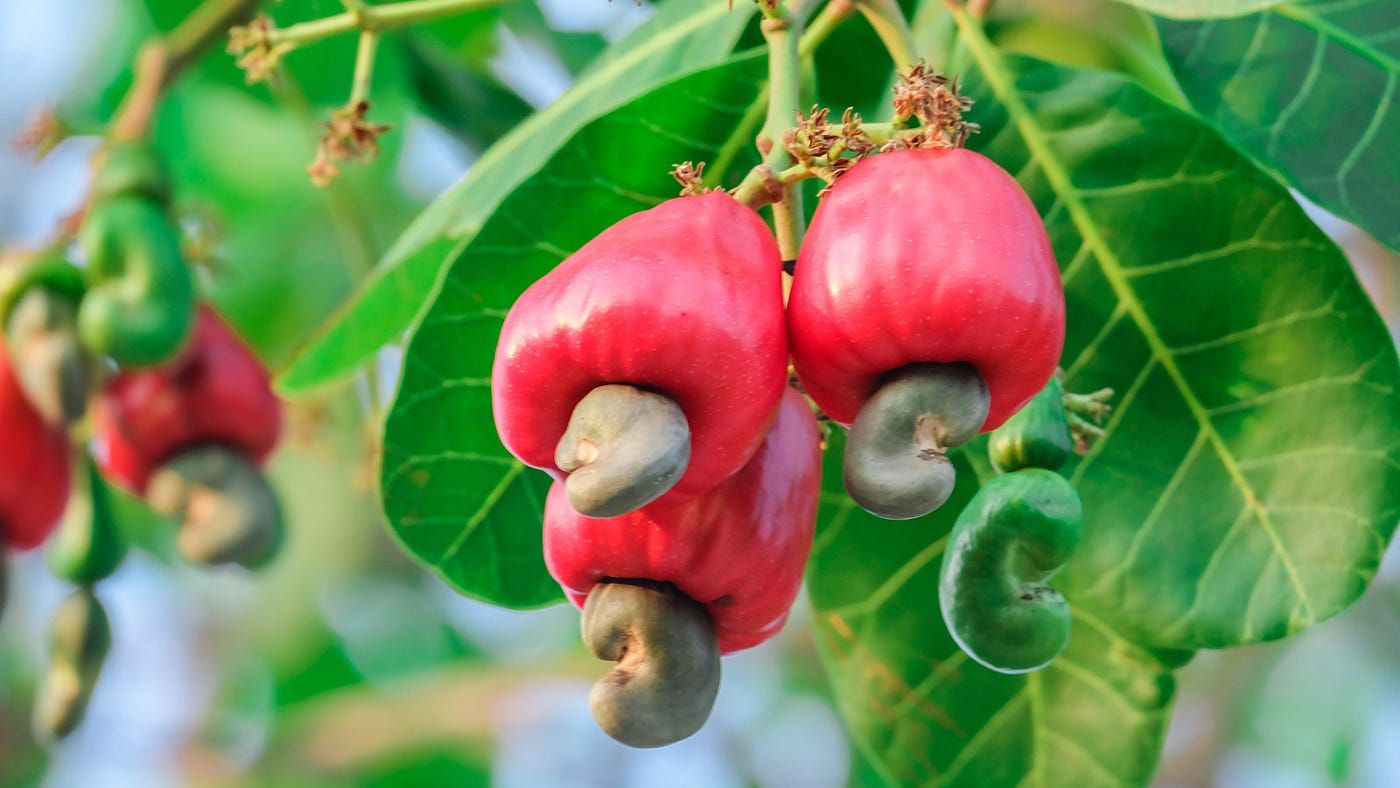
Cashew Apple
The cashew apple is the fleshy, pear-shaped accessory fruit of the cashew tree (Anacardium occidentale). It grows in tropical regions and is attached to the cashew nut, which is housed in a hard shell. It is rich in nutrients, including vitamins C and A, antioxidants, and natural sugars, making it a valuable food source.
1.2 The Growing Demand for Natural Sweeteners-
The demand for natural sweeteners is rising as consumers seek healthier and more sustainable alternatives to synthetic options. Concerns about the health risks and environmental impact of artificial sweeteners have driven interest in plant-based sources like honey, stevia, and agave. These natural alternatives align with health trends, regulatory pushes to reduce added sugars, and the growing preference for clean, organic foods, encouraging the exploration of new options like cashew apple sweeteners.
The natural sugars in cashew apples make them a healthier option for sweeteners compared to refined sugars. It is used to produce juice, wine, vinegar, and distilled spirits like “feni” in India, highlighting its cultural significance.
2. Understanding Cashew Apple’s Sweetness
2.1 What Makes Cashew Apple Sweet?
Cashew apples are naturally sweet due to their high content of natural sugars, primarily glucose, fructose, and sucrose. These sugars give the fruit its characteristic sweet-tart flavor, which is enhanced by its aromatic and slightly acidic nature.
The sweetness of the cashew apple is balanced by its astringency, a result of tannins present in the fruit. This unique combination of sweetness and tanginess makes it suitable for various culinary uses, such as juices, jams, and sweeteners.
2.2 Nutritional Composition of Cashew Apples
Cashew apples are low in calories, high in water and vitamin C, and provide various essential minerals. The nutritional composition of cashew apples makes them a valuable addition to a balanced diet. They can be consumed fresh, or used in juices, jams, and other preparations.
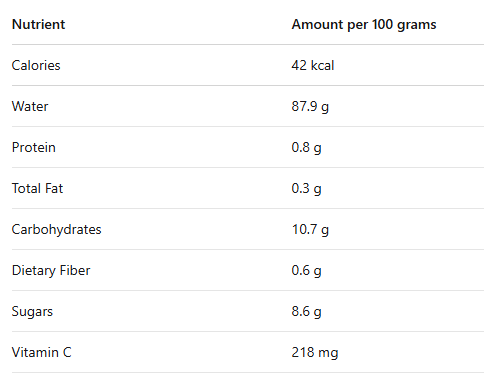
Foods with a low glycemic index (GI of 55 or less) are generally preferred for health-conscious consumers because they cause a slower and lower rise in blood sugar levels, which can have several health benefits.
3. Sustainability and Environmental Benefits
Cashew apples and their associated cashew trees offer several sustainability and environmental benefits:
- Resource Efficiency: Cashew trees produce both apples and nuts, maximizing output from a single plant and conserving resources like water and land.
- Soil Conservation: Extensive root systems stabilize soil, preventing erosion, and fallen leaves enrich soil fertility.
- Biodiversity Support: Cashew orchards provide habitat for wildlife and attract pollinators, enhancing local biodiversity.
- Carbon Sequestration: Trees absorb carbon dioxide, mitigating climate change, and often require fewer chemical inputs, reducing emissions.
- Economic Sustainability: Dual income streams from apples and nuts support farmers and create local employment opportunities.
- Waste Reduction: Full utilization of both apples and nuts reduces waste, with even nut shells used for industrial products.
- Climate Resilience: Cashew trees are adaptable to various soil types and climatic conditions, making them resilient to climate change.
3.1 Cashew Apple as a By-Product Utilization
Cashew apples, often considered a by-product of cashew nut production, offer significant utilization potential, reducing waste and enhancing sustainability.
- Food and Beverage Industry:
- Juices and Drinks: Cashew apples can be processed into refreshing juices, smoothies, and other beverages.
- Jams and Preserves: They can be made into jams, marmalades, and preserves, extending their shelf life and adding value.
- Desserts and Sweets: Cashew apples can be used in various desserts, candies, and sweet preparations.
- Nutritional Supplements:
- Vitamin C Source: Rich in vitamin C, cashew apples can be used to produce nutritional supplements and fortified foods.
- Animal Feed:
- Livestock Feed: The pulp and residues from cashew apple processing can be used as animal feed, providing a nutritious supplement for livestock.
- Cosmetics and Personal Care:
- Skincare Products: The antioxidants and vitamins in cashew apples can be extracted for use in skincare products, lotions, and creams.
- Industrial Applications:
- Pectin Extraction: Cashew apples contain pectin, which can be extracted for use as a gelling agent in the food industry.
- Biofuels: The residues and waste from cashew apple processing can be used to produce biofuels, contributing to renewable energy sources.
4.Health Benefits and Applications
4.1 Health Risks of Synthetic Sweeteners
Synthetic sweeteners, also known as artificial sweeteners, are often used as sugar substitutes to reduce calorie intake and manage conditions like diabetes.
- Potential Carcinogenicity:
- Some studies have suggested that certain artificial sweeteners, such as saccharin and cyclamates, may have carcinogenic properties, although more research is needed to confirm these findings.
- Metabolic Disruption:
- Artificial sweeteners can disrupt metabolic processes, leading to issues like insulin resistance and altered gut microbiota, which can contribute to metabolic syndrome and type 2 diabetes.
- Weight Gain and Obesity:
- Paradoxically, some studies indicate that artificial sweeteners may contribute to weight gain and obesity. This could be due to increased appetite, changes in gut bacteria, or other metabolic effects.
- Gut Microbiota Imbalance:
- Artificial sweeteners can alter the composition of gut bacteria, leading to dysbiosis. This imbalance has been linked to various health issues, including inflammatory bowel disease and metabolic disorders.
- Neurological Effects:
- Some sweeteners, like aspartame, have been associated with neurological symptoms such as headaches, migraines, and even seizures in sensitive individuals.
- Allergic Reactions:
- Certain people may experience allergic reactions to artificial sweeteners, leading to symptoms like hives, itching, and swelling.
4.2 Health Benefits of Cashew Apple Sweeteners
Cashew apple sweeteners, derived from the cashew apple fruit, offer several health benefits compared to synthetic sweeteners and even some natural sweeteners.
- Lower Glycemic Index:
- Cashew apple sweeteners have a lower glycemic index compared to regular sugar, meaning they cause a slower and lower rise in blood sugar levels. This makes them a better option for people with diabetes or those at risk of developing it.
- Rich in Antioxidants:
- Cashew apples are high in antioxidants, including vitamin C and various phytochemicals. These antioxidants help protect the body against oxidative stress, inflammation, and chronic diseases.
- High Fiber Content:
- Cashew apple sweeteners often retain some of the fruit’s fiber, which aids in digestion, promotes feelings of fullness, and supports a healthy gut microbiome.
- Nutrient Dense:
- Unlike synthetic sweeteners, cashew apple sweeteners provide essential nutrients like vitamins and minerals. They are a good source of vitamin C, magnesium, and potassium, among others.
5. Natural and Unprocessed:
- Cashew apple sweeteners are minimally processed and more natural compared to many other sweeteners. This reduces the likelihood of adverse effects associated with heavily processed or artificial sweeteners.
Cashew apple sweeteners offer numerous health benefits, including a lower glycemic index, rich antioxidant content, high fiber, essential nutrients, anti-inflammatory properties, and support for heart health and the immune system.
5. Production and Processing
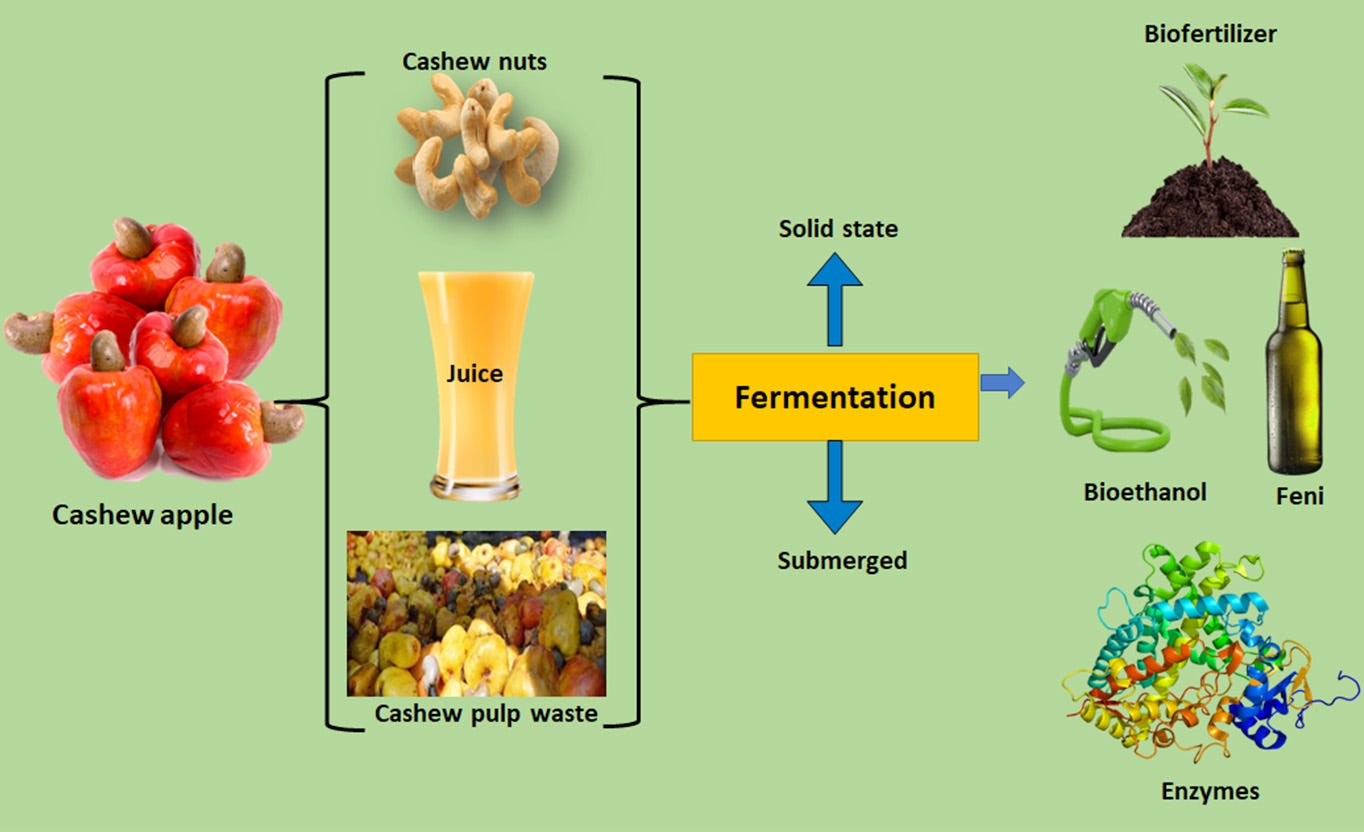
5.1 Harvesting of Cashew Apples
- Cashew apples are typically ready for harvest when the fruit turns yellow, orange, or red, depending on the variety. This usually occurs around the same time the cashew nut is mature.
- Cashew apples are delicate and bruise easily, so they are usually harvested by hand. Workers carefully pick the apples from the trees, ensuring minimal damage.
- After harvesting, the apples are sorted to remove any damaged or overripe fruit. This step ensures that only high-quality apples are processed further.
5.2 Processing Cashew Apples
- Washing:
- The harvested cashew apples are thoroughly washed to remove dirt, debris, and any residual pesticides or chemicals.
- Peeling (Optional):
- Depending on the intended use, the skin of the cashew apple may be peeled. This step is often done manually or with simple machinery.
- Juice Extraction:
- For juice production, the apples are crushed or blended to extract the juice. The pulp is then filtered to remove solids, resulting in a clear, refreshing juice.
- Pasteurization: The extracted juice is pasteurized to kill any bacteria and extend its shelf life. This involves heating the juice to a specific temperature for a set period.
- Packaging: The pasteurized juice is then packaged in sterile bottles or containers for distribution.
- Pulp Processing:
- For products like jams, preserves, or purees, the cashew apple pulp is cooked with sugar and sometimes pectin until it reaches the desired consistency.
- Canning: The cooked pulp is then canned or jarred using sterile techniques to ensure long-term preservation.
- Drying:
- For dried cashew apple products, the fruit is sliced and dehydrated. This can be done using solar dryers, oven dryers, or other dehydration methods.
- Packaging: The dried slices are packaged in airtight containers to maintain freshness and prevent moisture absorption.
- By-Product Utilization:
- Seed Extraction: The cashew nut, attached to the apple, is carefully removed and processed separately. The nut is a valuable by-product with its own market.
- Residue Use: Any residual pulp or peel can be used for animal feed or composting, reducing waste and promoting sustainability.
6. Economic Impacts
Cashew apple farming and the processing of cashew apples can significantly boost local economies through various channels. Firstly, cashew trees offer dual income streams — cashew nuts and cashew apples — which stabilize farmers’ earnings and reduce reliance on a single crop. The processing of cashew apples into juices, jams, and other value-added products further increases their economic value, fetching higher market prices. This activity generates both direct and indirect employment opportunities, from farm labor to processing and marketing jobs, stimulating local job growth.
cashew apple products have strong market potential, both domestically and internationally. Exporting high-quality cashew apple products can open new revenue streams and increase foreign exchange earnings.
7. Challenges and Limitations
Potential Challenges in Adoption of Cashew Apple Sweeteners
7.1 Consumer Awareness and Acceptance
- Limited Knowledge: Many consumers are unaware of cashew apple sweeteners and their benefits. Educating consumers about the nutritional advantages and unique taste of cashew apple sweeteners is essential.
- Taste Preferences: Consumers may have preconceived notions about the taste of new sweeteners. Offering samples and promoting the distinctive flavor profile of cashew apple sweeteners can help overcome this barrier.
- Marketing Efforts: Effective marketing campaigns, including social media promotions, in-store demonstrations, and partnerships with health influencers, can increase consumer awareness and acceptance.
7.2 Regulatory Hurdles for Introducing New Sweeteners
- Approval Processes: Introducing a new sweetener often requires navigating complex regulatory approval processes. This can involve submitting safety and efficacy data to regulatory bodies like the FDA or EFSA.
- Labeling Requirements: Compliance with labeling regulations is crucial. Clear and accurate labeling that highlights the natural and health benefits of cashew apple sweeteners can build consumer trust.
- International Standards: Harmonizing with international food safety and quality standards can facilitate market entry in different countries. Collaboration with regulatory authorities and industry associations can help streamline this process.
7.3 Addressing Storage and Transportation Issues
- Perishability: Cashew apples are highly perishable, which can lead to significant post-harvest losses. Developing and implementing effective storage solutions, such as cold storage facilities, can extend the shelf life of the fruit.
- Transportation Infrastructure: Efficient transportation infrastructure is essential to ensure that cashew apples reach processing facilities and markets in optimal condition. Investing in refrigerated transport and improving logistics can help address this challenge.
- Processing Techniques: Innovative processing techniques, such as pasteurization, dehydration, and aseptic packaging, can help preserve the quality and nutritional value of cashew apple sweeteners during storage and transportation.
8. The Future of Cashew Apple Sweeteners
The future of cashew apple sweeteners holds significant promise, driven by innovative uses, emerging trends in food science, and collaborative efforts in sustainability.
8.1 Innovative Uses of Cashew Apple Sweeteners
- Diverse Food Applications: Cashew apple sweeteners can be integrated into a wide range of food products, including baked goods, confectioneries, and dairy products. Their natural sweetness and nutritional benefits make them an attractive alternative to traditional sweeteners.
- Beverage Industry: Beyond juices, cashew apple sweeteners can be used in carbonated drinks, sports drinks, and flavored waters, offering a healthier option for consumers seeking natural and low-calorie beverages.
- Health and Wellness Products: The high vitamin C and antioxidant content of cashew apples make them ideal for health supplements, energy bars, and functional foods aimed at promoting overall well-being.
8.2 Potential Applications Beyond Food and Beverages
- Cosmetics and Personal Care: The antioxidants and vitamins in cashew apples can be extracted for use in skincare products, lotions, and cosmetics. These natural compounds can provide anti-aging and skin-protecting benefits.
- Pharmaceuticals: Bioactive compounds from cashew apples have potential applications in pharmaceuticals, including anti-inflammatory and antioxidant agents. Research and development in this area can lead to innovative health products.
- Industrial Applications: The pectin and other compounds found in cashew apples can be used in various industrial applications, such as gelling agents in food production and biofuels from residual biomass.
8.3 Collaborative Efforts in Sustainability
- Public-Private Partnerships: Collaborations between governments, private companies, and research institutions can drive innovation and sustainability in the cashew apple industry. These partnerships can focus on improving farming practices, developing new processing technologies, and promoting market access.
- Community Engagement: Involving local communities in cashew apple farming and processing can enhance social cohesion and economic development. Community-based approaches ensure that the benefits of the industry are shared equitably.
- Circular Economy: Adopting a circular economy model can maximize the use of cashew apples and minimize waste. This involves utilizing all parts of the cashew apple, from the fruit to the nut shells, in various applications.
Conclusion
Cashew apple sweeteners present a compelling opportunity for a sustainable future, offering significant benefits across health, environmental, and economic dimensions. Their lower glycemic index and rich nutritional profile make them a healthier alternative to traditional sweeteners, aiding in blood sugar control and overall well-being. Environmentally, they reduce agricultural waste and support sustainable farming practices, contributing to soil conservation and biodiversity. Economically, cashew apple sweeteners provide dual income streams, create employment opportunities, and boost local economies, fostering growth and stability.
9. Frequently Asked Questions (FAQs)
9.1 What Is the Cashew Apple, and How Is It Different from the Cashew Nut?
The cashew apple is the fleshy, edible part of the cashew fruit, attached to the cashew nut. Unlike the nut, which is rich in fats and proteins, the cashew apple is juicy, high in vitamin C, and lower in calories, offering a different set of nutritional benefits.
9.2 Are Cashew Apple Sweeteners Safe for Diabetics?
Yes, cashew apple sweeteners are generally safe for diabetics due to their lower glycemic index, which helps manage blood sugar levels more effectively compared to traditional sweeteners.
9.3 How Does Cashew Apple Sweetener Compare to Stevia and Agave?
Cashew apple sweeteners offer a more natural and fruity flavor compared to stevia and agave. They are also richer in antioxidants and vitamin C, providing additional health benefits beyond just sweetness.
9.4 Can Cashew Apples Be Grown in Non-Tropical Regions?
Cashew apples thrive in tropical and subtropical regions. While they can be grown in some warmer non-tropical areas, they may not produce as well as in their native environments, limiting their widespread cultivation in colder climates.
9.5 What Are the Environmental Benefits of Cashew Apple Sweeteners?
Cashew apple sweeteners promote sustainable agriculture by reducing waste, conserving soil, and supporting biodiversity. They also contribute to carbon sequestration and require less water, making them an eco-friendly option.
9.6 How Affordable Are Cashew Apple Sweeteners Compared to Synthetic Options?
The affordability of cashew apple sweeteners can vary. While they may be more expensive than some synthetic sweeteners due to processing and transportation costs, their natural benefits and sustainability advantages often justify the higher price for health-conscious consumers.
메타데이터
- post_id
- aaa8e48a496b
- slug
- cashew-apple-as-a-sustainable-alternative-to-synthetic-sweeteners-aaa8e48a496b
- url
- https://medium.com/@shweya123456789/cashew-apple-as-a-sustainable-alternative-to-synthetic-sweeteners-aaa8e48a496b
- canonical_url
- https://medium.com/@shweya123456789/cashew-apple-as-a-sustainable-alternative-to-synthetic-sweeteners-aaa8e48a496b
- author_url
- https://medium.com/@shweya123456789
- status
- ok
- fetched_at
- 2026-07-23 12:23:18