Why Electrical Safety Audits Are Essential for Manufacturing Plants
Modern manufacturing plants depend heavily on electrical systems to keep production running efficiently. From motors and control panels to…
Why Electrical Safety Audits Are Essential for Manufacturing Plants
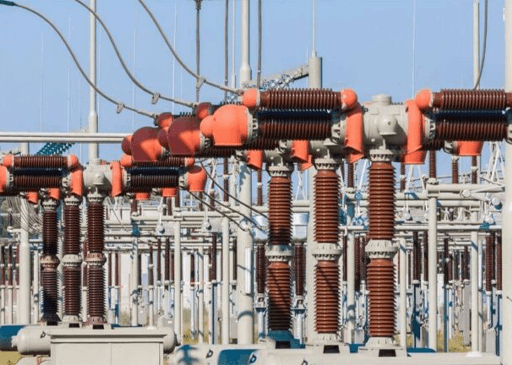
Modern manufacturing plants depend heavily on electrical systems to keep production running efficiently. From motors and control panels to transformers and distribution systems, electricity powers every critical operation inside a facility. However, as manufacturing operations expand, electrical risks also increase.
Electrical failures can lead to equipment damage, production downtime, workplace injuries, and even fire hazards. This is why electrical safety audits have become an essential part of industrial risk management.
What Is an Electrical Safety Audit?
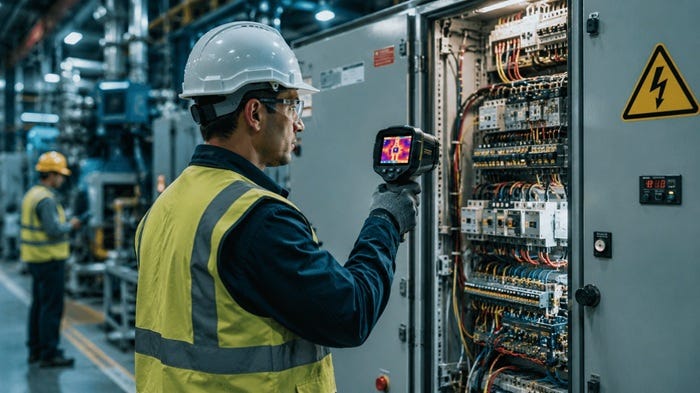
An electrical safety audit is a systematic assessment of electrical installations, equipment, and operating practices within a facility. The purpose of the audit is to identify potential hazards, evaluate compliance with safety standards, and recommend corrective actions.
The audit typically includes:
- Inspection of electrical panels and distribution systems
- Examination of wiring and grounding systems
- Load analysis and system performance checks
- Identification of overheating or overloaded equipment
- Verification of safety practices and documentation
- Assessment of compliance with applicable standards
Why Manufacturing Plants Face Higher Electrical Risks
Manufacturing facilities operate under demanding conditions. Heavy machinery, continuous operations, fluctuating loads, moisture, dust, vibration, and aging equipment can increase electrical risks.
Common hazards include:
- Loose electrical connections
- Overloaded circuits
- Damaged insulation
- Improper grounding
- Faulty protection systems
- Inadequate maintenance practices
If these issues remain undetected, they can result in costly failures and serious safety incidents.
Preventing Electrical Accidents
One of the primary objectives of an electrical safety audit is to prevent accidents before they occur. Early identification of unsafe conditions helps organizations reduce the risk of:
- Electrical shocks
- Arc flash incidents
- Short circuits
- Electrical fires
- Equipment failures
By addressing these issues proactively, manufacturing plants can create a safer working environment for employees.
Reducing Unplanned Downtime
Unexpected electrical failures can stop production lines and lead to significant financial losses. Even a short interruption may impact production schedules, delivery commitments, and customer satisfaction.
Electrical safety audits help identify components that are deteriorating or operating outside acceptable limits. Corrective maintenance can then be planned before failures occur, reducing unplanned downtime.
Improving Regulatory Compliance
Industrial facilities must comply with various electrical safety regulations and industry standards. Non-compliance can lead to penalties, legal liabilities, and operational risks.
Safety audits help organizations:
- Verify compliance requirements
- Maintain proper documentation
- Improve safety procedures
- Demonstrate commitment to workplace safety
Regular audits also support internal safety programs and management systems.
Protecting Valuable Equipment
Manufacturing plants invest heavily in electrical infrastructure and production equipment. Electrical faults can damage:
- Motors
- Transformers
- Variable frequency drives
- Control panels
- Automation systems
- Production machinery
Safety audits identify potential problems that may affect equipment reliability and lifespan, helping organizations protect their assets.
Improving Employee Safety
Employees working near electrical equipment face risks every day. A safe workplace increases employee confidence and improves overall morale.
Electrical safety audits help organizations:
- Identify unsafe work conditions
- Improve operating procedures
- Strengthen safety awareness
- Reduce workplace accidents
- Support safety training programs
A safer workplace ultimately benefits both employees and employers.
Supporting Preventive Maintenance Programs
Electrical safety audits complement preventive maintenance activities. Instead of responding to failures after they occur, companies can adopt a proactive approach.
Audit findings help maintenance teams prioritize repairs, schedule inspections, and allocate resources more effectively.
This approach reduces maintenance costs and improves equipment reliability.
Long-Term Business Benefits
Electrical safety audits provide benefits that extend beyond compliance.
These benefits include:
- Reduced operational risks
- Improved equipment performance
- Lower maintenance costs
- Increased productivity
- Better business continuity
- Enhanced company reputation
- Improved employee confidence
For manufacturing plants operating in competitive industries, these advantages can significantly impact long-term success.
Final Thoughts
Electrical systems form the backbone of every manufacturing facility. Ignoring electrical safety can lead to accidents, equipment failures, production losses, and financial consequences.
Regular electrical safety audits help manufacturing plants identify risks early, improve workplace safety, maintain compliance, and ensure reliable operations.
Investing in electrical safety is not simply a regulatory requirement — it is a business decision that protects people, equipment, and productivity.
메타데이터
- post_id
- aaed555f211f
- slug
- why-electrical-safety-audits-are-essential-for-manufacturing-plants-aaed555f211f
- url
- https://medium.com/@saspowertech54/why-electrical-safety-audits-are-essential-for-manufacturing-plants-aaed555f211f
- canonical_url
- https://medium.com/@saspowertech54/why-electrical-safety-audits-are-essential-for-manufacturing-plants-aaed555f211f
- author_url
- https://medium.com/@saspowertech54
- status
- ok
- fetched_at
- 2026-07-11 19:10:18