Arthritis Causes & Symptoms
Understanding Joint Pain Triggers, Early Warning Signs, and Risk Factors
Arthritis Causes & Symptoms
Understanding Joint Pain Triggers, Early Warning Signs, and Risk Factors

Learn about arthritis causes, symptoms, treatment options, and prevention strategies to manage joint pain, improve mobility, and support joint health.
Introduction
Joint pain is something many people experience at some point in their lives. While occasional discomfort may result from overuse or injury, persistent pain, stiffness, and swelling could be signs of arthritis. Arthritis is not a single disease but a group of more than 100 conditions that affect the joints and surrounding tissues.
These conditions can range from mild forms that cause occasional discomfort to more serious diseases that lead to chronic pain and joint damage. Although arthritis is often associated with aging, it can affect people of all ages, including children and young adults. Understanding its causes, symptoms, risk factors, and treatment options can help individuals take early steps to protect their joint health and maintain an active lifestyle.
Common Types of Arthritis
Several forms of arthritis exist, but the following are among the most common:
1. Rheumatoid Arthritis (RA)
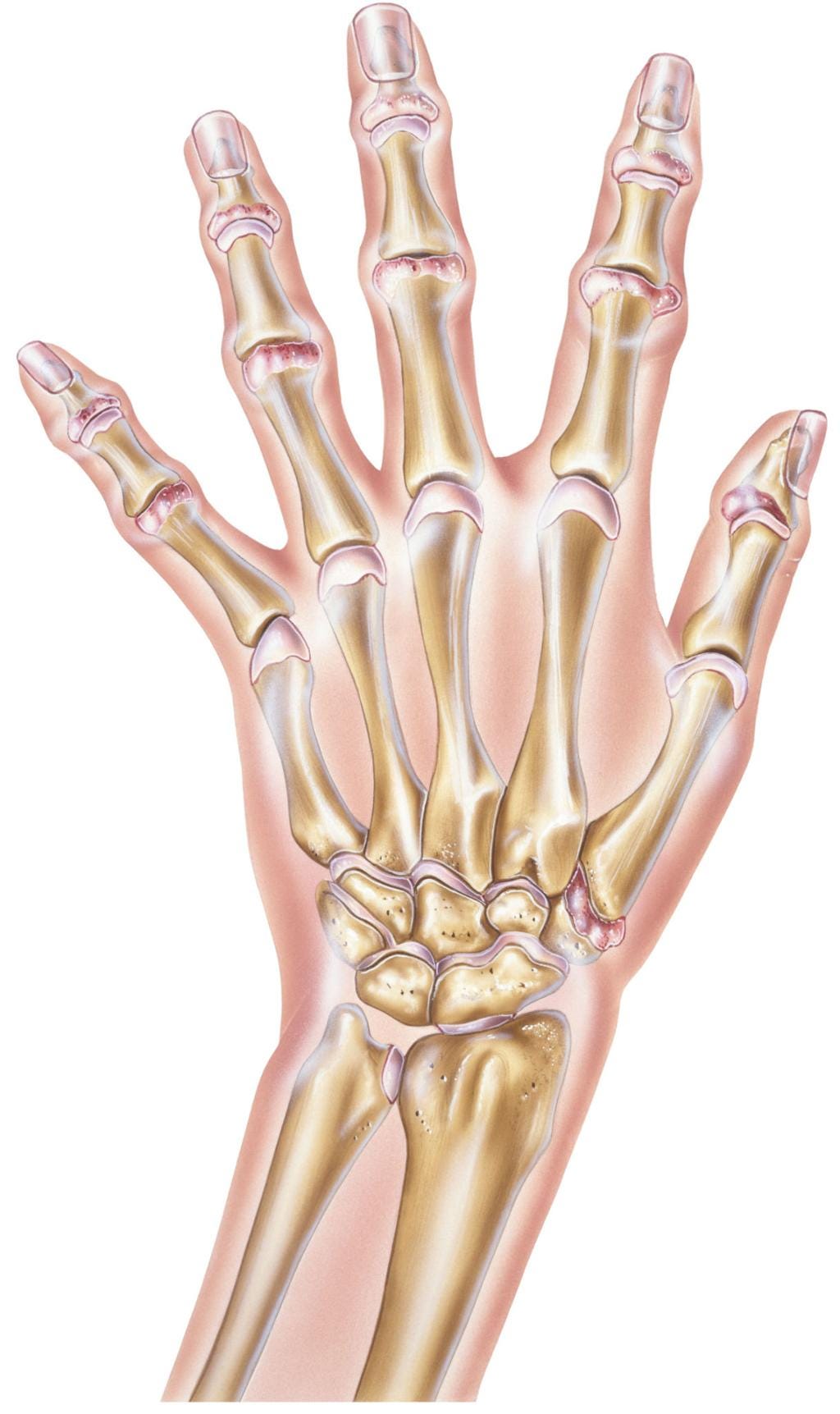
Rheumatoid arthritis is an autoimmune disease in which the immune system mistakenly attacks the synovium, the lining of the joints. This causes inflammation, pain, swelling, and joint damage. RA commonly affects the hands, wrists, and feet and often occurs symmetrically on both sides of the body.
2. Osteoarthritis (OA)
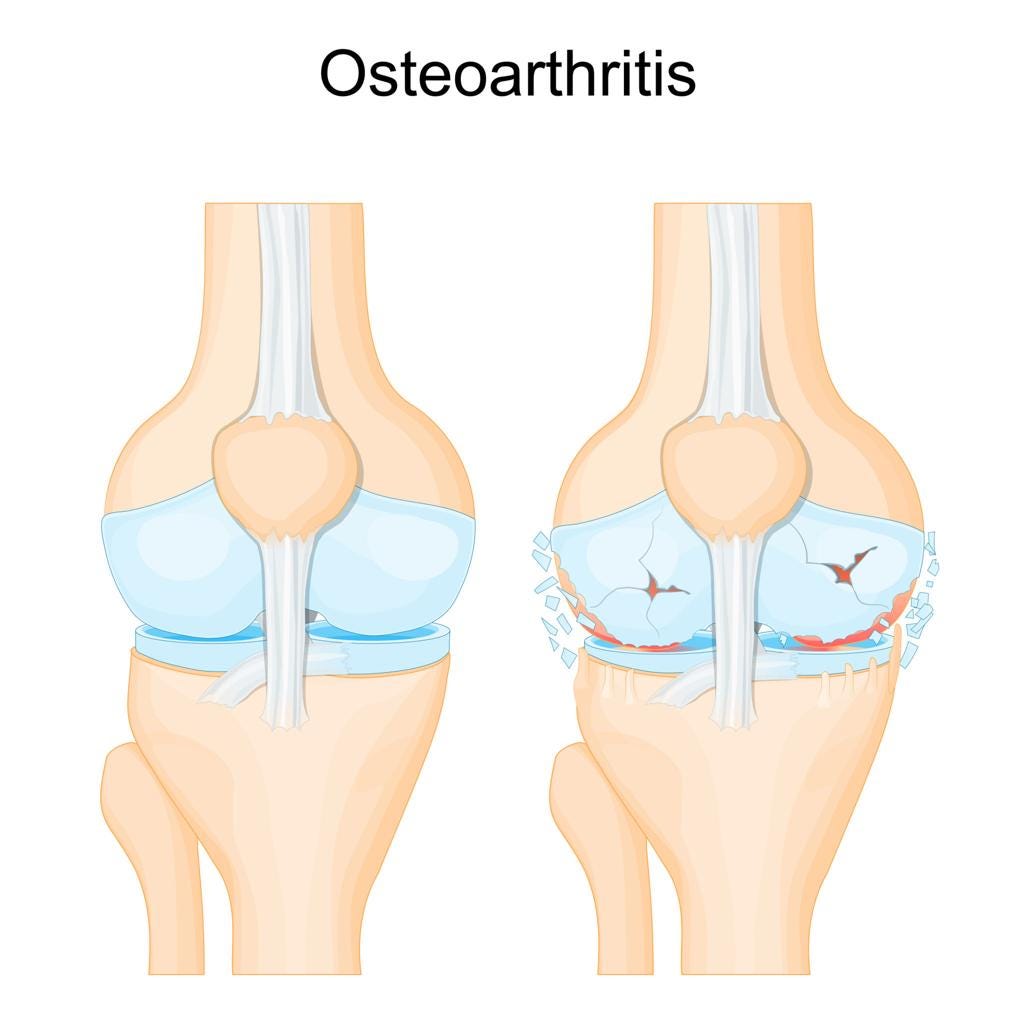
Osteoarthritis is the most common form of arthritis and is often described as a “wear-and-tear” condition. Many people first notice symptoms when everyday activities such as climbing stairs, walking long distances, or opening jars become more difficult due to joint pain and stiffness.
3. Gout
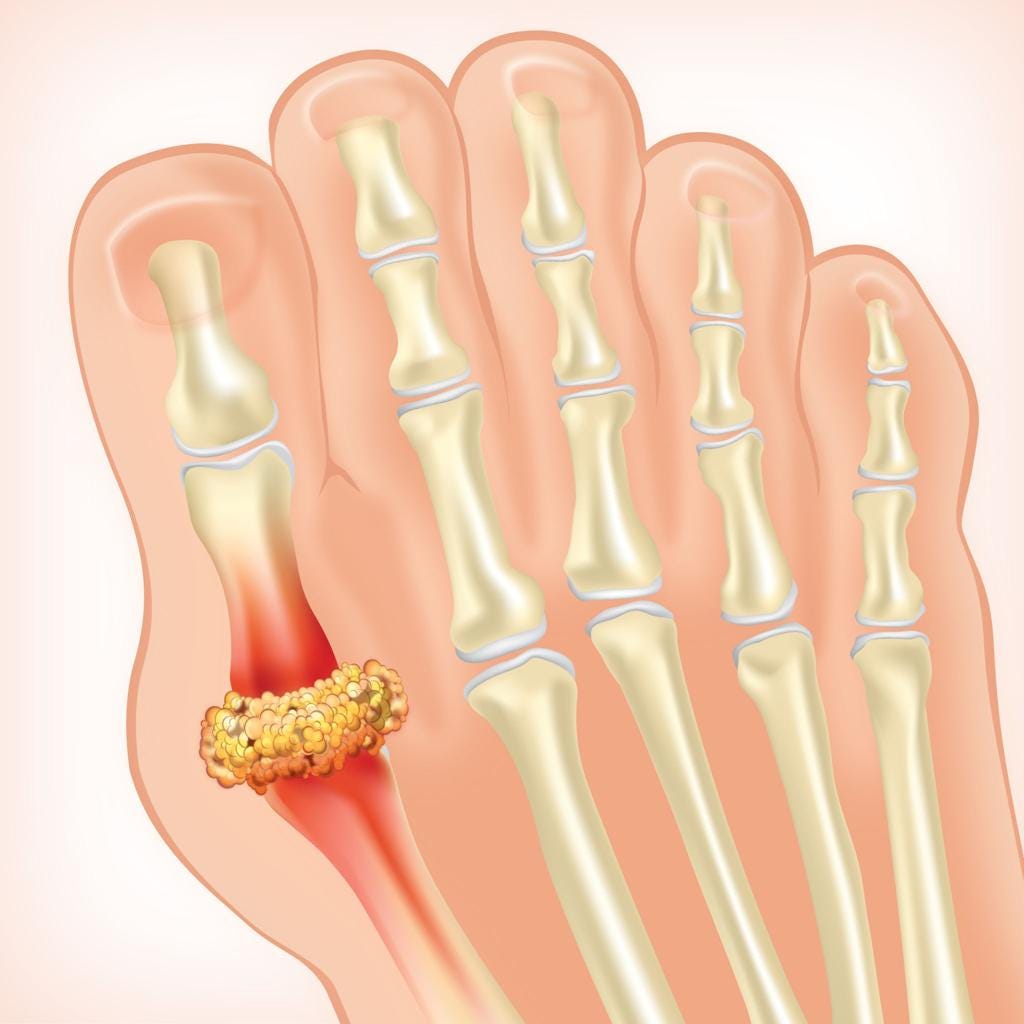
Gout is a type of inflammatory arthritis caused by the accumulation of uric acid crystals within the joints. It often causes sudden and severe episodes of pain, redness, and swelling, particularly in the big toe.
4. Psoriatic Arthritis (PsA)
Psoriatic arthritis is an autoimmune condition associated with psoriasis. It can cause joint pain, stiffness, swelling, and progressive joint damage if left untreated.
5. Juvenile Idiopathic Arthritis (JIA)
Juvenile idiopathic arthritis affects children younger than 16 years of age. It is diagnosed when joint inflammation persists for at least six weeks and has no identifiable cause.
6. Ankylosing Spondylitis (AS)
Ankylosing spondylitis is a chronic inflammatory condition that primarily affects the spine, especially the lower back. Severe cases may lead to fusion of the spinal vertebrae, reducing flexibility and causing a forward-curved posture known as kyphosis.
7. Lupus-Related Arthritis
People with systemic lupus erythematosus (SLE) may develop arthritis as part of their disease. Joint pain and inflammation are among the most common musculoskeletal symptoms of lupus.
What Causes Arthritis?
The causes of arthritis vary depending on the specific type.
- Osteoarthritis develops due to the gradual breakdown of joint cartilage.
- Rheumatoid arthritis occurs when the immune system attacks healthy joint tissues.
- Gout develops when elevated uric acid levels lead to crystal formation within the joints.
- Genetic, environmental, or infectious factors may trigger some forms of arthritis.
Risk Factors for Arthritis
Certain factors increase the likelihood of developing arthritis.
Non-Modifiable Risk Factors
Age
The risk of osteoarthritis increases with age, particularly after age 50.
Sex
Women are more likely to develop rheumatoid arthritis and osteoarthritis, while men are more commonly affected by gout.
Family History
A family history of arthritis may increase an individual’s risk of developing certain forms of the disease.
Modifiable Risk Factors
Occupation and Repetitive Activities
Jobs that involve frequent kneeling, lifting, repetitive movements, or heavy physical labor can increase stress on joints.
Smoking
Smoking is a significant risk factor for rheumatoid arthritis and may worsen disease severity and treatment outcomes.
Excess Weight and Obesity
Carrying excess body weight places additional stress on weight-bearing joints, increasing the risk of osteoarthritis.
Previous Infections
Certain infections may trigger immune responses that contribute to arthritis in susceptible individuals.
Common Arthritis Symptoms and Early Warning Signs
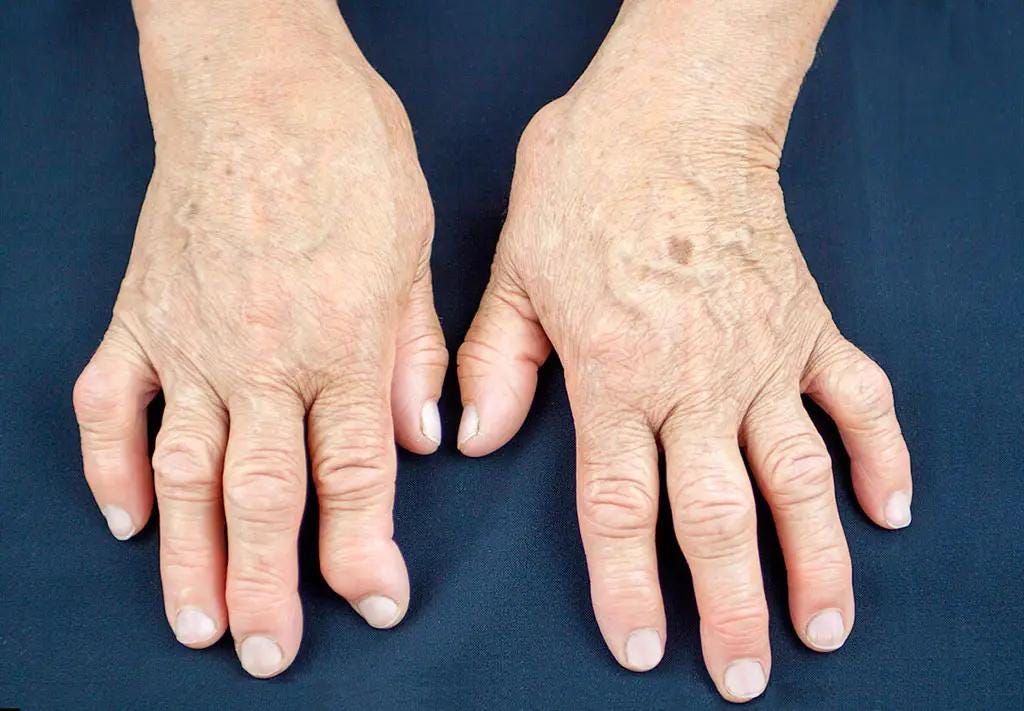
In the early stages, symptoms may come and go. Some individuals notice mild stiffness in the morning, while others experience discomfort after sitting for long periods. Over time, these symptoms may become more frequent or severe if left untreated.
Osteoarthritis often causes stiffness that improves with movement, whereas rheumatoid arthritis commonly produces prolonged morning stiffness. Gout typically presents with sudden attacks of severe pain, redness, and swelling.
How Is Arthritis Diagnosed?
Accurate diagnosis usually involves a combination of physical examination, medical history, laboratory testing, and imaging studies.
Physical Examination and Medical History
Healthcare providers assess affected joints for tenderness, swelling, redness, warmth, and range of motion. They also review symptoms, medical history, and family history.

Laboratory Tests
Common blood tests include:
- C-reactive protein (CRP)
- Erythrocyte sedimentation rate (ESR)
- Rheumatoid factor (RF)
- Anti-cyclic citrullinated peptide (Anti-CCP) antibodies
- Blood uric acid levels
These tests help identify inflammation and support the diagnosis of specific forms of arthritis.
Imaging Studies
X-Ray
X-rays can reveal cartilage loss, joint space narrowing, and bone changes.
Ultrasound
Ultrasound helps evaluate soft tissues, joints, and inflammation.
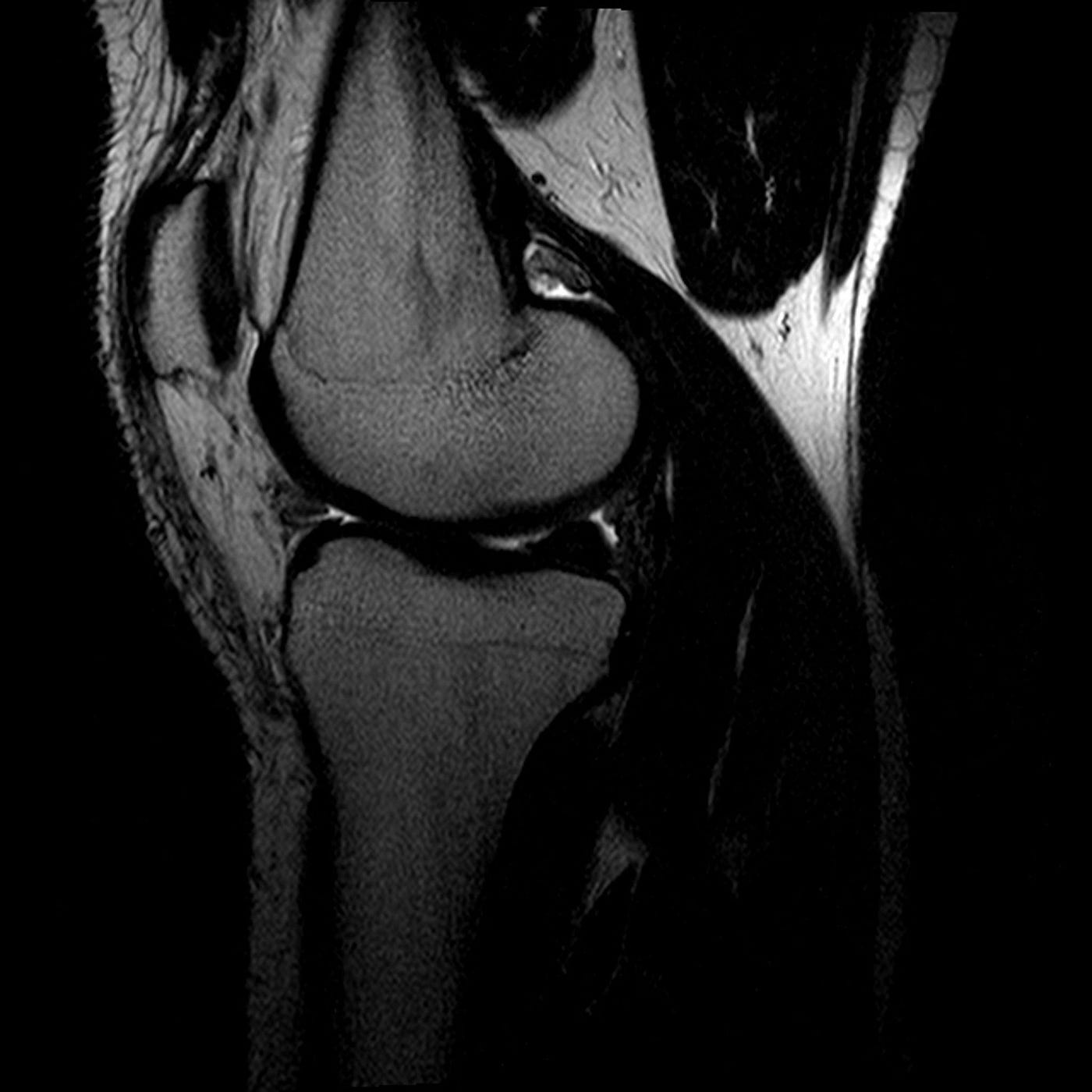
Magnetic Resonance Imaging (MRI)
MRI provides detailed images of cartilage, tendons, ligaments, and joint structures.
Arthritis Treatment and Long-Term Joint Management
The primary goals of treatment are to reduce pain and inflammation, preserve joint function, and improve quality of life.
Medications
Nonsteroidal Anti-Inflammatory Drugs (NSAIDs)
NSAIDs help relieve pain and reduce inflammation. They are available as tablets, topical creams, gels, suppositories, and injections.
Analgesics
Pain relievers such as acetaminophen may help manage mild to moderate pain.
Disease-Modifying Antirheumatic Drugs (DMARDs)
DMARDs are primarily used to treat autoimmune forms of arthritis.
Conventional DMARDs
Examples include:
- Methotrexate
- Sulfasalazine
- Leflunomide
- Hydroxychloroquine
- Azathioprine
Biologic DMARDs
These medications target specific components of the immune system and may include:
- Tumor necrosis factor (TNF) inhibitors
- Interleukin inhibitors
- T-cell inhibitors
- B-cell inhibitors
Because they suppress parts of the immune system, biologics may increase the risk of infections.
Physical Therapy
Physical therapy can improve joint strength, flexibility, mobility, and overall function through tailored exercise programs.
Surgical Treatment
Surgery may be recommended when conservative treatments fail.
Joint Repair (Arthroscopy)
Minimally invasive procedures may help repair damaged joint structures.
Joint Replacement (Arthroplasty)
Severely damaged joints may be replaced with artificial implants.
Lifestyle Modifications
- Maintain a healthy body weight.
- Avoid smoking
- Stay physically active
- Reduce excessive stress on joints.
- Follow a balanced diet.
Arthritis Prevention Tips
Although not all forms of arthritis can be prevented, the risk can often be reduced by adopting healthy lifestyle habits.
- Maintain a healthy weight.
- Exercise regularly.
- Use protective equipment during sports and physically demanding activities.
- Avoid smoking.
- Follow a balanced diet rich in fruits, vegetables, and healthy fats.
- Manage injuries promptly and appropriately.
- Stay physically active with at least 150 minutes of moderate exercise per week.
Frequently Asked Questions (FAQ)
Can arthritis be cured?
Most forms of arthritis cannot be completely cured. However, many treatments can effectively control symptoms and slow disease progression.
What is the most common type of arthritis?
Osteoarthritis is the most common form of arthritis worldwide.
Does arthritis only affect older adults?
No. While arthritis is more common with age, some forms, such as juvenile idiopathic arthritis, affect children and adolescents.
Is exercise safe for people with arthritis?
Yes. Appropriate exercise can improve joint function, flexibility, strength, and overall health.
Conclusion
Living with arthritis can be challenging, but an early diagnosis and the right treatment plan can make a significant difference. Many people with arthritis continue to lead active, fulfilling lives by managing their symptoms, staying physically active, maintaining a healthy weight, and working closely with their healthcare providers.
While there is no cure for most forms of arthritis, ongoing advances in treatment and self-care strategies offer hope for better symptom control and improved quality of life. Understanding the condition is the first step toward protecting your joints and maintaining long-term mobility.
References
- National Health Service (NHS). Arthritis. https://www.nhs.uk/conditions/arthritis/
- Centers for Disease Control and Prevention (CDC). Arthritis Basics.https://www.cdc.gov/arthritis
- Centers for Disease Control and Prevention (CDC). Arthritis Risk Factors.https://www.cdc.gov/arthritis/risk-factors/index.html
- clevelandclinic.Arthritis.https://my.clevelandclinic.org/health/diseases/12061-arthritis
- national institute of arthritis and musculoskeletal and Skin Diseases.https://www.niams.nih.gov/health-topics/arthritis
- Healthdirect (Australian). Arthritis.https://www.healthdirect.gov.au/arthritis
- World Health Organization (WHO). Arthritis and Musculoskeletal Conditions. https://www.who.int/news-room/fact-sheets/detail/osteoarthritis
메타데이터
- post_id
- ab215d154a62
- slug
- the-complete-guide-to-arthritis-causes-symptoms-prevention-and-management-ab215d154a62
- url
- https://medium.com/@drmohamedelsayedmekkawy/the-complete-guide-to-arthritis-causes-symptoms-prevention-and-management-ab215d154a62
- canonical_url
- https://medium.com/@drmohamedelsayedmekkawy/the-complete-guide-to-arthritis-causes-symptoms-prevention-and-management-ab215d154a62
- author_url
- https://medium.com/@drmohamedelsayedmekkawy
- status
- ok
- fetched_at
- 2026-06-21 22:26:41
