When Retail Security Is Treated Like a Handyman, Who Watches the Door?
Security officers are sent to help with baskets and store tasks — then blamed when a shoplifter walks out because nobody is watching the doo
When Retail Security Is Treated Like a Handyman, Who Watches the Door?
Security officers are sometimes sent to help customers with shopping, baskets, and store tasks — then blamed when nobody is watching the door.

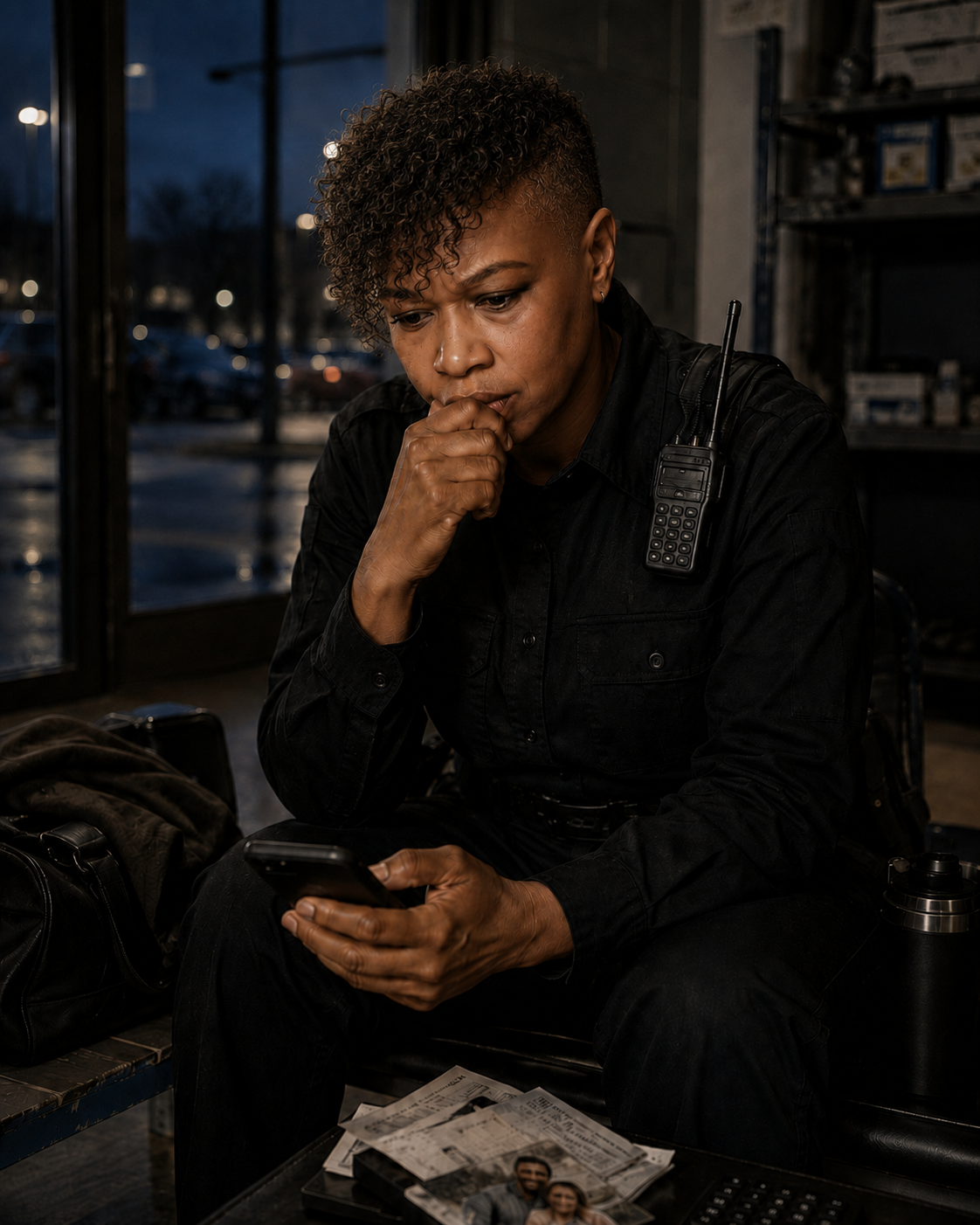
Images: AI-generated illustration inspired by the story
One thing many people do not understand about retail security is this: security officers are not just standing at the door doing nothing.
We are watching the entrance, the exit, the tills, customer behaviour, bags, body language, and movement around the store. We are also trying to stay visible so people know security is present.
But sometimes the job becomes confusing when different members of staff give different instructions.
One person tells you, “Stand by the door.”
Another says, “Come near the tills where I can see you.”
Another says, “Move the baskets.”
Another says, “Direct customers to my till.”
Another expects you to be everywhere at once.
But one security officer cannot be at the door, near the tills, moving baskets, helping customers, watching the shop floor, and stopping shoplifters all at once.
I have experienced this myself.
Sometimes I help with baskets when the store is less busy. I do this because I want to support the team, and also because keeping the entrance area clear can help prevent shoplifters from using the basket area to remove items from the store.
But there is a problem.
If security is doing baskets, security is not fully watching the door.
If security is near the tills, security is not fully watching the entrance.
If security is walking around the shop floor, someone may say, “Why are you not at the door?”
And if someone walks out with unpaid items, the same people may ask, “Why did you let them go?”

One time, I was doing the basket run because I was asked to help. While I was doing that, a shoplifter walked out. I could not do anything because I was away from my security position. Then someone shouted that a person had just walked out, and the manager told me to leave the baskets.
That is the problem.
The store team needs one clear plan.
A security officer should not be moved from place to place by different people, then blamed when something happens in the area they were told to leave.
Another time, a manager went outside the store to speak to a customer in the car park. When he returned, he was upset with me because I did not follow him outside.
But this is also confusing.
If I follow someone outside, who watches the door?
If I stay by the door, someone may say I did not support the manager.
If I go to the car park, someone may walk out of the store with unpaid items.
This is why clear instructions are important.
Security officers are there to support the store, but our main role is safety, observation, crime prevention, and reporting. We need to know who has the authority to tell us where to position ourselves.
Should it be the shop assistant?
The duty manager?
The store manager?
The area manager?
Security management?
Because if everyone gives instructions, the officer becomes confused and exposed.
Retail security is already difficult, especially when you are working alone. You are expected to stay calm, watch everyone, avoid confrontation, follow policy, protect yourself, support staff, report incidents, and make the right decision quickly.
But when instructions keep changing, it becomes harder to do the job properly.
The answer is simple: the store team and security management need to agree on one clear instruction.
Where should security stand?
When should security patrol?
When should security help with baskets?
Who can move the security from the door?
What should happen if a shop assistant gives instructions that conflict with the manager’s instructions?
Without clear answers, security officers can be placed in an unfair position.
We want to support the store.
We want to work as a team.
But we also need to be allowed to do the job we were placed there to do.
A security officer cannot be everywhere at once.
And if security guards are pulled away from the door, they should not be blamed when something happens at the door.
메타데이터
- post_id
- ab2189ab0d3e
- slug
- when-retail-security-is-treated-like-a-handyman-who-watches-the-door-ab2189ab0d3e
- url
- https://medium.com/@storybm/when-retail-security-is-treated-like-a-handyman-who-watches-the-door-ab2189ab0d3e
- canonical_url
- https://medium.com/@storybm/when-retail-security-is-treated-like-a-handyman-who-watches-the-door-ab2189ab0d3e
- author_url
- https://medium.com/@storybm
- status
- ok
- fetched_at
- 2026-06-11 05:11:55