The Sulawesi-Swiss Loop: How Global Supply Chains Make You Overpay for Your Own Soil
If you walk into a premium supermarket in Jakarta or Makassar, you will likely find rows of sleek, beautifully packaged Swiss chocolate…
The Sulawesi-Swiss Loop: How Global Supply Chains Make You Overpay for Your Own Soil

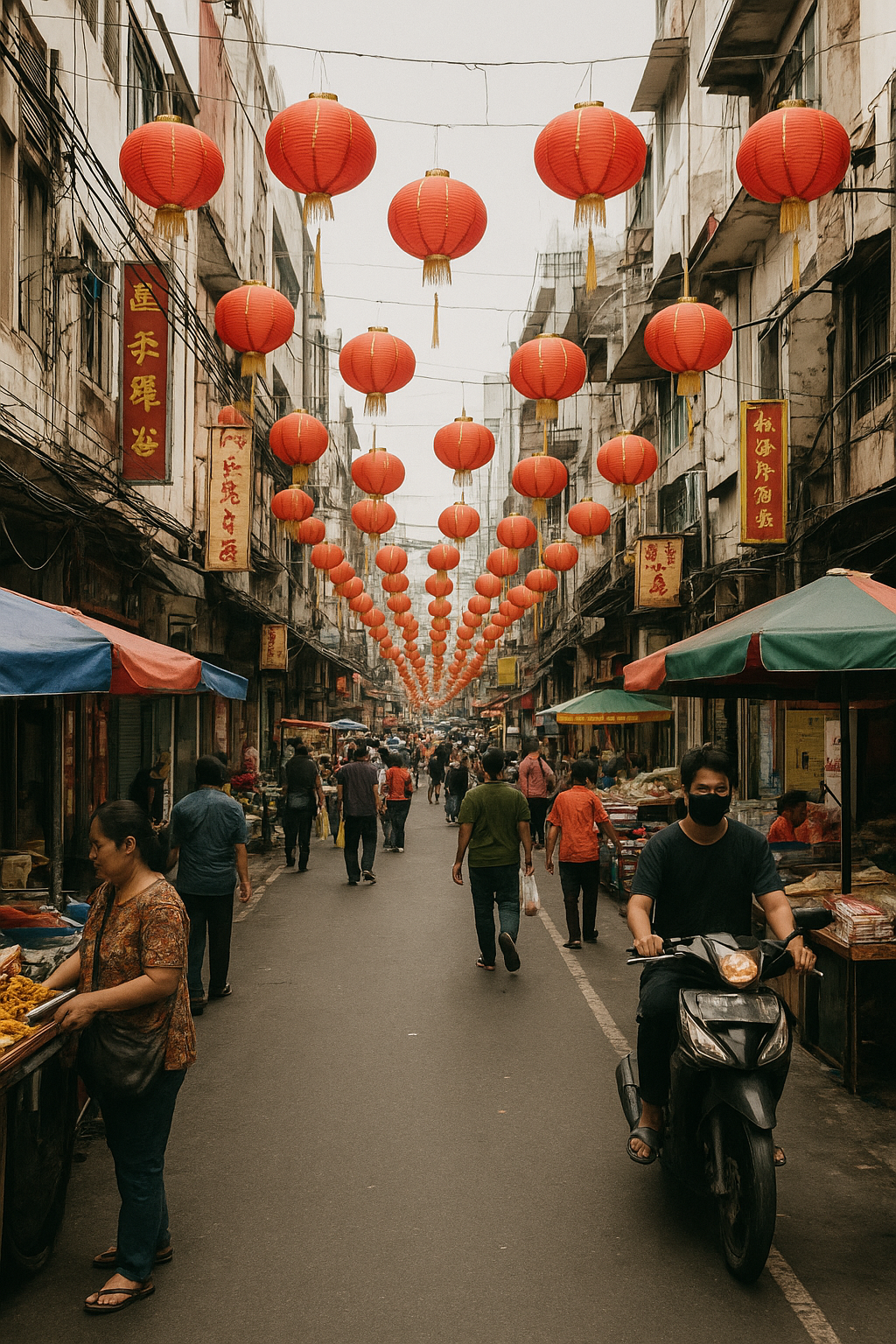
photo by author
If you walk into a premium supermarket in Jakarta or Makassar, you will likely find rows of sleek, beautifully packaged Swiss chocolate bars. Brands like Lindt, Toblerone, or Läderach sit proudly on the shelves, bearing price tags that make you pause. They are marketed as the pinnacle of European luxury.
But if you flip those bars over and trace the journey of the ingredients inside, you will stumble upon a baffling, borderline absurd paradox.
A significant portion of the high-quality cocoa beans used by these legendary Swiss chocolatiers doesn’t come from Europe. It comes from the lush, volcanic soil of Sulawesi, Indonesia — one of the largest cocoa-producing regions on the planet.
This begs a deeply uncomfortable question: Why are Indonesians paying a 1,000% premium to buy back chocolate that was grown in our own backyard?
The answer lies within a complex web of neo-colonial economics, broken global supply chains, and a phenomenon I like to call “The Sulawesi-Swiss Loop.”
- The Raw Material Curse: We Export Beans, They Export Art

photo by author
The loop begins in the smallholdings of South or Central Sulawesi. Local farmers work under the tropical sun to harvest, ferment, and dry cocoa beans. When these beans are sold to global trading houses, they are treated as a raw, low-value commodity. The price is dictated by the volatile fluctuations of the London and New York stock exchanges.
The real magic and the real money happens when those beans land in Switzerland.
Swiss chocolate isn’t famous because they grow cocoa; Switzerland’s climate makes it impossible to grow a single cocoa tree. They are famous because of industrial legacy. In the 19th century, Swiss innovators like Rodolphe Lindt invented the conching machine, a process that refines cocoa paste into the silky, melt-in-your-mouth texture we know today.
When Swiss chocolatiers process Sulawesi’s beans, they add milk, sugar, centuries of branding, and precision engineering. This is called value-added processing.
- The Irony: We sell the soul of the chocolate (the cocoa) for pennies, and we buy back the “status” (the Swiss label) for gold. The massive profit margin stays entirely in Zurich or Geneva, not in Makassar.
2. The Absurd Geography of “Double Shipping”
The logistics behind your favorite Swiss chocolate bar are an environmental and economic nightmare. Think about the physical journey that chocolate takes:

- The First Voyage: The raw beans are packed into giant burlap sacks and shipped thousands of miles across the ocean to Europe.
- The Transformation: The beans are roasted, refined, molded, and packaged in Swiss factories.
- The Second Voyage: The finished chocolate bars are shipped all the way back to Indonesia.
Because Indonesia is a tropical country, you cannot just throw chocolate into a standard shipping container; it would turn into a puddle of sweet soup before reaching port. Therefore, importers must use specialized cold-chain logistics refrigerated containers, temperature-controlled warehouses, and chilled delivery trucks.
Every single mile of that global round-trip, and every watt of electricity used to keep that chocolate cold, is added directly to the price tag you see at the supermarket. You aren’t just paying for chocolate; you are paying for its international vacation.
3. The “Identity Tax” and Luxury Illusion
Once the chocolate arrives back at an Indonesian port, it faces one final hurdle: our fiscal system.
Because it is legally a finished product coming from Europe, it is slapped with import duties, luxury taxes (PPN Impor), and the steep costs of regulatory compliance (BPOM and Halal certifications). By the time it hits the shelves, it has ceased to be an agricultural product. It has become a luxury status symbol.
In Switzerland, a chocolate bar is a cheap, everyday snack you grab at a train station for a few francs. In Indonesia, because of the “Swiss Made” stamp, it is treated as a premium gift. We have been conditioned to believe that European processing inherently makes our own natural wealth better.
The Sulawesi-Swiss Loop is a textbook example of modern economic asymmetry. We own the soil, we do the hard agricultural labor, yet we remain on the losing end of the global supply chain because we haven’t mastered the art of global branding and large-scale, high-end manufacturing.
Lately, a brilliant wave of local bean-to-bar craft chocolatiers is emerging within Indonesia, trying to process premium cocoa right where it’s grown. But they face an uphill battle against a consumer mindset that still values imported luxury over local mastery.
Next time you snap a piece of Swiss chocolate, remember: you are tasting the rich volcanic soil of Sulawesi, wrapped in Swiss paper, sold back to you at a premium.
What do you think?
Have you ever tried local Indonesian craft chocolate that actually rivals European brands? Or do you think our local industry still has a long way to go before we can finally cut Switzerland out of the loop?
Let me know your thoughts in the comments below — let’s discuss!
메타데이터
- post_id
- ab5b2ff57a67
- slug
- the-sulawesi-swiss-loop-how-global-supply-chains-make-you-overpay-for-your-own-soil-ab5b2ff57a67
- url
- https://medium.com/write-a-catalyst/the-sulawesi-swiss-loop-how-global-supply-chains-make-you-overpay-for-your-own-soil-ab5b2ff57a67
- canonical_url
- https://medium.com/write-a-catalyst/the-sulawesi-swiss-loop-how-global-supply-chains-make-you-overpay-for-your-own-soil-ab5b2ff57a67
- author_url
- https://medium.com/@anisasetiawati
- status
- ok
- fetched_at
- 2026-06-23 19:38:28