Why Reverse Osmosis Is the Preferred Technology for Modern Desalination Plants
Freshwater scarcity is becoming one of the biggest challenges facing industries, municipalities, and coastal communities worldwide. As…
Why Reverse Osmosis Is the Preferred Technology for Modern Desalination Plants
Freshwater scarcity is becoming one of the biggest challenges facing industries, municipalities, and coastal communities worldwide. As freshwater resources continue to decline due to population growth, climate change, and industrial demand, desalination has become a practical and reliable solution for producing clean water from seawater and brackish water.
Among the various desalination methods available today, Reverse Osmosis (RO) has emerged as the most widely adopted technology. Modern desalination facilities across the globe rely on RO because it offers high efficiency, lower operating costs, and consistent water quality.
In this blog, we’ll explore why Reverse Osmosis has become the preferred choice for modern desalination plants and how it compares with other desalination technologies.
Understanding Reverse Osmosis in Desalination
Reverse Osmosis is a water purification process that removes dissolved salts, minerals, bacteria, viruses, and other contaminants from seawater by forcing water through a semi-permeable membrane under high pressure.
Unlike traditional thermal desalination methods that depend on heat to evaporate water, RO uses pressure to separate fresh water from saltwater. This makes the process significantly more energy-efficient.
Today, nearly every modern seawater desalination plant uses Reverse Osmosis technology because it provides an excellent balance between performance, reliability, and operational costs.
How Reverse Osmosis Works
The RO desalination process typically follows these stages:
1. Intake of Seawater
Water is collected from the sea or another saline source through specially designed intake systems that minimize environmental impact.
2. Pre-Treatment
Before entering the RO membranes, the seawater passes through multiple filtration stages to remove:
- Sand
- Suspended solids
- Organic matter
- Algae
- Fine particles
Effective pre-treatment helps protect the membranes and extends their lifespan.
3. High-Pressure Pumping
Since seawater contains high concentrations of dissolved salts, powerful pumps generate enough pressure to force water through RO membranes while leaving salts behind.
4. Membrane Separation
The semi-permeable membranes allow water molecules to pass while rejecting:
- Salt
- Heavy metals
- Microorganisms
- Viruses
- Dissolved impurities
The result is high-quality fresh water suitable for drinking, industrial processes, or municipal distribution.
5. Post-Treatment
After desalination, minerals may be added back to improve taste and stability before the water is supplied for use.
Why Reverse Osmosis Has Become the Preferred Choice
Several factors have contributed to the widespread adoption of Reverse Osmosis technology.
1. Lower Energy Consumption
One of the biggest advantages of RO is its energy efficiency.
Older thermal desalination methods require large amounts of heat to evaporate water, making them expensive to operate. Reverse Osmosis eliminates this need by using pressure-driven membrane technology.
Modern energy recovery systems have further reduced electricity consumption, making RO significantly more economical than earlier desalination technologies.
2. High Water Recovery
Reverse Osmosis systems are designed to recover a substantial portion of the feed water.
Depending on water quality and system design, recovery rates can range from 35% to over 60% for seawater applications, while brackish water systems often achieve even higher recovery.
This helps maximize freshwater production while minimizing water wastage.
3. Excellent Water Quality
RO membranes are capable of removing up to 99% of dissolved salts and many other contaminants.
The treated water typically has:
- Low salinity
- Reduced microbial content
- Low turbidity
- Consistent quality
This makes Reverse Osmosis suitable for applications such as:
- Drinking water
- Food and beverage industries
- Pharmaceutical manufacturing
- Power plants
- Industrial processing
4. Reduced Operating Costs
Although installing a desalination system requires an initial investment, Reverse Osmosis generally offers lower long-term operating costs compared to thermal desalination.
Reasons include:
- Lower energy requirements
- Reduced chemical consumption
- Automated operation
- Lower maintenance needs
- Longer equipment life with proper maintenance
These factors contribute to a lower total cost of ownership over the system’s lifespan.
5. Scalable Design
Reverse Osmosis systems are highly modular.
Whether the requirement is a small facility supplying water to an island community or a large municipal desalination plant producing millions of liters per day, RO systems can be designed to match the required capacity.
This flexibility makes them suitable for projects of various sizes.
6. Compact Installation
Compared to thermal desalination plants, RO systems generally require less installation space.
Many modern systems are available as:
- Containerized desalination plants
- Skid-mounted systems
- Modular units
These compact configurations simplify transportation, installation, and future expansion.
7. Easier Automation
Modern RO plants can be integrated with automated control systems that continuously monitor:
- Pressure
- Flow rate
- Water quality
- Membrane performance
- Energy consumption
Automation helps improve operational efficiency while reducing manual intervention.
Reverse Osmosis vs Thermal Desalination
FeatureReverse OsmosisThermal DesalinationEnergy ConsumptionLowerHigherOperating CostLowerHigherInstallation SpaceCompactLargerStartup TimeFasterSlowerAutomationEasyModerateMaintenanceRelatively SimpleMore ComplexScalabilityHighly FlexibleLess Flexible
Because of these advantages, Reverse Osmosis has become the preferred technology for most new desalination projects.
Applications of Reverse Osmosis Desalination
Reverse Osmosis technology supports a wide range of sectors that require dependable freshwater supplies.
Common applications include:
Municipal Water Supply
Many coastal cities rely on desalination to supplement limited freshwater resources and ensure a stable drinking water supply.
Industrial Facilities
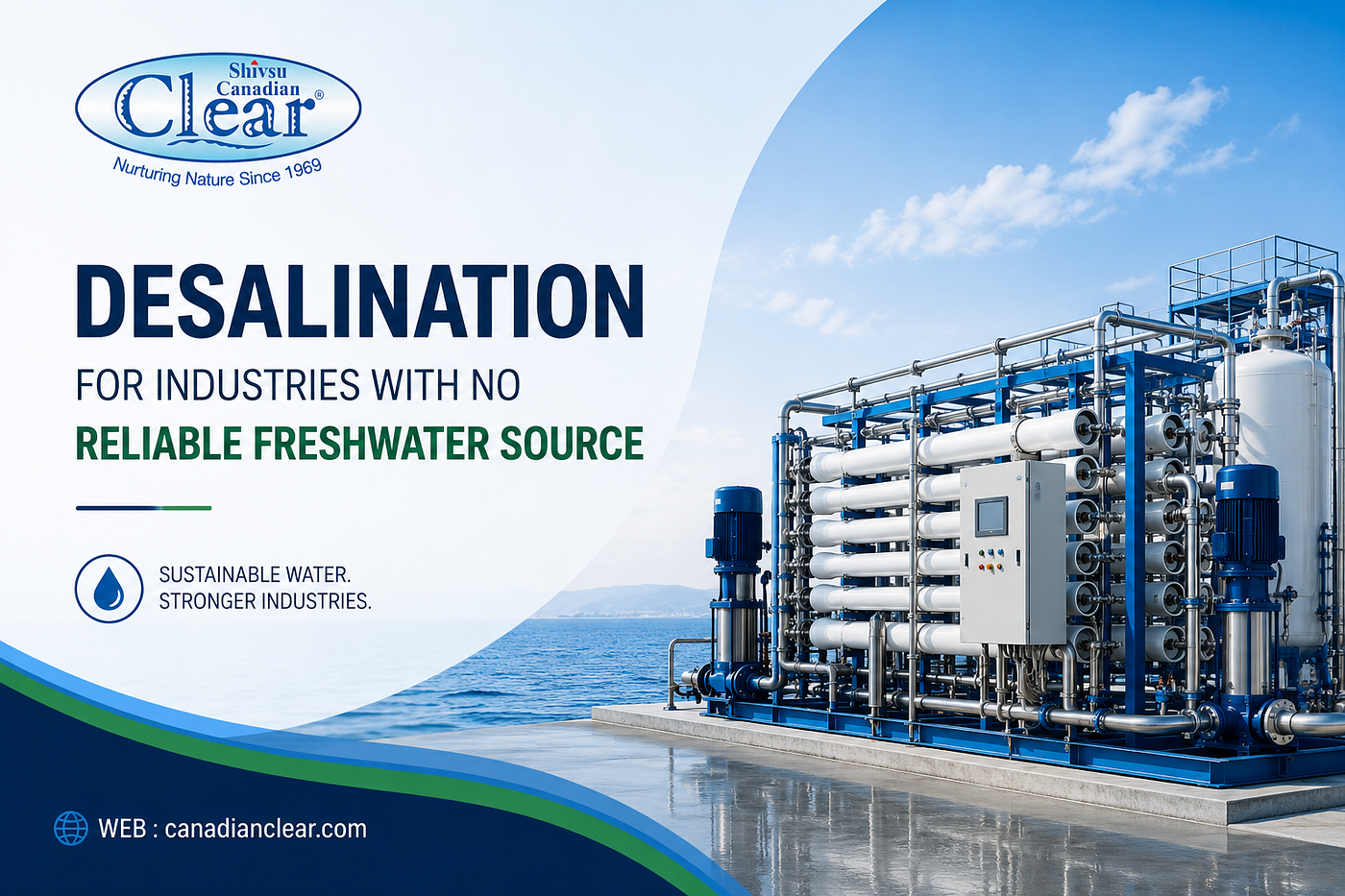
Industries such as power generation, oil and gas, mining, and manufacturing use desalinated water for cooling systems, boilers, and production processes.
Hotels and Resorts
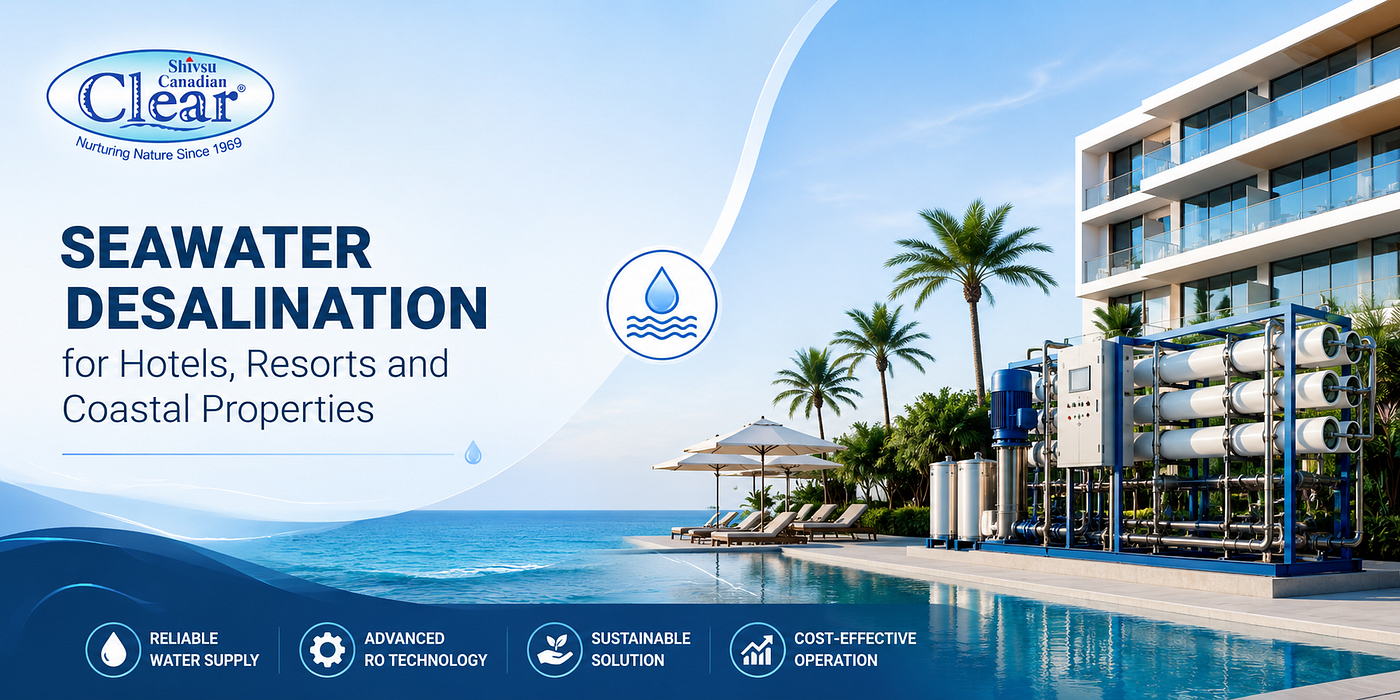
Island resorts and coastal hotels often install RO systems to provide a continuous source of freshwater where natural supplies are limited.
Agriculture
In regions with saline groundwater, desalination can provide irrigation water for selected crops, helping improve agricultural productivity.
Remote Communities
Compact and containerized systems make desalination a practical option for remote coastal villages, islands, and offshore facilities.
Choosing the Right Desalination Plant Manufacturer
The performance of any RO system depends not only on the technology itself but also on the quality of engineering, equipment, and long-term support.
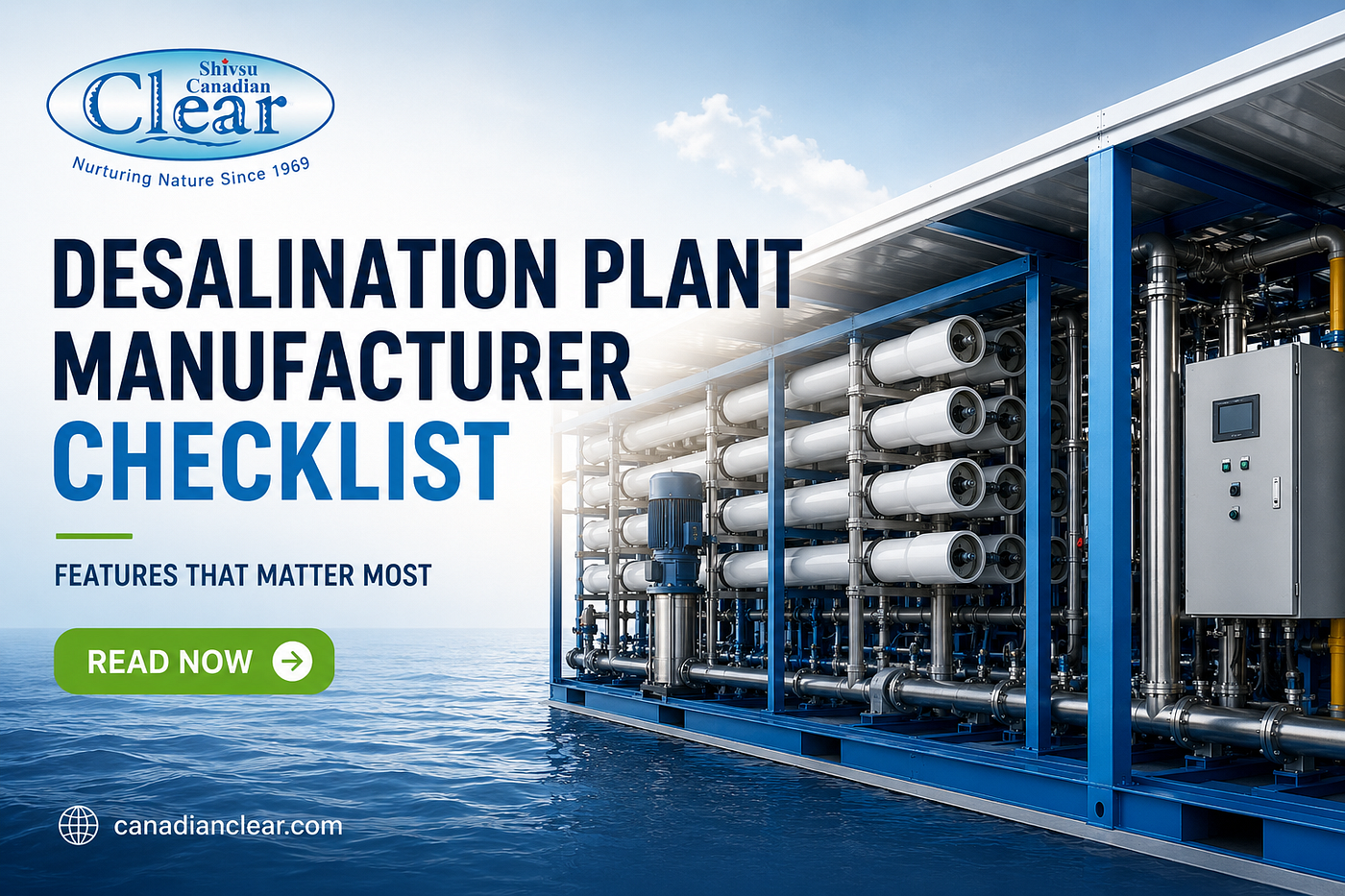
When evaluating a **desalination plant manufacturer**, consider factors such as:
- Experience with seawater and brackish water treatment
- Proven membrane technology
- Energy-efficient system design
- Reliable pre-treatment solutions
- Automation and monitoring capabilities
- Availability of technical support and spare parts
- Customization based on water quality and project requirements
Selecting the right partner can improve system reliability, reduce maintenance requirements, and support efficient long-term operation.
The Future of Reverse Osmosis Desalination
Advancements in membrane technology, energy recovery devices, and smart monitoring systems continue to improve the efficiency of Reverse Osmosis.
Researchers are developing membranes with higher salt rejection, improved durability, and lower energy requirements. At the same time, digital monitoring and predictive maintenance tools are helping operators optimize plant performance and reduce downtime.
As water demand continues to grow, Reverse Osmosis is expected to remain the leading technology for sustainable desalination.
Conclusion
Reverse Osmosis has transformed the way freshwater is produced from seawater by offering an efficient, reliable, and cost-effective alternative to traditional desalination methods. Its ability to deliver high-quality water while consuming less energy has made it the preferred choice for modern desalination projects around the world.
Whether supplying municipalities, industries, or remote communities, a well-designed seawater desalination plant built with advanced RO technology can provide a dependable source of freshwater for years to come. When planning such a project, working with an experienced **desalination plant manufacturer** can help ensure the system is designed to meet specific water quality, capacity, and operational requirements efficiently.
메타데이터
- post_id
- ab6ea2ed6a8a
- slug
- why-reverse-osmosis-is-the-preferred-technology-for-modern-desalination-plants-ab6ea2ed6a8a
- url
- https://medium.com/@seppasolutions11/why-reverse-osmosis-is-the-preferred-technology-for-modern-desalination-plants-ab6ea2ed6a8a
- canonical_url
- https://medium.com/@seppasolutions11/why-reverse-osmosis-is-the-preferred-technology-for-modern-desalination-plants-ab6ea2ed6a8a
- author_url
- https://medium.com/@seppasolutions11
- status
- ok
- fetched_at
- 2026-08-16 20:55:50