HDPE Pipe Full Form: Meaning, Uses, Benefits & Complete Guide (2026)
HDPE Pipe Full Form: Meaning, Uses, Benefits & Complete Guide
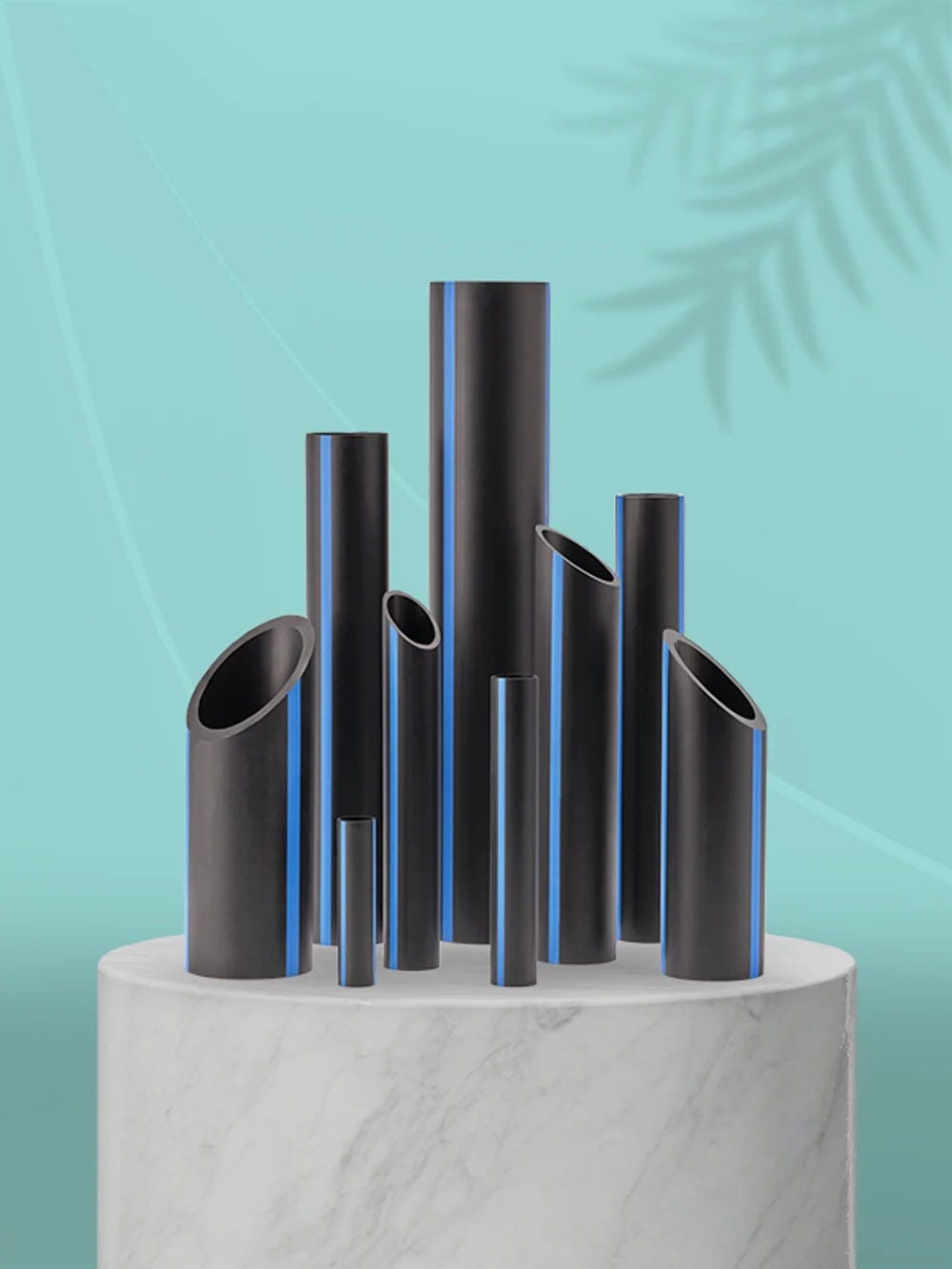
High-quality HDPE pipes designed for durability, flexibility, and long-term performance.
If you’ve ever been involved in construction, plumbing, or even agriculture, chances are you’ve heard about HDPE pipes. But a common question people still ask is — what is the HDPE pipe full form? or simply what is HDPE pipe?
Don’t worry — in this guide, I’ll explain everything in a simple and easy way so you can understand it without any technical confusion.
HDPE Pipe Full Form — Simple Explanation
Let’s start with the basics.
HDPE stands for High-Density Polyethylene.
So, when we say HDPE pipe full form, it means High-Density Polyethylene Pipe
It’s basically a type of plastic pipe made from a very strong and dense material.
What is HDPE Pipe? (In Easy Words)
In simple terms, an HDPE pipe is a strong yet flexible plastic pipe that is widely used in modern piping systems.
The best part? It doesn’t rust like metal pipes and can easily handle different weather conditions. That’s why many industries are now switching to HDPE instead of traditional materials.
So if you’re searching for “HDPE pipe meaning” or “what is HDPE pipe”, just remember — it’s a durable and long-lasting piping solution.
HDPE Material Full Form & Why It Matters
- HDPE full form in plastic: High-Density Polyethylene
- It is a type of thermoplastic polymer
- Strong but lightweight
- Resistant to chemicals and corrosion
Because of these qualities, HDPE material is considered one of the best options for making pipes.
Where Are HDPE Pipes Used?
HDPE pipes are used in many real-life applications. Here are some common ones:
1. Water Supply
These pipes are widely used for drinking water systems because they are safe and leak-resistant.
2. Agriculture
Farmers prefer HDPE pipes for irrigation since they are flexible and last longer.
3. Gas Pipelines
HDPE pipes can handle pressure well, which makes them suitable for gas distribution.
4. Drainage Systems
They work great in sewage and drainage because they don’t corrode.
5. Industrial Use
Industries use HDPE pipes to carry chemicals safely without damage.
Benefits of HDPE Pipes (Why People Prefer Them)
Let’s be honest — the reason HDPE pipes are so popular is because of their advantages:
✔ Long-Lasting
These pipes can easily last for decades.
✔ No Rust Problem
Unlike iron pipes, HDPE doesn’t corrode.
✔ Flexible Design
They can bend easily, which makes installation much easier.
✔ Leak Resistant
Strong joints mean fewer chances of leakage.
✔ Lightweight
Easy to carry, transport, and install.
Key Features of HDPE Pipes
- High strength and durability
- UV and weather resistant
- Low maintenance required
- Smooth inner surface for better flow
All these features make HDPE pipes a smart and modern choice.
Quick Recap
- Full Form: High-Density Polyethylene
- Meaning: Strong plastic pipe material
- Main Uses: Water supply, farming, gas pipelines, drainage, industry
- Big Advantage: Durable, flexible, and corrosion-free
Final Thoughts
By now, you clearly understand the HDPE pipe full form and why these pipes are becoming the first choice in so many industries.
If you want a solution that is reliable, long-lasting, and cost-effective, HDPE pipes are definitely worth considering.
메타데이터
- post_id
- ab9229c8d5f2
- slug
- hdpe-pipe-full-form-meaning-uses-benefits-complete-guide-2026-ab9229c8d5f2
- url
- https://medium.com/@dukeseo111/hdpe-pipe-full-form-meaning-uses-benefits-complete-guide-2026-ab9229c8d5f2
- canonical_url
- https://medium.com/@dukeseo111/hdpe-pipe-full-form-meaning-uses-benefits-complete-guide-2026-ab9229c8d5f2
- author_url
- https://medium.com/@dukeseo111
- status
- ok
- fetched_at
- 2026-06-09 15:37:30