The Role of Electrical Cardioversion in Treating Heart Arrhythmias
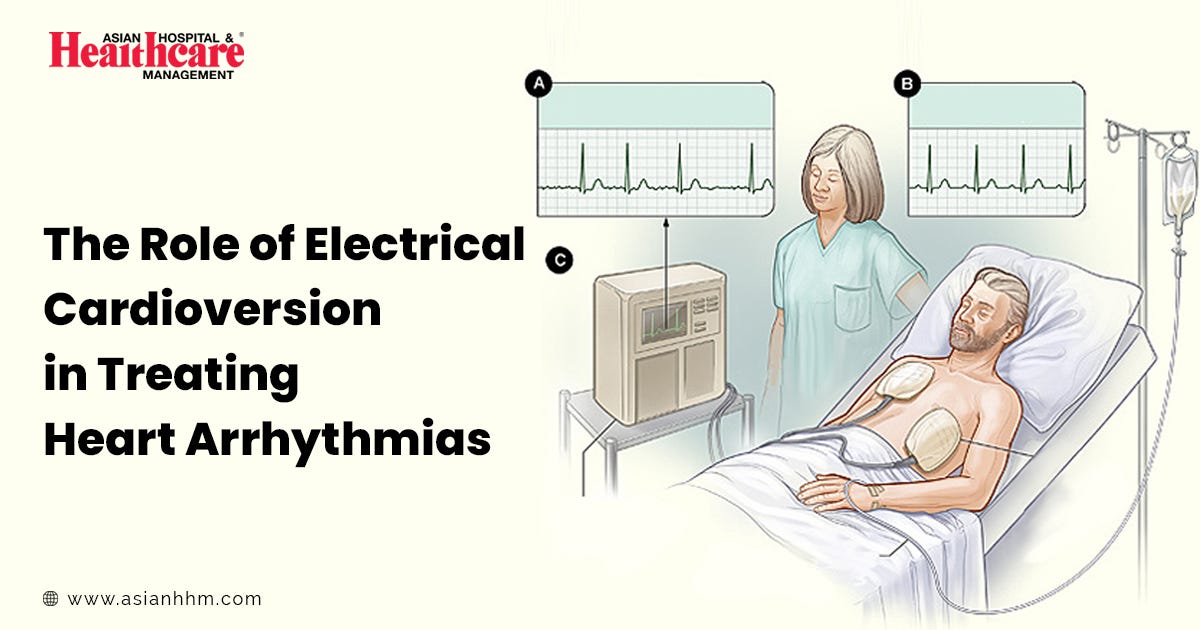
Electrical cardioversion is a medical related technique, which in the management of selected heart rhythms, which tend to be arrhythmias…
The Role of Electrical Cardioversion in Treating Heart Arrhythmias
Electrical cardioversion is a medical related technique, which in the management of selected heart rhythms, which tend to be arrhythmias such as atrial fibrillation and atrial flutter. It helps in helping the heart to beat back to normalcy through administration of an electrical impulse. It is safe, which is less invasive and provides a relatively rapid relief of symptoms with a highly significant impact on the quality of a patient’s life, although certain dangers are involved.
Introduction:
Atrial dysrhythmias therefore refers to all forms of pace that is irregular in which the heart beats otherwise known as heart arrhythmias. These disorder more often than not intensifies and lead to: Tachycardia is an abnormally fast heart rate while bradycardia is an abnormally slow heart rate on the other hand refers to irregular heartbeat.
Abnormal heart rhythm may have many potential origins, primary of which is heart disease, but also including stress or consumption of excessive amounts of caffeine. There are even some arrhythmias that are not fatal but they can cause a patient some discomfort and thus would only need a little intervention while others may be fatal and one has to seek for medical help immediately. Another approach to the management of some of the specific types of arrhythmias is electrical cardioversion, whereby normal flow of blood in the chambers is facilitated by the use of electricity in form of controlled electrical shocks.
Understanding Heart Arrhythmias
And that is why when learning about electrical cardioversion one must take into consideration that there are various forms of arrhythmias that one is able to get in the heart. It also provides electricity throughout the heart so as to regulate the rate of beating in order for the heart to deliver its proper function of pumping blood on the body. This system comprises of sinoatrial node that controls the pulse, atrioventricular node as well as the network of pathways that pass signals to the muscular walls of the heart in order to contract.
It is only when the electrical signals are abnormal in a way or the other that a person gets sick and develop arrhythmias. Common types of arrhythmias include:
Atrial Fibrillation (AFib): Some of these are atrial fibrillations or AFib, involving the atria, the upper chambers of the heart, which beat irregularly and athletically, that is, out of rhythm and beyond the control of the ventricles, the lower chambers of the heart. This may result in clipped blood flow hence increasing their likelihood of a stroke or heart failure.
Atrial Flutter: Similar to the case with AFib, atrial flutter will also result to a fast and steady rate of the heart but this will happen in a rather more coordinated way.
It can also have consequences which are adverse if not well managed.
Ventricular Tachycardia (VT): This condition is the one observed when ventricles contract at a high rate that may result into ventricular fibrillation, a situation that is lethal as it results into reduced pumping of blood by the heart.
Ventricular Fibrillation (VFib): VFib is one of the dangerous states at which instead of beating, the ventricles of the heart fibrillate; this is lethal if not treated.
Find more:
**What is Electrical Cardioversion? How Electrical Cardioversion Works?**
Click here for complete article: https://www.asianhhm.com/articles/the-role-of-electrical-cardioversion-in-treating-heart-arrhythmias
메타데이터
- post_id
- ab9c3f151c8f
- slug
- the-role-of-electrical-cardioversion-in-treating-heart-arrhythmias-ab9c3f151c8f
- url
- https://medium.com/@wilson2020sarah2120/the-role-of-electrical-cardioversion-in-treating-heart-arrhythmias-ab9c3f151c8f
- canonical_url
- https://medium.com/@wilson2020sarah2120/the-role-of-electrical-cardioversion-in-treating-heart-arrhythmias-ab9c3f151c8f
- author_url
- https://medium.com/@wilson2020sarah2120
- status
- ok
- fetched_at
- 2026-06-24 11:06:28