The 7-Lens Visioning Protocol (Part 3): The Beneficiary Lens
In every truly transformative organization, there is a simple but powerful truth:
The 7-Lens Visioning Protocol (Part 3): The Beneficiary Lens
In every truly transformative organization, there is a simple but powerful truth:
Impact begins and ends with people.
Not with strategy documents.
Not with budgets.
Not even with the organization itself.
People.
The lives that will be transformed, the communities that will rise, and the individuals whose opportunities will expand because the organization exists.
This is where the Beneficiary Lens becomes essential in the 7-Lens Visioning Protocol. It ensures that organizations do not merely run programs — they transform lives intentionally and measurably.
If the Mission Lens clarifies why you exist, and the Strategy Lens clarifies how you operate, the Beneficiary Lens clarifies who truly experiences the change.
Because an organization that loses sight of its beneficiaries eventually loses sight of its purpose.
Understanding the Beneficiary Lens
The Beneficiary Lens centers the mission on the people whose lives, opportunities, or capabilities improve because of the organization’s work.
It forces leaders to move beyond abstract goals like:
- “Empower Youth”
- “Support Communities”
- “Drive Development”
…And instead ask deeper, more precise questions:
Who exactly are we transforming?
What changes should happen in their lives?
The clearer the answer, the stronger the organization’s impact.
Without this clarity, organizations often fall into a dangerous trap:
Running activities without producing meaningful transformation.
Programs may be busy.
Reports may be impressive.
But the lives of beneficiaries may remain largely unchanged.
The Beneficiary Lens prevents this drift by grounding every decision in the real experiences of real people.
The Core Question
At the heart of the Beneficiary Lens is a powerful question:
Who will experience the greatest transformation from our work?
Notice the focus here.
Not who will participate.
Not who will attend the training.
But who will be transformed.
Participation does not equal transformation.
Transformation means:
- New Opportunities
- Expanded Capabilities
- Improved Livelihoods
- Greater Dignity
- Long-term change in life trajectory
When organizations think this way, their programs become impact engines rather than activity centers.
The Definition
The Beneficiary Lens centers the mission on the people whose lives or opportunities will improve because of the organization’s efforts.
It requires organizations to clearly define:
- Who they serve
- What challenges those people face
- What transformation success looks like
- How their lives will improve
In other words, the Beneficiary Lens answers:
If our organization succeeds, whose life will be different?
And more importantly:
How will that life be different?
Five Essential Reflections for the Beneficiary Lens
To apply the Beneficiary Lens effectively, organizations must wrestle with five deep reflections.
These questions shape both clarity and compassion in leadership.
1. Who are the primary individuals or communities we serve?
Many organizations unintentionally serve everyone and no one at the same time.
Statements like these are common:
- “We serve youth.”
- “We support communities.”
- “We empower entrepreneurs.”
But these descriptions are too broad.
A powerful organization defines its beneficiaries with precision.
For example:
- Women entrepreneurs in rural communities
- First-generation university students from low-income families
- Early-stage social entrepreneurs under 30
- Smallholder farmers facing climate vulnerability
The clearer the definition, the more focused and powerful the interventions become.
2. What specific needs or barriers are they facing?
Impact begins with understanding real barriers.
Not assumed barriers.
Not theoretical barriers.
Real barriers.
For example, a youth entrepreneur may face:
- lack of startup capital
- limited mentorship
- weak market access
- low digital skills
- policy barriers
If an organization does not deeply understand these barriers, its programs may solve the wrong problems.
The best impact organizations are excellent listeners.
They listen to communities before designing solutions.
3. What transformation should they experience?
This is where the Beneficiary Lens becomes powerful.
Instead of focusing on activities, the organization focuses on transformation.
For example:
Instead of saying:
“We will train 500 entrepreneurs.”
A transformation-focused vision says:
“500 entrepreneurs will build sustainable businesses that generate income, create jobs, and expand economic opportunities in their communities.”
Transformation shifts the conversation from outputs to outcomes.
4. How will their lives, opportunities, or capabilities improve?
Impact must be visible in the lives of beneficiaries.
Consider the difference:
Without the Beneficiary Lens:
- Training delivered
- Workshops conducted
- Reports submitted
With the Beneficiary Lens:
- Income increased
- Businesses launched
- Employment created
- Confidence strengthened
- Opportunities expanded
The ultimate measure of success becomes:
Did their lives improve?
5. How can we remain deeply connected to their realities and aspirations?
The most effective organizations maintain continuous connection with their beneficiaries.
They do this through:
- community engagement
- feedback loops
- impact assessments
- listening sessions
- co-creation of solutions
Beneficiaries are not passive recipients.
They are partners in transformation.
When organizations remain close to their beneficiaries, their programs remain relevant, adaptive, and powerful.
Example Beneficiary Groups
To make the Beneficiary Lens more practical, here are examples of clearly defined beneficiary groups used by social impact organizations.
1. Young Social Entrepreneurs
Individuals aged 18–35 building businesses that address social or environmental challenges.
Transformation goals may include:
- launching viable enterprises
- accessing funding
- scaling their solutions
- creating employment opportunities
2. Rural Women Entrepreneurs
Women operating micro or small businesses in rural communities with limited access to capital, markets, and digital tools.
Transformation goals may include:
- financial independence
- business expansion
- improved household income
- leadership within the community
3. First-Generation University Students
Students whose parents did not attend university and who often face financial and mentorship barriers.
Transformation goals may include:
- academic success
- leadership development
- career opportunities
- global exposure
4. Climate-Vulnerable Smallholder Farmers
Farmers whose livelihoods are threatened by climate change and environmental degradation.
Transformation goals may include:
- climate-resilient farming techniques
- increased productivity
- improved market access
- sustainable livelihoods
A Primary Beneficiary Profile (Example)
Creating a Primary Beneficiary Profile helps organizations move from vague descriptions to human-centered understanding.
Here is an example.
Primary Beneficiary Profile
Name: Amina
Age: 27
Location: Semi-urban community in West Africa
Occupation: Aspiring entrepreneur
Background
Amina has a strong desire to start a business that produces eco-friendly household products. She has creativity and passion but lacks access to capital, mentorship, and business training.
Key Barriers
- Limited startup funding
- Lack of mentorship
- Limited market access
- Low exposure to global opportunities
Aspirations
Amina dreams of building a business that:
- supports her family
- employs other women
- contributes to environmental sustainability
Transformation Through the Organization’s Work
Through targeted programs, Amina will:
- develop business skills
- access mentorship and funding
- launch a sustainable enterprise
- create employment in her community
Her transformation represents the real impact behind the organization’s mission.
Why the Beneficiary Lens Matters More Than Ever
In today’s world, social impact organizations face growing expectations.
Funders ask harder questions.
Communities demand real change.
And the world no longer celebrates activity without impact.
The Beneficiary Lens ensures that organizations stay anchored in what truly matters:
Human transformation.
Because when organizations clearly understand their beneficiaries:
- programs become more relevant
- resources become more effective
- impact becomes more measurable
- missions become more powerful
And most importantly:
Lives change.
For Leaders Who Want to Go Deeper
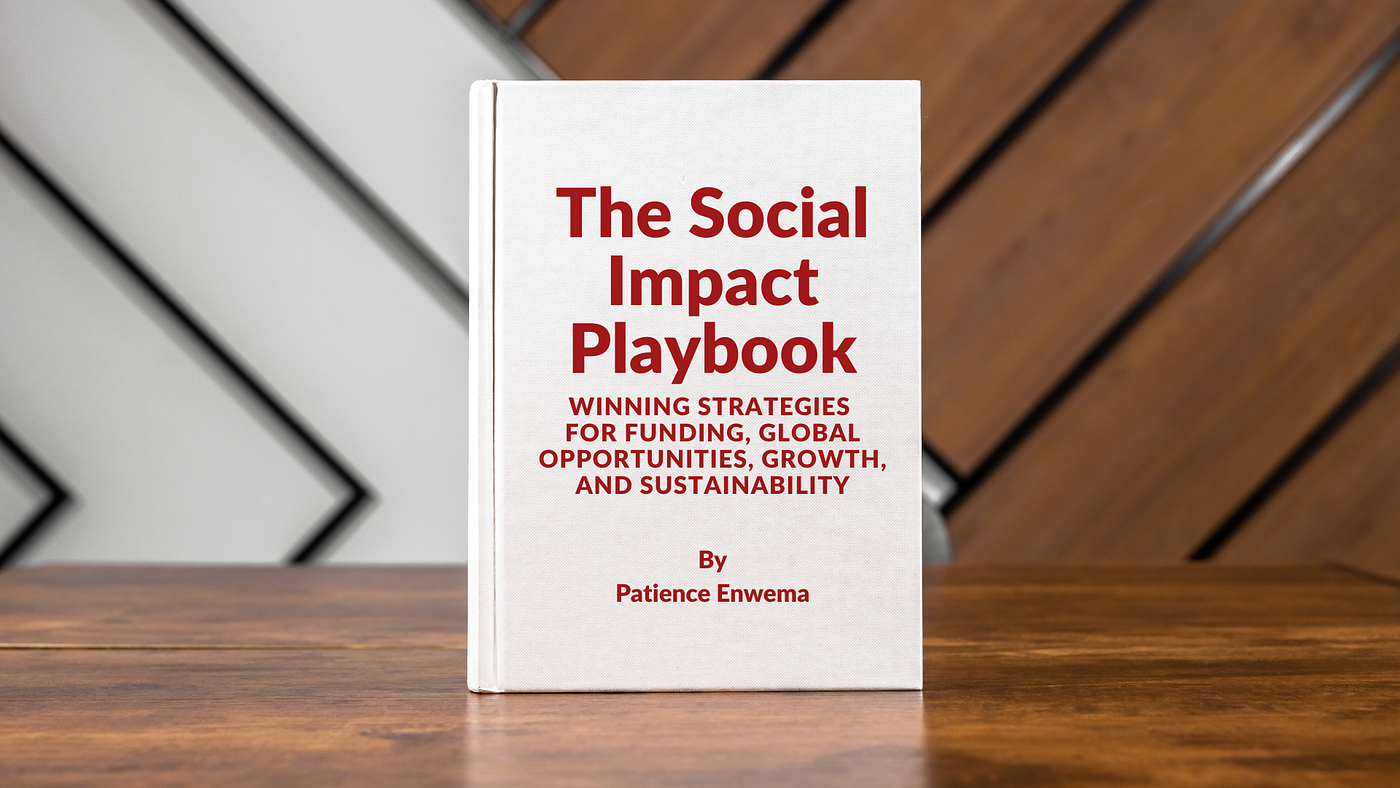
If you are serious about building a sustainable and globally competitive social impact organization, I invite you to read my book:
The Social Impact Playbook: Winning Strategies for Funding, Global Opportunities, Growth, and Sustainability.
This book was written for changemakers, nonprofit founders, and social entrepreneurs who want to move beyond good intentions and build organizations that thrive.
Inside, you will learn:
- How to position your organization for global funding opportunities
- Winning strategies for grant writing and fundraising
- How to scale your impact sustainably
- Practical frameworks for building resilient institutions
Because the future of social impact will belong to leaders who combine vision with strategy.
And strategy begins with clarity of impact.
So today, pause and ask yourself one powerful question:
What tangible changes will exist because of your work this year?
Your answer could redefine the future of your organization.
A Final Reflection
Every organization must eventually confront a defining question:
If we disappeared tomorrow, whose lives would be different because we existed?
That question lies at the heart of the Beneficiary Lens.
Because the success of any mission is not measured by the size of the organization… but by the depth of transformation in the lives of the people it serves.
Next in the Series
In the next article, we will explore The Strategic Pathways Lens — the lens that enables organizations to move beyond vision and design intentional, structured pathways that drive measurable and lasting impact.
메타데이터
- post_id
- abb1b2fa63fa
- slug
- the-7-lens-visioning-protocol-part-3-the-beneficiary-lens-abb1b2fa63fa
- url
- https://medium.com/startup-insider-edge/the-7-lens-visioning-protocol-part-3-the-beneficiary-lens-abb1b2fa63fa
- canonical_url
- https://medium.com/startup-insider-edge/the-7-lens-visioning-protocol-part-3-the-beneficiary-lens-abb1b2fa63fa
- author_url
- https://medium.com/@enwemapatience
- status
- ok
- fetched_at
- 2026-06-14 16:15:44