Understanding Lab Incubators: Purpose, Types, and Best Practices
In modern laboratories, whether in academic research, clinical testing, or biotechnology development, maintaining a stable environment is…
Understanding Lab Incubators: Purpose, Types, and Best Practices
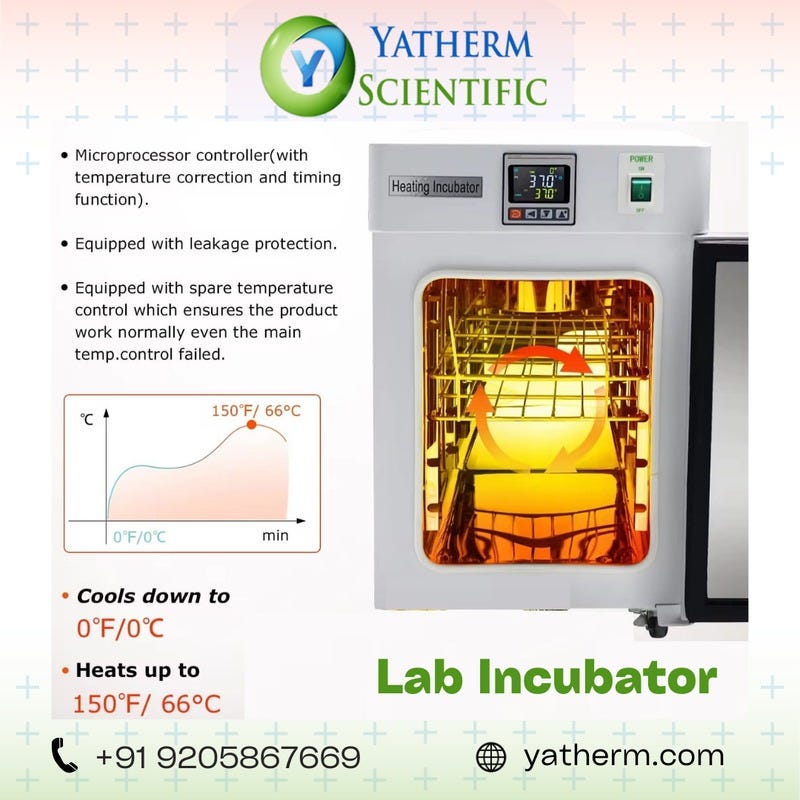
In modern laboratories, whether in academic research, clinical testing, or biotechnology development, maintaining a stable environment is crucial. Among the most indispensable devices for this purpose is the lab incubator. These controlled‐environment chambers are essential tools that allow scientists and technicians to reproduce and maintain precise temperature, humidity, and sometimes gas composition, to cultivate cells, microorganisms, or even test material durability. Let us explore what lab incubators are, what variants exist, and how to use them properly for optimal results.
What Is a Lab Incubator?
A lab incubator is a piece of equipment designed to provide controlled environmental conditions. The core function is to maintain specific temperature ranges, typically from ambient (room temperature) up to around 60–70 °C, although some models go higher. Beyond temperature, many incubators allow regulation of humidity and sometimes gas levels — most often CO₂ or O₂ — depending on the application. These conditions facilitate processes like microbial growth, cell culture, seed germination, enzyme assays, and incubated aging of materials.
Key Components & Features
- Temperature Control System: Usually through heating elements with a thermostat or a digital PID controller to ensure consistent warming without large fluctuations.
- Humidity Control: Some incubators include water pans or humidifiers to maintain moisture level, which is important in avoiding desiccation of cultures and maintaining viability.
- Gas Regulation: For applications like mammalian cell culture, incubators with ports for CO₂ supply (commonly 5%) or low oxygen settings are necessary.
- Air Circulation: Fans or forced‐air systems help distribute temperature/humidity evenly. Uniformity matters sharply — if one shelf is too warm or cold, experiments become non‐reproducible.
- Safety and Monitoring: Features such as alarms, fail‐safe shutoff, door seals, and internal lighting enhance safety and convenience.
Types of Lab Incubators
Here are common types, each keyed to particular lab needs:
- Dry Incubators: These maintain temperature (and possibly aeration), but do not actively humidify. Used for general microbiology, thermal tests, or aging processes.
- CO₂ / Tissue Culture Incubators: Incorporate precise CO₂ levels, typically 5%, to mimic physiological conditions for mammalian cells; often include humidity control and HEPA filtration to keep the atmosphere clean.
- Shaking Incubators: Equipped with platform shakers for agitation — useful when culturing bacteria or yeast in liquid medium to increase aeration and mixing.
- Refrigerated Incubators / Incubator Ovens: For applications needing elevated temperature up to a point beyond room temperature, or slight cooling; sometimes used to simulate environmental conditions.
- Microwave, UV or Lighted Incubators: Specialized variants that provide light or UV exposure for studies in photosynthesis, photobiology, or material photodegradation.
Choosing the Right Lab Incubator
Selecting the correct incubator depends on the intended use Consider:
- Temperature Range & Uniformity: What maximum/minimum are needed? How stable must the temp be across shelves?
- Humidity Requirement: Many microbial cultures survive without extra humidity, but mammalian cells often require 90% or more.
- Gas Environment: Is CO₂ control needed? Or low oxygen? The more variables to regulate, the higher the complexity and cost.
- Size & Capacity: How many samples or flasks are to be accommodated? Shelf count, interior volume, and footprint are significant.
- Cleanliness & Sterility: For sensitive work, features like antimicrobial door seals, HEPA filters, UV sterilization, and easily cleaned interiors matter.
- Energy Efficiency & Maintenance: Units that are well‐insulated, with efficient heating and humidification systems, save on running costs. Also look for models that are easy to calibrate and service.
Best Practices for Operation
Even high-end lab incubators fail to deliver accurate results if not operated well. Here are recommended practices:
- Calibration and Validation: Regularly calibrate temperature (and CO₂/humidity if applicable) using certified probes. Run validation tests to ensure uniformity.
- Clean and Sterile Interior: Clean shelves, walls, gasket seals periodically. For CO₂ incubators, beware of biofilm formation in water pans or condensation.
- Avoid Overloading: Too many items crammed in reduces airflow and leads to uneven conditions. Leave space between samples and avoid stacking that blocks vents.
- Monitor Continuously: Use data loggers or remote sensors; respond to alarms promptly. Sudden drops or spikes in temperature or gas levels can ruin experiments.
- Manage Door Openings: Every time the door is opened, internal conditions are disturbed. Keep openings brief, and ensure door seals are good.
- Record Keeping: Log settings, deviations, maintenance, and any unusual events. This documentation helps in troubleshooting and ensuring reproducibility.
Applications Across Fields
Lab incubators find uses in diverse areas:
- Microbiology: Growing bacteria, fungi, and other microbes under controlled warmth.
- Cell Biology: Culturing mammalian, plant, or insect cells that need precise CO₂ and humidity.
- Food & Beverage / Agriculture: Testing seeds germination, shelf stability of foods, or spoilage under set conditions.
- Materials Science: Simulating aging, thermal degradation, or evaluating materials’ performance under heat/humidity stress.
- Pharmaceuticals: Sterility testing, drug development, and assessing microbial contamination.
Conclusion
A lab incubator may appear as a simple “warm box,” but it is a sophisticated control system that enables reproducible science. From the right temperature and humidity to gas atmosphere and airflow, every parameter matters. By selecting the appropriate type and following best practices in maintenance and operation, laboratories can ensure reliable results, reduced error, and greater confidence in their data. Whether you are launching a startup biotech lab or upgrading your testing facility, investing in the right lab incubator pays off in scientific rigor and efficiency.
Read more about **horizontal autoclave** and **Co2 Incubator** Yatherm scientific manufacturer of scientific equipment.
For any enquiry related to any laboratory instruments, feel free to contact us:
Call: +919205867669, +91 72920 55144
Mail: info@yatherm.com
메타데이터
- post_id
- abd088e40c5e
- slug
- understanding-lab-incubators-purpose-types-and-best-practices-abd088e40c5e
- url
- https://medium.com/@gaurav10/understanding-lab-incubators-purpose-types-and-best-practices-abd088e40c5e
- canonical_url
- https://medium.com/@gaurav10/understanding-lab-incubators-purpose-types-and-best-practices-abd088e40c5e
- author_url
- https://medium.com/@gaurav10
- status
- ok
- fetched_at
- 2026-06-20 20:29:01