Codex, Cursor or Claude Code: Which One Should You Choose?
Codex, Cursor and Claude Code are all absurdly capable. The real question is where your curiosity stops

The original, greatly refurbished, Phillips 66 gasoline station in little McLean, a town along historic U.S. Route 66 in the Texas Panhandle. Original image from Carol M. Highsmith’s America, Library of Congress collection. Digitally enhanced by rawpixel.
Codex, Cursor or Claude Code: Which One Should You Choose?
We are completely spoilt for choice with AI coding tools right now.
Every second person on Twitter has a different setup. One person has fourteen terminals open doing wizardry. Another person is building full apps by typing into a chatbot. Someone else is yelling about MCP servers and agents and vector databases.
And if you are new to this stuff it can feel genuinely confusing. Heck even if you aren’t new to this stuff, it is confusing.
So this post is about something most people skip over entirely. The tool that works best for you depends almost completely on the way your brain likes to work.
Not a Medium member? Keep reading by clicking **here**.
That sounds obvious. It is not.
Because the conversation online is almost entirely about capability. Which model is smartest. Which tool has the best context window. Which IDE has the most GitHub stars.
Nobody talks about cognitive load.
Nobody talks about the moment you open a tool and your shoulders tense up because the environment itself feels hostile before you have even typed anything.
For example. I absolutely hate looking at Claude Code. Hate it. It’s not for me. Is it a great tool? 1000% yes. Do people love it? 1000% yes. But I don’t.
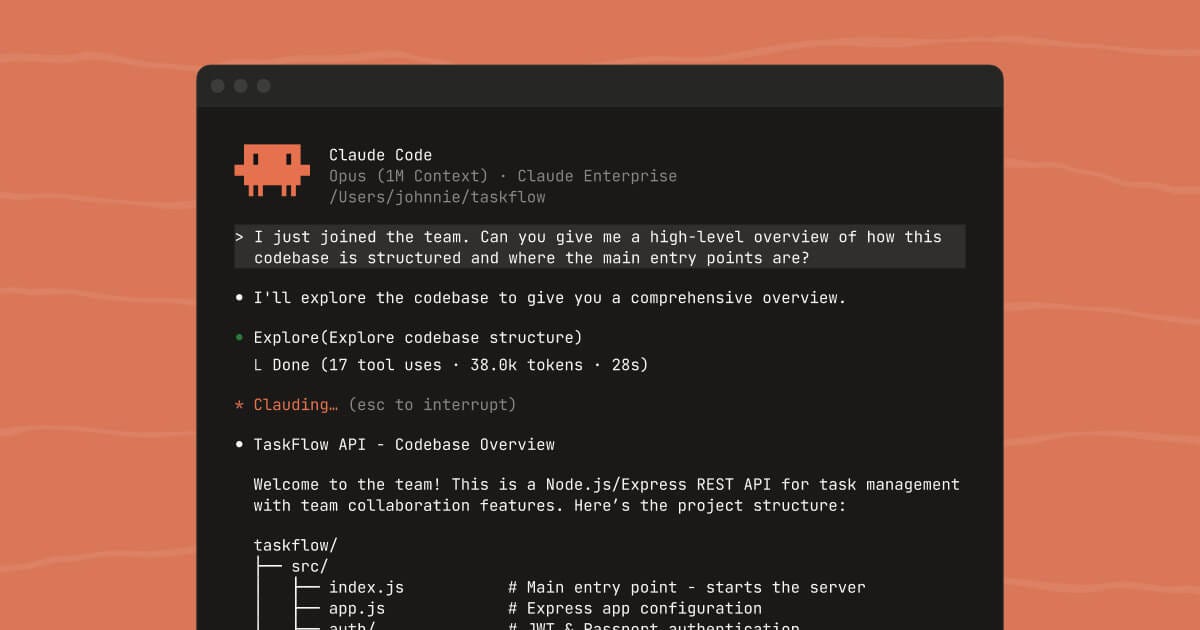
This is Claude Code!
That matters enormously. Probably more than any benchmark.
The simplest jump from ChatGPT if you are starting
I built Readerprint entirely using Codex by OpenAI.
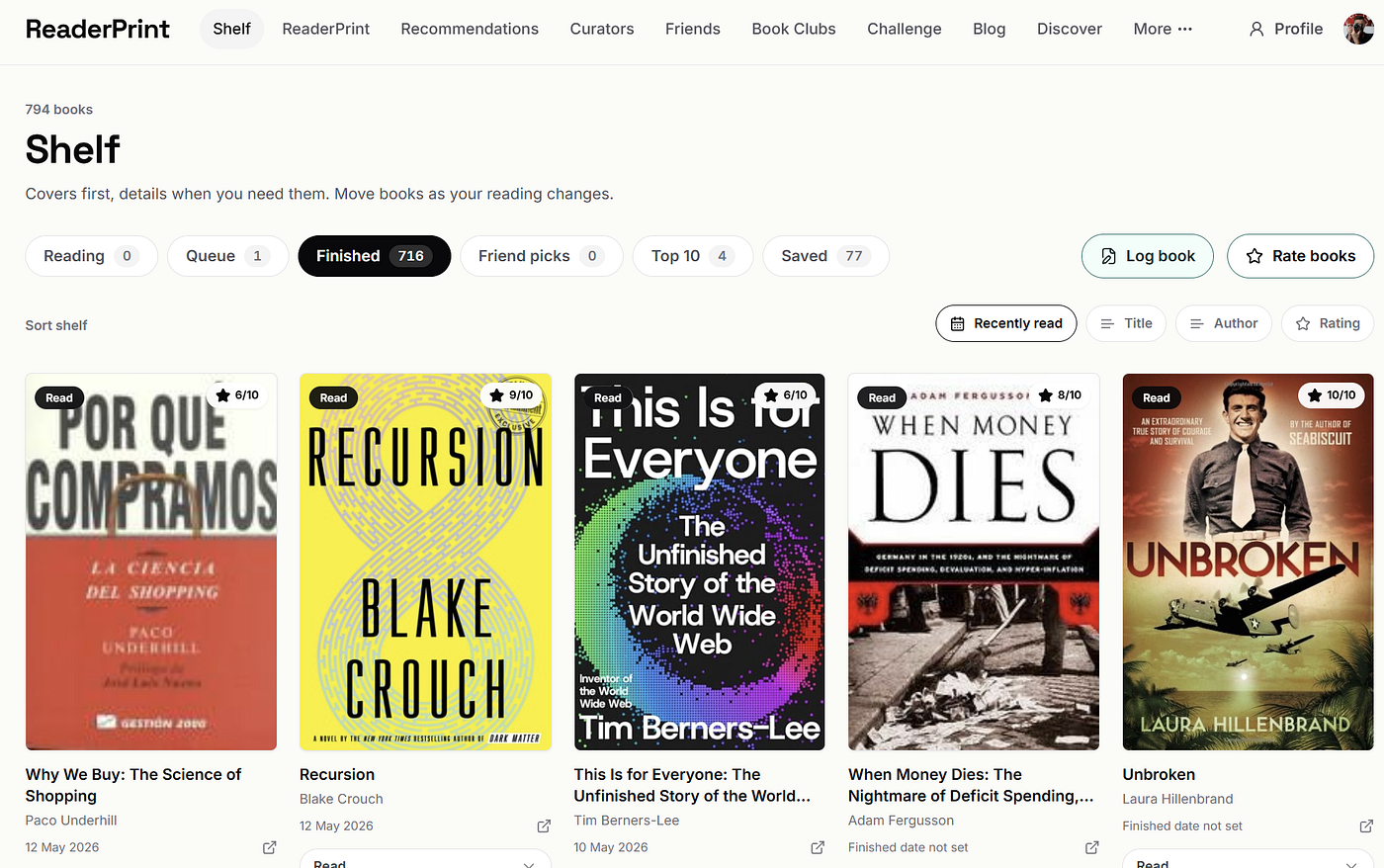
It’s a website that gives you book recommendations uniquely custom to you
The site gives tailored book recommendations based on a quiz. You answer questions and it suggests books that match your taste profile.
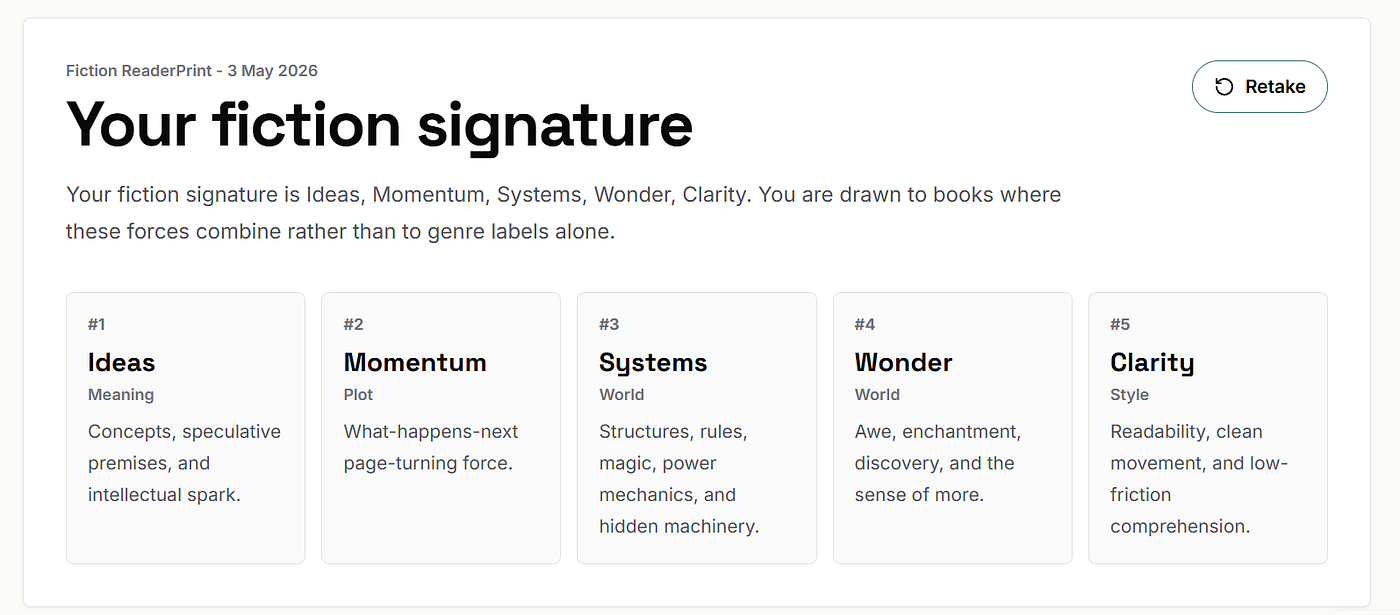
Each person gets a unique fiction signature of what you like in a book
I called the site readerprint as it’s like a fingerprint, no two people will likely ever get the exact same quiz results.
Codex was amazing for this, it helped me build authentication, quiz flows, recommendation logic, database integration, UI design. All of it. I built the whole thing in a couple of days.
And look at the UI! It’s basically like ChatGPT.
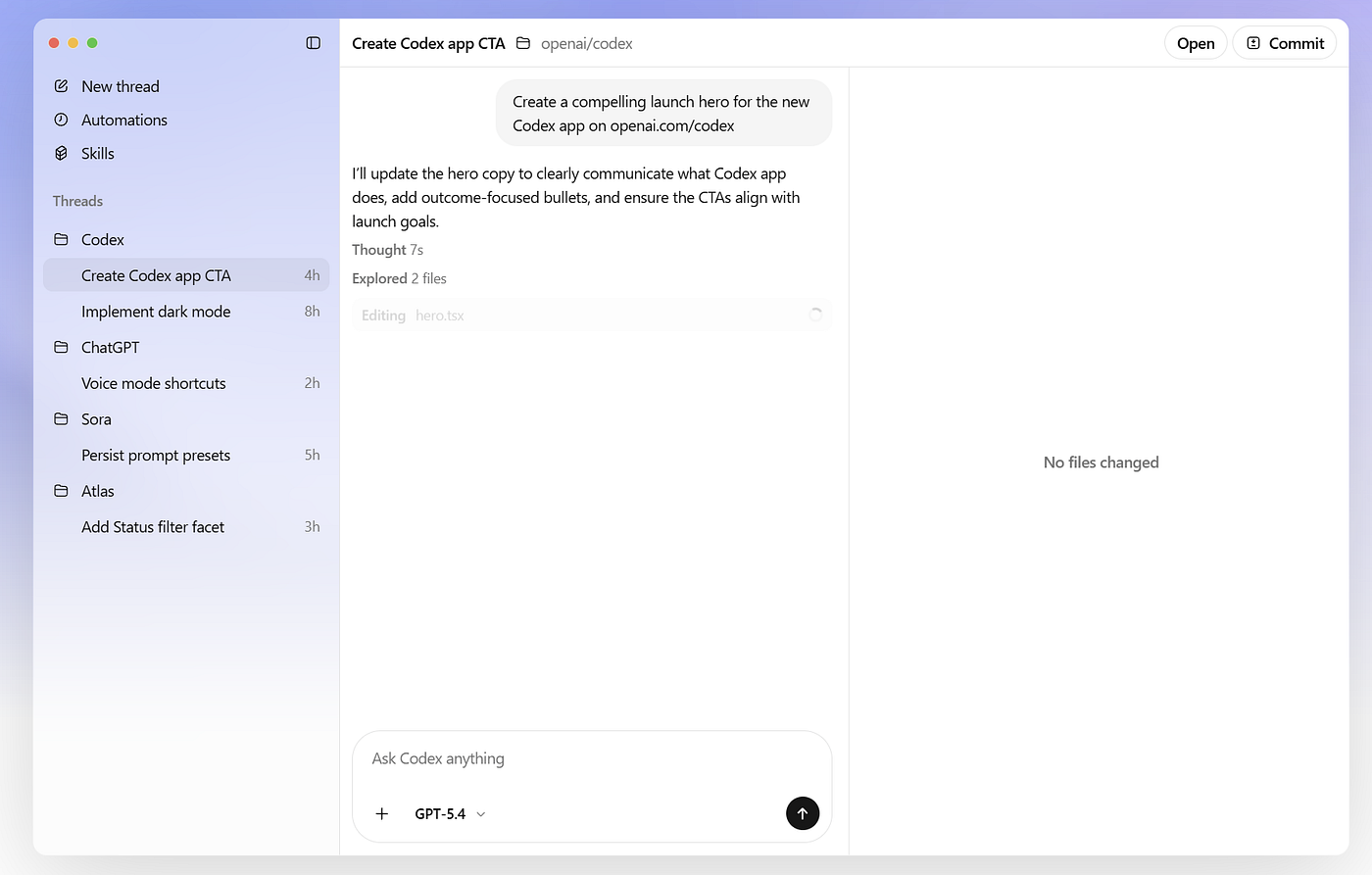
Codex by OpenAI
Codex is the least scary jump from ChatGPT. You install it on your computer, type what you want, and files and folders start appearing. Websites materialise. Apps start working.
The cognitive overhead is remarkably low. You are mostly just collaborating with the AI. You say “build me a landing page” and it starts building.
That matters more than people think, because a lot of people bounce off AI coding tools entirely. This is important for me as I have to train people at work to use these tools and I can tell you Codex is by far the easiest to get into and learn.
For the other tools, the environment feels intimidating before they have made anything interesting. Codex avoids most of that.
On Codex start with the $20 plan. If you become completely addicted and start hitting usage limits constantly then upgrade later. For me that happened after 1 week and now I use the $100 a month plan. I can pretty much code as much as I want for that.
Cursor — For people that are curious
Now when some people develop with AI, those people genuinely do not care. If the thing works, great! Ship it and then move on. That is completely legitimate. If that is you, Codex will probably remain your primary tool for a long time and you will be productive with it.
But some people start getting an itch. You want to open the files. You want to see why the AI chose that folder structure. You want to understand the dependency tree. You want to know what happens when something breaks, really breaks, and there is no chatbot to ask.
That itch is the signal to look at Cursor.
Seeing the machinery
Cursor feels more like becoming an actual developer.
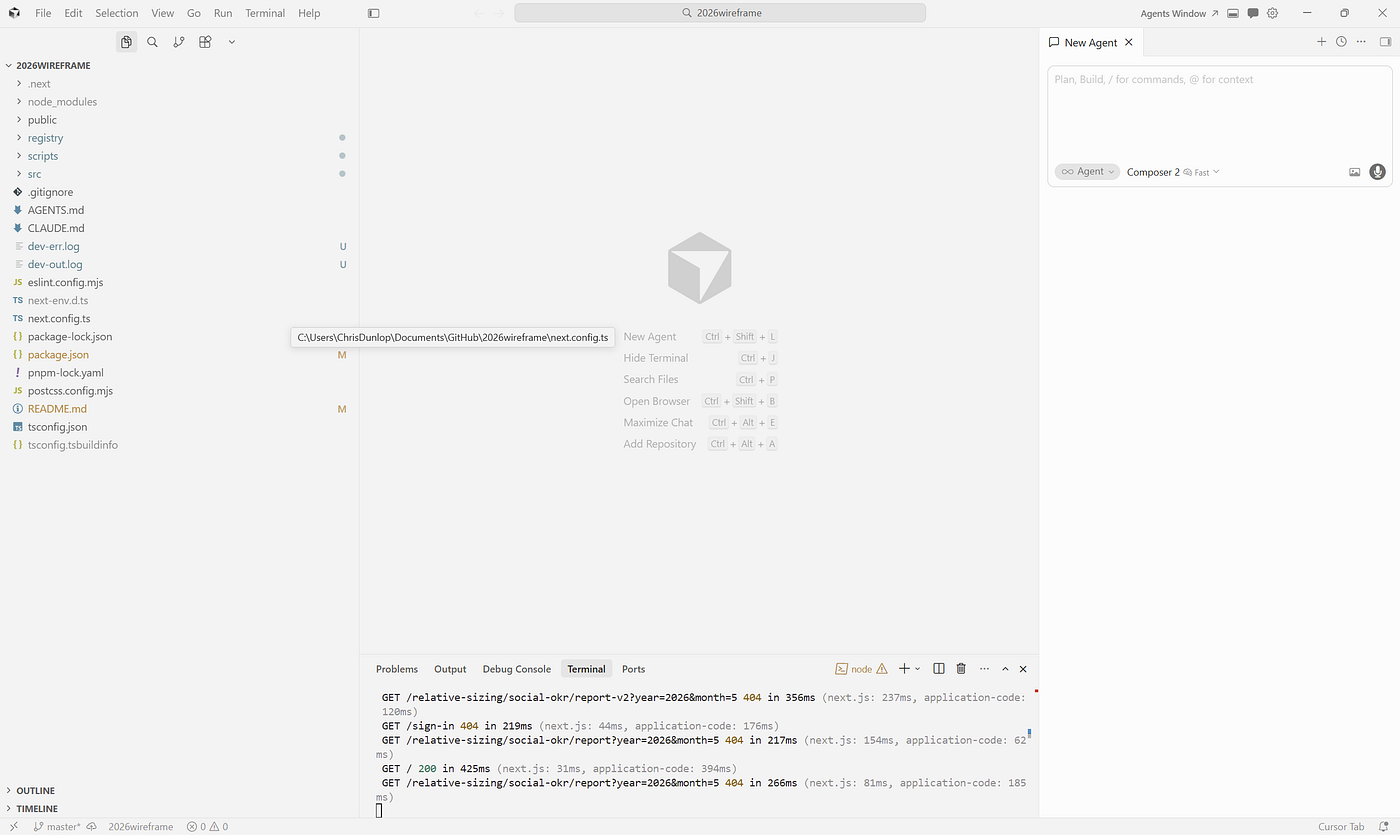
Cursor looks like this
You can see all the files. You can inspect the code being written. You can open folders, edit components, track changes, debug problems and understand the structure of the project itself.
The cognitive load is significantly higher. You now have files, terminals, dependencies, package managers, project structure, debugging, diffs, version control. Some people open Cursor and feel their stress levels rise immediately. That is completely normal.
But if you are someone who enjoys opening the bonnet of a car and poking around, Cursor is where AI coding starts feeling like engineering. You stop just prompting. You start observing how systems are assembled underneath, and you gradually learn by exposure.
This is the sweet spot for a huge number of people. Modern and approachable enough to stay in flow, transparent enough that your understanding compounds over time.
Claude Code — Going further down the rabbit hole
Look at that screenshot again!
Sheepers. It looks geeky. It looks intimidating. It is intimidating. But that is Claude Code for you.
Claude Code again!
The first thing you notice is that it runs in the terminal. You might not even know what that means, most people don’t know what that means. It means you type everything like it’s 1996.
This immediately filters people. Some people see a terminal and feel like they have accidentally opened the control panel for a nuclear reactor.
Claude Code rewards people who enjoy operating close to the metal. You can build repeatable workflows, create subagents, automate operational tasks and turn common processes into reusable commands.
The best example I have seen was invoice processing. A team had created a /process-invoice command. Instead of manually handling invoices every month, Claude Code followed a predefined workflow using examples and instructions from previous invoices. One command triggered an entire operational process.
That is where these tools stop feeling like chatbots and start feeling like programmable coworkers.
But Claude Code asks the most from you mentally. You need higher tolerance for terminals, commands, setup, abstractions, debugging, developer tooling, systems thinking. For the right person this is incredibly fun. For the wrong person it feels exhausting.
And that is the thing people do not say enough about any of these tools. A tool can be objectively powerful and still be completely wrong for you.
The actual decision you should make
The mistake people make is assuming there is one universally “best” AI coding tool.
The real question is simpler. Where does your curiosity stop?
If your curiosity stops at the finished product, the thing that works, the app that runs, the site that loads, then Codex will make you genuinely great. You will build things that would have required a team three years ago and you will do it in days.
If your curiosity extends into the structure underneath, the files, the architecture, the reason the AI made that particular choice, Cursor will teach you how software actually works while you build with it.
If your curiosity goes all the way down into automation, systems, and repeatable workflows that compound over time, Claude Code gives you the kind of leverage that reshapes how you operate entirely.
The good news is that all three paths are now absurdly capable. I believe the only wrong choice is picking the one that fights against the way your brain already works.
Before you go
Subscribe to my free Substack newsletter because you get the following:
- A brand-new article for executives on Sunday that’s only posted on Substack.
- Links to every Medium post I’ve written in the past week
- Book recommendations every week for you to spend your Audible credits on
I’d love beta testers on my reading site
If you love reading and love custom recommendations then please sign up for my site readerprint. It’s free and I only have 12 users on there, so it would be cool to have more people try it out.
메타데이터
- post_id
- ac38c1ad482e
- slug
- codex-cursor-or-claude-code-which-one-should-you-choose-ac38c1ad482e
- url
- https://medium.com/realworld-ai-use-cases/codex-cursor-or-claude-code-which-one-should-you-choose-ac38c1ad482e
- canonical_url
- https://medium.com/realworld-ai-use-cases/codex-cursor-or-claude-code-which-one-should-you-choose-ac38c1ad482e
- author_url
- https://medium.com/@chrisdunlop_37984
- status
- ok
- fetched_at
- 2026-06-15 20:49:13