This week in Carbon- Week 17
Farm carbon is moving from pilots to procurement desks. But the market is getting sharper on what is removal, what is reduction, and what…
This week in Carbon- Week 17
Farm carbon is moving from pilots to procurement desks. But the market is getting sharper on what is removal, what is reduction, and what is only a claim. Here’s what happened this week in carbon.
🌱 In the World of Biochar CDR:
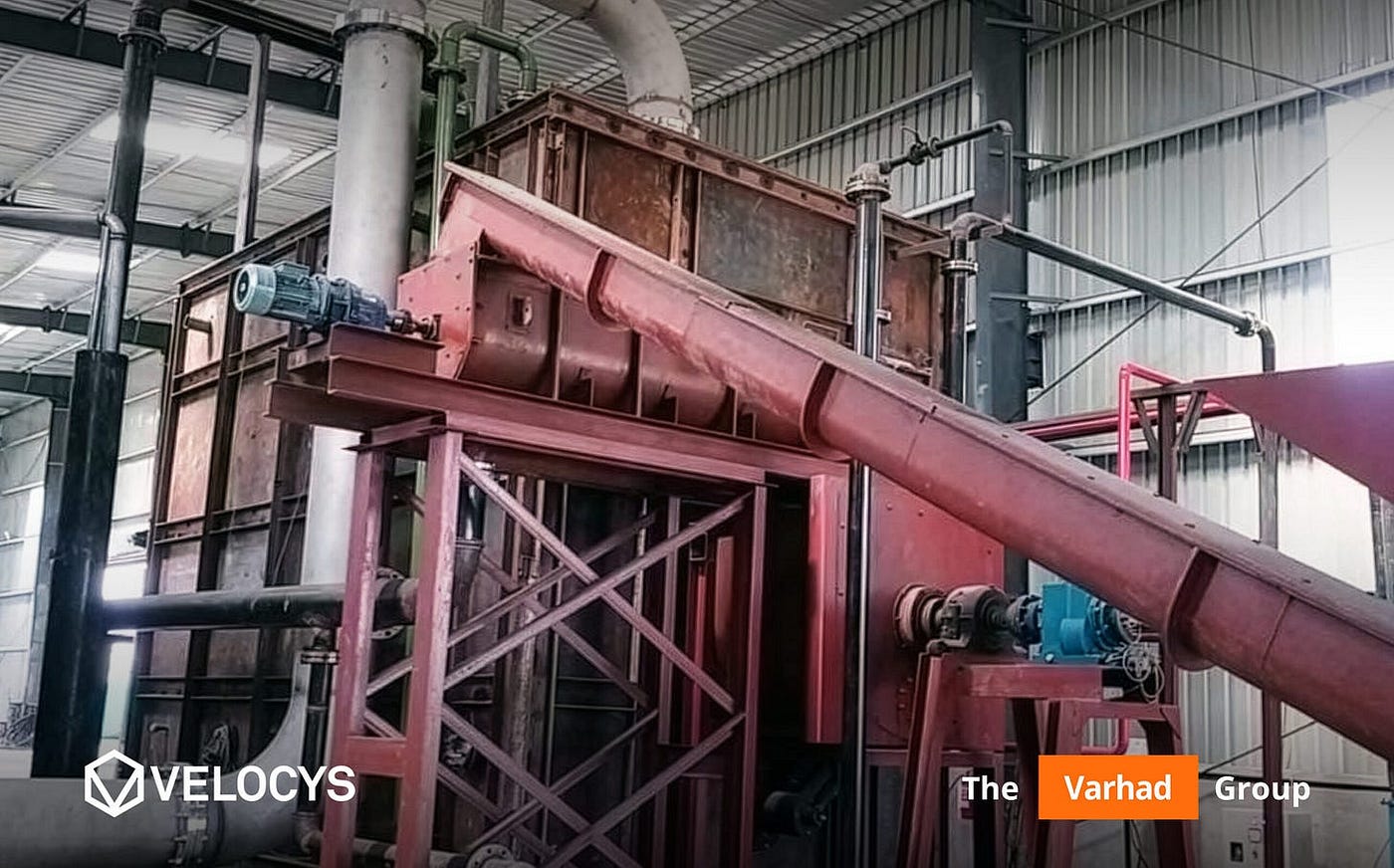
Altitude Backs Indian Biochar Supply: Altitude has committed to procure more than 425,000 tonnes of CO₂ Removal Certificates from Engrow Carbon Energy Pvt Ltd’s biochar facilities in southern India. The credits are expected on Puro.earth or equivalent methodologies, with Engrow using pyrolysis to convert agricultural residues into biochar CDR across multiple production sites. The signal for India’s farm-carbon market is clear: residue-based removals are now attracting large forward procurement. This suggests that durable CDR infrastructure may find stronger buyer support when the supply is verified and scalable.

🌾 In the World of Rice Carbon:
Rice Credits Get Aviation Demand Channel: ICAO’s Technical Advisory Board included Verra’s VM0051 rice methodology in CORSIA’s 2024–2026 and 2027–2029 phases, subject to eligibility conditions. The Verra Registry listed eight VM0051 projects, with an estimated annual issuance of more than 1.73 million carbon credits. This matters because crop-level credits are moving closer to compliance-linked demand rather than solely voluntary buying. The wider lesson for farm MRV is that methodology eligibility becomes more valuable when it connects to regulated demand.

🏭 In the World of CDR Accounting:
Switzerland Counts Industrial Carbon Removal: Switzerland reported industrial carbon dioxide removal in its 2024 greenhouse gas inventory submitted under the Paris Agreement framework. The case involved small volumes of biogenic CO₂ from biogas or sewage-gas upgrading facilities stored in demolished concrete through carbonation, not biochar. The bigger shift is accounting: removals are beginning to enter national inventories, not only buyer claims. This suggests climate strategies will face rising pressure to separate verified removals from broader sustainability narratives.

🌾 In the World of Agri Carbon:
Amazon Backs Indian Rice Credits: Amazon signed a $30 million, or about ₹280 crore, agreement with The Good Rice Alliance to buy carbon credits from Indian rice farmers. The initial crediting phase covers more than 685,000 metric tonnes of CO₂e credits from more than 13,000 smallholder farmers across more than 35,000 hectares. This is a strong signal for Indian smallholder carbon programmes built on training, field support, incentives, digital tools, and verification. Net-net, high-integrity farm MRV is becoming central to converting agronomic change into buyer-backed carbon value.

🔥 In the World of Biochar Standards:
Gold Standard Opens PARC Consultation: Gold Standard opened public consultation on PARC from 22 April 2026 to 22 May 2026 as its first biochar carbon dioxide removal methodology. PARC is designed as a pure carbon removal framework, excluding avoided-emissions crediting, with tracks for smallholders, mid-scale systems, and large commercial facilities. The smallholder track is commercially important because it recognises distributed kilns and digital MRV, both relevant to farm-residue systems. This suggests another standards pathway may emerge for biochar projects, but PARC should not be claimed as CORSIA eligible unless later confirmed.
⛰️ In the World of Indian CDR:
Alt Carbon Delivers ERW Credits: Alt Carbon delivered 2,500 verified carbon dioxide removal credits to Mitsui O.S.K. Lines from the “Darjeeling Revival: Alt × MOL” project. The India-based project uses enhanced rock weathering, with basalt powder spread across tea plantations and farmland in West Bengal, and MOL is scheduled to receive 10,000 tonnes in total. This shows India-origin CDR can move from an offtake promise to verified delivery for a hard-to-abate buyer. The inference is clear: credible verification can make Indian land-based removals commercially bankable.

🎋 In the World of Biochar Communities:
Meghalaya Bamboo Biochar Model Emerges: Compliance Kart describes a bamboo-to-biochar carbon credit initiative in Ri-Bhoi district, Meghalaya, involving ERBOFPC, MBMA, Compliance Kart, farmers, and bamboo suppliers. The project converts bamboo residues and offcuts into biochar for farmland application with ICAR Meghalaya and MEGNOLIA support. The relevance is the operating model: local biomass, community production, soil amendment, and planned carbon-credit revenue are being bundled. This suggests rural biochar models still need verified issuance and producer payments before economics are proven.

🌱 In the World of Soil Carbon:
Boomitra Payments Reach Ranchers: Boomitra’s Northern Mexico Grassland Restoration Project received Verra approval for 3.03 million credits and spans approximately four million acres across northern Mexico. The project involves 158 ranchers, with credits representing more than three million tonnes of CO₂e removed between 2019 and 2022. The important point is payment conversion after verification, with participating ranchers and local partners receiving at least 75% of gross carbon revenue. This suggests land-based carbon markets gain credibility only when verified credits become visible producer payments.

메타데이터
- post_id
- ac44b33656b8
- slug
- this-week-in-carbon-week-17-ac44b33656b8
- url
- https://medium.com/@media_66636/this-week-in-carbon-week-17-ac44b33656b8
- canonical_url
- https://medium.com/@media_66636/this-week-in-carbon-week-17-ac44b33656b8
- author_url
- https://medium.com/@media_66636
- status
- ok
- fetched_at
- 2026-06-12 18:14:10