How to Create a Calmer Home Without Changing Your Interior Design
Your home doesn’t need a complete makeover to feel calmer.
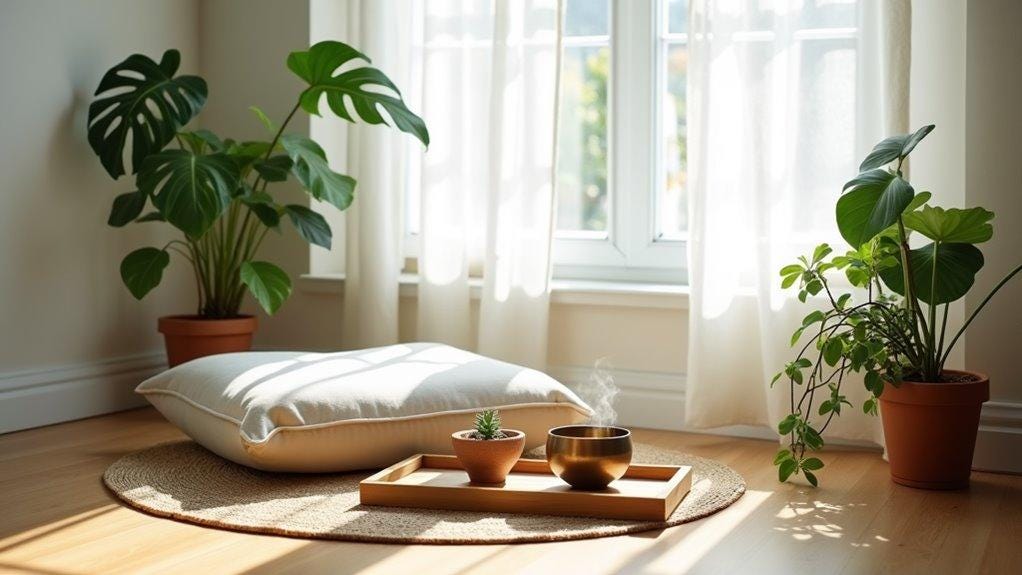
How to Create a Calmer Home Without Changing Your Interior Design
Your home doesn’t need a complete makeover to feel calmer.
You don’t need new furniture, expensive decorations, or a major renovation. Sometimes, the atmosphere of a home can change simply by adjusting the way you use the space you already have.
The way we experience our homes is influenced by much more than appearance. Light, sound, clutter, organization, textures, and even our daily routines can affect how comfortable and relaxed a space feels.
If your home sometimes feels overwhelming, busy, or difficult to relax in, the answer may not be to buy more things.
It may be to create less noise.
Here are several simple ways to make your home feel calmer without changing your interior design.
1. Give Everything You Use a Place
One of the easiest ways to make a home feel calmer is to reduce the number of things that are constantly looking for a place to belong.
Keys on the kitchen counter.
Clothes on a chair.
Packages near the entrance.
Chargers next to the sofa.
Small objects that move from one surface to another every day.
None of these things seem important individually, but together they can create a constant feeling of unfinished tasks.
Try giving the items you use every day a specific place.
Create a small area for keys. Keep everyday essentials near the entrance. Use a basket for things that usually end up on the floor or on tables.
The goal isn’t perfect organization.
The goal is to make your home easier to maintain.
When everything has a place, putting things away becomes a simple habit instead of another task you have to think about.
2. Create One Visually Quiet Area
You don’t have to declutter your entire home.
Instead, choose one area that you see frequently and make it visually quiet.
It could be your bedside table, coffee table, desk, or a shelf in your living room.
Remove anything that doesn’t need to be there.
Keep only a few objects that are useful or meaningful to you.
This small change can make the entire room feel more spacious.
A visually quiet area also gives your eyes a place to rest. In a home filled with objects, patterns, screens, and decorations, a little empty space can feel surprisingly refreshing.
You don’t need to become a minimalist.
You simply need to create a little breathing room.
3. Let Natural Light Into Your Home
Light can completely change the feeling of a room.
During the day, open your curtains or blinds and let as much natural light into your home as possible.
Natural light can make a space feel brighter, more open, and more welcoming.
If your room is naturally dark, try keeping the area around your windows clear. Heavy furniture or too many decorations near a window can make a space feel more closed in.
You can also use mirrors to reflect light and make smaller rooms feel more open.
The goal is simple: make the most of the light you already have.
You don’t always need new lighting to change the atmosphere of a room.
Sometimes, you just need to remove what is blocking the light.
4. Make Your Home Feel Better in the Evening
A home can feel completely different at night.
The bright lights you need during the day aren’t necessarily the lights that help you relax in the evening.
Try creating a softer atmosphere as the day comes to an end.
Turn off unnecessary overhead lights. Use a smaller lamp. Light a candle. Reduce the brightness of screens.
These simple changes can create a clear transition between daytime activity and evening relaxation.
Your home should be able to change with you throughout the day.
Bright and energetic in the morning.
Focused during the day.
Warm and peaceful in the evening.
You don’t need a complicated routine.
Even changing the lighting can help signal that it is time to slow down.
5. Create a Space for One Thing
Many areas in our homes have multiple purposes.
The dining table becomes a workspace.
The sofa becomes a place for scrolling.
The bedroom becomes an office.
The floor becomes a storage area.
When every space is used for everything, it can become difficult for your mind to switch off.
Try creating one small area that has one clear purpose.
It could be a reading corner.
A place for stretching.
A small meditation space.
A comfortable chair where you drink your morning coffee.
Even a yoga mat in a dedicated corner can create a simple visual reminder to slow down and move your body.
The space doesn’t have to be large.
What matters is that you know what the space is for.
When you enter that area, your brain begins to associate it with a specific activity.
Over time, this can make it easier to relax, read, stretch, or simply take a break.
6. Reduce Background Noise
A calm home isn’t only about what you see.
It’s also about what you hear.
Television playing in the background.
Constant phone notifications.
Music that never stops.
Traffic outside.
Electronic sounds from different devices.
Sometimes, we don’t realize how much background noise we experience until everything becomes quiet.
Try creating small periods of silence during your day.
Turn off the television when nobody is watching it.
Put your phone on silent for a while.
Open a window and listen to the natural sounds outside.
You don’t need complete silence all day.
Even a few quiet minutes can make your home feel different.
Silence gives your mind a chance to slow down.
7. Use Textures to Make a Space Feel More Comfortable
Comfort isn’t only visual.
The textures around you also influence how a space feels.
Soft blankets.
Natural fabrics.
Wood.
Cork.
Woven baskets.
Linen.
Cotton.
Plants.
Combining different textures can make a room feel warmer and more inviting without changing the furniture.
You don’t need to add many decorative objects.
Instead, focus on how the things you already have feel and function.
A soft blanket on a chair can make it more inviting.
A natural woven basket can make storage feel more intentional.
A comfortable mat can turn an empty corner into a space for stretching, yoga, or quiet movement.
Small details can make a practical space feel more personal.
8. Keep Your Wellness Routine Visible
One of the biggest challenges with healthy habits is remembering to do them.
If your yoga mat is hidden at the back of a cupboard, you have to think about getting it out before you can start.
If your resistance bands are buried in a drawer, they are easy to forget.
Keeping the things you use regularly visible and accessible can remove one small obstacle between you and your routine.
This doesn’t mean your home needs to look like a gym.
Choose one small area where your wellness essentials can stay organized.
A yoga mat.
A block.
Resistance bands.
Ankle weights.
A small basket for accessories.
When everything is ready, starting becomes easier.
Sometimes, the best way to build a better routine is to make the first step incredibly simple.
9. Don’t Try to Make Your Home Perfect
There is a difference between a beautiful home and a home that feels good to live in.
A perfectly styled room may look impressive in a photograph, but real homes are used every day.
There will be dishes.
There will be laundry.
There will be things left on the table.
That doesn’t mean your home has failed.
A calm home isn’t a home without mess.
It is a home where you can recover from the mess without feeling overwhelmed by it.
Focus on creating systems that work for your real life.
Choose organization that is easy to maintain.
Keep things you actually use.
Leave enough empty space to make everyday life easier.
Your home should support you, not give you another list of things to manage.
Your Home Should Help You Slow Down
Creating a calmer home isn’t about following a specific interior design style.
It isn’t about minimalism, expensive furniture, or having a perfectly decorated room.
It is about creating an environment that makes your everyday life feel a little easier.
A clear surface.
A quiet corner.
Softer lighting.
A comfortable place to stretch.
Natural textures.
Less background noise.
These small changes can gradually transform the way you experience your home.
And perhaps the most important thing is that none of them require a complete redesign.
You can start today.
Choose one small area.
Remove one unnecessary distraction.
Create one space that makes you feel good.
Then let that small change become part of your everyday routine.
Final Thoughts
A calmer home doesn’t have to look perfect.
It simply needs to give you space to breathe.
When your surroundings are easier to manage, your routines become easier to maintain. When your home feels comfortable, it becomes easier to slow down, rest, move, and reconnect with yourself.
You don’t need to change everything.
Start with one small corner.
Sometimes, that’s enough to change the way your entire home feels.
🌿 Create a Home That Supports Your Well-Being
Looking for simple ways to create a more comfortable space for movement, relaxation, and everyday wellness?
Discover yoga mats, resistance bands, yoga blocks, ankle weights, and other home workout essentials at Domviva.
👉 Explore Home Workout & Wellness Essentials: https://www.domviva.si/collections/izdelki-za-vadbo
For more inspiration about creating a comfortable home, wellness routines, and mindful living:
👉 Visit Domviva: https://www.domviva.si
메타데이터
- post_id
- ac8b05f3eb66
- slug
- how-to-create-a-calmer-home-without-changing-your-interior-design-ac8b05f3eb66
- url
- https://medium.com/@viadellamoda10_2977/how-to-create-a-calmer-home-without-changing-your-interior-design-ac8b05f3eb66
- canonical_url
- https://medium.com/@viadellamoda10_2977/how-to-create-a-calmer-home-without-changing-your-interior-design-ac8b05f3eb66
- author_url
- https://medium.com/@viadellamoda10_2977
- status
- ok
- fetched_at
- 2026-07-27 13:32:51