How to Monetize an AI Diet Planner App: Proven Revenue Strategies
Artificial intelligence has fundamentally changed what a diet planning app can deliver. Unlike older versions that could provide only…
How to Monetize an AI Diet Planner App: Proven Revenue Strategies

Artificial intelligence has fundamentally changed what a diet planning app can deliver. Unlike older versions that could provide only generalized calorie calculators and preset meal plans, the current breed of AI-based dietary planning applications can create customized meal plans according to one’s health history, allergies, metabolism, and biometric readings from wearables. This revolution has brought with it an equally great opportunity for revenue generation, but again only if the app is monetized correctly at the outset.
This guide is written for healthcare startup founders, product owners, and businesses exploring AI diet planner app development. Whether you are pre-launch or already have users, you will find a clear breakdown of every monetization model that works, which one to start with, and how your app’s feature set directly determines your revenue ceiling.
The AI Diet Planner App Market Opportunity Is Bigger Than Most People Realize
Before diving into revenue models, it helps to understand why the timing is exceptionally strong right now.
The convergence of three trends is creating a rare window: AI personalization has matured enough to deliver genuinely useful dietary guidance; wearable adoption has crossed the mainstream threshold; and post-pandemic health awareness has permanently raised consumer willingness to pay for digital health products.
According to Market.us, the global AI-driven meal planning apps market is projected to grow from USD 972.1 million in 2024 to USD 11.57 billion by 2034. When you sit at the intersection of AI and nutrition, two of the fastest-growing verticals in consumer tech, you are not competing for scraps. You are building in a space with compounding tailwinds.
For businesses looking at nutrition app development, the user base is equally diverse: fitness enthusiasts, diabetics managing carb intake, elderly care facilities monitoring meal plans, and corporate wellness programs buying in bulk. Each segment has a different willingness to pay, and a smart monetization strategy accounts for all of them.
7 Proven Ways to Monetize Your AI Diet Planner App and Build Sustainable Revenue
Your monetization strategy should be as intelligent as your app. Here are the models that deliver real, compounding revenue.
Monetization Model 1: Subscription Tiers (The Backbone of Sustainable Revenue)
If you only pick one model, make it subscription. It is the most predictable, most scalable, and most investor-friendly revenue stream available for a diet planner app.
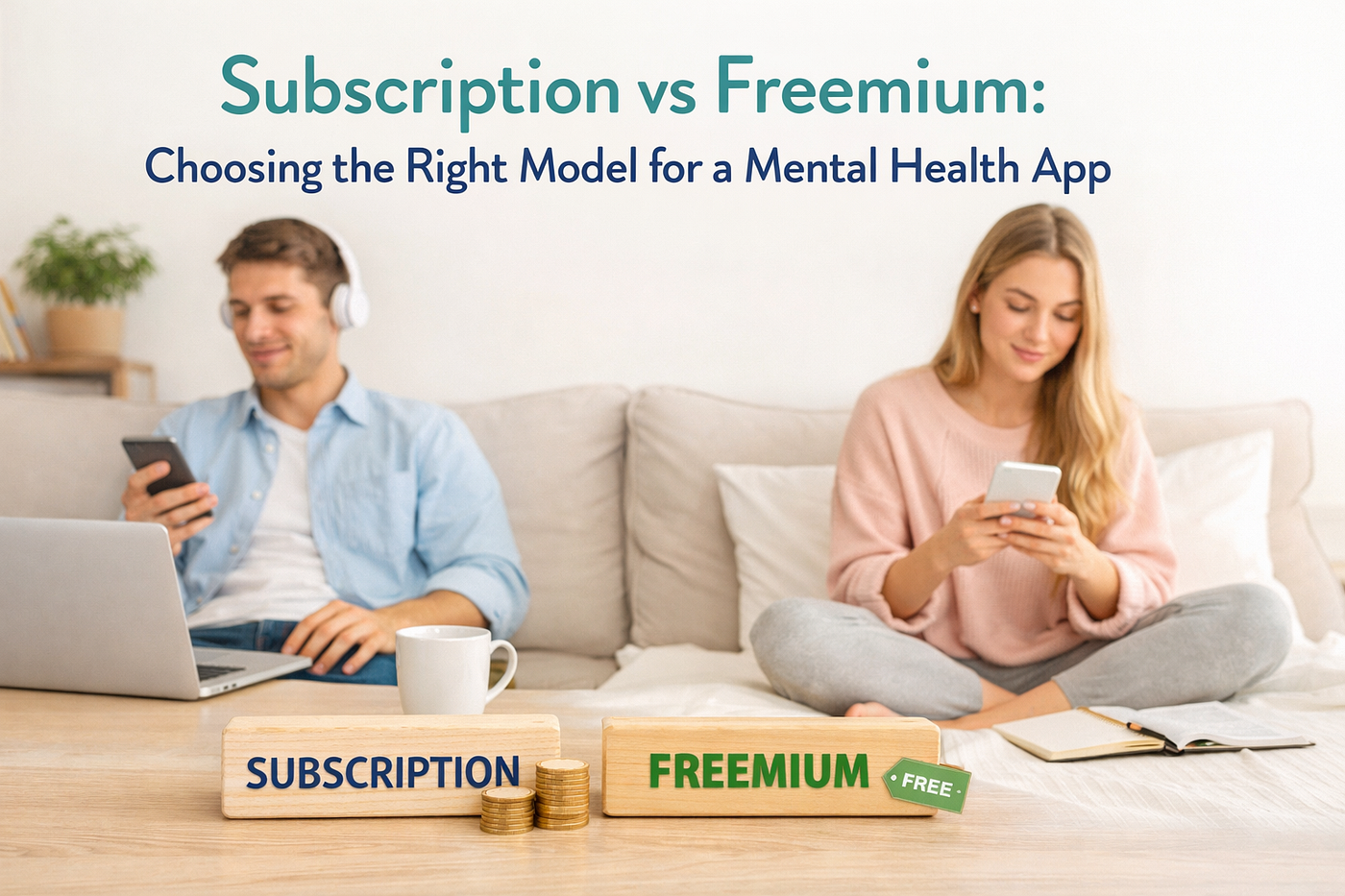
- The structure that works best is a freemium-to-paid funnel. Offers a genuinely useful free tier basic calorie tracking, a week of sample meal plans, and food logging.
- Most nutrition apps follow a subscription-based model, with monthly and annual plans designed to create recurring revenue and improve user retention. Annual subscriptions are particularly valuable because they typically lead to higher customer lifetime value and lower churn rates.
- Users who commit to longer-term plans are more likely to stay engaged with the platform and continue using its features even during periods of reduced activity.
- AI-powered personalization of meal plans tuned to DNA data, food allergies and chronic conditions is the feature users will pay for. Generic calorie counters are free everywhere. Hyper-personalized AI guidance is not.
Monetization Model 2: In-App Purchases and Upsells
Subscriptions cover recurring revenue. In-app purchases (IAPs) capture one-time high-intent moments. The most effective IAP structures in AI diet apps are:
Specialized diet packs: A user on a standard subscription who gets diagnosed with Type 2 diabetes will pay a premium for a diabetic-specific meal plan module. The same logic applies to keto, vegan, Mediterranean, postpartum recovery, and allergy-specific diet programs. These packs sell because solving a specific, urgent problem that a general subscription does not fully address.
AI-generated custom recipe collections: Allow users to purchase curated recipe sets, high-protein breakfasts under 400 calories, five-ingredient dinners, and batch-cooking meal preps. These are low-cost to produce and high-perceived-value to users.
One-time feature purchases: Provide users with the option to permanently unlock selected premium features through a one-time payment. This approach appeals to users who prefer avoiding ongoing subscriptions while still gaining access to valuable tools and functionality.
The key is not to overwhelm users with purchase prompts. A well-timed, contextually relevant upsell is often far more effective than repeatedly interrupting users with promotional prompts.
Monetization Model 3: B2B Licensing and White-Label Deals
This is the most underutilized monetization channel in the health app space, and it is where the largest contract values live. Corporate wellness programs, hospital chains, dietitian clinics, gym chains, and elderly care facilities all need nutrition technology but most do not have the resources to build it. We will have to pay a monthly or annual SaaS fee to license a proven platform.
For businesses already investing in AI nutritionist app development, the B2B angle is especially powerful. Nutritionist clinics and telehealth platforms are actively looking for AI tools their practitioners can use to manage multiple clients, generate diet plans automatically, and track progress at scale. Position your platform as their infrastructure, not their competition.
Monetization Model 4: Brand Partnerships and Affiliate Revenue
Brand partnerships feel like a feature, not an ad. Done wrong, it destroys user trust instantly. The right approach is contextual, opt-in integration. When a user’s meal plan calls for almond flour, your app can surface a partnered brand’s product with a discount code.
Revenue structures in this category include:
- Affiliate commissions from grocery delivery apps when users purchase ingredients from an in-app shopping list.
- Sponsored content is branded meal plans or recipe series from nutrition companies, clearly labeled as sponsored.
- Cross-promotions with fitness trackers and wearables, earning a referral commission when users purchase IoT devices recommended inside your app.
Every partnership recommendation must be editorially defensible. If your AI is suggesting a product because it is the best fit for a user’s nutritional profile, that is a good recommendation.
Monetization Model 5: Nutritionist Marketplace (Commission-Based)
One of the highest-converting monetization additions for a mature AI diet planner app is a built-in marketplace connecting users with human nutritionists and dietitians.
- AI handles the day-to-day meal planning and tracking. But users who want a real consultation before starting a new protocol, after a health diagnosis, or simply for accountability will pay for access to a certified professional.
- Your app earns a commission on every booked session, typically 15 to 25% of the consultation fee. The nutritionist gets a platform and a pre-qualified client. The user gets expert guidance without leaving the app.
- This model also creates a natural upgrade path: free users → paid subscribers → consultation clients. Each step has a higher LTV, and each step is motivated by something the previous tier could not provide.
Monetization Model 6: In-App Advertising
Advertising should be a secondary revenue stream, not a primary one, in any health-focused application. The reason is psychological. Users sharing their medical history, food allergies, and chronic conditions with your app are in a high-trust relationship.
If you do use advertising, the only formats worth deploying are:
- Native ads that match the editorial format of the app (a sponsored recipe that looks and reads like a regular recipe, clearly labeled)
- Interstitial ads shown only to free-tier users, never to paying subscribers
- Health and wellness vertical ad networks rather than generic display networks, to maintain topical relevance
Ad revenue in health apps typically averages $2–$5 CPM, which makes it a thin revenue stream compared to subscriptions. Treat it as a monetization layer for your free tier, not a business model.
Monetization Model 7: Anonymized Data Licensing
This is a long-game play, available only once your app has reached significant scale and has invested in the necessary compliance infrastructure. Aggregated, fully anonymized nutrition data, dietary trends by region, deficiency patterns by demographic and correlation between meal plans and health outcomes are valuable to companies.
The critical requirement is full HIPAA compliance. If your app operates in the US, monetizing any health-related data without the correct legal framework exposes you to significant liability. This means investing in HIPAA-compliant app development from day one, not as an afterthought once you decide to pursue this model.
Handled correctly, data licensing can become a meaningful revenue stream at scale. But it requires both an ethical framework and legal counsel before any data product goes to market.
When to Activate Each Revenue Stream — A Stage-by-Stage Monetization Roadmap
Not every monetization model belongs at every stage. Activating the wrong revenue stream too early creates friction that kills growth. Activating it too late leaves money on the table. Here is the sequence that works:
Stage 1: Pre-Launch to 1,000 Users: Validate Before You Monetize
Focus entirely on freemium and subscription. One clear free tier. One clear paid tier. Nothing else. Your only goal at this stage is proving that users will pay, not how many ways they can pay.
Stage 2: 1,000 to 10,000 Users: Layer in Purchases and Partnerships
Once subscription conversion is stable, introduce specialized in-app purchases diet packs, custom recipe collections and one-time feature unlocks. Begin B2B licensing conversations with gyms, clinics, and corporate wellness buyers in your existing network. First brand partnership discussions can start here.
Stage 3: 10,000 to 100,000 Users: Diversify Aggressively
This is where the full monetization stack makes sense. Activate the nutritionist marketplace, scale affiliate partnerships, and formalize B2B licensing with enterprise pricing. Advertising can be used as a secondary layer for free-tier users, never for paying subscribers.
Stage 4: 100,000+ Users: Unlock Data Licensing
With significant scale and full HIPAA compliance in place, anonymized data licensing becomes a viable and high-margin revenue stream. This is the stage where your app transitions from a product into a platform.
The roadmap is sequential for a reason. Each stage builds the user trust, product maturity, and operational infrastructure the next stage requires.
Which AI Features Drive the Most Revenue?
Your monetization ceiling is set by your product architecture. Apps built with the right AI features from the start have significantly more revenue levers to pull.
The features that directly impact monetization in a well-built AI diet planner include:
Personalized AI meal recommendations: The primary driver of subscription conversion and retention. Users who receive genuinely accurate, personalized guidance churn at a fraction of the rate of users on generic plans.
Real-time nutrition analysis and food image recognition: High-engagement features that justify premium pricing and create daily active usage habits, which correlate strongly with reduced churn.
Dynamic revenue modelling dashboard for admins: The ability to adjust monetization strategies, run pricing experiments, and track revenue per user segment in real time. This is an operational feature, but it directly impacts how efficiently you can optimize earnings.
IoT and wearable integrations: Apps that connect with fitness trackers, smart scales, and continuous glucose monitors create ecosystem lock-in. Users who integrate four or more devices are significantly less likely to churn.
AI chatbot for nutritional Q&A: Reduces support costs while increasing daily engagement. An in-app AI chatbot that answers questions about meal plans, macros, and dietary adjustments keeps users in the app instead of searching Google.
Understanding the full AI development cost for these features upfront helps founders plan their monetization timeline realistically. Apps that cut corners on AI personalization during development often find that their core monetization lever premium subscriptions underperforms because the product is not differentiated enough to command a premium price.
The Right Monetization Stack for Most AI Diet Planner App Startups
Not every model applies to every stage. Here is a practical framework:
Pre-launch to 1,000 users: Focus entirely on freemium + subscription. Validate what users will pay before adding complexity. Keep the free tier genuinely useful but clearly inferior to the paid tier.
1,000 to 10,000 users: Add IAPs for specialized diet packs. Begin outreach for B2B licensing conversations with gyms or corporate wellness programs in your network.
10,000+ users: Layer in brand partnerships, a nutritionist marketplace, and contextual affiliate integrations. These channels require scale to generate meaningful revenue.
Data licensing: Only pursue this after reaching 100,000+ active users and completing a full HIPAA compliance audit.
The most common mistake founders make is trying to activate all seven models at once. Complexity kills execution. Nail subscriptions first, everything else builds on that foundation.
Common AI Diet Planner App Monetization Mistakes to Avoid
Launching paid-only: Without a free tier, user acquisition costs become unsustainably high. Health app users want to try before they commit.
Over-relying on ads: If advertising is your primary revenue model, you are incentivized to maximize impressions over user outcomes. That misalignment erodes the product over time.
Ignoring LTV: Acquiring a user for $8 and losing them in week two is not a business. Retention is the metric that determines whether your monetization model actually works.
Skipping localization: Pricing in USD only cuts you off from high-growth markets in Southeast Asia, the Middle East, and Latin America, all of which have growing health-conscious middle classes.
Not building a revenue modeling dashboard from day one: If you cannot see your revenue per user segment in real time, you are optimizing blind.
Lessons From Top-Grossing Nutrition Apps — MyFitnessPal, Noom, and Lifesum
The most instructive monetization lessons do not come from theory, they come from apps already generating hundreds of millions in annual revenue.
MyFitnessPal: The Power of Scale Before Monetization
MyFitnessPal built one of the largest free user bases in health tech before aggressively monetizing. The result was a premium subscription tier with an enormous conversion pool. The lesson: a genuinely useful free product is not a cost center, it is your most efficient acquisition channel. MyFitnessPal was acquired by Under Armor, largely on the strength of that user base.
Noom: Charging a Premium by Solving a Premium Problem
Noom charges significantly more than most nutrition apps, upwards per month, and retains users by combining AI-driven coaching with real human psychology support. The lesson: users will pay a high price when the perceived outcome is life-changing, not just convenient. Positioning your AI diet planner around a specific, high-stakes health outcome: weight loss, diabetes management, post-surgery recovery justifies premium pricing that generic apps cannot command.
Lifesum: Partnerships as a Growth Engine
Lifesum built a significant portion of its revenue not through direct subscriptions alone, but through strategic partnerships with Samsung Health, Spotify, and grocery retailers. The lesson: distribution partnerships are monetization. Getting your app embedded in a platform your users already trust dramatically reduces acquisition costs while increasing affiliate and licensing revenue simultaneously.
The common thread across all three is intentionality. None of them stumbled into revenue, each made deliberate product and positioning decisions early that their monetization strategy was built on top of.
Build AI Diet Planner App to Monetize From Day One
The apps that generate sustainable revenue from AI diet planning are not the ones with the cleverest marketing. These are the ones built with monetization logic baked into the product architecture, the right AI features, the right user flows, the right admin tools.
If you are serious about building an app that earns at scale, the conversation starts with your development partner. Suffescom’s team specializes in AI diet planner app development with a full-stack approach that accounts for your revenue model, not just your feature list.
Every architecture decision made during development either expands or limits your monetization options. Make those decisions with someone who has built revenue-generating health apps before.
Frequently Asked Questions
Q1. What is the best monetization model for an AI diet planner app?
The subscription model is the most reliable starting point for most AI diet planner apps. It generates predictable recurring revenue, scales with your user base, and pairs well with a freemium tier that lowers the barrier to acquisition. As the app grows, layering in B2B licensing and brand partnerships creates a more diversified and resilient revenue stack.
Q2. Which company is best for AI diet planner app development?
Choosing the right development partner is as important as choosing the right monetization model. From personalized meal planning algorithms to HIPAA-compliant data architecture and B2B admin dashboards, Suffescom builds apps designed to generate revenue from day one, not just function correctly. If you are evaluating development partners, explore Suffescom’s AI diet planner app development services to see what a revenue-first build looks like in practice.
Q3. When should I start thinking about monetization during app development?
From day one. Monetization strategy should directly inform your product architecture, not be bolted on after launch. Decisions made during AI diet planner app development, which features go behind a paywall, how the admin dashboard is built, whether HIPAA compliance is integrated all determine how effectively you can generate revenue later.
Q4. Can Suffescom help me build and monetize a diet and nutrition app from scratch?
Absolutely. Suffescom works with founders and businesses at every stage from MVP planning to full-scale development and post-launch optimization. Whether you need a consumer-facing subscription app, a white-label B2B platform, or a complete diet and nutrition app built for clinical providers, the team has the technical depth and domain expertise to deliver it. Book a free consultation and walk away with a clear product and monetization roadmap, no commitment required.
Q5. Is a freemium model worth it for a diet planner app?
Yes, for most consumer-facing apps. A well-designed freemium tier lowers user acquisition costs, builds trust before asking for payment, and creates a funnel for subscription conversion. The key is gating the right features, AI personalization, advanced meal planning, and wearable integrations should sit behind the paywall, while basic food logging and calorie tracking can remain free.
Q6. How does B2B licensing work for an AI diet planner app?
B2B licensing means selling access to your platform to businesses, gyms, hospitals, corporate wellness programs, dietitian clinics, rather than individual users. These clients pay a monthly or annual SaaS fee to deploy your app under their own brand or integrate it into their existing services. It is one of the highest-value monetization channels available because a single enterprise contract can equal thousands of individual subscriptions in annual revenue.
Q7. What features of an AI diet planner app have the biggest impact on revenue?
The features that most directly drive monetization are AI-powered personalized meal recommendations, real-time nutrition analysis, food image recognition, and wearable device integrations. These are the capabilities users consistently pay a premium for because they cannot be replicated by free alternatives.
메타데이터
- post_id
- acc41e304651
- slug
- monetize-ai-diet-planner-app-acc41e304651
- url
- https://mobileappcircular.com/monetize-ai-diet-planner-app-acc41e304651
- canonical_url
- https://mobileappcircular.com/monetize-ai-diet-planner-app-acc41e304651
- author_url
- https://medium.com/@taposh.paul
- status
- ok
- fetched_at
- 2026-06-14 11:28:49