The Complete Guide to Heart Health: Blood Pressure, Cholesterol & Long-Term Wellness
Heart health affects nearly every part of the body. From energy levels and circulation to brain function and long-term mobility, the heart…

The Complete Guide to Heart Health: Blood Pressure, Cholesterol & Long-Term Wellness
The Complete Guide to Heart Health: Blood Pressure, Cholesterol & Long-Term Wellness
Heart health affects nearly every part of the body. From energy levels and circulation to brain function and long-term mobility, the heart works continuously to keep us alive and functioning. Yet cardiovascular disease remains one of the leading causes of death worldwide.
Across the United States, UK, Canada, Australia, Europe, and beyond, millions of people live with conditions such as high blood pressure, high cholesterol, heart disease, or circulation problems — often without realizing the risks until complications appear.
The encouraging news is that many heart-related conditions are preventable, manageable, and treatable through a combination of lifestyle changes, preventive care, and proper medication management.
This guide explains the foundations of heart health, how blood pressure and cholesterol affect the body, and the practical steps people can take to protect long-term cardiovascular wellness.
1. Why Heart Health Matters
Your heart is responsible for pumping oxygen-rich blood throughout the body.
Healthy circulation supports:
- Brain function
- Kidney health
- Muscle performance
- Energy levels
- Organ function
When the heart or blood vessels become damaged, narrowed, or strained, it can increase the risk of:
- Heart attacks
- Stroke
- Kidney disease
- Poor circulation
- Heart failure
Many cardiovascular problems develop slowly over years, making prevention especially important.
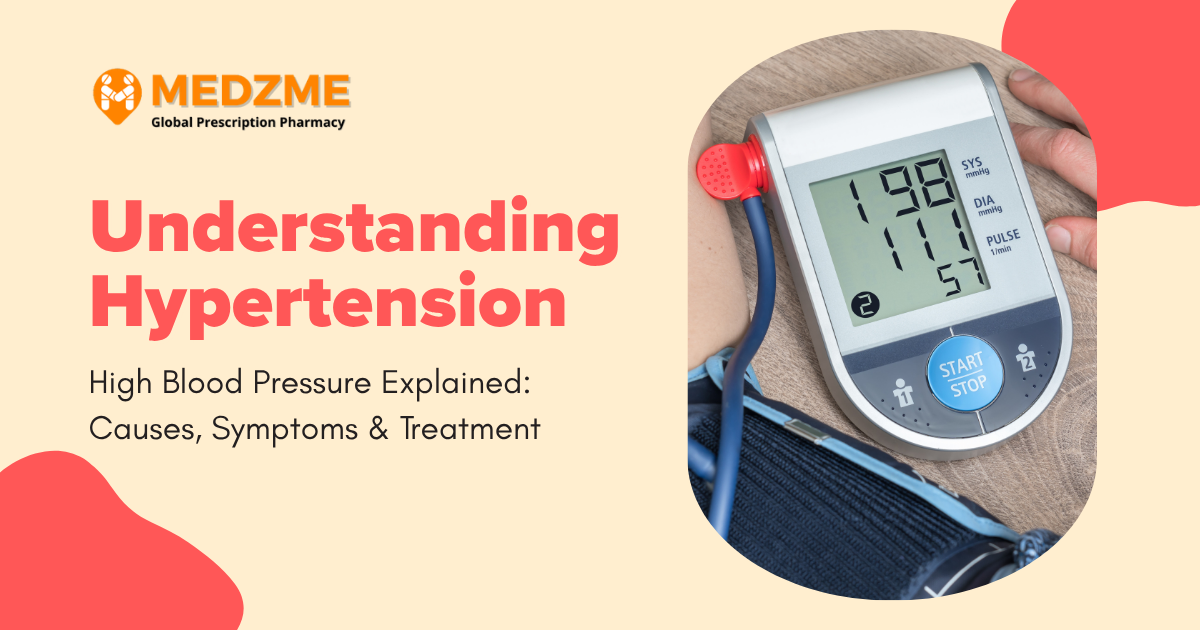
2. Understanding High Blood Pressure (Hypertension)
Blood pressure measures the force of blood pushing against artery walls.
When blood pressure stays consistently high, the heart must work harder to circulate blood.
Over time, uncontrolled hypertension can damage:
- Blood vessels
- Heart muscle
- Kidneys
- Eyes
- Brain
High blood pressure is often called the “silent killer” because many people experience no symptoms until complications occur.
3. Common Risk Factors for High Blood Pressure
Several lifestyle and genetic factors increase the risk of hypertension.
These include:
- High salt intake
- Obesity
- Physical inactivity
- Smoking
- Excess alcohol consumption
- Chronic stress
- Family history
- Aging
- Diabetes
Even individuals who feel healthy may have elevated blood pressure without knowing it.
Regular screening is essential.
4. Understanding Cholesterol
Cholesterol is a fatty substance that the body needs in small amounts for hormone production and cell function.
However, excess cholesterol can build up in arteries and reduce blood flow.
There are different types of cholesterol:
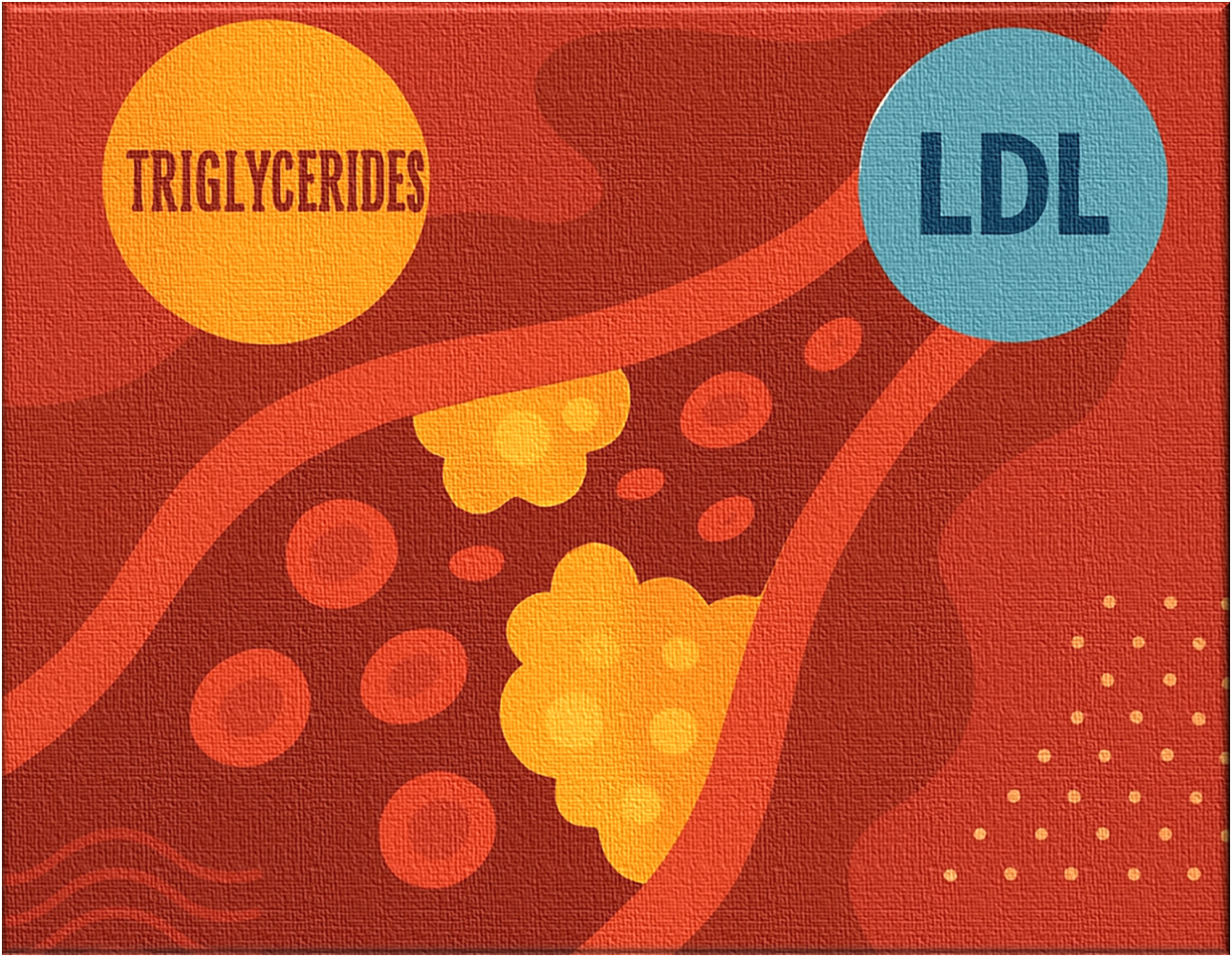
LDL Cholesterol (“Bad” Cholesterol)
High LDL levels contribute to plaque buildup in arteries.
HDL Cholesterol (“Good” Cholesterol)
HDL helps remove excess cholesterol from the bloodstream.
Triglycerides
These are another type of fat in the blood that may increase cardiovascular risk when elevated.
5. How High Cholesterol Affects the Body
When cholesterol builds up inside arteries, it creates plaque.
Over time, arteries may:
- Narrow
- Harden
- Become blocked
This increases the risk of:
- Heart attack
- Stroke
- Peripheral artery disease
Because cholesterol buildup occurs gradually, many people do not realize there is a problem until significant damage has occurred.
6. Medications Commonly Used for Heart Health
Many patients require medications to reduce cardiovascular risk and protect long-term health.
Blood Pressure Medications
These help lower pressure inside blood vessels.
Common categories include:
- ACE inhibitors
- Beta blockers
- Calcium channel blockers
- Diuretics
Doctors choose medications based on individual health conditions and risk factors.
Cholesterol Medications (Statins)
Statins help reduce LDL cholesterol levels and lower cardiovascular risk.
They are commonly prescribed for:
- High cholesterol
- Diabetes patients
- People with previous heart events
- High-risk individuals
Blood Thinners and Antiplatelet Medications
Some patients require medications that reduce clot formation.
These may be used after:
- Heart attack
- Stroke
- Certain heart procedures
Proper medical supervision is essential because these medications affect bleeding risk.
7. Diet and Heart Health
Nutrition plays a major role in cardiovascular wellness.
Heart-friendly eating habits include:
- Reducing processed foods
- Limiting excessive salt intake
- Choosing healthy fats
- Increasing fiber intake
- Eating more fruits and vegetables
Foods that support heart health include:
- Oats and whole grains
- Nuts and seeds
- Fatty fish
- Olive oil
- Leafy greens
- Legumes
Balanced eating patterns help support healthy blood pressure and cholesterol levels.
8. Exercise and Cardiovascular Wellness
Regular movement strengthens the heart and improves circulation.
Benefits of exercise include:
- Lower blood pressure
- Improved cholesterol balance
- Better weight management
- Reduced stress
- Improved blood sugar control
Recommended activities include:
- Walking
- Swimming
- Cycling
- Light strength training
- Stretching and mobility exercises
Even moderate activity performed consistently can significantly improve heart health.
9. The Hidden Role of Sleep and Stress
Sleep and stress strongly influence cardiovascular health.
Poor sleep may:
- Raise blood pressure
- Increase inflammation
- Affect blood sugar regulation
Chronic stress may:
- Elevate cortisol levels
- Increase heart rate
- Contribute to hypertension
Stress-management techniques such as meditation, walking, deep breathing, and regular rest can support heart wellness.
10. Smoking, Alcohol & Heart Risk
Smoking damages blood vessels and significantly increases cardiovascular risk.
Effects include:
- Narrowed arteries
- Reduced oxygen delivery
- Increased clotting risk
Excessive alcohol intake may also:
- Raise blood pressure
- Increase triglycerides
- Affect heart rhythm
Reducing or eliminating these habits greatly improves long-term cardiovascular outcomes.
11. Weight Management and Heart Health
Excess body weight increases strain on the heart.
Weight management supports:
- Lower blood pressure
- Better cholesterol levels
- Improved blood sugar control
- Reduced inflammation
Even modest weight reduction can provide measurable cardiovascular benefits.
12. Global Challenges in Heart Health
Heart disease affects populations worldwide, but access to prevention and treatment varies significantly.
Common barriers include:
- High medication costs
- Limited preventive care
- Healthcare access disparities
- Delayed diagnosis
- Poor lifestyle awareness
Affordable access to essential medications and preventive education plays a major role in reducing global cardiovascular risk.
13. The Importance of Preventive Care
Many cardiovascular problems can be prevented or managed early.
Preventive steps include:
- Routine blood pressure checks
- Cholesterol testing
- Blood sugar monitoring
- Regular medical consultations
- Healthy lifestyle habits
Early intervention is often far more effective than treating advanced disease later.
Final Takeaway: Protecting Your Heart Protects Your Future
Heart health is built through daily habits, early awareness, and consistent care.
Key reminders:
✔ Monitor blood pressure and cholesterol regularly ✔ Stay physically active ✔ Follow a heart-friendly diet ✔ Take medications consistently if prescribed ✔ Prioritize sleep and stress management ✔ Avoid smoking and excessive alcohol
Small lifestyle improvements today can create major long-term health benefits.
Supporting Long-Term Heart Health
If you are managing blood pressure, cholesterol, or chronic cardiovascular conditions and need safe, affordable access to essential medications, trusted global pharmacy options can help support continuity of care.
메타데이터
- post_id
- acdcc29d39c0
- slug
- the-complete-guide-to-heart-health-blood-pressure-cholesterol-long-term-wellness-acdcc29d39c0
- url
- https://medium.com/@medzmepharmacy/the-complete-guide-to-heart-health-blood-pressure-cholesterol-long-term-wellness-acdcc29d39c0
- canonical_url
- https://medium.com/@medzmepharmacy/the-complete-guide-to-heart-health-blood-pressure-cholesterol-long-term-wellness-acdcc29d39c0
- author_url
- https://medium.com/@medzmepharmacy
- status
- ok
- fetched_at
- 2026-06-09 15:37:30