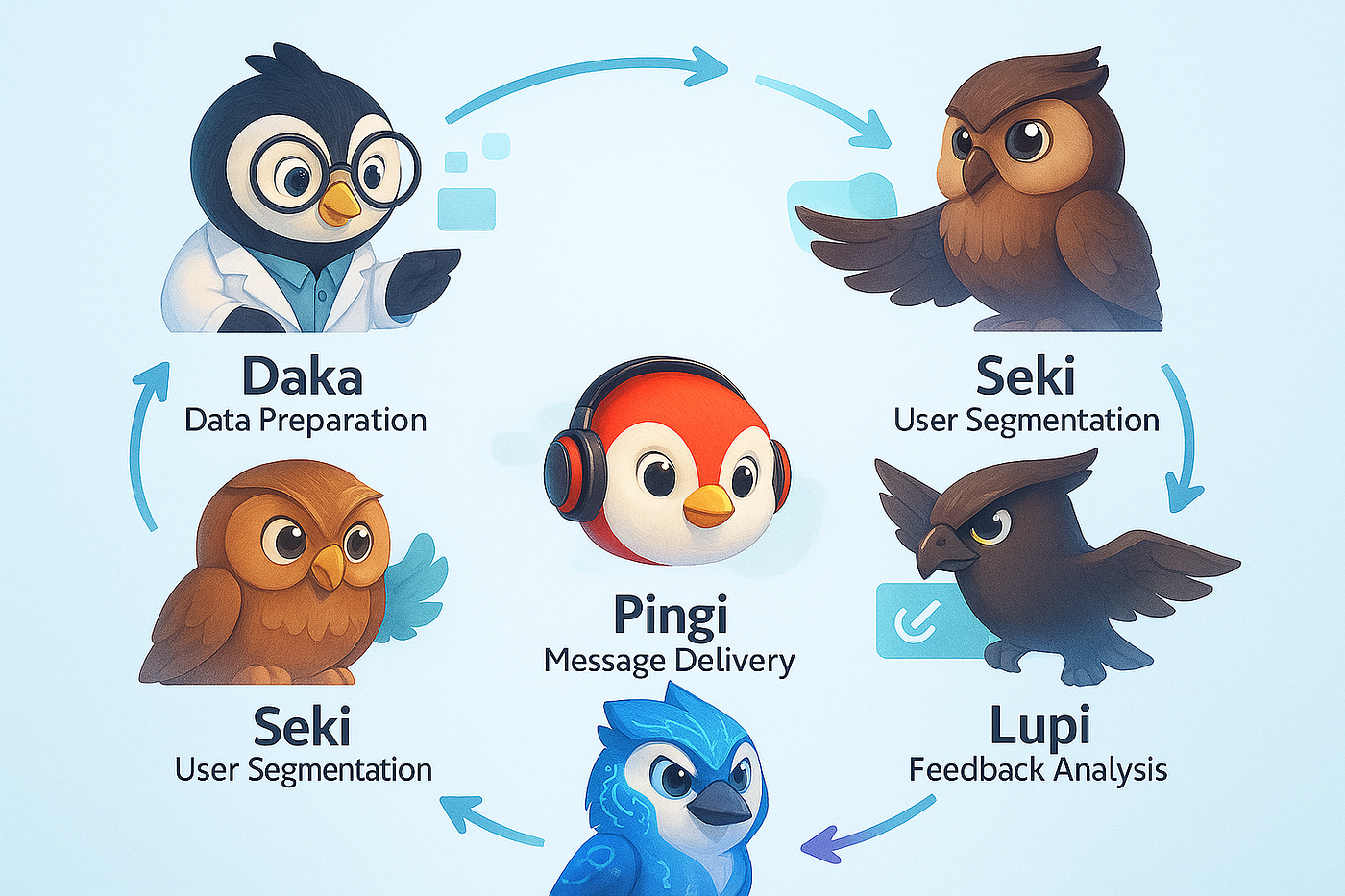
Why Most Telcos Get Digital CVM Wrong — And What We Did Differently
You can walk into any telecom boardroom today and hear it: “We need to strengthen our CVM engine.” “Let’s personalize offers.” “Push…
its about design not price
Why Most Telcos Get Digital CVM Wrong — And What We Did Differently
You can walk into any telecom boardroom today and hear it: “We need to strengthen our CVM engine.” “Let’s personalize offers.” “Push the churners. Upsell the high ARPU base.”
Customer Value Management (CVM) is the go-to strategy for growth, retention, and revenue. But here’s the uncomfortable truth:
Most CVM programs aren’t managing customer value at all. They’re managing the illusion of it — through a cycle of promotions, campaign fatigue, and static segmentation.
And that might have worked five years ago. But today? Not anymore.
The Death of Legacy CVM
In most telcos, traditional CVM still follows a familiar script:
- Segment users by tenure or ARPU
- Push out timed offers through SMS or push
- Track redemptions, rinse, repeat
The problem? It treats users as targets — not participants.
Today’s users don’t just want rewards. They want relevance. They expect digital experiences to learn, adapt, and evolve — just like every app they love.
That’s why we started moving from Legacy CVM to what we now call Digital CVM or App CVM.
What Is Digital CVM?
Digital CVM treats user engagement as a living system — not a static campaign.
It borrows the best of product thinking, behavioral science, and gamification to turn CVM into an experience users actually enjoy.
Working across multiple telcos in Asia and Africa, we tested this approach. And here’s what made the biggest difference:
How We Transformed CVM Into a Digital Experience
1. From ARPU Buckets → Behavioral Segments
We stopped segmenting based on how much users spent and started looking at how they behaved.
Did they complete tasks? Respond to streaks? Ignore certain nudges? We used behavior clusters to guide everything — from message tone to mission structure.
2. From Campaigns → Micro-Nudges
Instead of blasting offers once a month, we nudged users daily with small actions and instant rewards.
Think:
- “Complete 3 actions this week to unlock a bonus”
- “Top up today to reveal a surprise”
These weren’t just promos. They were personalized quests.
3. From Offer Catalogues → Adaptive Engines
No more sending “best offers” to everyone. Our engine evolved based on what each user clicked, skipped, or completed.
If they preferred surprises over certainty — we leaned into it. If they valued social proof — we showed what others earned.
We didn’t guess. We listened.
4. From Fixed Scores → Dynamic Value Systems
A user’s value changed as they interacted. We built models that tracked:
- Streaks and drop-offs
- Nudge sensitivity
- Intent-to-convert signals
- and more
This dynamic score shaped everything: the tone, timing, and type of challenge each user received.
The Impact? More Than Just Numbers
Yes, we saw:
- Higher engagement
- Better redemption quality
- Improved NPS among digitally active users
But more importantly, we earned attention with meaning.
Because instead of shouting at users with “deals,” we invited them into experiences — built just for them.
Redefining CVM for the App Era
If CVM is going to survive the next decade, it needs a reset.
Here’s our new working definition:
Digital CVM is the ongoing, adaptive design of user journeys that increase perceived value through behavior-based engagement.
It’s not about lifetime revenue anymore. It’s about lifetime relevance — showing up in the right way, every day.
Final Thought
Campaigns may drive clicks. But only digital journeys build trust.
And in a market where switching is one tap away, trust is the only advantage that lasts.
If you’re still running CVM from an Excel sheet or legacy platform, ask yourself:
What would CVM look like if it were built like an app?
That’s where the real value begins.
메타데이터
- post_id
- ad17bd0fedca
- slug
- why-most-telcos-get-digital-cvm-wrong-and-what-we-did-differently-ad17bd0fedca
- url
- https://medium.com/@nitinanand_2628/why-most-telcos-get-digital-cvm-wrong-and-what-we-did-differently-ad17bd0fedca
- canonical_url
- https://medium.com/@nitinanand_2628/why-most-telcos-get-digital-cvm-wrong-and-what-we-did-differently-ad17bd0fedca
- author_url
- https://medium.com/@nitinanand_2628
- status
- ok
- fetched_at
- 2026-06-27 07:40:21