Chayeh Sarah: Abraham — More Than Just a Wandering Shepherd
What we can learn from the interaction between Abraham and Ephron
Chayeh Sarah: Abraham — More Than Just a Wandering Shepherd
What we can learn from the interaction between Abraham and Ephron
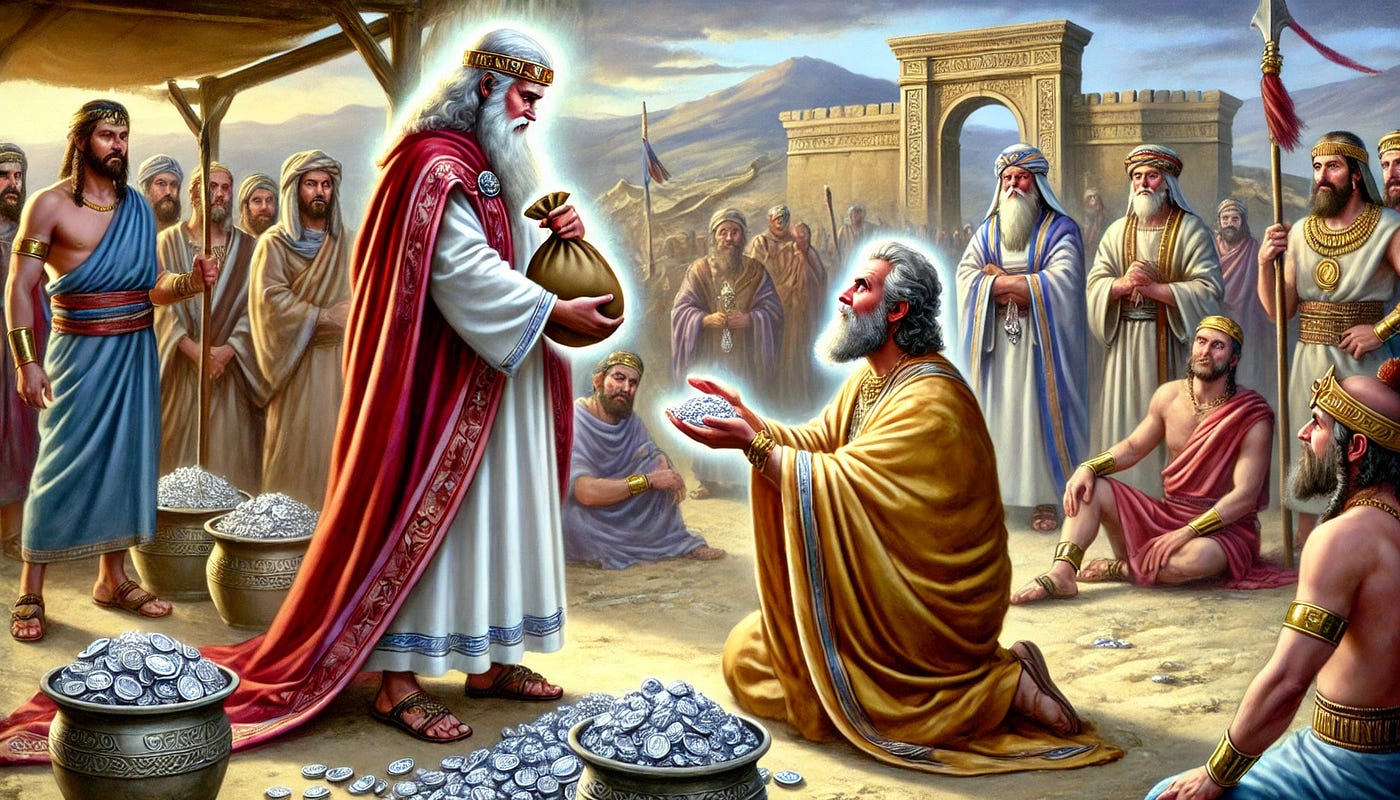
Image: AI generated by the author using DALL-E
Parashat Chayeh Sarah Genesis 23:1–25:18 1 Kings 1:1–31; John 4:3–14
The Torah portion Chayeh Sarah gives us insights into an often-overlooked side of Abraham. He is usually described as a wandering shepherd who travelled through Canaan with numerous cattle and silver, but was otherwise of little significance.
But history shows the opposite: Abraham was an impressive personality in his time. I would describe him as the Solomon of his era. What he lacked was merely the kingdom of Israel. The patriarch’s influence and position become particularly clear in his interaction with Ephron.
Abraham’s background: from idolatry to faith
Abraham first appears in the Torah in Genesis 12 as a central figure. There he is described as a 75-year-old man who is called upon by God to leave his father’s house and move to a new land:
Now the LORD had said unto Abram, Get thee out of thy country, and from thy kindred, and from thy father’ house, unto a land that I will shew thee:(Genesis 12:1, KJV)
However, Abraham’s prehistory is largely in the dark. Jewish tradition reports that his father Terah was a court official and idolater in the court of Nimrod.
His birth was presaged by a particular star alignment, which made him a foreshadowing of the Messiah. Nimrod’s astrologers alerted the ruler that Abraham might be a danger to him. Because of this, Terah hid his son in a cave.
Abraham turned away from his father’s idolatry and recognized the Creator of heaven and earth. He also spent some time with the well-known greats of their epoch, Shem and Eber, and learned more about God there. Abraham was a well-known personality early on and a threat to Nimrod’s empire.
Abraham in Canaan: From Nomad to Influential Figure
After his arrival in Canaan, Abraham received a promise from God:
And the LORD appeared unto Abram, and said, Unto thy seed will I give this land: and there builded he an altar unto the LORD, who appeared unto him. (Genesis 12:7, KJV — bolded by author).
Yet, Abraham was not a simple nomad. In Egypt, he was honored by the Pharaoh, who gave him rich gifts (Genesis 12:10–20). When Abraham later parted from Lot because their possessions were too great for them to live together, his strength was demonstrated: when Sodom was attacked, Abraham gathered 318 allies and freed Lot (Genesis 14).
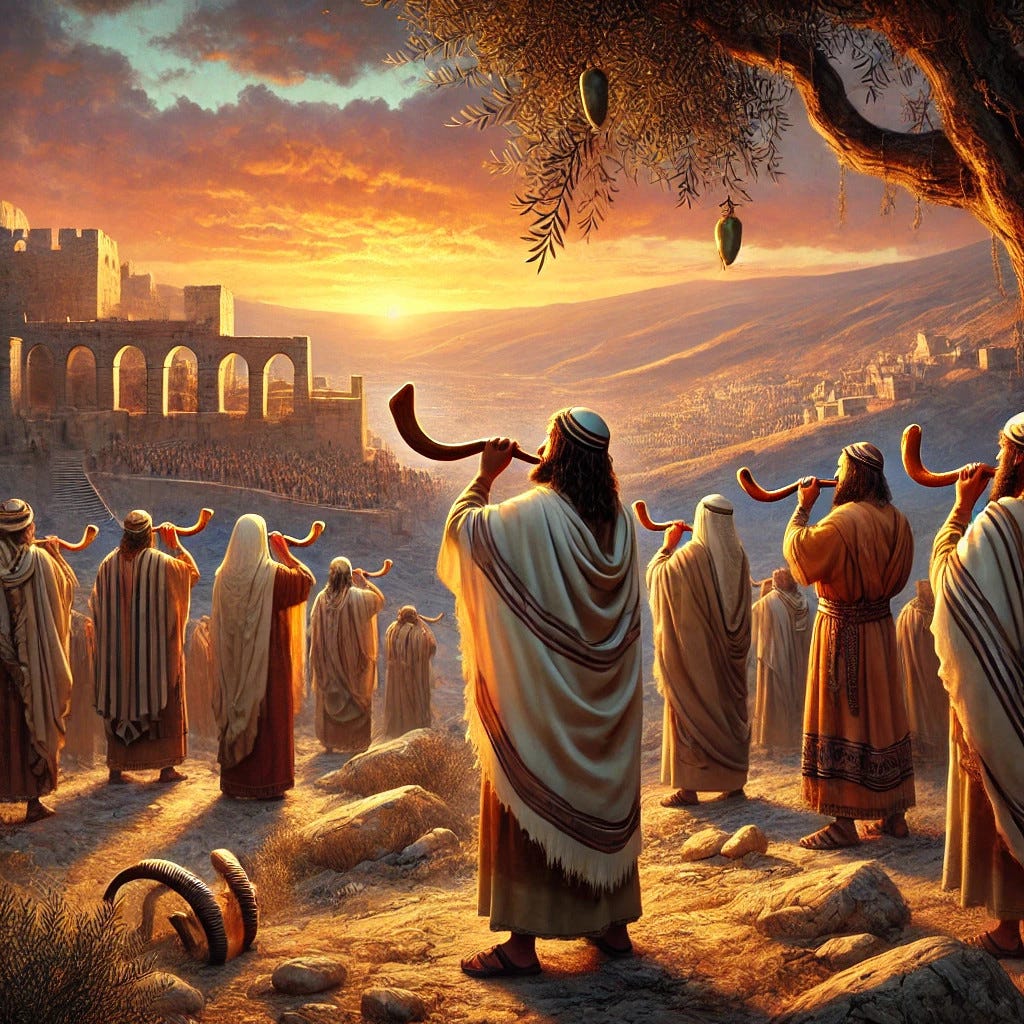
He was blessed by Melchizedek, the King of Salem, and made covenants with important figures of his time, such as the Philistine king Abimelech (Genesis 21:22–34). These covenants show Abraham’s influence and the respect he enjoyed. At Beersheba, he built a grove and called on the name of God:
And Abraham planted a grove in Beersheba, and called there on the name of the LORD, the everlasting God. (Genesis 21:33, KJV — bolded by the author)
An alternate translation of the bolded text reads,
‘…and cried out the name of the LORD, the everlasting God, there.’
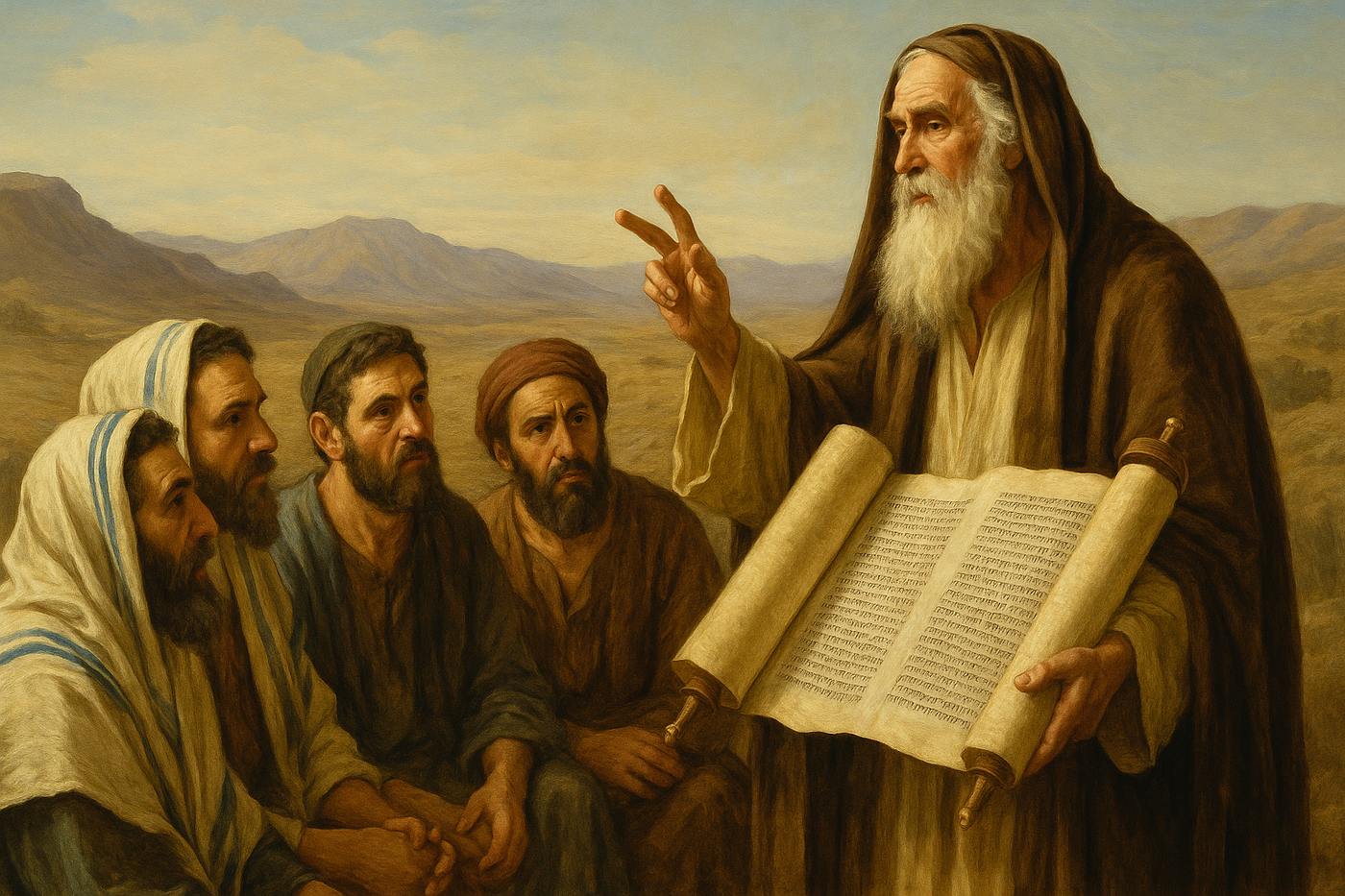
Thus the following interpretation fits: Abraham taught the people of Canaan about God, built a yeshiva (school) near the grove, and helped many to embrace the faith of God.
Chaylah Sarah and the purchase of the Cave of Machpelah
When Sarah died, Abraham was faced with a problem: he did not own any property. He approached Ephron, the king or mayor of Hebron, to purchase the Cave of Machpelah. That Hebron was his city is evident from the following verse in Chaylah Sarah:
And Ephron dwelt among the children of Heth: and Ephron the Hittite answered Abraham in the audience of the children of Heth, even of all that went in at the gate of his city, saying, …(Genesis 23:10, KJV)
Abraham described himself as a stranger without citizenship, which underlines Ephron’s position as ruler of Hebron. But Abraham was no stranger either. Rather, he was considered a prince of God (Genesis 23:6). Nevertheless, he bowed down before the (ordinary) people of Hebron:
And Abraham stood up, and bowed himself to the people of the land, even to the children of Heth. (Genesis 23:7, KJV)
Ephron addressed Abraham as ‘my lord,’ an expression of respect:
Nay, my lord, hear me: the field give I thee, and the cave that is therein, I give it thee; in the presence of the sons of my people give I it thee: bury thy dead. (Genesis 23:11, KJV)
This wording could also suggest that Ephron could not hold a candle to Abraham. After all, he was standing in front of the people of his city and would look better if Abraham showed respect.
Ephron would have liked to give the field to the Hebrew. But Abraham insisted on paying the full price of 400 shekels of silver. This sum was enormous, but Abraham wanted to honor Ephron and make a transparent deal.
The significance of the number 400
The 400 shekels of silver have a deeper symbolic meaning. The number 400 corresponds to the last letter of the Hebrew alphabet, the ת (Taw), which has a numerical value of 400.
In the Hebrew understanding, this represents wholeness, since the world was created by God’s word and thus from the 22 Hebrew letters. The number 400 indicates the end of the alphabet and thus the completion of creation.
Figuratively speaking, Abraham could have bought the whole world. God had promised it to him by promising him ‘this land’. The Hebrew word for land (Eretz) is identical to the word for earth.
But Abraham was content with a field to bury his wife. He did not insist on his divine right, but honored his counterpart and paid the full price.
Chayeh Sarah and the lesson for our lives
Abraham’s behavior in the Torah portion Chayeh Sarah should inspire us to reflect on how we treat others. Despite his high position, Abraham treated others with respect and humility. He did not use his power to assert claims, but acted with love and fairness.
How do we treat our fellow human beings? Do we honor our family, friends and colleagues? Abraham’s example challenges us to act respectfully and fairly in all areas of life — be it in our family, at work or in society.
This article was originally published on Torah-in-Family.de in German language.
Thank you for reading to the end! If you enjoyed this post, please don’t forget to:
- Follow me and this publication to never miss upcoming articles.
- Leave some claps and share your thoughts in the responses. I’d love to hear what you think!
- Support my work with a tip via PayPal.
Your support motivates me to keep producing content that informs, inspires, and entertains. Thank you for your time and generosity!
메타데이터
- post_id
- adcd17efe593
- slug
- chayeh-sarah-abraham-more-than-just-a-wandering-shepherd-adcd17efe593
- url
- https://medium.com/messainic-torah-commentaries/chayeh-sarah-abraham-more-than-just-a-wandering-shepherd-adcd17efe593
- canonical_url
- https://medium.com/messainic-torah-commentaries/chayeh-sarah-abraham-more-than-just-a-wandering-shepherd-adcd17efe593
- author_url
- https://medium.com/@rudy.mentaire
- status
- ok
- fetched_at
- 2026-08-22 11:16:48