I Watched My First Lion Dance Up Close — Here’s What Surprised Me Most
If you’ve only seen a lion dance in short social media clips, it’s easy to think you already know what it’s looks like.
I Watched My First Lion Dance Up Close — Here’s What Surprised Me Most
If you’ve only seen a lion dance in short social media clips, it’s easy to think you already know what it’s looks like.
I thought the same thing.
Then I stood just a few feet away from a live performance.
What surprised me wasn’t the bright colors or the loud drums. It was how much skill, teamwork, and craftsmanship went unnoticed until you experienced it in person.
The Lion Doesn’t Feel Like a Costume
The first thing I realized was that people stop seeing a costume after a few minutes.
Instead, they begin reacting to the lion as if it were alive.
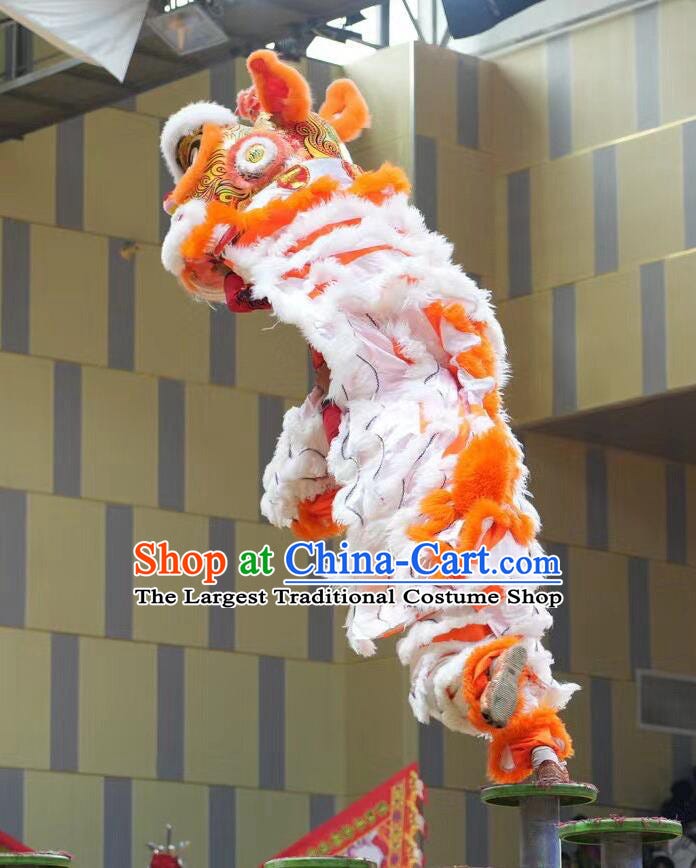
The blinking eyes, moving ears, opening mouth, and playful gestures create an illusion that is difficult to appreciate through a phone screen.
Children laugh. Adults instinctively step backward when the lion gets close. Everyone starts smiling.

Every Step Depends on Trust
Watching from the side gives you a completely different perspective.
The performers cannot always see each other clearly.
They communicate through rhythm, timing, and countless hours of practice.
One small mistake affects the entire performance.
It’s less like acting and more like synchronized athletics.
The Costume Changes the Performance
I also noticed something unexpected.
Different lion heads create completely different personalities.
Some appear playful.
Some look powerful.
Others seem calm and wise.
The craftsmanship behind the lion head influences how audiences interpret every movement.

The Audience Becomes Part of the Show
Unlike many stage performances, lion dance constantly interacts with spectators.
People aren’t simply watching.
They’re laughing, taking photos, cheering, and responding to the lion’s movements.
That connection is one reason the tradition continues to attract new audiences around the world.
More Than Entertainment
After the performance ended, people didn’t immediately leave.
Many stayed to examine the lion head, talk with the performers, and ask questions about how everything worked.
It reminded me that cultural performances don’t just entertain — they spark curiosity.

Final Thoughts
Before seeing lion dance up close, I thought it was mainly about tradition.
Afterward, I understood it differently.
It’s about teamwork, craftsmanship, storytelling, and creating moments that audiences genuinely remember.
Perhaps that’s why lion dance continues to thrive — not because it’s old, but because every live performance still feels surprisingly new.
Learn more about Hanfu, lion dance, dragon dance, and traditional Chinese culture at China-Cart.
메타데이터
- post_id
- ae14468f25e2
- slug
- i-watched-my-first-lion-dance-up-close-heres-what-surprised-me-most-ae14468f25e2
- url
- https://medium.com/@liua03062/i-watched-my-first-lion-dance-up-close-heres-what-surprised-me-most-ae14468f25e2
- canonical_url
- https://medium.com/@liua03062/i-watched-my-first-lion-dance-up-close-heres-what-surprised-me-most-ae14468f25e2
- author_url
- https://medium.com/@liua03062
- status
- ok
- fetched_at
- 2026-08-15 08:24:01