Why is everyone so attracted to Enemies-to-Lovers nowadays?
From Elizabeth and Mr. Darcy in Pride and Prejudice to the modern BookTok romance novels recommended on our social media feeds, “enemies to…
Why is everyone so attracted to Enemies-to-Lovers nowadays?
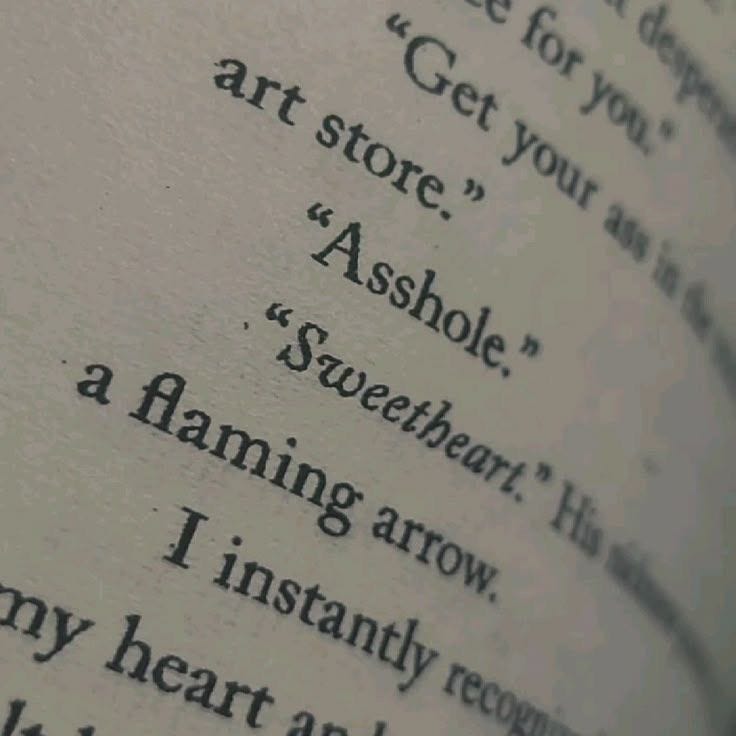
Source: Pinterest
From Elizabeth and Mr. Darcy in Pride and Prejudice to the modern BookTok romance novels recommended on our social media feeds, “enemies to lovers” has always been the ultimate trope embraced by readers worldwide. However, despite the fact that this trope is difficult to replicate in reality — making it harder to relate to our own experiences — and is clearly driven by manufactured drama, it remains an absolute sensation. Have you ever wondered why this specific formula has become such a massive hit for both the algorithm and the reader community?
To make some valid reasons for this phenomenon, It’s important to sum up a list of why this trend becomes so favorable to readers:
- Vulnerability and Acceptance

Source: Pinterest
From the psychology narrative, this is the most critical reason why this trope is so universally loved. Generally, in relationships, people tend to fear exposing their vulnerable side to their partners. We often experience an underlying anxiety, trapped in the dilemma between striving to present the best version of ourselves and fearing that showing our flaws might ruin the connection.
Therefore, this trope soothes our deepest fears by reassuring us that — in this imaginary world — there will always be someone who accepts who you truly are. There will be that one person who acknowledges all your flaws and, somehow, still falls madly in love with you. It acts as nothing less than an emotional remedy; it reflects a profound, unconditional acceptance that we all secretly crave.
- Equal Match and Banter

Source: Pinterest
Secondly, we are drawn to the dynamic spark between two contrasting characters. Historically, traditional fairy tales constantly portrayed an innocent, vulnerable female protagonist who needed to be saved by a strong, invincible male hero. For instance, Rapunzel was locked in a tower, waiting for a prince to set her free, while the Little Mermaid depended on a true love’s kiss to complete her transformation from mermaid to human. For generations, we were obsessed with the trope of salvation in literature, both mentally and physically, which subconsciously reinforced traditional gender roles in our minds.
However, the rise of the “enemies to lovers” trope brings a refreshing shift to character interactions. In these modern narratives, the protagonists are typically on equal footing. This not only dismantles the outdated premise of the helpless female but also amplifies narrative tension through sharp, witty banter.
- Slow burn and emotional payoff

Source: Pinterest
Finally, we must look at the core element of any compelling romance: conflict. By definition, being “enemies” guarantees that the characters will not fall into each other’s arms immediately, introducing numerous obstacles that must be overcome. This naturally extends the period of romantic ambiguity, allowing readers to savor those subtle, high-tension moments — a lingering look, an accidental yet reluctant physical touch.
In an era where digital content flashes by at an exhausting speed, a “slow-burn” relationship deepens our reading experience. It provides the narrative luxury of time, allowing for complete character development. Ultimately, a well-crafted character arc will always captivate the audience, fulfilling their emotional expectations while proving that even in a fast-paced world, some things are worth the wait.
To conclude, the “enemies to lovers” phenomenon is far more than just a ubiquitous trend within the BookTok community. It is a digital mirror that reflects our deepest relational insecurities, the subversion of traditional gender roles, and the distinct algorithmic patterns of our era. Crucially, social media excels at amplifying these human vulnerabilities through short-form video.
A closer investigation reveals that viral content on digital platforms thrives on triggering high-arousal emotions, whether through tears, conflict, or raw passion. Algorithms have decoded this psychology, recognizing that narratives laced with intense emotional friction capture immense user attention and maximize retention. Consequently, the BookTok community continuously churns out highly homogenized content featuring these precise tropes — proving that what we choose to read is no longer just a personal taste, but a beautifully calculated feedback loop between human emotion and machine learning.
메타데이터
- post_id
- ae17f8ef88af
- slug
- why-is-everyone-so-attracted-to-enemies-to-lovers-nowadays-ae17f8ef88af
- url
- https://medium.com/@lialia512/why-is-everyone-so-attracted-to-enemies-to-lovers-nowadays-ae17f8ef88af
- canonical_url
- https://medium.com/@lialia512/why-is-everyone-so-attracted-to-enemies-to-lovers-nowadays-ae17f8ef88af
- author_url
- https://medium.com/@lialia512
- status
- ok
- fetched_at
- 2026-08-05 05:46:35