Why Walking After Meals Matters
How a short walk after eating may support healthy blood glucose regulation and digestion.
Why Walking After Meals Matters
How a short walk after eating may support healthy blood glucose regulation and digestion.
Many of us finish a meal and immediately sit down — whether it’s to return to work, watch television, or scroll through our phones.
But what if one of the simplest habits after eating wasn’t found in your kitchen… but in your daily movement?
Research suggests that a short, gentle walk after a meal may help support healthy blood glucose regulation while also encouraging normal digestion. It doesn’t require intense exercise or long workouts — just a few minutes of light movement.
What Happens After You Eat?
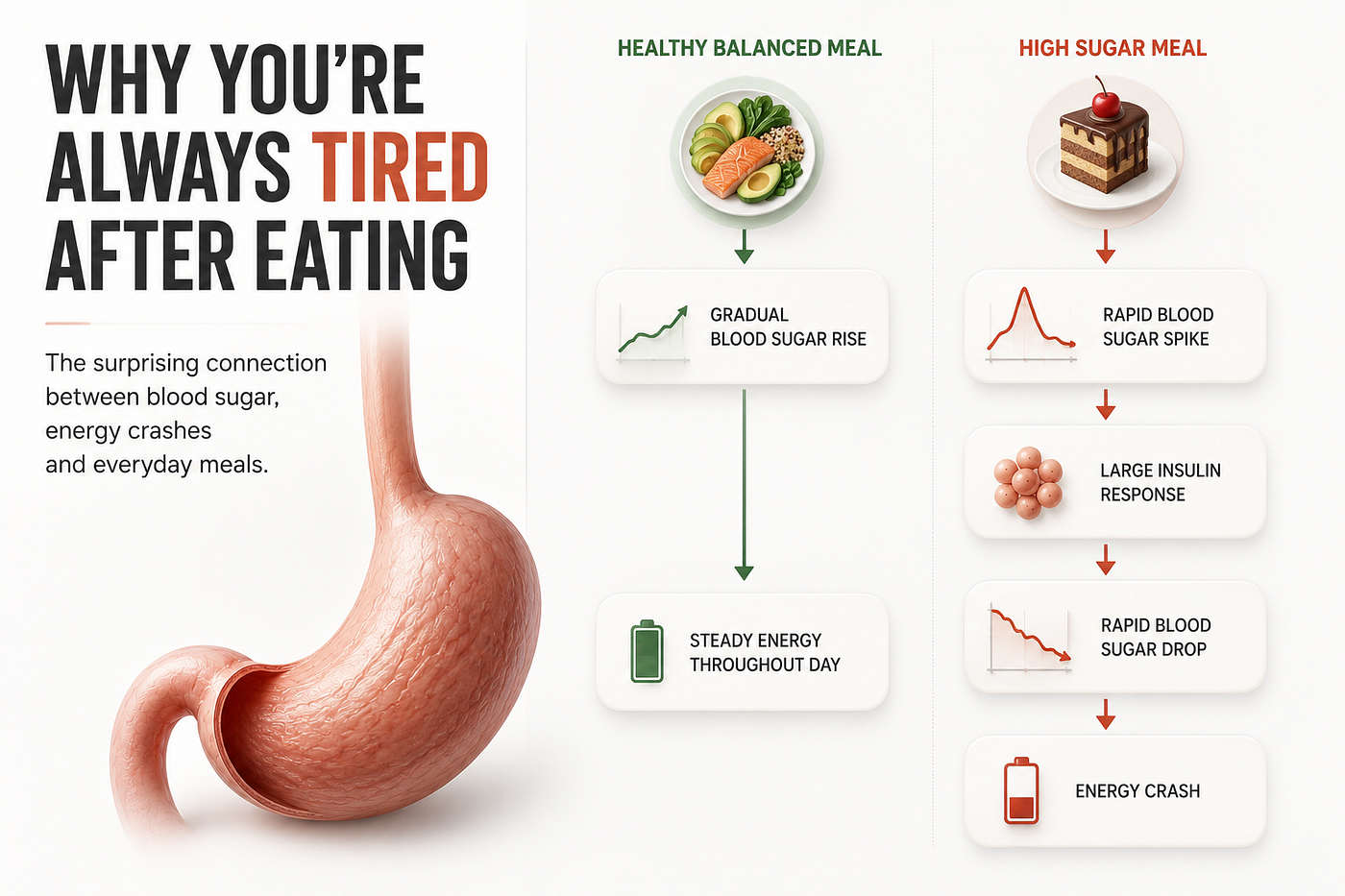
After a meal, your digestive system begins breaking food down into nutrients.
Carbohydrates are converted into glucose, which enters your bloodstream.
In response, your body releases insulin, a hormone that helps move glucose from the blood into cells where it can be used or stored.
This is a completely normal and essential process.
How your body responds depends on many factors, including the composition of the meal, your activity level, sleep, and individual metabolism.
Why Movement Makes a Difference
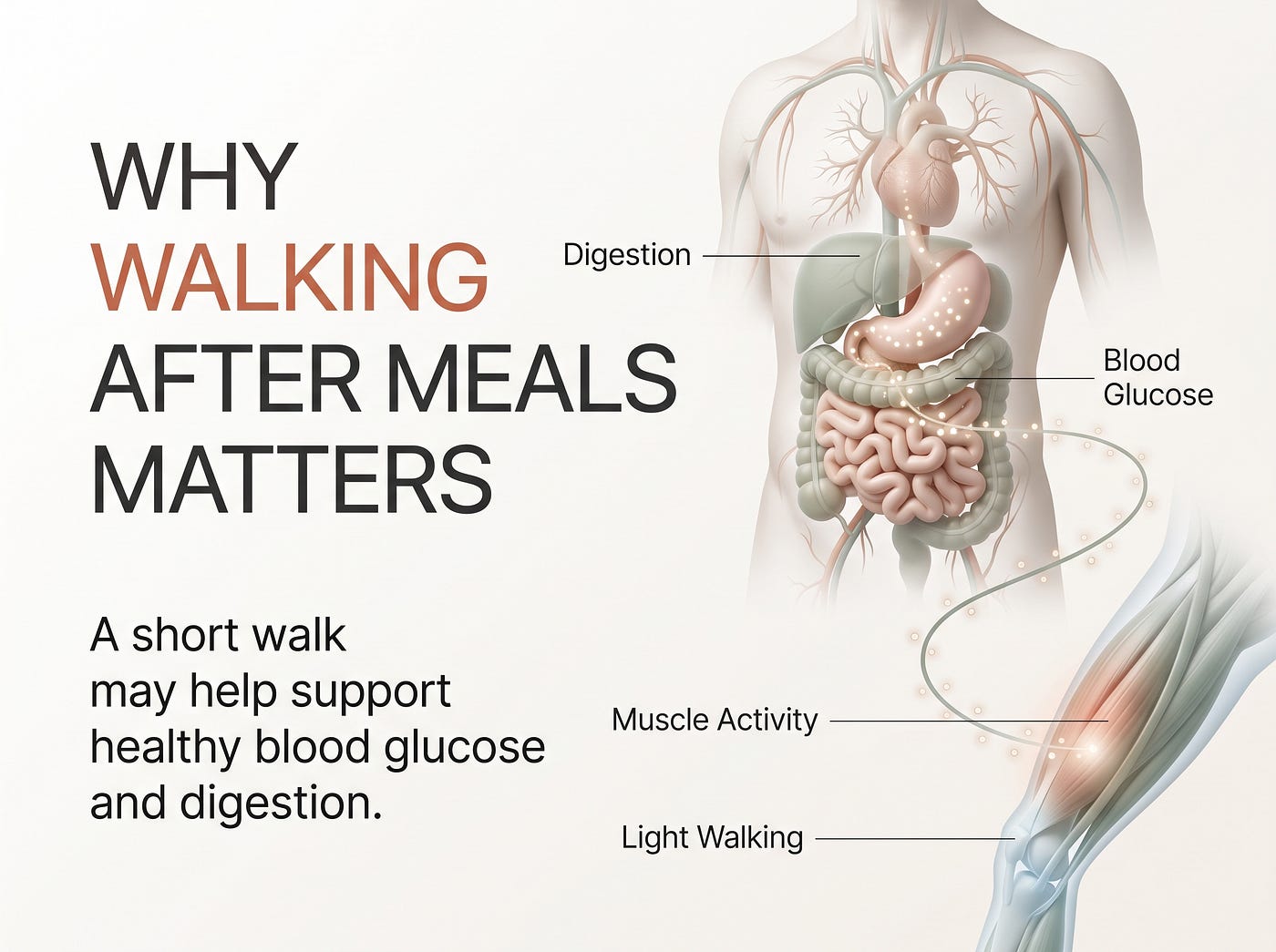
Your muscles are one of the body’s largest users of glucose.
When you begin moving — even at a comfortable walking pace — your muscles increase their demand for energy.
This helps your body use circulating glucose while supporting normal metabolic processes.
A gentle walk doesn’t replace healthy eating, but it can complement it.
How Long Should You Walk?
You don’t need an intense workout immediately after eating.
For many people, 10–15 minutes of light walking after a meal is a practical and sustainable habit.
The emphasis should be on comfortable movement, not speed or intensity.
If you have a medical condition or concerns about exercise, follow the advice of your healthcare professional.
Walking and Digestion
Walking is often associated with supporting comfortable digestion.
Gentle movement may encourage normal gastrointestinal motility — the natural movement of food through the digestive tract.
This is one reason many cultures have traditionally included a relaxed walk after meals.
Small Habits Add Up
Healthy routines rarely depend on one dramatic change.
Instead, they are built through small actions repeated consistently.
Pairing a balanced meal with a short walk can become an easy daily habit that supports your overall lifestyle.
The goal isn’t perfection.
It’s consistency.
Practical Ideas
If you’d like to make walking after meals part of your routine, try:
- Taking a 10–15 minute walk after lunch.
- Walking while listening to a podcast or audiobook.
- Inviting a family member or friend to join you.
- Choosing a comfortable pace rather than rushing.
- Focusing on building the habit, not burning calories.
The Bottom Line
You don’t need an intense workout to support your health after eating.
For many people, a short walk after a meal is a simple habit that may help support healthy blood glucose regulation, comfortable digestion, and an active lifestyle.
Small daily choices often become meaningful long-term habits.
메타데이터
- post_id
- ae29f11fa25e
- slug
- why-walking-after-meals-matters-ae29f11fa25e
- url
- https://medium.com/@elalamy1990/why-walking-after-meals-matters-ae29f11fa25e
- canonical_url
- https://medium.com/@elalamy1990/why-walking-after-meals-matters-ae29f11fa25e
- author_url
- https://medium.com/@elalamy1990
- status
- ok
- fetched_at
- 2026-08-18 03:21:42