What Martial Arts Teaches Us About Human Movement – And Why Film Needs It More Than Ever
What Martial Arts Teaches Us About Human Movement – And Why Film Needs It More Than Ever
Action scenes are often associated with spectacle – speed, impact, intensity. Yet the most convincing action rarely depends on force alone. Instead, it depends on control. Control of timing, control of distance, control of intention, and perhaps most importantly, control of one’s own body under pressure.
In the film industry, where physical performance must appear both dynamic and believable, specialists with a deep understanding of movement play an increasingly important role. Viktor Sokorai is one of those specialists. With decades of training in Chinese martial arts and experience working in international film productions, his approach reflects how traditional disciplines continue to influence contemporary visual storytelling.

Before working in film, Viktor trained for many years in classical kung fu, eventually becoming a four-time world champion. What makes his work interesting is not only technical ability, but the way traditional training principles translate into believable human movement on screen.
Watching how martial arts concepts apply to cinematic action reveals something unexpected: realistic movement is rarely about exaggeration. It is usually about efficiency.
Many people assume that action scenes are created through choreography alone, as if they were carefully memorized sequences similar to dance. Yet choreography without deeper understanding often results in movement that feels forced or artificial. Traditional martial arts training approaches movement differently. Instead of focusing only on external form, practitioners develop sensitivity to balance, alignment, rhythm, and spatial relationships.
These qualities allow movement to remain adaptable.
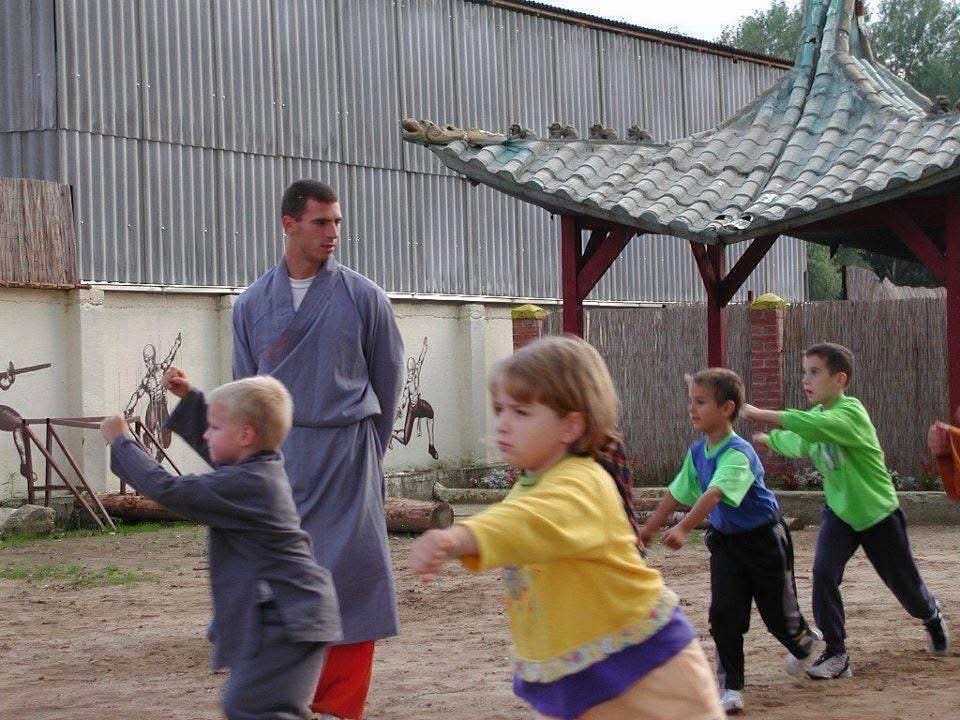
Film sets are environments where adaptability becomes essential. Camera angles change, costumes limit mobility, and scenes must often be repeated many times under slightly different conditions. When performers rely only on memorized patterns, small changes can disrupt the credibility of movement. When they understand underlying principles, they are able to adjust while maintaining consistency.
One of the most noticeable characteristics of experienced martial artists is economy of motion. Movements are typically clear and intentional, without unnecessary tension. Interestingly, this efficiency often appears more cinematic than exaggerated gestures. The audience may not consciously recognize why a sequence feels authentic, but they sense when movement appears grounded in real physical logic.
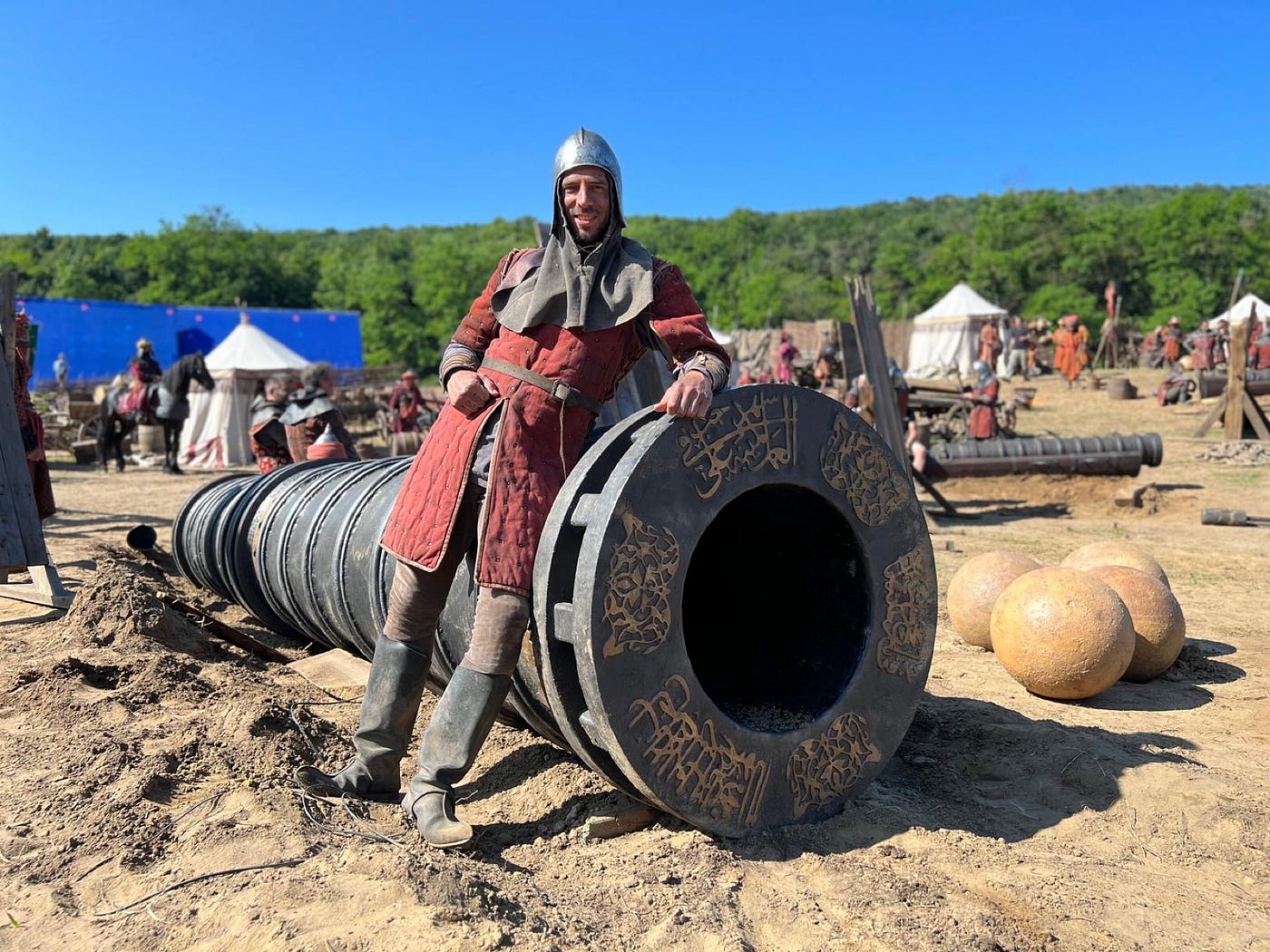
Efficient movement communicates confidence. It allows viewers to focus on the story rather than the mechanics behind the action.
Timing and distance play a particularly important role. Traditional martial arts training teaches practitioners to evaluate spatial relationships continuously, adjusting positioning in response to a partner’s movement. In film production, this awareness helps create the illusion of impact while maintaining safety.
Performers must appear to make contact without actually causing harm. This requires precise coordination not only between partners, but also with the camera’s perspective. Movement that is convincing from one angle may not appear believable from another. The ability to maintain consistent distance across repeated takes contributes both to safety and to visual continuity.
Another often overlooked element is sensitivity to interaction. Many martial arts training methods include exercises that develop awareness of subtle shifts in balance and intention. Through controlled partner practice, practitioners learn to respond with minimal force while maintaining clarity of movement.
This sensitivity creates interaction that feels responsive rather than mechanical. When performers react to each other’s movement in real time, the action appears more natural. Even when viewers cannot identify the technical reasons, they tend to recognize authenticity intuitively.
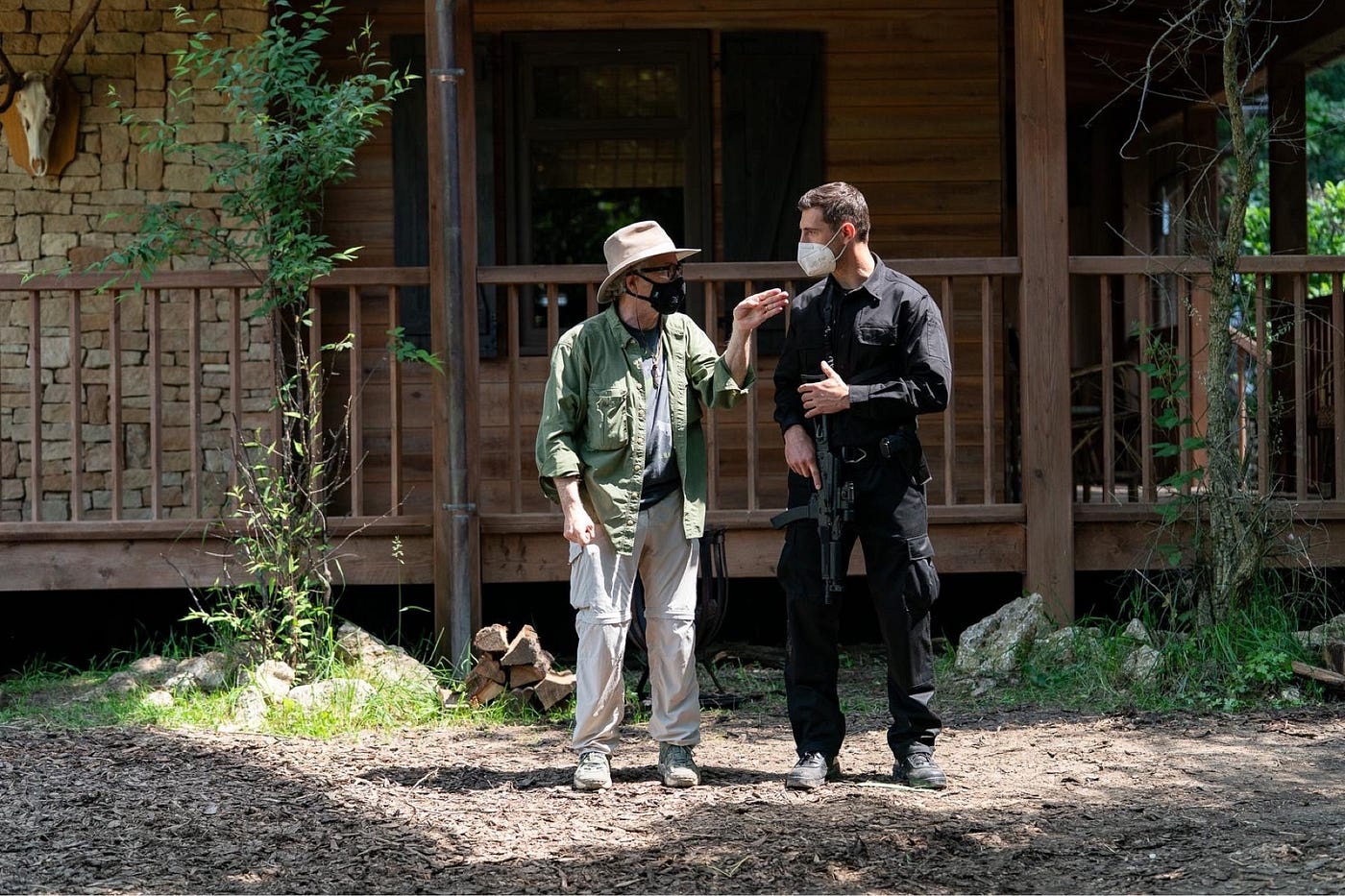
Film production environments also require adaptability under pressure. Conditions change quickly, and performers must often modify movement patterns based on technical requirements. Practitioners with traditional martial arts backgrounds are accustomed to adjusting techniques while preserving structural integrity.
This ability supports efficient collaboration between departments and allows creative teams to refine scenes without losing credibility of performance.
Movement, after all, is not only technical. It is expressive.
A character’s emotional state can often be observed through posture, rhythm, and direction of motion. Action sequences reveal personality traits such as confidence, hesitation, or strategic thinking. Physical behavior becomes part of storytelling.
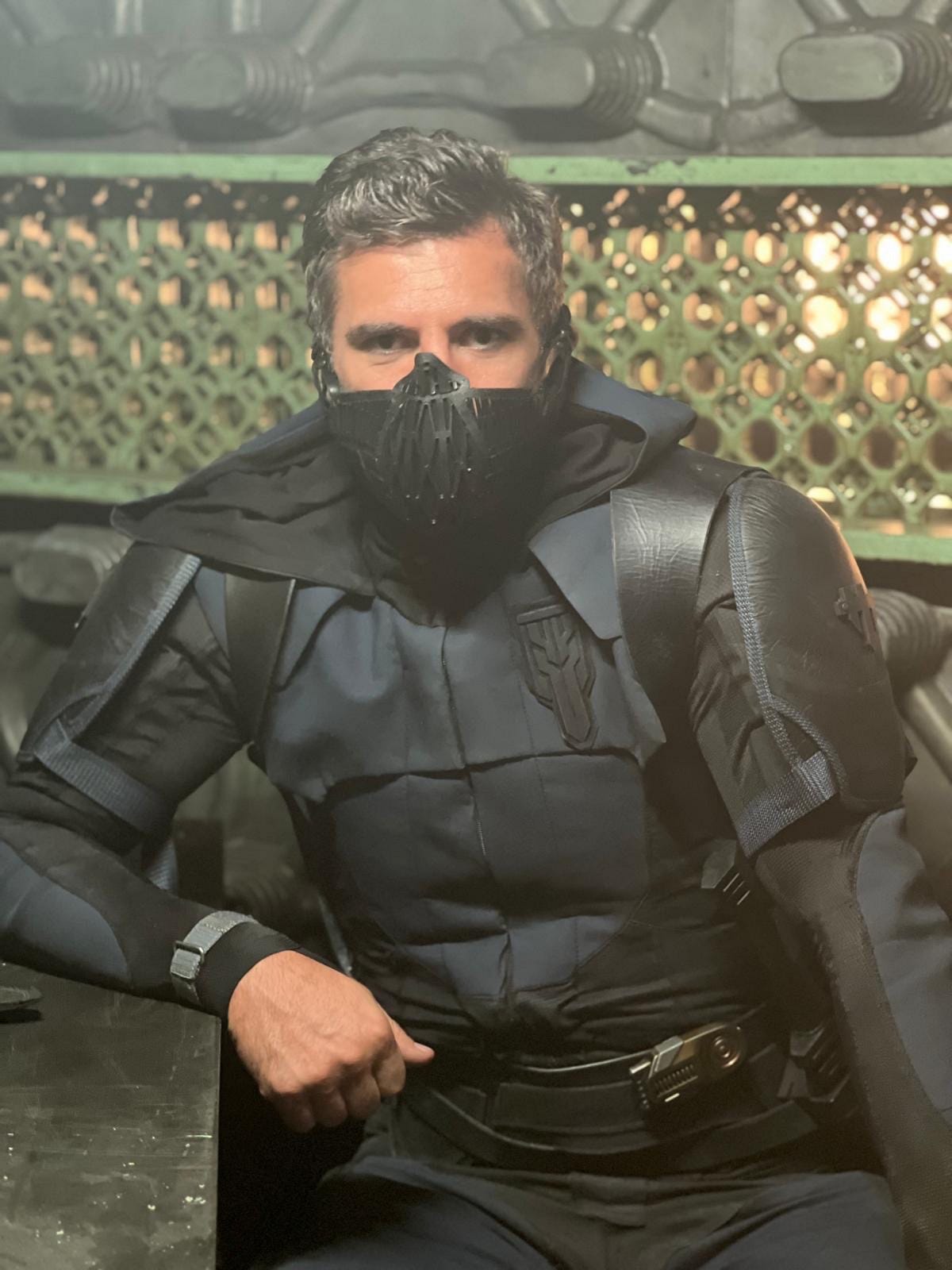
Professionals with deep movement training are often able to support this expressive dimension while maintaining precision. The result is action that contributes to narrative depth rather than functioning purely as spectacle.
Chinese martial arts systems developed long before the emergence of cinema, yet many of their core principles remain highly relevant in modern creative industries. Concepts such as structure, efficiency, and adaptability align closely with the practical demands of film production.
Technology continues to expand the possibilities of visual effects, but believable human movement remains difficult to replicate artificially. Subtle details such as weight distribution, balance recovery, and timing of reaction contribute significantly to the perception of realism.
Viktor’s work reflects this connection between tradition and contemporary practice. His approach demonstrates how long-established training concepts can inform modern visual storytelling without losing their original depth.
Audiences usually see only the final result. They do not see the repetition required to achieve fluid movement, or the technical adjustments made between takes. They do not see the careful balance between safety and visual clarity.
Yet these invisible elements often determine whether action feels believable.
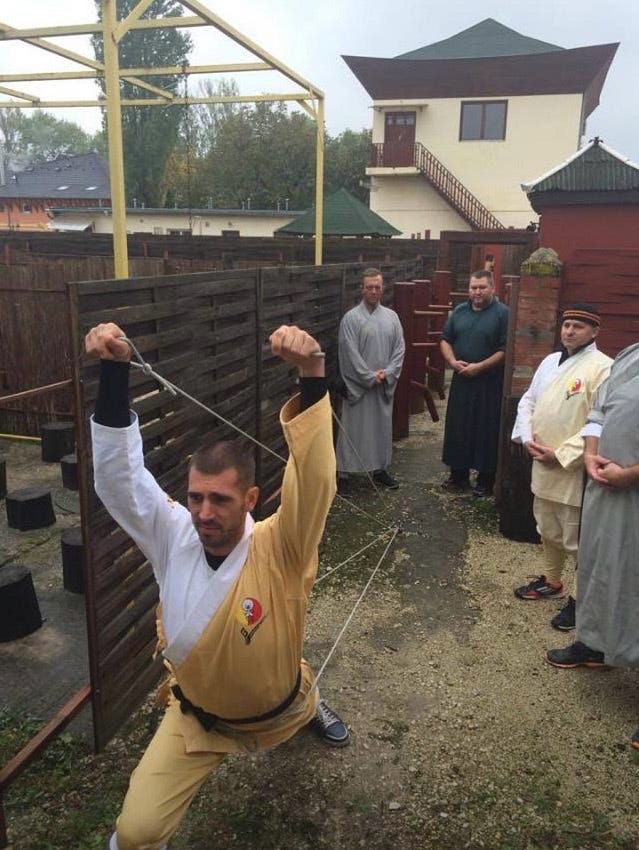
Traditional martial arts training provides a structured framework for developing patience, precision, and awareness. These qualities remain valuable in an industry defined by constant change.
Authentic action often appears effortless. Behind that effortlessness lies disciplined preparation and refined understanding of how the body communicates through motion.
As film continues to evolve, the influence of martial arts principles remains quietly present – shaping performances in ways that audiences may not always consciously notice, but almost always feel.
메타데이터
- post_id
- ae771bf6508d
- slug
- what-martial-arts-teaches-us-about-human-movement-and-why-film-needs-it-more-than-ever-ae771bf6508d
- url
- https://medium.com/@fanniifrr/what-martial-arts-teaches-us-about-human-movement-and-why-film-needs-it-more-than-ever-ae771bf6508d
- canonical_url
- https://medium.com/@fanniifrr/what-martial-arts-teaches-us-about-human-movement-and-why-film-needs-it-more-than-ever-ae771bf6508d
- author_url
- https://medium.com/@fanniifrr
- status
- ok
- fetched_at
- 2026-07-10 23:42:37