The Top 15 Influential Esoteric Thinkers of the Past 250 Years.
These are of course debatable, and while they were not selected arbitrarily, there is no doubt that people will have different views about…
The Top 15 Influential Esoteric Thinkers of the Past 250 Years.
These are of course debatable, and while they were not selected arbitrarily, there is no doubt that people will have different views about the contribution these and other esoteric thinkers not included, have made in the areas of psychology, philosophy, and various disciplines of hard science. Enjoy.
1. Helena Petrovna Blavatsky (1831–1891):
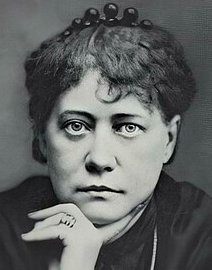
Image: Wikipedia.
Contribution to esoteric thought : The original Queen of esoteric thought. Helena was co-founder of the Theosophical Society, Blavatsky’s works, such as “The Secret Doctrine” and “Isis Unveiled,” introduced Western audiences to Eastern spiritual concepts and esotericism. She played a significant role in popularizing the idea of a universal brotherhood of humanity and the study of comparative religion. You can find out more on Helena Here.
2. Aleister Crowley (1875–1947):
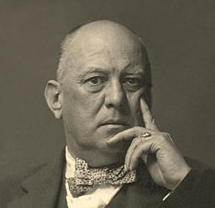
Image: Wikipedia.
Contribution to esoteric thought : Sometimes referred to as the world’s most wicked man! Crowley was a prolific writer, occultist, and ceremonial magician. He founded the religion of Thelema, which emphasizes individualism, personal development, and spiritual attainment. Crowley’s works, including “The Book of the Law” and “The Book of Thoth,” continue to influence occultists and esoteric practitioners. You can find out more on Crowley Here.
3. Carl Jung (1875–1961):
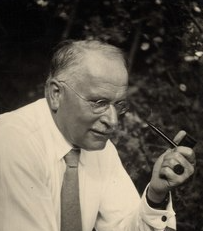
Image Wikipedia.
Contribution to esoteric thought: While primarily known as a pioneering psychologist, Jung’s exploration of the human psyche also went deep into esoteric and spiritual thinking. His concepts of archetypes, the collective unconscious, and synchronicity have deeply influenced fields beyond psychology, including art, literature, and spirituality. You can see more on Carl Jung Here.
4. Dion Fortune (1890–1946):
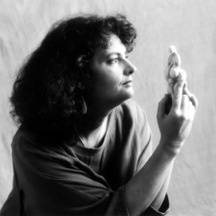
Image: Theosophy.
Contribution to esoteric thought : Fortune was a Welsh occultist, novelist, and founder of the Fraternity of the Inner Light. Her works, such as “The Mystical Qabalah” and “Psychic Self-Defense,” contributed to the understanding of Western esoteric traditions, particularly in the context of the Hermetic Qabalah. You can read more about this amazing woman Here.
5. Manly P. Hall (1901–1990):
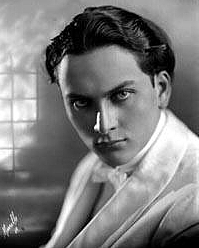
Image: Wikipedia.
Contribution to esoteric thought: A Canadian-born author and mystic. Hall’s magnum opus “The Secret Teachings of All Ages” is a comprehensive overview of ancient wisdom traditions, including esotericism, mythology, and symbolism. He also founded the Philosophical Research Society, dedicated to the study of philosophy, religion, and science. You can read more about this brilliant man Here
6. Rudolf Steiner (1861–1925):
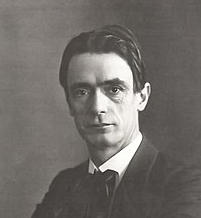
Image: Wikipedia.
Contribution to esoteric thought : Steiner was an Austrian philosopher, social reformer, and founder of Anthroposophy. He integrated spiritual insights with practical initiatives in education, agriculture (biodynamic farming), and the arts (eurythmy). Steiner’s holistic worldview continues to influence fields such as education, medicine, and spirituality. You can read more about this practical, educated man Here.
7. G.I. Gurdjieff (1866–1949):
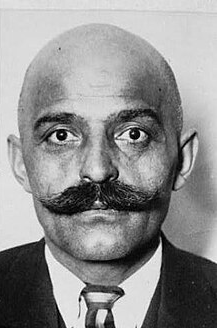
Image: Wikipedia.
Contribution to esoteric thought : Gurdjieff was a mystic, philosopher, and spiritual teacher who developed the Fourth Way system, which combines elements of psychology, philosophy, and esotericism. His teachings on self-awareness, inner transformation, and the search for higher consciousness have inspired spiritual seekers worldwide. You can read more on this enigmatic character Here.
8. P.D. Ouspensky (1878–1947):
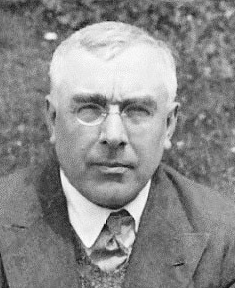
Image: Heremetic International
Contribution to esoteric thought : A Russian philosopher and disciple of Gurdjieff, Ouspensky is known for his expositions on the Fourth Way teachings in works like “In Search of the Miraculous.” He played a significant role in disseminating Gurdjieff’s ideas in the West and fostering interest in esoteric spirituality. You can read more on this calm and refined gentleman Here.
9. Frithjof Schuon (1907–1998):
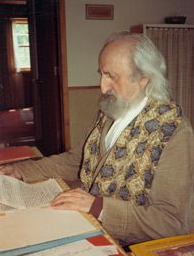
Image: Pinterest.
Contribution to esoteric thought: Schuon was a Swiss philosopher, metaphysician, and author who wrote extensively on comparative religion, metaphysics, and spirituality. His works, including “The Transcendent Unity of Religions” and “Understanding Islam,” emphasized the universality of spiritual truths and the perennial philosophy. You can read about this studious,quiet, eccentric man Here.
10. Alice Bailey (1880–1949):
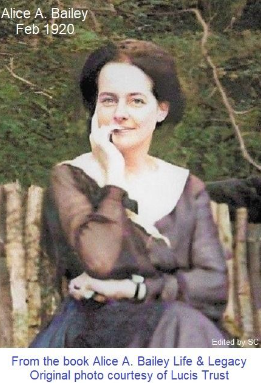
Contribution to esoteric thought : Alice Bailey was a British-American esoteric author and founder of the Arcane School and the Lucis Trust. Her writings, such as the “Alice A. Bailey material” (24 books), introduced esoteric concepts related to theosophy, astrology, and the New Age movement. Bailey’s teachings emphasize spiritual evolution and the synthesis of diverse spiritual traditions. You can read more about this independant, innovative woman Here.
11. Papus (Gérard Encausse 1865–1916):
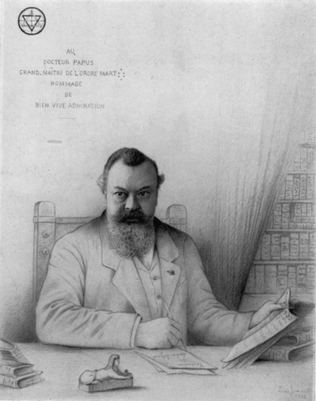
Image: Pianotableunews.it
Contribution to esoteric thought : He founded the modern Martinist Order, an esoteric Christian mystical organization, and was deeply involved in various other occult groups, including the Kabbalistic Order of the Rose-Croix and the Hermetic Order of the Golden Dawn. Papus wrote extensively on topics such as tarot, magic, and the Kabbalah, seeking to revive and synthesize ancient mystical knowledge and practices. His works contributed significantly to the popularization of occultism and its integration into broader cultural and intellectual currents of his time. You can see more about this deep thinking Doctor of Medicine Here.
12. Eliphas Levi. (1810–1875):
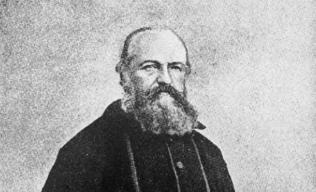
Image: Wikipedia.
Contribution to esoteric thought: Levi viewed magic not as mere superstition or trickery but as a profound spiritual and philosophical practice. He reinterpreted magic as a means to access and harness the natural and divine forces inherent in the universe. For Levi, magic was about achieving harmony with the divine order and understanding the hidden laws of nature. He proposed that true magic involves the will, imagination, and faith of the practitioner, aligning human will with the divine will to create real change. You can see more about this original thinker here.
13. Emanuel Swedenborg: (1688–1772):
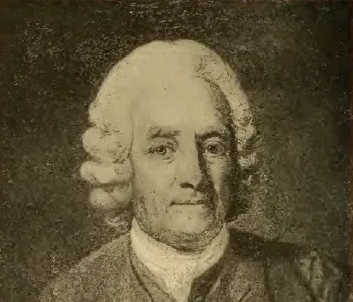
Image: Wikipedia.
Contribution: Swedenborg was a Swedish scientist, philosopher, and mystic. Initially renowned for his scientific and engineering achievements, Swedenborg experienced spiritual awakenings in his mid-50s, claiming to have received divine revelations.
His most significant religious contributions include his detailed descriptions of the afterlife, which he claimed to have visited. In works like “Heaven and Hell” and “Divine Love and Wisdom,” he described a structured spiritual realm where individuals’ inner states determined their heavenly or hellish experiences. His theology emphasized the concept of correspondences, suggesting a symbolic relationship between the spiritual and material worlds. You can read more about his achievements Here.
“Emanuel Swedenborg Servant of the Lord” is available here.
14. William Blake: (1757–1827):
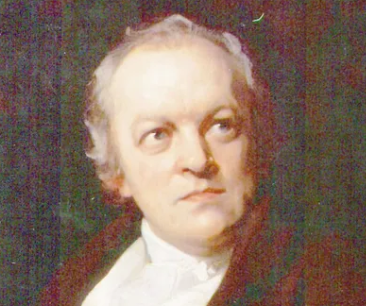
Image: Wikipedia.
Contribution to esoteric thought: I call this guy the original rebel. A poet, painter and printmaker, his visionary works blended art, literature, and mysticism. Blake’s poetry, including works such as “Songs of Innocence and of Experience” and “The Marriage of Heaven and Hell,” go deep into themes of innocence, experience, and the dualities of existence.
His richly illustrated books combine text and images to convey complex mystical ideas, emphasizing the interconnectedness of all creation. You can see more on this incredibly interesting character Here.
15. Joseph Campbell. ((March 26, 1904 — October 30, 1987).
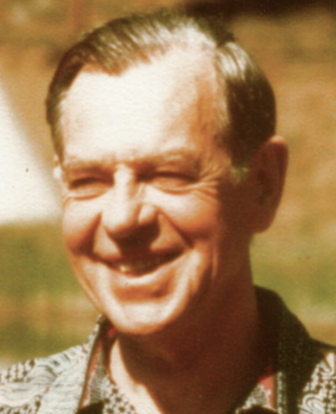
Image: Wikipedia.
Contribution to esoteric thought: The guy who inspired Starwars. In his seminal work, “The Hero with a Thousand Faces” (1949), Campbell introduced the concept of the monomyth, or the Hero’s Journey, a universal narrative pattern found in myths worldwide.
This framework outlines the stages of a hero’s adventure, from departure and initiation to return, symbolizing the individual’s journey towards self-discovery and transformation. His ideas have influenced contemporary storytelling, particularly in literature, film, and psychology. His work inspired filmmakers like George Lucas, whose “Star Wars” saga was heavily influenced by the Hero’s Journey framework. You can read more about Joseph Here.
For the kindle edition of Emanuel Swedenborg a Loyal Servant of the Lord go here.
메타데이터
- post_id
- ae834f836c5f
- slug
- the-top-15-influential-esoteric-thinkers-of-the-past-250-years-ae834f836c5f
- url
- https://medium.com/@bravo26au/the-top-15-influential-esoteric-thinkers-of-the-past-250-years-ae834f836c5f
- canonical_url
- https://medium.com/@bravo26au/the-top-15-influential-esoteric-thinkers-of-the-past-250-years-ae834f836c5f
- author_url
- https://medium.com/@bravo26au
- status
- ok
- fetched_at
- 2026-06-09 15:37:30