Designing Better Fintech Experiences: Five UX Challenges Every Designer Should Understand
The financial industry has changed dramatically over the last decade. Today, people can transfer money, invest in stocks, apply for loans…

**Designing Better Fintech Experiences: **Five UX Challenges Every Designer Should Understand
The financial industry has changed dramatically over the last decade. Today, people can transfer money, invest in stocks, apply for loans, pay bills, and manage their savings directly from their smartphones. This rapid growth has made fintech one of the fastest-growing digital industries.
However, building a successful fintech product is not only about offering powerful financial services. It is equally important to create an experience that users can easily understand and trust. Unlike social media or entertainment apps, fintech applications deal with people’s money. Every screen, button, message, and interaction can influence a user’s confidence and financial decisions.
Many fintech products fail because they focus on financial features instead of user experience. A well-designed interface should reduce confusion, build trust, and help users make informed decisions.
Here are five major UX challenges that every fintech designer should understand.
- Managing Complexity Without Overwhelming Users
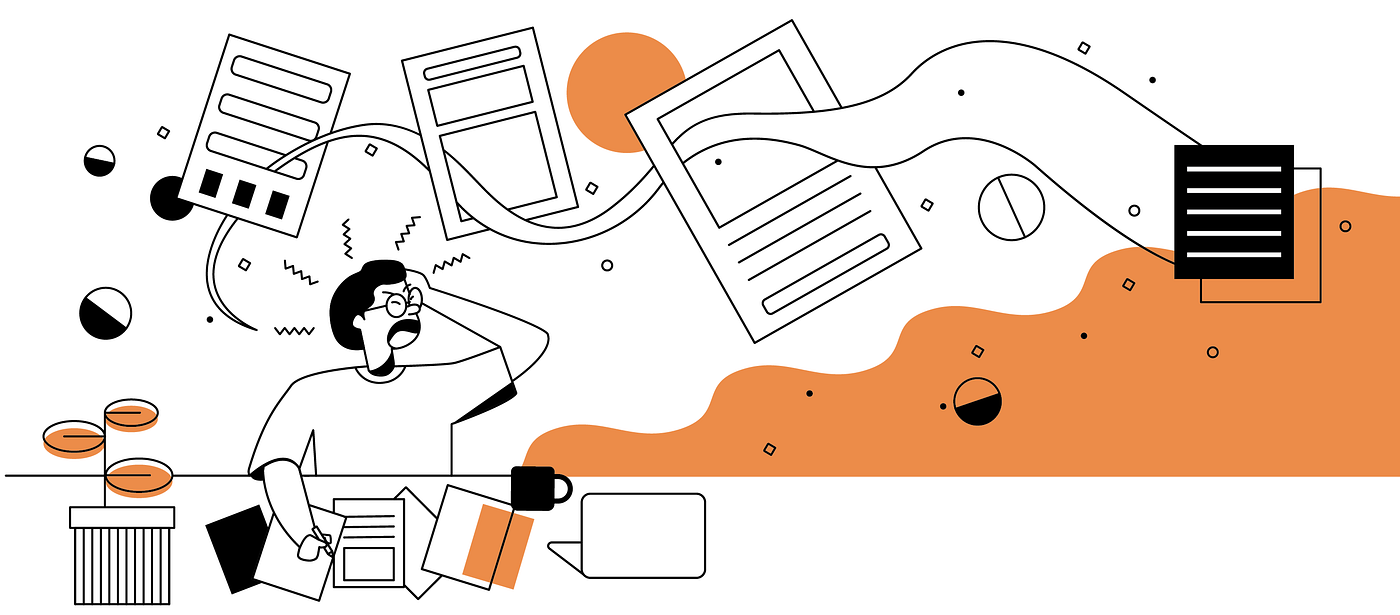
Finance involves a large amount of information, including account balances, transaction histories, investment performance, interest rates, and financial reports. Many fintech applications try to display all this information at once, creating cluttered dashboards that overwhelm users.
When users see too many charts, numbers, and options together, they often struggle to decide where to begin. Instead of feeling informed, they feel confused.
A better approach is to prioritize what matters most at each stage of the user’s journey. Designers should guide users toward their next important action rather than exposing every available feature immediately.
Breaking large tasks into smaller steps, grouping related information, and progressively revealing advanced details can significantly reduce cognitive load.
Key lesson: Good fintech design simplifies decision-making instead of simplifying finance itself.
2. Building Trust Through Transparency
Trust is the foundation of every fintech product. Users connect their bank accounts, provide personal identification, upload sensitive documents, and allow access to financial information. Even a small design mistake can make users question whether their money is safe.
Trust is not created only through security systems running behind the scenes. It is also built through the interface itself.
Clean layouts, professional visual design, consistent branding, clear confirmation messages, and transparent explanations reassure users that the application is reliable.
For example, instead of asking users to “Connect your bank account” without explanation, the interface should clearly explain why the connection is needed, what information will be accessed, and how it will be protected.
When users understand what is happening, they feel more confident throughout the process.
Key lesson: Transparency creates trust, and trust increases user confidence.
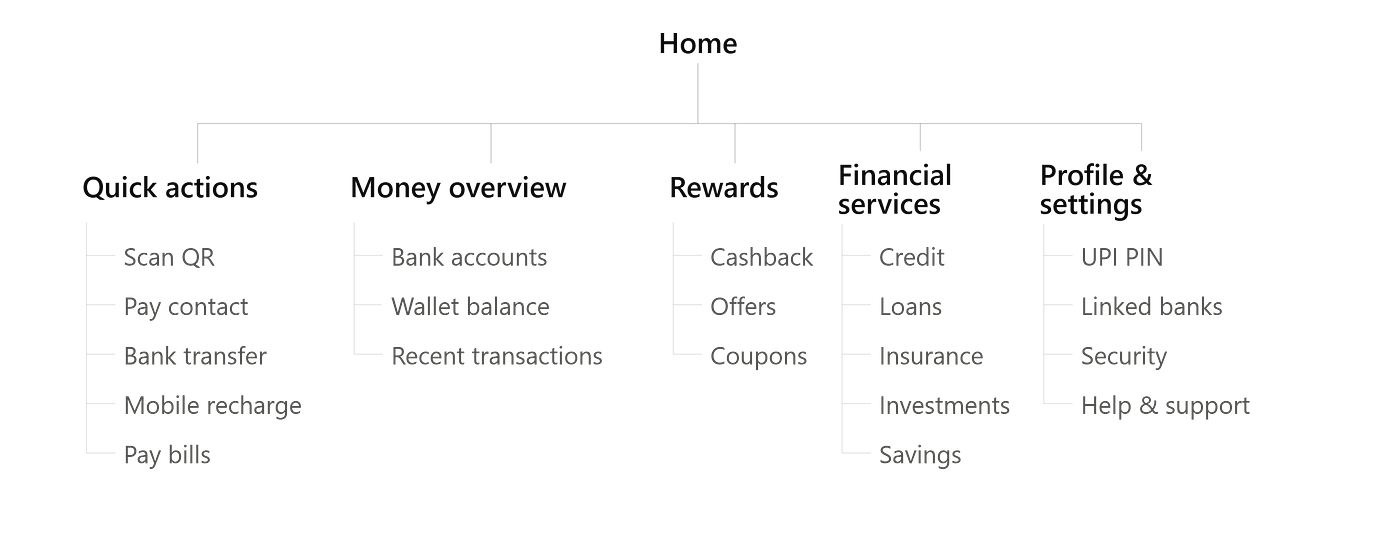
How Modern Fintech Apps Structure Information
4. Simplifying Complex Onboarding
Fintech onboarding is naturally more complicated than onboarding for most digital products. Regulatory requirements such as Know Your Customer (KYC), identity verification, risk assessments, and financial questionnaires require users to provide a significant amount of information before using the product.
If users are presented with long forms and complex questions at once, many abandon the process before completing registration.
Effective onboarding focuses on reducing psychological effort rather than reducing necessary information.
Designers achieve this by breaking long forms into smaller sections, showing clear progress indicators, using simple input methods, adding contextual explanations, and providing review screens before confirmation.
Visual spacing, friendly illustrations, and reassuring microcopy also make the experience feel less stressful.
Instead of making onboarding shorter, great UX makes it feel easier.
Key lesson: Complex processes become manageable when users receive clear guidance at every step.
5. Replacing Financial Jargon with Plain Language
Finance is filled with technical terms such as APR, NAV, equity, liquidity, custodians, and portfolio allocation. While these terms are familiar to financial professionals, they can be intimidating for everyday users.
Good UX writing translates financial language into simple, understandable communication.
Rather than displaying technical terminology, interfaces should answer the questions users actually have:
- How much money will I receive?
- When will I receive it?
- What happens next?
- Why is this information required?
If users must stop and search for the meaning of a term, the interface has failed to communicate effectively.
One useful principle is that interface text should be understandable to a teenager. Simplicity improves accessibility without reducing accuracy.
Key lesson: Simple language helps users make better financial decisions with confidence.
So now?
Fintech products are inherently complex because they deal with money, regulations, security, and financial decision-making. However, users should never experience that complexity directly.
Successful fintech UX is not about removing financial complexity it is about translating it into experiences that feel simple, trustworthy, and intuitive.
Designers achieve this by reducing information overload, building trust through transparency, personalizing user journeys, simplifying onboarding, and communicating with clear, everyday language.
As fintech continues to evolve, these principles will remain essential for creating products that users not only understand but also trust with their financial future.
메타데이터
- post_id
- aea3fcfa67ac
- slug
- designing-better-fintech-experiences-five-ux-challenges-every-designer-should-understand-aea3fcfa67ac
- url
- https://medium.com/@sagarikaz2004/designing-better-fintech-experiences-five-ux-challenges-every-designer-should-understand-aea3fcfa67ac
- canonical_url
- https://medium.com/@sagarikaz2004/designing-better-fintech-experiences-five-ux-challenges-every-designer-should-understand-aea3fcfa67ac
- author_url
- https://medium.com/@sagarikaz2004
- status
- ok
- fetched_at
- 2026-07-31 19:08:18