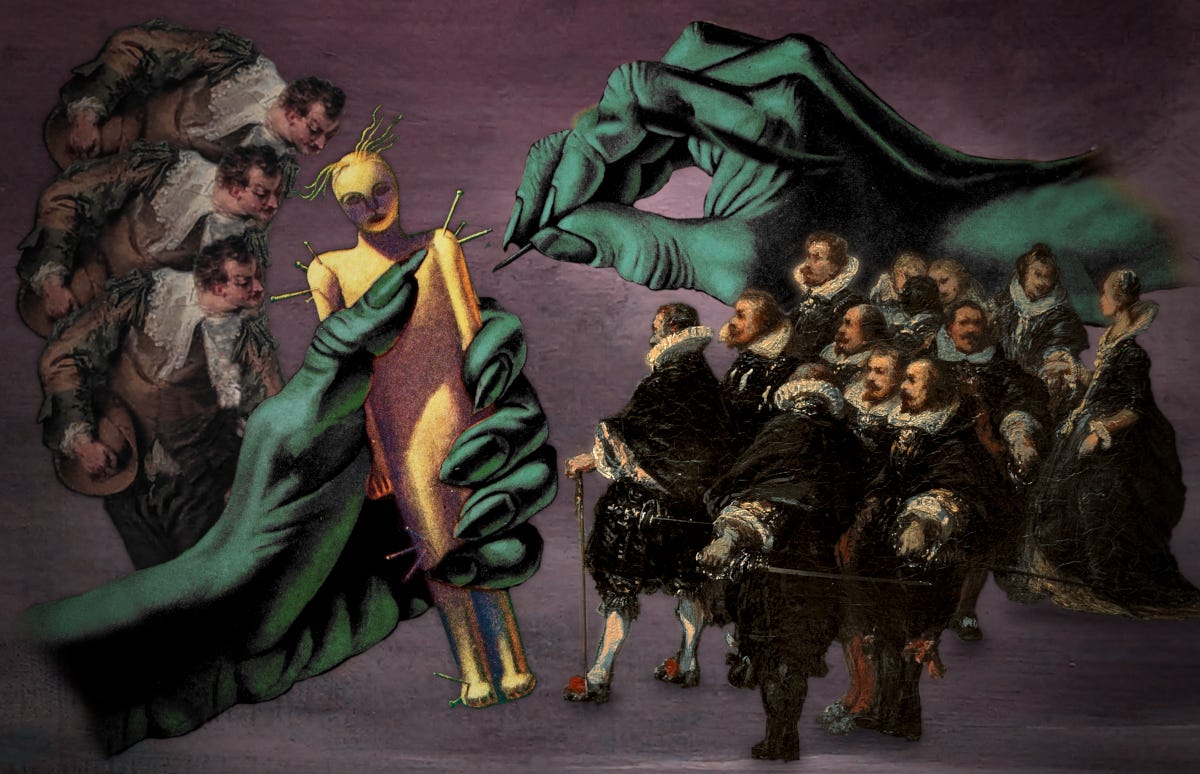
A Theological and Ethical Rebuff of the Southern Baptist Convention’s Recent Decision
Rev. Vonnie E James, JP — Doctoral Candidate, Grenada Baptist Association
A Theological and Ethical Rebuff of the Southern Baptist Convention’s Recent Decision
Rev. Vonnie E James, JP — Doctoral Candidate, Grenada Baptist Association
15th June, 2026
Abstract
The Southern Baptist Convention’s (SBC) recent reaffirmation of its ban on women serving as pastors and the election of leadership perceived to have minimized the denomination’s sexual abuse crisis represent both a theological misstep and a serious ethical failure. This paper offers a robust critique through careful biblical exegesis, historical context from English and Jamaican Baptist traditions, ethical analysis, and ecclesial implications. It argues that these decisions contradict the gospel’s liberating power, undermine the church’s moral witness, and risk alienating future generations. A holistic reading of Scripture, supported by the historic practice of English and Jamaican Baptists, affirms the full participation of women in all forms of ministry and demands uncompromising justice for the vulnerable. The SBC must return to the inclusive and protective heart of Christ rather than retreat into cultural conservatism that prioritizes tradition over truth (New International Version, 2011).
Introduction
In June 2026, the Southern Baptist Convention once again made international headlines. Delegates at the annual meeting voted to reinforce the denomination’s long-standing prohibition on women serving in the pastoral office and elected leadership widely viewed as having downplayed the scope and severity of the SBC’s sexual abuse crisis (Burton, 2026). These actions, while applauded by some as a return to “biblical fidelity,” have triggered significant distress, especially among women called to ministry, survivors of abuse, and younger Southern Baptists who increasingly question rigid complementarian structures.
This paper serves as a theological and ethical rebuff. It does not question the personal faith or sincerity of those who support these positions. Rather, it challenges the biblical interpretation and moral reasoning underlying the decisions. When Scripture is read holistically, contextually, and in light of the full redemptive narrative — including the rich history of women’s leadership in English and Jamaican Baptist traditions — it presents a vision of the church where the Holy Spirit empowers both men and women for leadership without gender restriction (Galatians 3:28, New International Version, 2011). Simultaneously, the gospel demands uncompromising justice for the vulnerable. The SBC’s current trajectory risks turning a once-great denomination into a cultural artifact rather than a vibrant, prophetic witness to the inclusive and restorative gospel of Jesus Christ.
Theological Analysis
The SBC’s primary scriptural justification for excluding women from the pastoral office rests heavily on a selective reading of texts such as 1 Timothy 2:12 (“I do not permit a woman to teach or to assume authority over a man; she must be quiet”) (New International Version, 2011). While this verse must be taken seriously, isolating it from the broader biblical narrative and its first-century cultural context produces a narrow and ultimately flawed hermeneutic.
A fuller canonical reading reveals a consistent pattern of God raising women into significant leadership roles. In the Old Testament, Deborah served as judge and prophet over all Israel (Judges 4–5, New International Version, 2011), exercising both spiritual and civil authority during a time of national crisis. Miriam is identified as a prophetess (Exodus 15:20), Huldah delivered God’s word to the king (2 Kings 22:14–20), and Esther exercised courageous leadership to save her people. In the New Testament, Priscilla, together with her husband Aquila, instructed the eloquent Apollos in “the way of God more adequately” (Acts 18:26, New International Version, 2011). Phoebe is commended by Paul as a deacon (Romans 16:1, New International Version, 2011), and Junia is noted among the apostles (Romans 16:7, New International Version, 2011). Mary Magdalene became the first witness to the resurrection and was commissioned by Jesus to proclaim the good news to the male disciples (John 20:17–18, New International Version, 2011).
The climax of this trajectory appears in Galatians 3:28: “There is neither Jew nor Gentile, neither slave nor free, nor is there male and female, for you are all one in Christ Jesus” (New International Version, 2011). This verse does not erase creational distinctions but declares that in Christ, gender is no longer a barrier to calling, gifting, or ministry. The outpouring of the Holy Spirit at Pentecost fulfilled Joel’s prophecy: “Your sons and daughters will prophesy” (Acts 2:17, New International Version, 2011).
English Baptist Women’s Leadership History
The English Baptist tradition itself provides strong historical precedent for women’s active participation in ministry. Early General Baptists in the 17th century allowed women to preach and exercise significant leadership. Figures such as Dorothy Hazard and other women played key roles in establishing churches and preaching the gospel during turbulent times (Gouldbourne, n.d.). Although Particular Baptists were more restrictive initially, the broader Baptist movement in England gradually recognized women’s gifts. By the 19th and 20th centuries, women served as deaconesses, missionaries, and eventually as ordained ministers. The Baptist Union of Great Britain has a long record of women serving in prominent roles, including as presidents and general secretaries (Gouldbourne, n.d.). This history demonstrates that Baptist identity — with its emphasis on the priesthood of all believers and the freedom of the Holy Spirit — has often affirmed rather than restricted women’s leadership.
Jamaica Baptist Union Women’s Leadership History
The Jamaican Baptist tradition offers an even stronger counter-example. The Jamaica Baptist Union (JBU), from which many Grenadian Baptists trace their roots, has a rich legacy of women’s leadership. The Jamaica Baptist Women’s Federation was founded in 1922 and has played a vital role in education, missions, and church leadership development for over a century (Jamaica Information Service, 2022). In recent decades, the JBU has elected women to high office, including the first female General Secretary and the first female President (Baptist Times, n.d.). Jamaican Baptist women have served as pastors, evangelists, educators, and denominational leaders, demonstrating that Baptist polity in the Caribbean context has successfully integrated women into full ministerial leadership without compromising core Baptist distinctives such as believer’s baptism and congregational autonomy.
The contrast is striking: while the SBC moves toward greater restriction, sister Baptist bodies in the English-speaking Caribbean and England have moved toward greater inclusion, bearing fruit in vibrant churches and effective mission.
Ethical Considerations
The simultaneous decision to elect leadership perceived as minimizing the sexual abuse crisis compounds the theological error with a profound ethical failure. Jesus identifies Himself as the Good Shepherd who lays down His life for the sheep (John 10:11, New International Version, 2011). In contrast, the hired hand sees danger and flees (John 10:12–13, New International Version, 2011). When survivors of abuse are dismissed, marginalized, or disbelieved, the church acts more like the hired hand than the Shepherd.
Psalm 82:3–4 commands God’s people: “Defend the weak and the fatherless; uphold the cause of the poor and the oppressed. Rescue the weak and the needy; deliver them from the hand of the wicked” (New International Version, 2011). The SBC’s documented handling of hundreds of abuse cases over decades has tragically fallen short of this biblical mandate (Burton, 2026; Thompson, 2025). Protecting institutional reputation over the vulnerable contradicts the heart of the gospel.
The convention’s strong public stance against assisted suicide, while morally important, reveals a troubling selective morality when juxtaposed with its weaker response to abuse survivors. Micah 6:8 demands a holistic ethic: “To act justly and to love mercy and to walk humbly with your God” (New International Version, 2011). Justice cannot be compartmentalized.
Ecclesial Implications
These decisions carry serious long-term consequences for the church’s mission and witness. Younger generations, especially women and abuse survivors, are increasingly rejecting patriarchal structures that appear to silence half the body of Christ. By maintaining barriers to women in pastoral leadership, the SBC risks muting the prophetic voice of the Spirit, who distributes gifts “as he determines” (1 Corinthians 12:11, New International Version, 2011) without gender qualification.
Globally, the church’s credibility is weakened when internal policies contradict the gospel’s liberating power. The early church thrived because it broke cultural barriers. Jesus engaged the Samaritan woman in deep theological conversation (John 4:7–26, New International Version, 2011) and commissioned Mary Magdalene as the first witness to the resurrection (John 20:18, New International Version, 2011). The SBC’s stance risks presenting a truncated gospel that limits the full expression of the body of Christ.
Practical Consequences
SBC DecisionBiblical CounterpointEthical RiskHistorical Baptist PrecedentBan on women pastorsDeborah (Judges 4:4), Phoebe (Romans 16:1), Galatians 3:28Gender exclusion, loss of credibilityJBU female presidents & leaders; English Baptist women ministersElection of Willy RiceJohn 10:11–13, Psalm 82:3Minimization of abuse, betrayal of victims — Strong focus on assisted suicideMicah 6:8Selective morality, neglect of survivors —
Conclusion
The Southern Baptist Convention’s recent decisions represent a retreat into cultural conservatism rather than a faithful advance into biblical justice and gospel inclusion. By excluding women from pastoral leadership and appearing to minimize the sexual abuse crisis, the denomination risks becoming like the “whitewashed tombs” Jesus condemned in Matthew 23:27 — clean and impressive on the outside but failing inwardly (New International Version, 2011).
A faithful response calls the SBC back to the inclusive, protective, and liberating mission of Christ: empowering all believers according to the Spirit’s gifting, fiercely protecting the vulnerable, and proclaiming the full gospel without the chains of cultural tradition. The Potter is still at work. May the SBC yield to His reshaping hand before it is too late.
References
Burton, H. (2026, June). SBC annual meeting: Women pastors ban reaffirmed amid abuse crisis concerns. Religion News Service. https://www.religionnews.com
Gouldbourne, R. (n.d.). History of Baptist women in ministry. Baptist Union of Great Britain. https://www.baptist.org.uk
Jamaica Information Service. (2022, August 17). Baptist Women’s Federation launches 100th anniversary magazine. https://jis.gov.jm
New International Version. (2011). The Holy Bible. Biblica.
Thompson, A. (2025). The SBC abuse crisis: A decade of reckoning. Eerdmans.
메타데이터
- post_id
- aeafee06bb20
- slug
- a-theological-and-ethical-rebuff-of-the-southern-baptist-conventions-recent-decision-aeafee06bb20
- url
- https://medium.com/@VonnieJ/a-theological-and-ethical-rebuff-of-the-southern-baptist-conventions-recent-decision-aeafee06bb20
- canonical_url
- https://medium.com/@VonnieJ/a-theological-and-ethical-rebuff-of-the-southern-baptist-conventions-recent-decision-aeafee06bb20
- author_url
- https://medium.com/@VonnieJ
- status
- ok
- fetched_at
- 2026-06-20 20:29:01