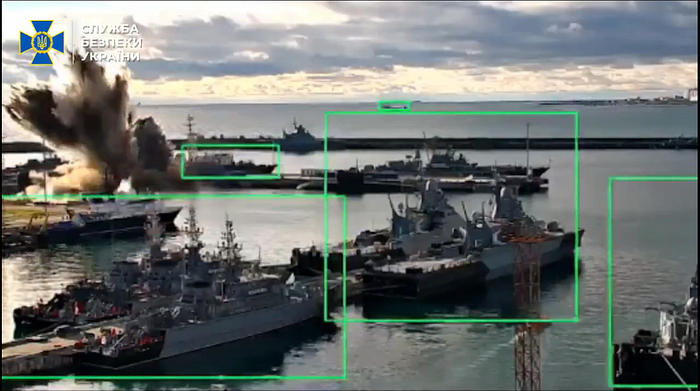
The First 72 Hours of a War Decide Everything — Here’s What Actually Happens
When people imagine war, they think about long campaigns.
The First 72 Hours of a War Decide Everything — Here’s What Actually Happens
When people imagine war, they think about long campaigns.
Months of fighting. Years of strategy. Slow, grinding conflict.
But military planners think very differently.
Inside defense circles, there’s a widely understood reality:
The first 72 hours of a war often determine how it ends.
Not completely.
But decisively.
Because in modern conflict, the opening phase is where the most critical systems — and mistakes — are exposed.
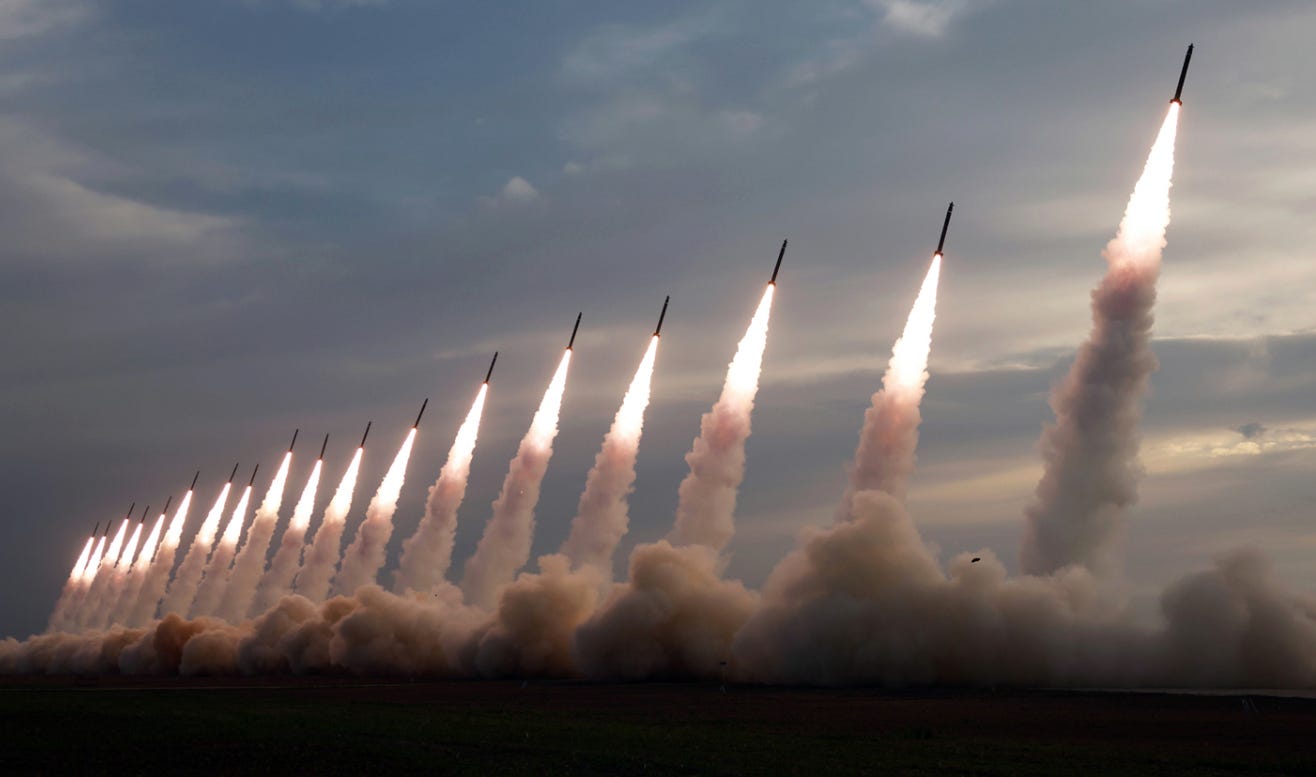
Why the First 72 Hours Matter So Much
In the past, wars unfolded slowly.
Mobilization took time. Information moved slowly. Forces needed days or weeks to position.
Today, everything is faster.
- Missiles can strike within minutes
- Cyber attacks can disrupt systems instantly
- Satellites provide real-time intelligence
- Air power can reach targets across continents
This means the initial phase of a conflict carries far more weight than before.
Whoever gains advantage early often shapes everything that follows.
Hour 0–24: The Shock Phase
The first stage is about disruption.
The objective isn’t necessarily to win immediately.
It’s to destabilize the opponent’s ability to respond.
This can include:
- Precision strikes on key infrastructure
- Cyber attacks targeting communication systems
- Attempts to disable radar and air defenses
- Disruption of command-and-control networks
The goal is simple:
create confusion.
If decision-makers cannot clearly understand what’s happening, their response slows — and that delay creates opportunity.
Hour 24–48: The Response Window
Once the initial shock passes, the second phase begins.
This is where the defending side tries to regain control.
Key priorities include:
- Restoring communication systems
- Assessing damage and capabilities
- Deploying defensive forces
- Preventing further disruption
At the same time, the attacking side may attempt to press its advantage by:
- Expanding strikes
- Targeting secondary systems
- Reinforcing early gains
This phase is critical because it determines whether the conflict stabilizes — or escalates further.
Hour 48–72: The Decision Phase
By this point, the situation becomes clearer.
Both sides have a better understanding of:
- What capabilities remain
- What damage has been done
- What options are available
This is where major decisions are made.
Escalate further? Hold position? Seek de-escalation?
The choices made during this window can shape the entire trajectory of the conflict.

The Role of Modern Technology
Technology has fundamentally changed how these first 72 hours unfold.
Cyber Systems
Can disrupt infrastructure without physical damage.
Satellites
Provide real-time intelligence — but are also vulnerable targets.
Precision Weapons
Allow for highly targeted strikes early in a conflict.
Communication Networks
Enable rapid coordination — or become points of failure.
This creates a paradox:
Modern systems increase capability, but also increase vulnerability.
Why Mistakes Are More Likely in This Window
The early phase of conflict is also the most chaotic.
Information is incomplete. Situations change rapidly. Pressure is high.
Decision-makers must act quickly, often without full clarity.
This increases the risk of:
- Misinterpretation
- Overreaction
- Escalation beyond initial intent
History shows that early mistakes can have long-term consequences.
The Psychological Factor
Beyond strategy and technology, there’s another element:
human behavior under pressure.
Leaders must balance:
- The need to respond quickly
- The risk of escalating too far
- The uncertainty of the situation
In many cases, perception matters as much as reality.
If one side believes it is losing control, it may escalate more aggressively.
Why This Matters Right Now
The current global environment includes:
- Multiple high-tension regions
- Advanced military capabilities
- Rapid communication systems
- Complex alliances
These conditions make the first 72 hours of any potential conflict more important — and more dangerous — than ever.
Because once events begin moving at that speed, slowing them down becomes extremely difficult.

Final Thought
Wars may last months or years.
But their direction is often shaped in days.
The first 72 hours are not just the beginning.
They are the moment when:
- systems are tested
- decisions are made
- trajectories are set
And in a world where conflicts can escalate faster than ever, understanding that window may be the key to understanding how modern wars unfold — and how they might be contained.
메타데이터
- post_id
- aeb997925f56
- slug
- the-first-72-hours-of-a-war-decide-everything-heres-what-actually-happens-aeb997925f56
- url
- https://medium.com/@bengar/the-first-72-hours-of-a-war-decide-everything-heres-what-actually-happens-aeb997925f56
- canonical_url
- https://medium.com/@bengar/the-first-72-hours-of-a-war-decide-everything-heres-what-actually-happens-aeb997925f56
- author_url
- https://medium.com/@bengar
- status
- ok
- fetched_at
- 2026-06-20 20:29:01